

Aspiring to become a proficient winemaker? The journey to producing an exquisite bottle of wine begins with mastering some essential techniques. Here we share the top 10 techniques every novice winemaker should master to craft a wine that speaks volumes of quality and flavour.
Whether you're producing wine in the comfort of your home or on a small vineyard, these techniques will set you on the path to becoming an expert. And, as always, if you're seeking ready inspiration, explore the finesse of Curtis Family Vineyards.
1. Understanding Terroir
Terroir, the unique combination of climate, soil, and terrain, is crucial in influencing wine’s character. Understanding how terroir affects grape growth and flavour will guide you in selecting the right varieties for your vineyard. The Limited Series Shiraz is a superb example, showcasing grapes nurtured by McLaren Vale's distinct terroir.
2. Selecting the Right Grape Varieties
Choosing the right grape varieties for your region's climate and soil can define the future of your wine. Each type of grape brings a distinct flavour profile; for instance, the bold flavours of the Cavaliere Shiraz emerges best in warmer climates.
3. Mastering Fermentation
Fermentation is where the magic happens. It's crucial to maintain the right temperature and yeast selection to ensure optimal conversion of sugars to alcohol. Attention to these factors brings out the lively effervescence in wines like the Heritage Sparkling Blanc de Blanc.
4. Precise Timing During Harvest
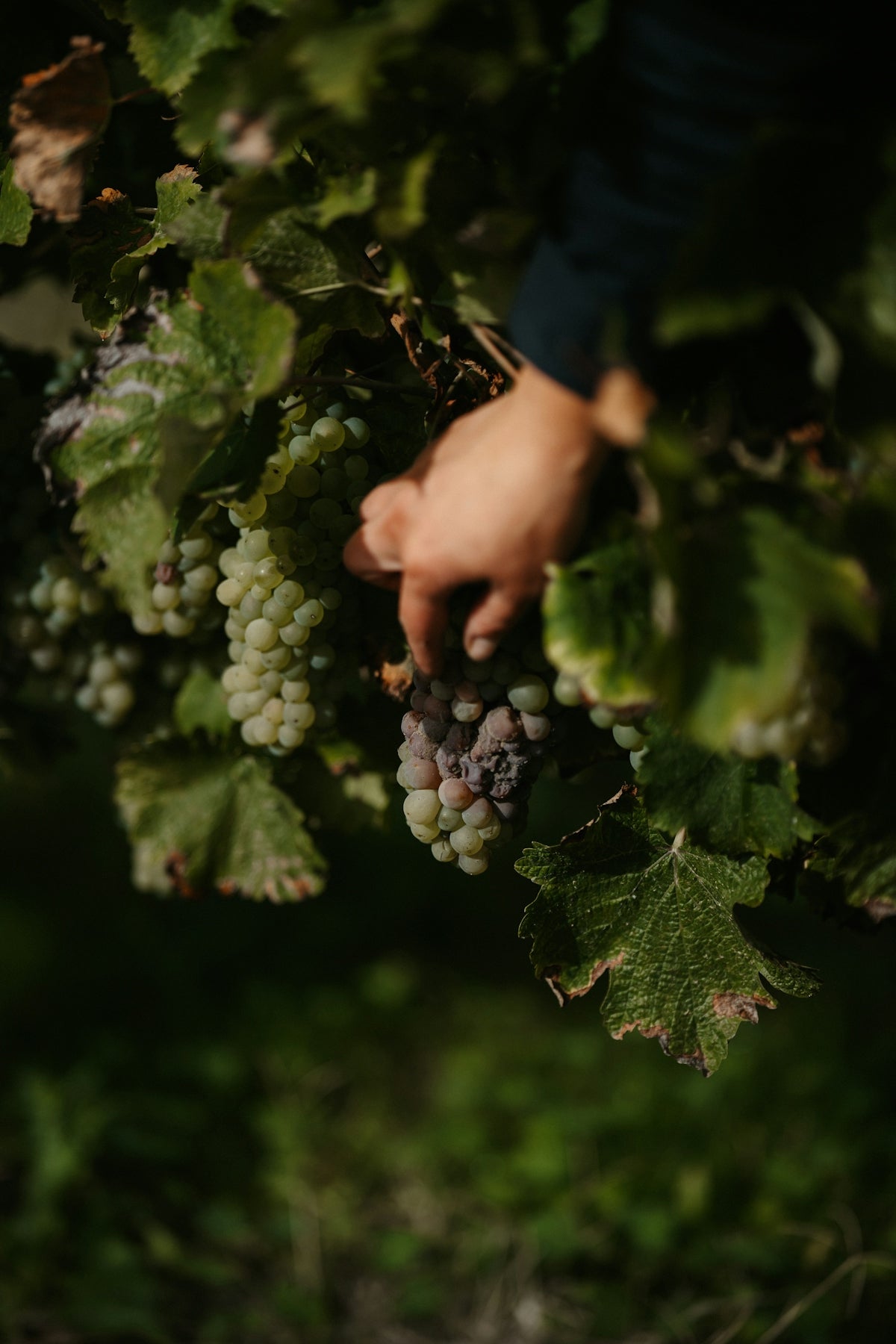
Harvesting at the perfect time ensures your grapes have the ideal sugar, acid, and tannin balance. Over or under-ripe grapes can lead to undesirable results. And if you're aligning with nature’s rhythm, the balanced profile of the Heritage Grenache might inspire your timing.
5. Effective Grape Crushing
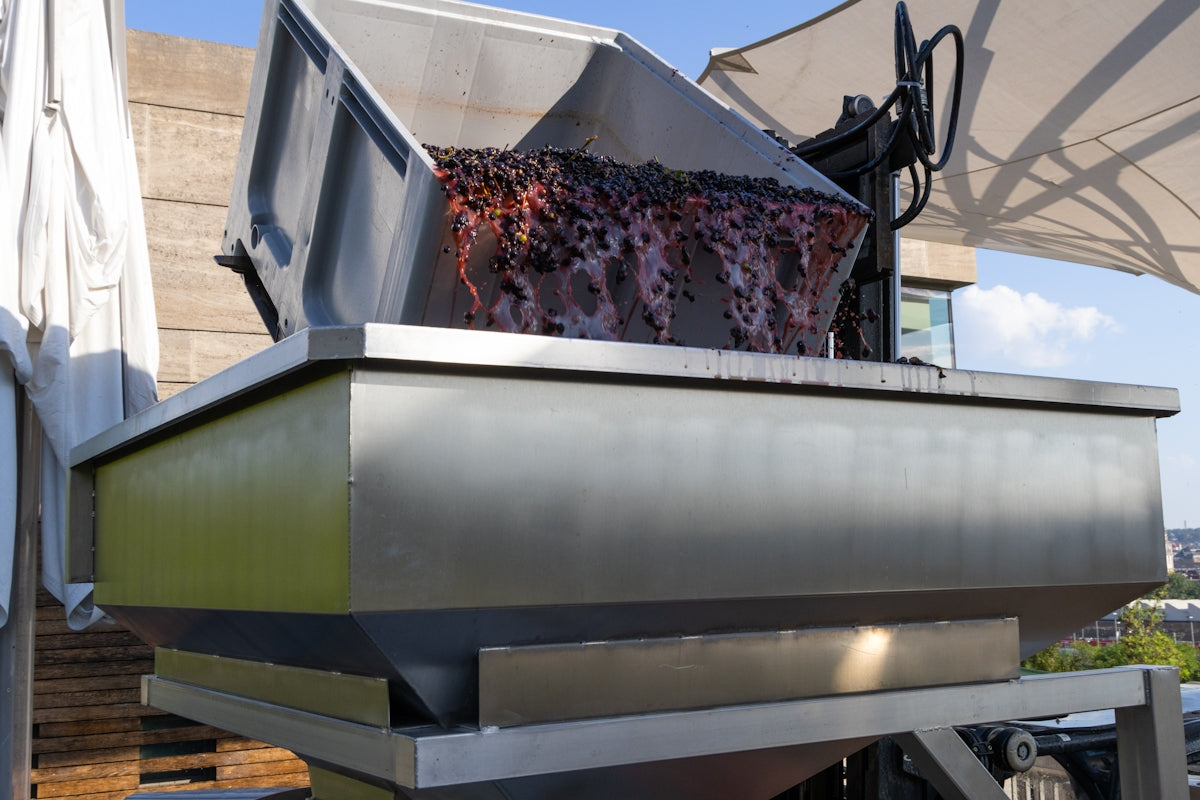
Crushing grapes is the initial step in releasing the juice that will become wine. Understanding the nuances between lightly crushing versus macerating will result in wines of different intensities, which can be found in the Cavaliere Grenache Shiraz Mourvedre.
6. Balancing Flavours
Achieving the right balance of sweetness, acidity, tannin, and alcohol is fundamental to creating wines that are harmonious on the palate. The rich complexity of the Terra Rossa Shiraz serves as an ideal benchmark for understanding this balance.
7. Aging and Maturation
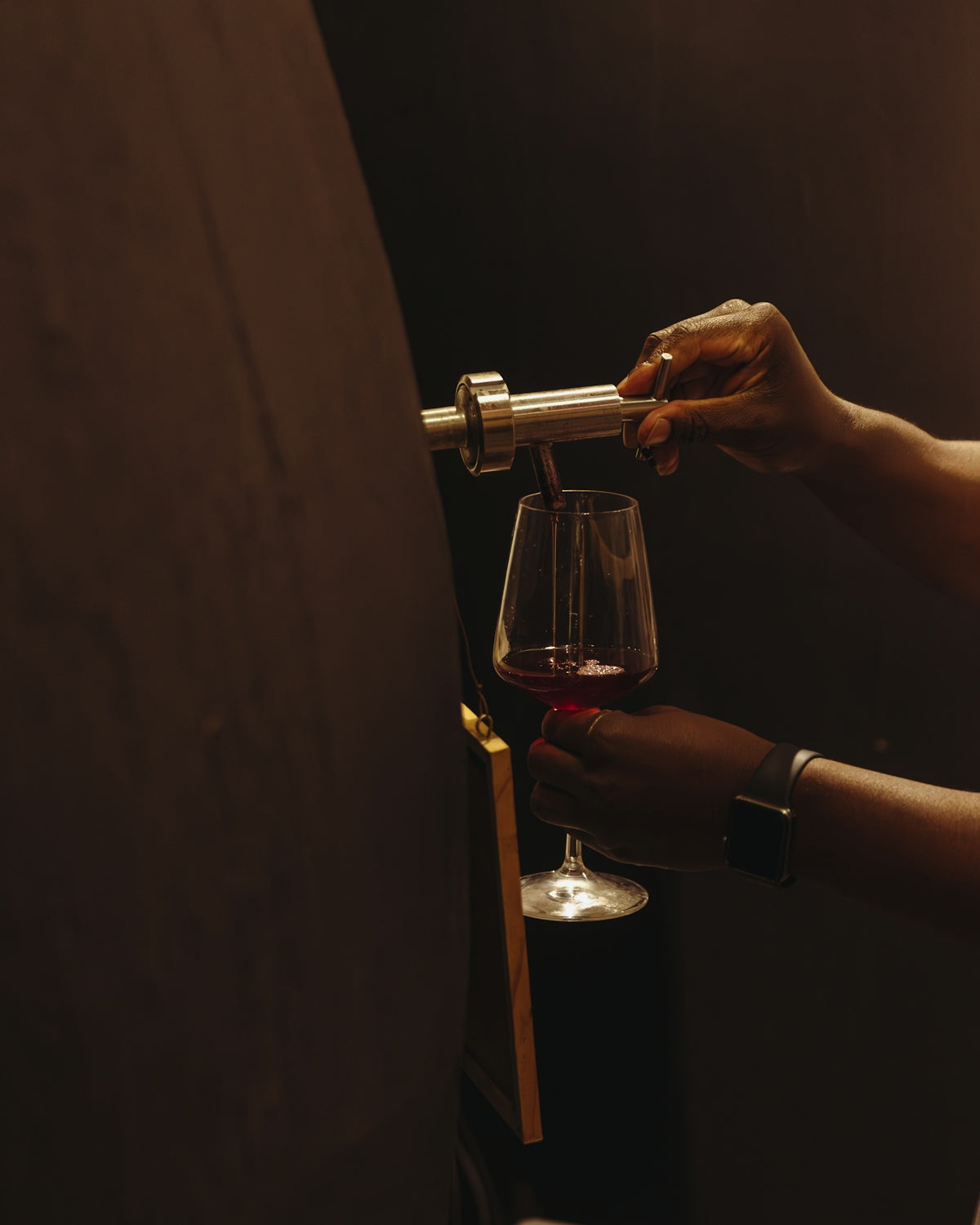
Allow time to unlock your wine’s potential. Barrel aging will impart additional flavours and complexities. The Martins Vineyard Shiraz exemplifies the depth and character achieved through thoughtful maturation.
8. Managing Filtration and Fining
Proper filtration and fining ensure clarity and stability in your wine without stripping away its character. Such techniques help preserve wine’s natural charm, evident in wines like the Limited Series Grenache.
9. Successful Bottling Techniques
Bottling is a delicate operation. Protecting your wine from oxidation and contamination during bottling ensures its longevity and quality. Excellent bottling practices can be appreciated through the elegantly bottled Heritage Shiraz.
10. Practising Sustainability
As the winemaking industry evolves, embracing sustainable practices is increasingly vital. From reducing water usage to adopting organic farming techniques, sustainable winemaking promotes environmental care, ensuring the future of vineyards for generations to come.
Embarking on the winemaking journey is a blend of science, art, and patience. As you refine these techniques, you’ll find your path through the taste and tradition of captivating creations—just as we do at Curtis Family Vineyards.

Leave a comment
This site is protected by hCaptcha and the hCaptcha Privacy Policy and Terms of Service apply.