

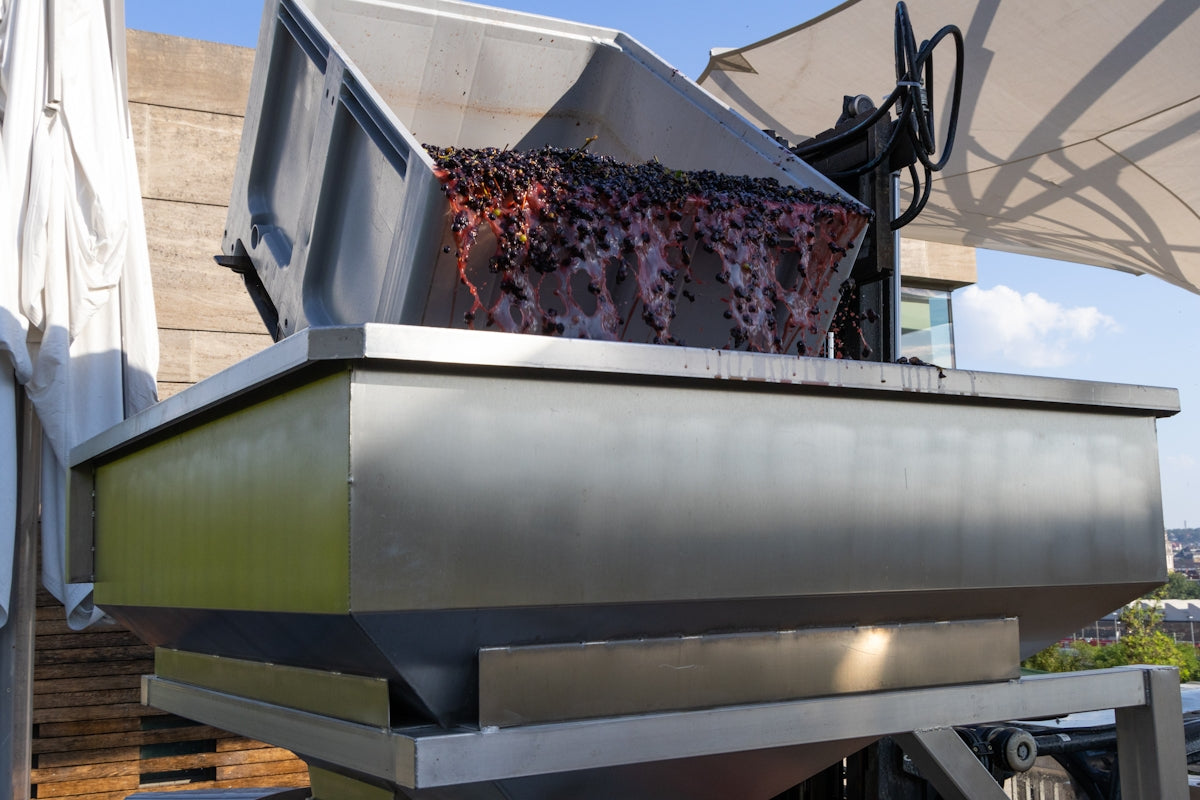
Urban winemaking, a fascinating and ever-growing segment of the wine industry, brings the craft of winemaking to city centres, inviting urbanites to enjoy the winemaking process right on their doorsteps. However, this trend is not without its challenges. From sourcing quality grapes to navigating logistical complexities, urban winemakers have hurdles to overcome. Yet, with challenges come innovative solutions. Here’s a closer look at the multifaceted world of urban winemaking and how winemakers are meeting these innovative challenges with creativity.
Challenges in Urban Winemaking
Grape Sourcing
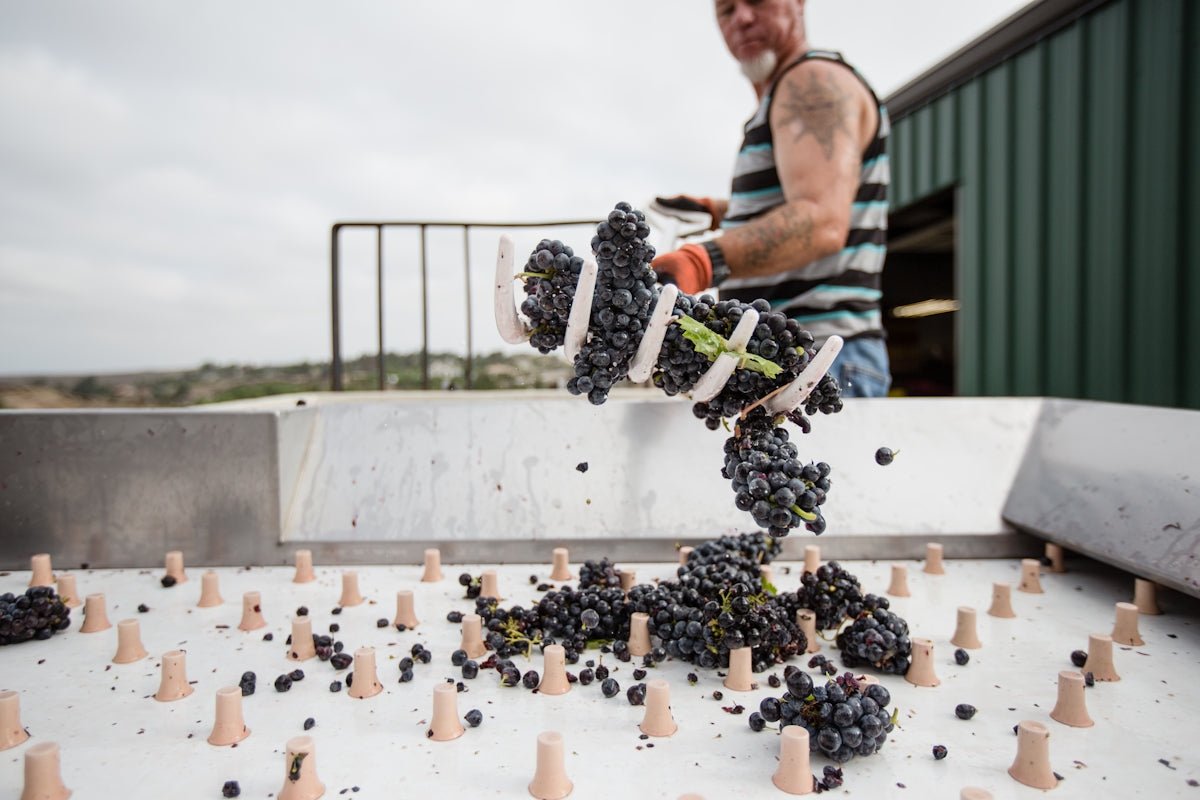
One of the prominent challenges for urban wineries is sourcing high-quality grapes. Unlike traditional vineyards nestled in rural expanses, urban wineries often don't have immediate access to vast vineyard land. Instead, they depend on partnerships with rural vineyards to secure the grapes needed for production. This dependency can present logistical challenges, such as coordinating harvest and transportation during the busy grape-picking season.
Space Constraints
Space is a definitive luxury in urban environments. The limited space can affect not only the production capacity but also the storage capabilities for both raw grapes and finished products. Urban wineries must innovate to maximize their limited space without compromising the production process or the wine's quality.
Environmental Considerations
Operating in urban settings poses unique environmental challenges. Noise restrictions, zoning laws, and waste management requirements can affect operations. Urban winemakers need to be acutely aware of these factors and have plans in place to mitigate any negative impacts while adhering to local regulations.
Innovative Solutions
Sourcing Partnerships
Urban wineries have established robust partnerships with rural vineyards to address grape sourcing issues. These collaborations ensure a steady supply of quality grapes, like those sourced for the esteemed Heritage Shiraz, supporting sustainable farming and fostering close relationships with grape producers.
Vertical Production Methods
Adapting vertical production methods offers a smart solution to space constraints. By making use of available vertical space, urban winemakers can efficiently manage their operations within the tight confines of city facilities, ensuring they continue producing premium wines such as the rich Ancestor Shiraz.
Green Innovation
Environmental innovation is at the forefront of urban winemaking. Initiatives such as adopting eco-friendly waste management practices and investing in energy-efficient equipment help urban wineries maintain operations while reducing their environmental footprint. This commitment to sustainability is echoed in the production of exceptional wines like the Terra Rossa Shiraz.
In conclusion, while urban winemaking comes with its set of challenges, it also inspires innovative solutions that are shaping the future of the wine industry. Curtis Family Vineyards, with its premium selections and dedication to quality, provides valuable insights into how traditional techniques can merge beautifully with modern urban innovation. Discover more about their exquisite offerings at Curtis Family Vineyards.


Leave a comment
This site is protected by hCaptcha and the hCaptcha Privacy Policy and Terms of Service apply.