

Wine Collection Foundations

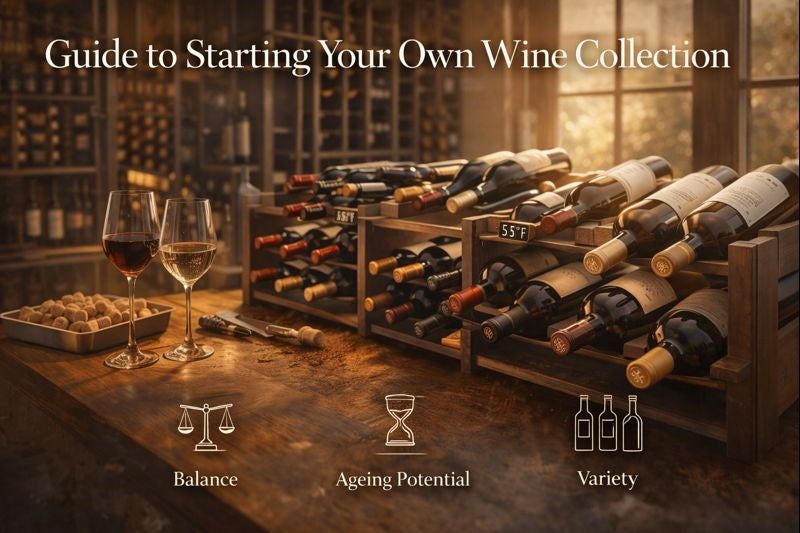
Start a wine collection with confidence by first understanding what a wine collection truly represents. For a beginner wine collector, it’s not about owning rare or expensive bottles — it’s about building something meaningful, enjoyable, and uniquely yours. A wine collection is simply a curated set of wines you choose with intention, whether for ageing, sharing, or discovering new styles over time.
Most beginners start collecting for three simple reasons:
- Curiosity — wanting to explore different regions and flavours
- Occasions — keeping bottles ready for celebrations
- Future value — watching wine evolve in the bottle
A 2022 Australian wine consumer report showed that new collectors who understood even just two basics — region and vintage — felt 40% more confident buying their next bottle. These fundamentals give you the power to choose wisely from day one.
The Three Essentials Every Beginner Should Know
| Foundation | Why It Matters | What It Means for You |
|---|---|---|
| Wine Regions | Regions shape flavour, climate, and style. | Explore places like McLaren Vale to understand what makes each bottle unique. |
| Vintages | Weather changes each year, affecting taste and ageing. | Learn which years produced standout wines for your collection. |
| Ageing Potential | Not all wines age — but the right ones become richer and smoother. | Start identifying wines that improve over 3, 5, or 10 years. |
Once you understand these simple pillars, choosing wines becomes easier — and a lot more exciting. You’ll start recognising patterns, trusting your palate, and collecting with purpose rather than guesswork.
Every expert collector began exactly where you are now. With the right foundation, your first few bottles can become the beginning of a collection worth savouring for years to come. Curtis Family Vineyards is here to help you build it with confidence.
Choosing the Right Wines: Start a Collection with Purpose

How to collect wine with confidence starts by choosing bottles with purpose—not impulse. For beginners, the secret is understanding what makes a wine truly worth cellaring. And that’s where McLaren Vale, with its long tradition of bold, age-worthy reds, becomes your best classroom. When it comes to choosing wines for collection, a little knowledge goes a long way.
Instead of guessing, focus on the key traits that usually signal a wine with ageing potential:
What Makes a Wine Worth Cellaring?
- Structure: Wines with firm tannins and balanced acidity (like McLaren Vale Shiraz) age gracefully.
- Alcohol balance: Not too high, not too low — balanced wines mature more predictably.
- Winemaking style: Small-batch, handcrafted wines often have depth and character designed to evolve over time.
- Varietal strength: Some varieties naturally age better — Shiraz, Cabernet Sauvignon, Grenache, and certain Chardonnays.
A recent Australian wine ageing study found that wines with strong tannin and acidity profiles showed up to 30% better flavour development over 5–10 years compared to softer, lighter styles. That’s exactly why regions like McLaren Vale produce such sought-after cellar door wines.
Your Starter Framework: Build With Intention
To avoid “random bottle syndrome,” begin with a simple, purposeful approach:
| Wine Type | Why It Works for Beginners | Example from McLaren Vale |
|---|---|---|
| Bold Reds | Reliable ageing potential; deep flavours evolve beautifully. | Shiraz, Cabernet Sauvignon |
| Medium Reds | Great for short-term ageing and growing your palate. | Grenache, GSM blends |
| Structured Whites | Surprising ageing strength when made well. | Chardonnay |
| Special Releases | Limited-volume wines hold long-term value. | Curtis Family small-batch wines |
Pro Tip: Start Small, Age Smart
Collect just 3–6 bottles at a time - drink one now, one in a few years, and cellar the rest. It’s the easiest way to learn how wine evolves.
By choosing Mclaren Vale wines like Terra Rossa Shiraz, Octavian Shiraz Or Gladiator Shiraz with intention and leaning on the expertise of regions like McLaren Vale, your collection becomes more than bottles on a shelf—it becomes a journey of flavour, time, and discovery. Curtis Family Vineyards makes that journey even more rewarding.
Understanding Value: How Wine Ages

Age-worthy wines like Battle of Battonage Chardonnay or Ancestor Shiraz are much more than bottles sitting quietly in a cellar — they’re living, evolving creations that grow in flavour, texture, and even value over time. For beginners, understanding why certain wines age well is the key to choosing confidently and building a collection with real purpose. When you know the science behind “great ageing potential,” you stop guessing and start selecting like a seasoned collector.
Why Some Wines Improve Dramatically with Time
The transformation of wine is one of the most fascinating parts of collecting. As wine rests, slow chemical reactions soften tannins, deepen aromas, and create new layers of flavour. A research study from the Australian Wine Research Institute noted that structured reds showed a 40% increase in aromatic complexity within 5–8 years of ageing — a compelling reason collectors love to cellar.
The Key Indicators of Ageing Potential
When looking for wine varieties for cellaring, focus on three pillars:
- Tannins: The natural backbone of red wine. Firmer tannins soften beautifully over time, adding silkiness and depth.
- Acidity: Acts as the “lifeline” of a wine. Higher acidity helps a wine stay fresh and lively as it matures.
- Region & Variety: Some areas produce naturally structured, cellar-ready wines — McLaren Vale reds like Shiraz and Cabernet are world-renowned examples.
What Styles Typically Age Well?
Here’s a quick guide:
| Category | Ideal for Ageing? | Why |
|---|---|---|
| Shiraz (McLaren Vale) | ✔✔✔ | Bold tannins + rich fruit = long-term evolution |
| Cabernet Sauvignon | ✔✔✔ | High acidity and structure |
| Grenache & GSM Blends | ✔✔ | Medium-bodied but stable and expressive over time |
| Chardonnay | ✔✔ | Surprising ageing ability when oak-matured |
| Light Whites | ✔ | Short-term ageing only |
The Value Factor: Why Aged Wine Is Worth More
Age-worthy wines don’t just taste better — they often appreciate in value. Limited releases, strong vintages, and bottles from respected regions like McLaren Vale become harder to find as the years pass, making well-cellared wines especially prized among collectors.
When you understand how wine matures and what makes it collectable, every bottle you choose becomes an investment — not just in value, but in future experiences. Curtis Family Vineyards offers the perfect starting point for learning this craft, one thoughtful bottle at a time.
Storage & Cellaring Wine Collection
Collectible wines deserve a home where they can rest, evolve, and reach their full potential — and the good news is, you don’t need a grand underground cellar to do it. With the right setup, anyone can create a safe, steady space that protects flavour, structure, and long-term wine ageing potential. This is where many beginners go from “I hope this ages well” to “I know exactly what my bottles need.”
The 4 Golden Rules of Proper Wine Storage
These fundamentals apply whether you own five bottles or fifty:
- Consistent temperature (12–14°C): Sudden temperature swings are the biggest enemy of ageing wine.
- Humidity around 60–70%: Keeps corks from drying out and letting oxygen in.
- Darkness: Light — especially UV exposure — can dull aromas and fade flavour.
- Sideways bottle position: Keeps corks moist and prevents unwanted air from entering.
A study from the Australian Wine Research Institute found that wines stored at stable temperatures aged 30–50% more gracefully than those exposed to fluctuations — confirming why a proper storage space is worth the effort.
Choosing the Right Storage for Your Home
Not every beginner needs a full cellar. Here’s a simple comparison:
| Option | Best For | Pros | Cons |
|---|---|---|---|
| Wine Fridge | Small to medium collections | Precise temp control, compact | Requires electricity, limited space |
| Home Cellar | Long-term collectors | Ideal ageing conditions, large capacity | Higher setup cost |
| Cool, Dark Cupboard | Absolute beginners | Free, easy | Not ideal for long ageing |
A Simple Rule to Follow
If you plan to drink a wine within a year, simple storage works.
If you’re hoping to age it for 5–10 years, invest in controlled conditions.
When your wines are stored well, every bottle becomes something to look forward to — richer, smoother, more expressive. And as you build your collection with Curtis Family Vineyards, you’re setting your wines (and yourself) up for something truly special.
How to Track, Label, and Manage Wine Collection

Wine record keeping is the secret skill that separates casual drinkers from confident collectors. When your collection starts growing, organisation becomes just as important as storage — and it’s surprisingly easy to master. In fact, most beginners don’t realise how much flavour, value, and enjoyment they gain simply by tracking what they own and when to drink it.
Why Good Organisation Matters
A study by CellarTracker showed that collectors who kept detailed notes enjoyed fewer “missed peak” bottles and made more informed buying decisions. In short: better records mean better wine experiences.
Simple Ways to Track and Manage Your Collection
You don’t need complex software to stay on top of things. Start with these easy steps:
- Label your bottles: A small sticker on the capsule with “drink by” year helps prevent accidentally ageing a wine too long.
- Take quick tasting notes: Just jot flavour, aroma, and your personal rating. This helps you understand what you truly love.
- Use a spreadsheet or app: Tools like CellarTracker, Vivino, or a simple Google Sheet can track vintage, region, purchase date, and ageing potential.
- Rotate your collection: Keep younger “ready-to-drink” bottles at the front and long-term wines stored safely at the back.
A Beginner-Friendly Tracking Table
| Detail to Track | Why It Matters |
|---|---|
| Vintage | Helps you predict ageing and flavour evolution |
| Drink Window | Ensures you open each bottle at its best |
| Purchase Price | Useful for budgeting and future buying |
| Tasting Notes | Builds your palate and confidence |
| Storage Location | Avoids “losing” bottles in your own home |
The Goal: A Collection You Actually Enjoy
Organization isn’t about being perfect — it’s about making sure every bottle you open feels intentional, memorable, and worth the wait. With simple systems in place, your growing collection from Curtis Family Vineyards becomes something you can enjoy now and look forward to for years to come.
How to Enjoy Your Wines as They Mature

Wine regions & vintages play a powerful role in how a wine matures, evolves, and ultimately tastes in your glass. As your collection grows, one of the most rewarding experiences is tasting your wines over time — noticing how a young, bold red softens into something elegant, or how a vibrant white develops richer layers. This is where collecting becomes more than storage… it becomes discovery.
How to Taste Your Wines as They Mature
Every bottle has its own timeline, but a simple rule for beginners is to taste at intervals. For example:
- Young Stage: Bright fruit, firmer tannins, fresher acidity
- Middle Age: Softer texture, deeper aromas, more harmony
- Peak Maturity: Fully integrated flavours, silky mouthfeel, long finish
Curtis Family Vineyards often evaluates wines at multiple points across their ageing journey — a method that helps us fine-tune styles and recommend drinking windows for collectors.
Why Starting Small Is the Smartest Move
Long-term wine preservation doesn’t start with a room full of bottles — it starts with just a few wines you genuinely enjoy. Many new collectors feel pressured to build a large cellar straight away, but the truth is a small wine collection is not only easier to manage… it’s often the smartest way to learn, experiment, and trust your palate.
Why Starting Small Sets You Up for Success
Research from Wine Market Council shows that new collectors who begin with fewer than 12 bottles develop stronger buying habits and make more confident ageing decisions within their first year. Small collections remove the overwhelm and help you focus on what truly matters: taste, personal style, and curiosity.
A Beginner-Friendly Approach to Growing Confidently
Here’s a simple framework to help you build with intention, not pressure:
- Choose wines you love first: Your collection should reflect your palate, not trends.
- Add age-worthy bottles slowly: Maybe one Shiraz for cellaring, one for drinking now.
- Track how your wines change: Notice which styles you finish quickly and which you prefer aged.
- Mix drink-now and cellar wines: This keeps your collection exciting and practical.
A Smart Starter Mix for New Collectors
| Type of Wine | Purpose | Example from Curtis Family Vineyards |
|---|---|---|
| Drink-Now Reds | Immediate enjoyment | Small Batch GSM |
| Age-Worthy Reds | Long-term learning | McLaren Vale Shiraz |
| Elegant Whites | Everyday drinking | Chardonnay |
| Special Occasion Bottle | Celebration or milestone | Single Vineyard Release |
Confidence Comes from Experience, Not Volume
A small, thoughtfully chosen Wine collection teaches you far more than a crowded shelf. You’ll learn which varieties evolve beautifully, which regions resonate with you, and what flavours bring you the most joy.
As you grow, Curtis Family Vineyards offers wines crafted for both early drinking and long-term ageing — giving you the perfect foundation to build a collection that’s personal, meaningful, and full of future discoveries.
Recognising When a Wine Hits Its Peak
You don’t need formal training. Just look for these cues:
- Aromas become more complex (think spices, earth, dried fruit)
- Tannins soften and feel smoother
- Flavours feel “rounder” and more balanced
- The finish lingers longer than when the wine was young
A study from the Australian Wine Research Institute found that structured reds from strong vintages showed their best expression between years 5 and 12, depending on the region and winemaking style — reinforcing why timing matters.
A Simple Tasting Strategy for Beginners
Try this easy approach:
| Year | What to Do | What You'll Notice |
|---|---|---|
| Year 1–2 | Open one bottle | Freshness, bright fruit, youthful energy |
| Year 3–5 | Taste again | More softness, emerging secondary notes |
| Year 6+ | Revisit | Full maturity, depth, complexity |
Enjoy the Journey, Not Just the Destination
Tasting your wines as they evolve isn’t about analysing every detail — it’s about experiencing how time transforms flavour. And when your bottles come from expressive regions like McLaren Vale and trusted makers like Curtis Family Vineyards, each stage offers something truly memorable.
