

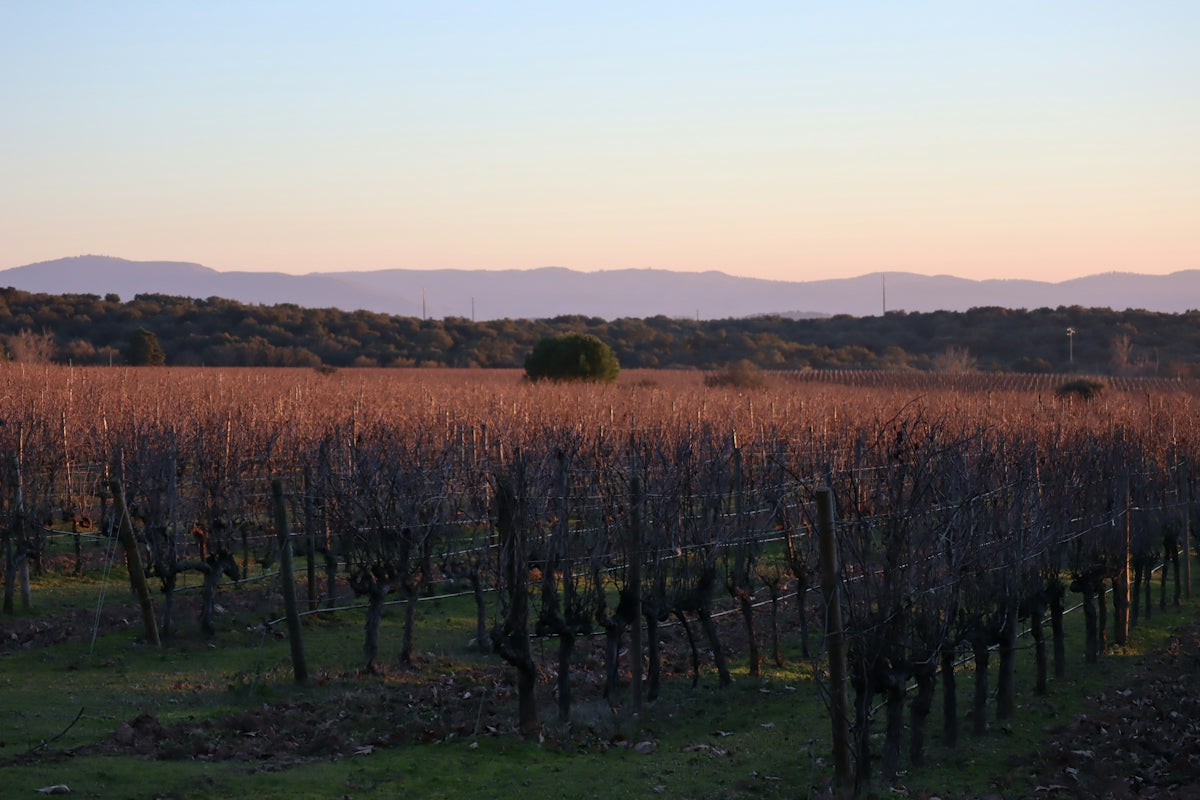
Winemaking, while an art, also carries its responsibilities toward the environment. As wine enthusiasts become more eco-conscious, the conversation has shifted towards how vineyards can minimize their environmental impact. This post aims to explore the practices that can help achieve sustainable winemaking, aligning with the ethos embraced by Curtis Family Vineyards.
Eco-Friendly Winemaking Practices
Sustainable Vineyard Management
Sustainable vineyard management focuses on the health of the soil, water conservation, and biodiversity. At Curtis Family Vineyards, the integrity of the land is paramount. Techniques such as cover cropping and reduced tillage contribute to soil health, thus enhancing the quality of the vines. This dedication is reflected in their Limited Series Grenache, which offers a taste profile that is as responsible as it is delightful.
Water Conservation
Water scarcity is a growing concern in wine regions around the globe. Implementing efficient irrigation systems and water recycling processes can significantly reduce water usage. The Cavaliere Cabernet Sauvignon is a testament to the results of innovative water management practices, maintaining its rich, full-bodied flavour which defines the McLaren Vale heritage.
Chemical-Free Pest Management
Chemical pesticides pose significant risks to the environment, affecting biodiversity and human health. Embracing natural pest management solutions, such as the introduction of beneficial insects and the use of organic sprays, can mitigate these risks. Such practices are put into action in the creation of the Heritage Cabernet Sauvignon, a wine that champions both flavour and environmental consciousness.
Renewable Energy Use
Transitioning to renewable energy sources is crucial for reducing the carbon footprint associated with winemaking. Curtis Family Vineyards invests in renewable energy, ensuring that the production process leaves as small an environmental footprint as possible.
Waste Management and Composting
Efficient waste management and composting play vital roles in maintaining a sustainable vineyard. By repurposing grape marc and other organic waste into compost, we can enrich the soil without synthetic fertilizers. The results are evident in wines like the Martins Vineyard Shiraz, where a sense of purity and commitment to the environment is noticeable in every sip.
Conclusion
Winemaking need not be at odds with environmental stewardship. By integrating sustainable practices, vineyards can craft extraordinary wines that honour both traditions and the future of our planet. Curtis Family Vineyards stands at the forefront of this movement, illuminating a path for others in the industry. Explore their full collection and learn more about their commitment to sustainable winemaking at Curtis Family Vineyards.


Leave a comment
This site is protected by hCaptcha and the hCaptcha Privacy Policy and Terms of Service apply.