

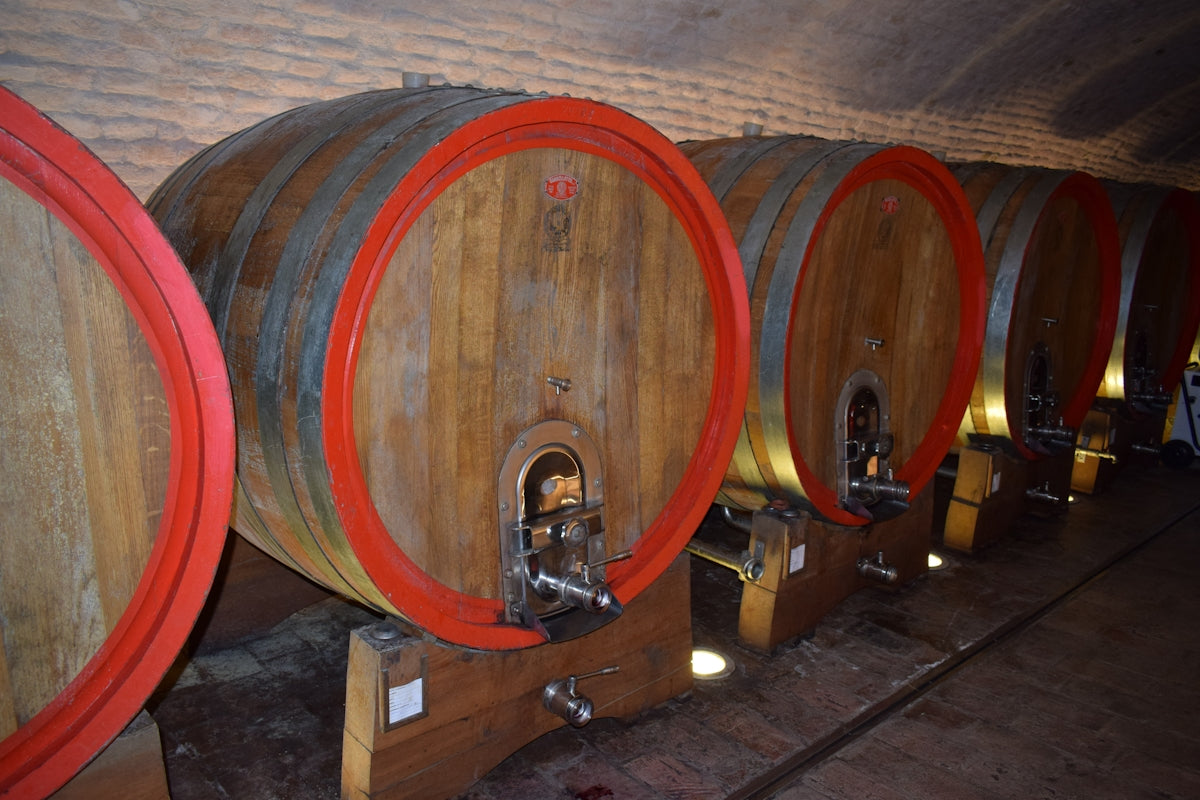
In the intricate world of winemaking, the use of artificial additives has come under the spotlight, generating robust discussions among both producers and connoisseurs. Whether it's to enhance flavour, improve longevity, or ensure a consistent product, additives play a significant role in modern wine production. However, their use comes with both advantages and drawbacks.
Pros of Using Artificial Additives
1. Improved Consistency
One of the most significant benefits of using additives is the ability to maintain consistency across vintages. Wine can be significantly influenced by the smallest changes in climate or growing conditions, so additives help in evening out these variations. This means that whether you're enjoying a bottle of Curtis Limited Series Shiraz this year or the next, you can rely on a similar tasting experience.
2. Enhanced Flavours and Colours
Additives can enhance flavours and the colour profile of the wine. For example, tannins and acidity levels can be adjusted to create a more robust and appealing flavour. These enhancements work well in wines like the Heritage Shiraz, giving it its distinct, rich depth that connoisseurs love.
3. Longevity and Stability
Additives such as sulphur dioxide help stabilise wines and increase their shelf life by preventing oxidation and preserving freshness. This ensures that wines like the Cavaliere Grenache Shiraz Mourvedre retain their distinctive character for longer.
Cons of Using Artificial Additives
1. Potential Health Concerns
While generally considered safe in moderation, some consumers express concerns about the potential health impacts of synthetic additives. This has led to an increasing demand for more natural or organic wine options.
2. Impact on Authenticity
Purists argue that the use of additives compromises the authenticity of the wine, detracting from the natural qualities that are a result of the vineyard's particular terroir. For those who value a wine's natural expression, achieving a balance is crucial.
3. Consumer Skepticism
Today's consumers are more informed than ever and may approach additives with scepticism. Transparency about what goes into a bottle can influence purchasing decisions, certainly affecting how wines like the Heritage Cabernet Sauvignon are perceived in the marketplace.
In conclusion, while artificial additives offer benefits in terms of consistency, flavour enhancement, and longevity, there are valid concerns regarding health, authenticity, and consumer perception. At Curtis Family Vineyards, we understand the importance of crafting wines that balance modern technology with traditional winemaking techniques. For more insights into our range of wines, visit Curtis Family Vineyards.

Leave a comment
This site is protected by hCaptcha and the hCaptcha Privacy Policy and Terms of Service apply.