


Mastering the Fermentation Process
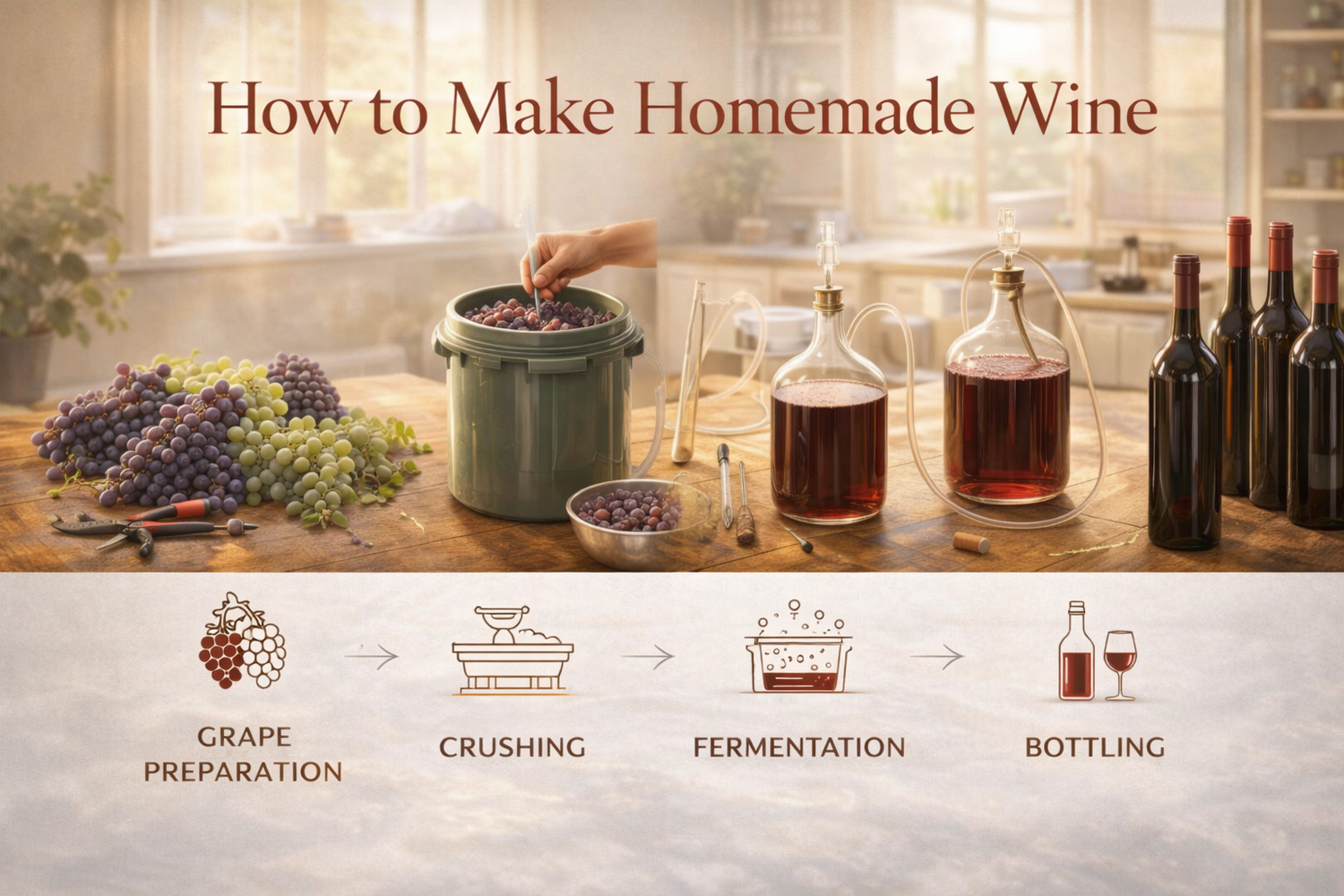
Understanding the fermentation process is essential in winemaking. It's important to maintain meticulous control over temperature and ferment for the right time to develop the desired flavours. Experimenting with different yeast strains can also impart unique flavour characteristics to your wine. If you’re pursuing a vibrant and effervescent wine, taking inspiration from the traditional methods used in Heritage Sparkling Blanc de Blanc can offer guidance on achieving those bubbles perfectly.
Fermentation temperature control plays a powerful role in shaping aroma, texture, and flavour in homemade wine. During fermentation, yeast converts sugar into alcohol, but it also releases delicate aroma compounds that define the wine’s personality.
Using smart fermentation techniques for homemade wine allows beginners to guide this process carefully rather than leaving flavour to chance. One of the most effective methods for enhancing aroma during fermentation is maintaining steady temperatures that protect fruit freshness and prevent harsh or dull notes.
Studies in modern winemaking show that stable fermentation temperatures improve aroma retention and create smoother flavour balance. Even small adjustments—such as selecting the right yeast strain or monitoring temperature daily—can dramatically improve the final wine.
Fermentation Tips That Boost Flavour Quality
- Choose yeast strains that complement your grape variety and desired wine style
- Keep fermentation temperatures stable to preserve aroma and freshness
- Monitor fermentation progress regularly to prevent flavour loss
- Avoid overheating, which can cause harsh alcohol notes and muted fruit character

Temperature Impact on Homemade Wine
| Fermentation Condition | Wine Outcome |
|---|---|
| Too warm | Strong alcohol, faded fruit aromas |
| Too cool | Slow fermentation and reduced flavour development |
| Controlled & stable | Balanced aroma, fresh fruit character, smooth texture |
By mastering fermentation details, home winemakers unlock the true character of their fruit. At Curtis Family Vineyards, careful fermentation management is seen as both science and art—helping transform simple ingredients into wines that are expressive, vibrant, and memorable.

Aging Techniques for Enhanced Complexity
Aging is where the magic happens. For those striving for a complex and layered wine, aging in oak barrels or using oak chips can provide flavour notes like vanilla and spices. This technique is skilfully used in wines like Martins Vineyard Shiraz, which boasts a full-bodied flavour that wine lovers adore.
Wine flavour development continues long after fermentation ends, and this is where patience becomes a powerful winemaking tool. Through oak ageing homemade wine, winemakers can introduce subtle notes of vanilla, spice, and toast while softening tannins and improving mouthfeel. For beginners interested in ageing wine at home, even small maturation choices can transform a sharp, young wine into a smooth, layered expression that feels more refined and balanced.
Professional wineries often rely on ageing to unlock hidden flavour complexity. Research across premium Australian wine regions shows that controlled maturation enhances structure and helps flavours integrate naturally, reducing rough edges and improving drinkability.
Ageing Techniques That Improve Homemade Wine
- Use oak chips, staves, or small barrels to introduce texture and aromatic depth
- Store wine in cool, stable conditions to support slow flavour development
- Taste wine periodically to track maturation progress
- Avoid rushing the ageing process, as time helps balance acidity, tannin, and alcohol
Ageing Method vs Wine Result
| Ageing Approach | Wine Outcome |
|---|---|
| No ageing | Bright but often sharp and simple |
| Short ageing | Improved balance with moderate smoothness |
| Controlled oak or extended ageing | Complex aroma, softer texture, richer structure |
By understanding maturation timing and ageing techniques, home winemakers can dramatically elevate wine quality. At Curtis Family Vineyards, careful ageing is treated as a signature step—turning youthful wines into elegant, expressive bottles that showcase craftsmanship and regional character.
Perfecting the Blending Process
Blending different wines can create a more balanced and intricate final product. Experiment with various ratios until you achieve the perfect mix that caters to your preferred taste profile. This technique mirrors the process used in crafting wines like the intricate Heritage Grenache, known for its delicate balance and flavour complexity.
Preventing oxidation in homemade wine is one of the most important steps when refining flavour balance and preserving wine quality. When oxygen enters wine at the wrong stage, it can dull aromas, flatten texture, and disrupt harmony between sweetness, acidity, and structure. Using proper wine bottling methods helps protect delicate flavours, while careful handling plays a major role in maintaining wine freshness and ensuring the final wine tastes vibrant and complete.
Professional wineries often treat balance as the signature of premium wine. Even small blending or bottling decisions can dramatically improve drinkability. Industry research shows that controlled oxygen exposure and thoughtful blending can enhance aroma clarity, soften sharp acidity, and stabilise flavour structure before wine reaches the bottle.
Techniques to Achieve Flavour Harmony
- Bottle wine in sanitised equipment to avoid contamination and flavour loss
- Minimise air contact during transfers and bottling
- Blend small batches to adjust sweetness, acidity, or body
- Taste wine before bottling to detect imbalance early
Handling & Bottling Impact on Wine Quality

| Practice | Wine Outcome |
|---|---|
| Excess oxygen exposure | Dull aroma and faded fruit character |
| Poor bottling hygiene | Off flavours and spoilage risks |
| Controlled blending and bottling | Balanced flavour, smoother texture, longer freshness |
By mastering balance through careful bottling and blending, home winemakers can elevate flavour clarity and overall wine quality. At Curtis Family Vineyards, preserving freshness and structure is seen as a defining step—ensuring every bottle delivers consistency, character, and premium craftsmanship.
Tasting and Refinement
Regular tasting is key to developing your palate and understanding the nuances of your wine as it matures. This process not only ensures quality control but also offers opportunities to tweak elements for better results. If you need a reference point, sampling established wines can be insightful.
Winemaking at home can be rewarding, especially when your efforts result in a delightful drink to share with friends and family. For more inspiring wines and further information about winemaking, visit Curtis Family Vineyards. Transform your homemade wine into a masterpiece that rivals professional bottlings with these techniques!
