

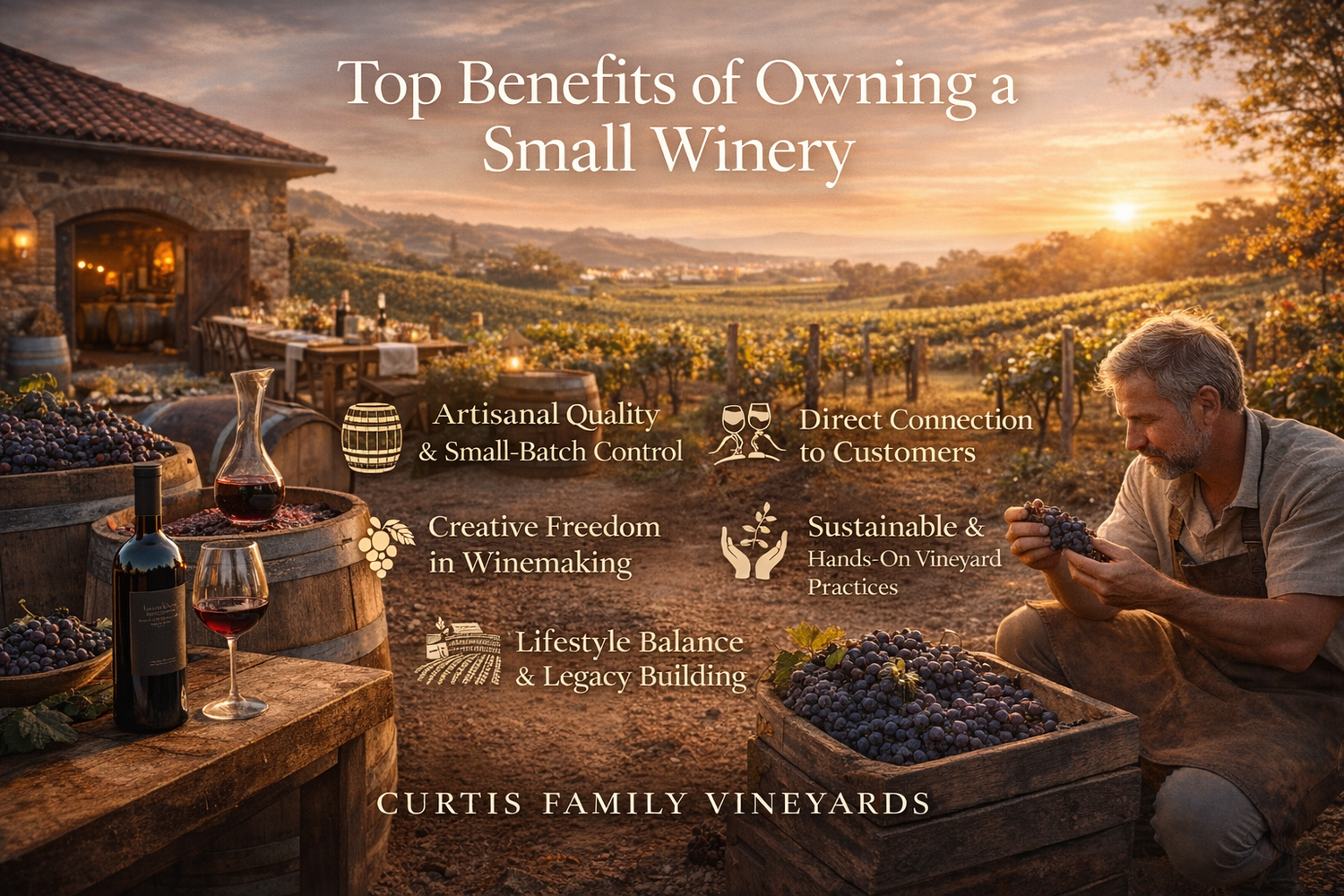
Introduction- Benefits of Owing a Small Winery
Small Winery culture is built on passion, patience, and people who truly know their land. At a small winery, every decision—from the vineyard to the bottle—is guided by hands-on experience rather than mass production targets. This close involvement allows winemakers to respond to each vintage, each block of vines, and even each fermentation batch with care and precision. It’s where science meets intuition, and where quality is always placed above quantity.
Unlike large-scale producers, a small winery has the freedom to focus on detail. Grapes are often grown locally or estate-grown, picked at peak ripeness, and handled gently to preserve natural flavour and character. Research from leading wine regions shows that smaller fermentations allow better temperature control and flavour development, which is why small wineries are often praised for their depth, balance, and regional expression.
For wine lovers, choosing a small winery means choosing authenticity. You’re not just tasting wine—you’re tasting the climate, the soil, and the decisions made by people who work closely with the vines year after year. This transparency, combined with sustainable practices and generational knowledge, builds trust and credibility, making small wineries a favourite among those who value craftsmanship, story, and genuinely memorable wine.

Advantages of owning a small winery in a premium region
Owning a small winery here is not just about producing wine it is about crafting identity. Boutique wineries thrive because they can do what large producers often cannot.
- Full creative control over style, blends, and ageing techniques
- Ability to experiment with limited release wines that attract collectors
- Direct connection with customers through cellar door experiences
- Stronger storytelling which builds trust and brand loyalty
This is where curiosity builds for many readers the idea that smaller can actually mean more valuable more exclusive and more respected.
From Mass Production to Meaningful Craft
Globally, the wine industry is seeing a shift towards craftsmanship. In regions like McLaren Vale, this transition is even more visible.
Instead of chasing volume, boutique wineries focus on:
- Precision winemaking
- Vineyard specific expressions
- Limited production runs
- Premium positioning
This approach not only improves wine like Legion Chardonnay and Legion Cabernet Sauvignon quality but also elevates the entire brand experience making every bottle feel intentional rather than industrial.

Advantages of owning a small winery
Owning a small winery is often seen as a business decision, but in reality, it becomes something far more personal. It is where craftsmanship meets lifestyle, and where every decision shapes the final glass. The real value lies not just in profit, but in control, connection, and creating something truly distinctive.
Creative Freedom That Large Wineries Can’t Match
One of the most compelling benefits is complete creative control. You are not tied to large scale production targets or rigid flavour profiles.
- Shape your own wine style from vineyard to bottle
- Experiment with blends, oak ageing, and fermentation techniques
- Release limited edition wines that tell a unique story
This freedom often leads to more expressive and character driven wines like Heritage Sparkling Blanc de blanc and Small Batch Riesling, something highly valued in premium markets.
Small Scale Wine Production Benefits
With smaller volumes comes a deeper connection to the vineyard. Every block, every vine, and every season matters.
- Greater focus on fruit quality rather than quantity
- Ability to highlight true terroir expression
- More hands on vineyard management and harvesting decisions
This close relationship with the land is what gives boutique wines their authenticity and sense of place.

A Lifestyle Built Around Passion Not Pressure
Unlike large commercial operations, small wineries often reflect the personality of the winemaker.
- Work that is driven by passion rather than production quotas
- A balanced lifestyle connected to nature and seasons
- Opportunities to engage directly with customers at cellar doors
This lifestyle element is a major reason many people are drawn to the industry, even from completely different careers.
Flexibility That Fuels Innovation
Small wineries have the advantage of being agile. They can adapt quickly to trends, climate conditions, and consumer preferences.
- Trial new varietals or techniques without major risk
- Adjust production based on seasonal variations
- Create niche wines for specific audiences
This flexibility often leads to innovation, helping boutique wineries stand out in a competitive market.

Premium Perception and Higher Value
In today’s wine market, smaller often means better. Consumers are willing to pay more for wines that feel exclusive and thoughtfully made.
Market Insight: Premium and ultra premium wines like Pasha Shiraz and Limited series Grenache continue to outperform volume wines globally, with buyers prioritising quality, origin, and story.
- Limited production increases exclusivity
- Strong storytelling enhances brand value
- Direct to consumer sales improve margins
This creates a powerful positioning where small wineries are not just competing, but leading in the premium segment.
In essence, the benefits of small winery ownership go far beyond financial returns. They offer creative fulfilment, lifestyle satisfaction, and the ability to craft wines that genuinely stand apart.
Small winery business profitability
At first glance, a small winery may seem limited in scale, but financially, it can be surprisingly powerful. The key lies in positioning not volume. Boutique wineries succeed by focusing on value per bottle rather than litres produced, creating a model that is lean, premium, and highly targeted.
Premium Pricing Starts with Smart Positioning
Small wineries are not competing with mass brands they are creating a niche.
- Limited production increases exclusivity and demand
- Wines can be positioned as premium or ultra premium
- Unique vineyard stories justify higher price points
This is why many boutique labels achieve stronger margins per bottle compared to large producers.
Direct to Consumer Wine Sales Benefits

One of the biggest advantages is cutting out the middle layer and building direct relationships.
- Higher profit margins without distributor markups
- Full control over pricing and brand experience
- Opportunities to build wine clubs and repeat sales
Industry Insight: Direct to consumer channels often deliver significantly higher margins, making them a core revenue driver for small wineries in Australia.
Boutique Winery Business Model Keeps Costs Lean
Unlike large scale operations, small wineries can operate with greater efficiency.
| Area | Small Winery Advantage |
|---|---|
| Production | Lower volumes reduce waste and storage costs |
| Staffing | Smaller teams with specialised roles |
| Infrastructure | No need for large industrial facilities |
| Inventory | Limited batches reduce overstock risk |
This lean approach allows owners to focus on quality while keeping overheads under control.
Brand Authenticity That Builds Real Value
Modern wine buyers are not just purchasing a product they are buying a story.
- Personal winemaker involvement builds trust
- Transparency in sourcing and production adds credibility
- Authentic narratives create emotional connection
This authenticity is difficult to replicate at scale, giving small wineries a clear branding edge.
Turning First Time Buyers into Loyal Advocates
The real long term advantage lies in customer loyalty. Small wineries can create experiences that people remember and return to.
- Personalised cellar door tastings
- Direct engagement through events and storytelling
- Consistent quality that builds trust over time
Curiosity often turns into connection and connection into loyalty. That is where small wineries quietly outperform larger brands.
In essence, the financial strength of a small winery is not built on volume but on smart strategy, strong branding, and meaningful customer relationships.
Wine tourism small winery advantages
Small wineries play a powerful role in shaping wine tourism, especially in regions like McLaren Vale where experience matters just as much as the wine itself. Visitors today are not just tasting wine they are seeking connection, stories, and memorable moments. This is where boutique wineries naturally stand out.
Turning Cellar Doors into Unforgettable Experiences
Unlike large commercial settings, small wineries offer something far more personal and immersive.
- One on one tastings guided by the winemaker or knowledgeable staff
- Story led experiences that bring each wine to life
- Exclusive access to limited release wines
This intimate setting often leaves a lasting impression, turning a simple visit into a memorable journey.
Benefits of small winery in South Australia tourism growth
McLaren Vale has become a hotspot for experiential travel, and small wineries are at the centre of it.
Tourism Insight: South Australia continues to see strong growth in wine tourism, with visitors increasingly prioritising boutique and local experiences over large scale venues.
- Travellers seek authentic, local, and premium experiences
- Boutique wineries align perfectly with this demand
- Regional tourism bodies actively promote smaller producers
This creates a steady flow of high intent visitors who are more likely to purchase and engage.
Building Strong Local Connections
Small wineries are deeply connected to their region, contributing to both economy and identity.
- Support local growers, artisans, and suppliers
- Participate in regional wine events and festivals
- Strengthen the reputation of McLaren Vale as a premium destination
These connections not only boost visibility but also build long term trust within the community.
Collaborations That Elevate the Experience
Partnerships with local businesses create a richer, more appealing offering for visitors.
- Pairing wines with local restaurants and chefs
- Joint events with boutique accommodation providers
- Curated food and wine experiences for tourists
These collaborations expand reach while enhancing the overall visitor experience.
Tourism as a Powerful Brand Builder
Every visitor becomes a potential ambassador for the brand.
- Word of mouth recommendations drive organic growth
- Social media sharing increases global visibility
- Memorable experiences encourage repeat visits and loyalty
Curiosity brings people in, but experience keeps them connected. For small wineries, tourism is not just an add on it is a key driver of both growth and brand strength.
In regions like McLaren Vale, the success of small wineries is closely tied to their ability to deliver meaningful, experience driven tourism that goes beyond the glass.
How to start a small winery

Starting a small winery sounds romantic, but behind every great bottle is a series of smart, well-planned decisions. The difference between a passion project and a successful winery often comes down to how well you prepare from day one.
Choosing the Right Site Is Everything
Your location will shape your wine before you even plant the first vine. In regions like McLaren Vale, site selection is a strategic advantage.
- Look for well-drained soils such as sandy loam or limestone
- Consider climate factors like sunlight, rainfall, and coastal influence
- Match grape varieties to the site for better yield and quality
A well-chosen site reduces risk and enhances long-term wine quality.
Cost to start a small winery
One of the biggest questions is investment. While costs vary, clarity early on helps avoid surprises.
| Area | Estimated Focus |
|---|---|
| Land and vineyard setup | Major upfront investment |
| Equipment | Fermentation tanks, barrels, crushers |
| Licensing and compliance | Mandatory legal costs |
| Branding and marketing | Essential for market entry |
Insight: Many successful boutique wineries begin small, scaling production gradually rather than overinvesting upfront.
Understanding Legal and Compliance Requirements
In Australia, wineries must meet strict regulatory standards to operate legally and maintain quality.
- Obtain necessary wine production and sales licences
- Follow labelling and export regulations
- Ensure compliance with food safety and environmental standards
Getting this right builds credibility and protects your brand from the start.
Essential Equipment for Small Scale Production
You do not need a massive facility to begin, but you do need the right tools.
- Fermentation tanks suited to your batch size
- Oak barrels or alternatives for ageing
- Crushing and pressing equipment
- Temperature control systems for consistent quality
Starting with the essentials allows flexibility while maintaining production standards.
Understanding Terroir and Grape Selection
This is where science meets intuition. The success of your winery depends heavily on how well your grapes match your environment.
- Study soil composition and vineyard microclimates
- Choose varietals that thrive locally such as Shiraz in McLaren Vale
- Focus on quality fruit rather than high yields
This connection between land and grape is what defines premium wine.
Planning for Long Term Sustainability
Starting a winery is not a quick return business it is a long term commitment.
- Budget for at least 3 to 5 years before strong returns
- Consider sustainable practices to reduce long term costs
- Build a brand alongside production not after
Curiosity often draws people into the wine business, but preparation is what turns that curiosity into a lasting and successful venture.
In essence, starting a small winery requires more than passion it demands planning, patience, and a deep understanding of both land and market.
Steps to start a winery business

Turning a vision into your first vintage is where passion meets precision. This journey is not about rushing to market, but about making the right moves at the right time. Each step builds the foundation for a wine that people will remember.
Define Your Wine Style and Business Direction
Before planting vines or buying equipment, clarity is key.
- Decide your core varietal focus such as Shiraz or Grenache
- Choose between premium boutique or volume driven positioning
- Align your wine style with your target audience
This early direction shapes everything from vineyard decisions to branding.
Small scale wine production benefits
Starting small gives you control and reduces risk in the early stages.
- Begin with manageable volumes to maintain quality
- Source premium grapes if vineyard setup is not immediate
- Focus on consistency rather than expansion
Many respected McLaren Vale producers began by sourcing fruit before establishing their own vineyards, allowing them to build reputation first.
Build a Brand That Feels Authentic
In today’s market, your story is as important as your wine.
- Create a brand identity rooted in place and philosophy
- Highlight your winemaking approach and values
- Keep messaging clear, honest, and consistent
This is what turns a bottle into an experience that customers connect with.
Set Up Smart Distribution Channels
Getting your wine into the right hands is critical.
- Direct to consumer sales through cellar door and online
- Partner with select restaurants and boutique retailers
- Build a wine club for recurring revenue
A balanced approach ensures both reach and profitability.
Launch Your First Vintage with Impact
Your first release is more than a product it is your introduction to the market.
- Share the journey from vineyard to bottle
- Offer tastings and small events to build buzz
- Use storytelling to create curiosity and demand
Mclaren Vale Wines with a strong origin story and limited release often attract higher engagement and faster sell through.
From First Bottle to Lasting Brand
The journey does not end at launch. It evolves with every vintage.
- Gather feedback and refine your approach
- Stay consistent in quality and brand voice
- Grow slowly while protecting your boutique identity
Curiosity may bring people to try your first vintage, but authenticity and quality are what keep them coming back.
This step by step path shows that success in a small winery is not accidental it is carefully crafted, just like the wine itself.
Benefits of small winery for long term growth

Building a small winery is not just about today’s vintage it is about creating something that lasts. The real advantage lies in staying future ready while protecting the craftsmanship that makes boutique wines so valuable. Sustainability, adaptability, and smart growth are the keys to long term success.
Sustainable Practices That Add Real Value
Modern wine consumers are more conscious than ever. Sustainability is no longer optional it is expected.
- Use organic or low intervention vineyard practices
- Reduce water usage through efficient irrigation systems
- Adopt eco friendly packaging and production methods
Industry Insight: Australian wineries embracing sustainable practices are seeing stronger brand trust and increased appeal in premium export markets.
Growing Without Losing Quality
One of the biggest challenges is scaling without compromising what makes your wine special.
- Expand production gradually rather than rapidly
- Maintain strict quality control at every stage
- Keep small batch techniques even as demand grows
This balance is what separates enduring wineries from short lived ones.
Boutique winery branding benefits in the digital age
Digital platforms have changed how small wineries connect with customers.
- Build a strong online presence through storytelling and visuals
- Create wine clubs that offer exclusive access and loyalty rewards
- Use email and social media to stay connected with your audience
These tools allow small wineries to compete globally without needing large marketing budgets.
Adapting to Changing Consumer Preferences

Wine trends are constantly evolving, and flexibility is a major advantage for small producers.
- Respond quickly to demand for organic, vegan, or low alcohol wines
- Experiment with new varietals or styles
- Offer personalised and experience driven products
This adaptability keeps your brand relevant and exciting.
Scaling Smart While Staying Boutique
Growth does not mean becoming industrial. The goal is to expand while keeping your identity intact.
| Focus Area | Smart Approach |
|---|---|
| Production | Increase volume in controlled batches |
| Branding | Keep storytelling authentic and personal |
| Customer Experience | Maintain direct engagement |
| Distribution | Stay selective to protect premium positioning |
Future Ready Means Experience Driven
The wineries that succeed long term are those that go beyond the bottle.
- Offer immersive cellar door experiences
- Build emotional connections through storytelling
- Turn customers into loyal advocates
Curiosity may attract new buyers, but sustainability, authenticity, and experience are what secure your future.
A small winery built with intention does more than produce wine it creates a legacy that can grow, adapt, and thrive for generations.
Embrace Technology and Marketing

Leverage modern technology for winemaking and operations to enhance productivity and quality. Similarly, embracing digital marketing and creating an engaging online presence can attract a broader audience and boost your brand's visibility.
Legal and Financial Considerations
Finally, navigate the necessary legal and financial hurdles effectively. Ensuring compliant practices, proper licensing, and prudent financial management is crucial for long-term success.
Embarking on owning a small winery is a rewarding yet complex journey. The joys of wine production, nature connection, and community engagement make it an endeavour worth pursuing. Visit Curtis Family Vineyards today to explore our offerings and gather inspiration for your own winemaking adventure.
