

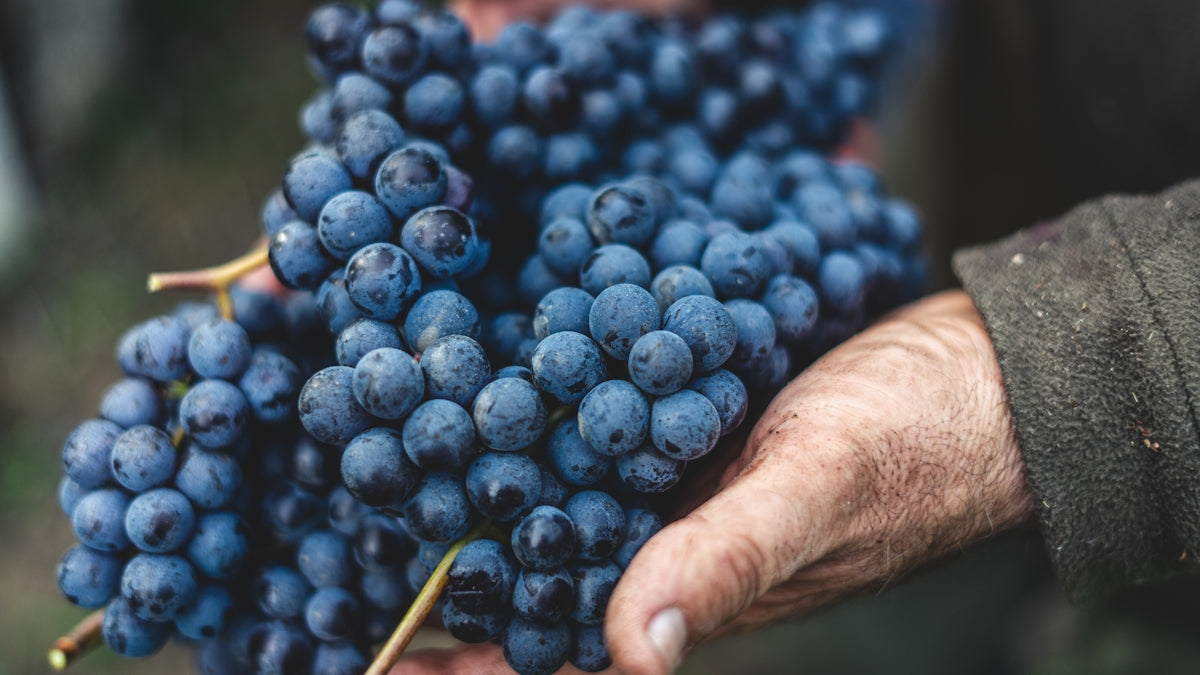
For those passionate about the art of winemaking, understanding the nuances between excellence and errors is key. Whilst the journey can be rewarding, it sometimes comes with its share of pitfalls. From fermentation issues to undesirable flavour profiles, here are some common winemaking mistakes and how to rectify them.
1. Fermentation Failures
One of the most frustrating problems a winemaker can face is a stuck fermentation. This typically happens when yeast does not convert sugar to alcohol properly — often due to temperature fluctuations or nutrient deficiencies.
Solution: Maintain a consistent temperature suitable for your yeast type. If the fermentation stalls, re-inoculate with a robust yeast strain and consider adding a yeast nutrient to kick-start the process.
To prevent such issues and ensure a smooth fermentation phase, the Curtis Ancestor Shiraz represents a perfect blend derived through careful attention to fermentation, yielding rich and nuanced notes.
2. Oxidation
Exposing wine to excessive oxygen can lead to an unwanted vinegar taste, which can be quite disappointing after months of diligent winemaking efforts.
Solution: Ensure all tanks, barrels, and bottles are adequately sealed. Implement inert gas like argon or nitrogen to top off barrels that may have headspace.
For a wine that showcases the successful prevention of oxidation, the Cavaliere Shiraz exemplifies vibrant flavours preserved through expert management of oxidation.
3. Unintended Flavour Profiles
At times, the wine may develop off-flavours due to various factors such as unwanted bacteria or incorrect storage conditions.
Solution: Use sanitary equipment and maintain a clean winemaking environment. Invest in high-quality oak barrels and store the wine in a controlled environment away from strong odours.
The Heritage Shiraz aptly showcases how selecting quality ingredients and meticulous ageing can lead to a harmonious bouquet of flavours.
4. Overly Tannic or Bitter Wine
This may occur if the wine has been left on the grape skins for too long, or if low-quality tannin sources have been used.
Solution: Monitor the maceration period closely and opt for French or American oak barrels which impart smoother, more balanced tannins over time.
Winemakers inspired by a balanced composition can look to the Limited Series Grenache. This product demonstrates a perfect blend, achieving a delightful tannin profile suited for an elegant finish.
In conclusion, while winemaking can pose its challenges, solutions are always at hand. By learning from these mistakes, you can transform them into learning opportunities and continue crafting remarkable wines. For more guidance and inspiration, visit Curtis Family Vineyards. Explore our range and discover wines curated to perfection.

Leave a comment
This site is protected by hCaptcha and the hCaptcha Privacy Policy and Terms of Service apply.