

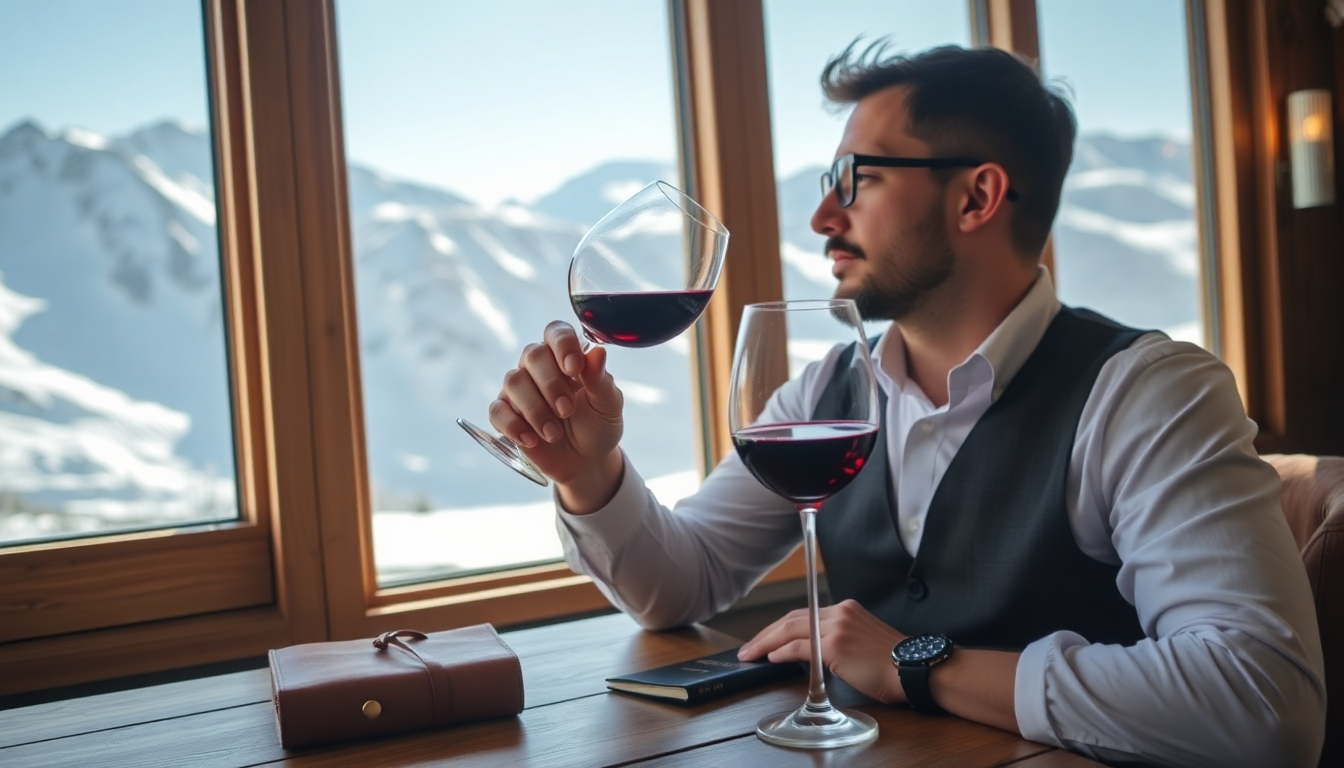
Wine is one of the most complex and nuanced beverages in the world, with thousands of variables influencing its flavor profile at any given moment. Yet, many wine enthusiasts have experienced a peculiar phenomenon: a wine that tasted absolutely magnificent in one location tastes noticeably different when consumed elsewhere. This experience is particularly pronounced when traveling to high-altitude destinations or moving between different geographical locations. At Curtis Family Vineyards, we've encountered countless visitors who've noticed these differences, and it's a question that deserves a thorough exploration.
The experience of wine tasting differently at altitude or while traveling is not merely a matter of perception or imagination. There are legitimate scientific, physiological, and environmental factors that genuinely alter how we perceive wine's flavors, aromas, and overall character. Understanding these factors can enhance your appreciation of wine and help you make the most of your wine experiences, whether you're enjoying a glass at home or exploring vineyards in distant lands.
The Science Behind Altitude and Wine Perception
How Altitude Affects Our Sensory Perception
When you travel to high-altitude locations, your body undergoes significant physiological changes. The most immediate change is a reduction in atmospheric pressure and oxygen availability. At sea level, the atmospheric pressure is approximately 101.3 kilopascals, but this decreases substantially as elevation increases. For every 1,000 meters of elevation gain, atmospheric pressure drops by roughly 12 percent.
This reduction in atmospheric pressure has a direct impact on how our sensory organs function. Our sense of smell, which is responsible for approximately 80 to 90 percent of what we perceive as taste, becomes less efficient at higher altitudes. The olfactory receptors in our nasal passages rely on volatile compounds from food and beverages to create the sensations we interpret as flavor. At altitude, these volatile compounds disperse more readily into the thinner air, making them less concentrated in the space where our olfactory receptors can detect them.
Furthermore, the reduced oxygen availability at altitude can cause mild hypoxia, a condition where your body doesn't receive enough oxygen. This physiological stress can dull your sensory perception overall. Your body prioritizes essential functions like maintaining heart rate and blood pressure, potentially diverting resources away from non-essential sensory processing. This means that the subtle nuances in wine that you might detect at sea level become harder to perceive at altitude.
The Role of Humidity and Air Pressure
Humidity levels also change with altitude, and this has implications for how volatile compounds from wine reach your olfactory receptors. At higher altitudes, the air is typically drier, which can affect the volatility of aromatic compounds. Some of the delicate floral and fruity notes in wine depend on specific humidity levels to be properly perceived. When the air is drier, these compounds may evaporate too quickly or not reach your nose in the optimal concentration.
Additionally, the lower air pressure at altitude means that volatile compounds escape from your wine glass more readily. This is why wine served at high altitude may seem to lose its aromatic intensity more quickly than wine served at sea level. The bouquet that develops over time in a glass of wine at lower elevations may dissipate almost immediately at higher elevations.
Physiological Changes During Travel and Altitude Adjustment
Acclimatization and Its Effects on Taste
When you first arrive at a high-altitude destination, your body hasn't yet acclimatized to the new conditions. Acclimatization is the process by which your body adjusts to the reduced oxygen availability. This process typically takes several days to a week, depending on the altitude and individual factors.
During the acclimatization period, you may experience various symptoms including headaches, fatigue, dizziness, and nausea. These symptoms are collectively known as acute mountain sickness. Importantly, these physiological stresses can significantly impact your sensory perception. Your taste buds and olfactory system are less responsive when your body is under stress and struggling to maintain adequate oxygen levels.
Research has shown that people with acute mountain sickness report diminished taste perception. This is partly due to the physiological stress and partly due to changes in saliva production. Saliva plays a crucial role in taste perception because it dissolves taste compounds and carries them to taste receptors on your tongue. At altitude, many people experience dry mouth, which reduces saliva production and therefore diminishes taste perception.
Dehydration at Altitude
Altitude exposure causes increased water loss through respiration and perspiration. The dry air at high elevations accelerates evaporation from your skin and respiratory tract. This dehydration can have profound effects on your sensory perception. When you're dehydrated, your taste buds become less sensitive, and your mouth produces less saliva, both of which diminish your ability to perceive the subtle flavors in wine.
Interestingly, many travelers don't realize they're becoming dehydrated at altitude because the dry air causes perspiration to evaporate so quickly that they don't notice they're sweating. This insidious dehydration can persist for days, continuously affecting your wine tasting experience.
Environmental Factors That Influence Wine Taste While Traveling
Temperature Variations
Temperature is one of the most critical factors affecting how wine tastes. Different wines are meant to be served at specific temperatures to showcase their best characteristics. A wine that tastes balanced and complex at 55 degrees Fahrenheit might taste flat and unpleasant at 70 degrees Fahrenheit, or overly cold and muted at 45 degrees Fahrenheit.
When traveling, you often have less control over the temperature at which wine is served. A wine served in a warm restaurant in a tropical destination will taste noticeably different from the same wine served in a cool wine bar in a temperate climate. Temperature affects the volatility of aromatic compounds, the perception of tannins, and the overall balance of flavors in wine.
Additionally, temperature fluctuations during travel can affect the wine itself. If a bottle of wine is exposed to heat during transportation, the wine can actually change chemically. Heat accelerates the aging process and can cause oxidation, which fundamentally alters the wine's flavor profile. This is why wine collectors are so careful about temperature control during storage and transportation.
Light Exposure
Light, particularly ultraviolet light, can damage wine and alter its flavor. This phenomenon is called light strike or lightstrike. When wine is exposed to UV light, it can develop unpleasant aromas reminiscent of wet cardboard or cooked cabbage. This is caused by a chemical reaction between the light and compounds in the wine.
During travel, wine may be exposed to more light than it would be in a carefully controlled home cellar. If you're traveling to a sunny destination and purchasing wine there, or if your wine is exposed to sunlight during transportation, it may have undergone light-induced changes that affect its taste.
Atmospheric Pressure and Carbonation
At lower atmospheric pressure, dissolved gases in liquids become less stable. This means that at high altitude, carbonation in sparkling wines and champagnes will dissipate more quickly. A sparkling wine that has a persistent, fine bubble structure at sea level might lose its effervescence noticeably faster at altitude.
This change in carbonation affects not just the mouthfeel of the wine but also its flavor perception. The bubbles in sparkling wine interact with taste receptors and contribute to the overall sensory experience. With fewer bubbles, the wine tastes flatter and less complex.
The Psychological and Contextual Factors
The Power of Expectation and Context
Our perception of taste is not purely physiological; it's also heavily influenced by psychological factors. The context in which we consume wine—the setting, our expectations, our mood, and even the price we believe we paid—all influence how we perceive its taste.
When you travel to a wine region, you often have heightened expectations. You might be visiting a prestigious vineyard, tasting wine in a beautiful setting, or experiencing wine in the context of a special occasion. These positive contextual factors can enhance your perception of the wine's quality. Conversely, if you're tired from travel, stressed, or in an uncomfortable setting, your perception of the same wine might be diminished.
This phenomenon is well-documented in wine research. Studies have shown that people rate the same wine more highly when they believe it's expensive or when they taste it in an aesthetically pleasing environment. The brain's reward centers are activated more strongly by wine consumed in positive contexts, which can actually enhance the sensory experience.
The Influence of Suggestion and Social Factors
When you're traveling with others or in a group wine tasting, the opinions and suggestions of those around you can influence your own perception. This is called social facilitation or, in some cases, conformity bias. If a wine guide or fellow traveler suggests that a wine has notes of blackberry and leather, you're more likely to perceive those flavors, even if they're subtle or absent.
This isn't necessarily a negative thing. Wine appreciation is partly about learning to identify and appreciate subtle flavors, and guidance from knowledgeable sources can enhance your experience. However, it's important to be aware that your perception is being influenced by external suggestions.
How Jet Lag and Travel Fatigue Affect Wine Tasting
Circadian Rhythm Disruption
Jet lag occurs when your body's internal circadian rhythm becomes misaligned with the local time zone. This disruption affects numerous physiological processes, including digestion, hormone production, and sensory perception. When you're experiencing jet lag, your body is essentially confused about what time it is, and this confusion extends to your sensory systems.
Research has shown that circadian rhythm disruption impairs taste perception. Your taste buds are more sensitive at certain times of day, and when your circadian rhythm is disrupted, this sensitivity pattern becomes erratic. You might find that wine tastes different depending on what time of day you taste it, and this effect is amplified when you're jet-lagged.
Additionally, jet lag often causes sleep deprivation, which has well-documented effects on sensory perception. Sleep-deprived individuals show reduced sensitivity to taste and smell. This is why wine tasted after a long flight might seem less flavorful than the same wine tasted after a good night's sleep.
Fatigue and Sensory Sensitivity
Travel fatigue, whether from jet lag or simply from the exhaustion of traveling, reduces your overall sensory sensitivity. When you're tired, your brain has fewer cognitive resources available for processing sensory information. This means that subtle flavors and aromas in wine become harder to detect and appreciate.
Furthermore, fatigue affects your mood and emotional state, which in turn affects your perception of taste. Wine tasted when you're exhausted and irritable will taste different from the same wine tasted when you're well-rested and in a good mood. The emotional context influences how your brain processes sensory information.
The Impact of Dietary Changes While Traveling
Different Foods and Flavor Interactions
When you travel, your diet often changes significantly. You might be eating different cuisines, different ingredients, and different flavor profiles than you're accustomed to. These dietary changes can affect how wine tastes through several mechanisms.
First, the foods you eat immediately before or with wine can interact with the wine's flavors. Certain foods can enhance or diminish the perception of specific wine characteristics. For example, fatty foods can soften the perception of tannins in red wine, while acidic foods can make wine taste less acidic. If you're eating different foods while traveling, the wine will taste different in combination with those foods.
Second, your palate becomes accustomed to the flavors you regularly consume. If you suddenly switch to a different cuisine, your palate needs time to adjust. This adjustment period can affect how you perceive wine. A wine that seemed balanced with your home cuisine might seem too acidic or too tannic when paired with unfamiliar foods.
Spice and Flavor Intensity
Many travel destinations feature cuisines with different levels of spice and flavor intensity than what you might be accustomed to. Consuming spicy or intensely flavored foods can temporarily alter your taste perception. Capsaicin from chili peppers, for example, can numb your taste buds temporarily, making subsequent wine tasting less sensitive.
Additionally, if you're eating very flavorful foods, your palate becomes adapted to those intense flavors. When you then taste wine, which has more subtle flavors, it might seem less flavorful by comparison. This is called sensory adaptation, and it's a normal physiological response.
Water Quality and Mineral Content
The Role of Water in Wine Perception
Water quality varies significantly around the world, and this can affect how you perceive wine. The mineral content of water, its pH, and its chlorine content can all influence your sensory perception.
When you drink water with different mineral content than you're accustomed to, it can affect your palate. Hard water with high mineral content, for example, can leave a different sensation in your mouth than soft water. This sensation can linger and affect how you perceive subsequent wine tastings.
Additionally, if the local water has a strong chlorine taste or smell, this can interfere with your ability to perceive wine's subtle aromas. Chlorine is a volatile compound that can mask or interact with the aromatic compounds in wine.
Hydration and Palate Cleansing
The water you use to cleanse your palate between wine tastings can affect your perception. If you're using water with different mineral content or temperature than you're accustomed to, it might not cleanse your palate as effectively. This means that residual flavors from previous tastings might linger and affect your perception of subsequent wines.
The Specific Effects of High-Altitude Wine Regions
Tasting Wine in Its Native Altitude
Interestingly, when you visit a wine region and taste wine at the altitude where it was produced, the wine often tastes different from how it tastes at sea level. This is partly because the winemakers have crafted the wine with the local altitude in mind.
High-altitude wine regions, such as those in the Andes Mountains or the high plateaus of Central Asia, produce wines with specific characteristics adapted to their environment. These wines might have higher acidity or different tannin structures to account for the altitude conditions. When you taste these wines at altitude, they taste balanced and correct. When you take the same wine to sea level, it might taste too acidic or have an unusual balance.
The Terroir Effect at Altitude
Terroir refers to the environmental conditions that affect wine production, including altitude, soil, climate, and water availability. High-altitude terroir creates unique conditions that produce wines with distinctive characteristics. When you taste wine in its native terroir, you're experiencing it in the context for which it was created.
However, this doesn't fully explain why wine tastes different at altitude, because the wine itself has already been produced and bottled. The difference is primarily in how your sensory system perceives the wine under different atmospheric conditions.
Practical Tips for Wine Tasting While Traveling
Allowing Time for Acclimatization
If you're traveling to a high-altitude destination, allow several days for your body to acclimatize before conducting serious wine tastings. During the acclimatization period, your sensory perception will be compromised, so any tasting notes you make might not be reliable.
Once you've acclimatized, your sensory perception will improve significantly. You'll be able to detect subtle flavors and aromas that might have been imperceptible during your first days at altitude.
Maintaining Proper Hydration
Staying well-hydrated is crucial for maintaining sensory perception while traveling. Drink plenty of water throughout the day, especially at altitude where dehydration occurs more readily. Proper hydration will help maintain your taste and smell sensitivity.
However, be careful not to drink too much water immediately before wine tasting, as this can dilute your saliva and affect taste perception. Drink water between tastings to cleanse your palate, but not so much that your mouth becomes overly wet.
Controlling Temperature
When possible, ensure that wine is served at the appropriate temperature for its type. If you're tasting wine in a warm environment, ask for the wine to be chilled appropriately. If you're in a cold environment, allow red wine to warm slightly before tasting.
If you're purchasing wine to take home, be mindful of temperature exposure during travel. Keep wine in insulated bags or coolers to protect it from temperature fluctuations.
Timing Your Tastings
Schedule wine tastings when you're well-rested and alert. Avoid tasting wine when you're jet-lagged or exhausted from travel. If possible, taste wine in the morning or early afternoon when your sensory perception is typically at its peak.
Also, be mindful of what you eat before wine tasting. Avoid very spicy or intensely flavored foods immediately before tasting, as these can affect your palate.
Taking Detailed Notes
When tasting wine while traveling, take detailed notes about the conditions under which you're tasting. Note the altitude, temperature, time of day, your physical state, what you've eaten, and any other relevant factors. These notes will help you understand why a wine tasted different than expected.
When you return home and taste the same wine again, you can compare your notes and understand how the travel conditions affected your perception.
The Science of Wine Aroma at Different Altitudes
Volatile Organic Compounds and Altitude
Wine's aroma comes from volatile organic compounds, or VOCs. These are molecules that evaporate easily and reach your olfactory receptors. The concentration of VOCs in the air above a glass of wine depends on several factors, including temperature, atmospheric pressure, and the specific compounds present.
At high altitude, where atmospheric pressure is lower, VOCs escape from the wine

Leave a comment
This site is protected by hCaptcha and the hCaptcha Privacy Policy and Terms of Service apply.