

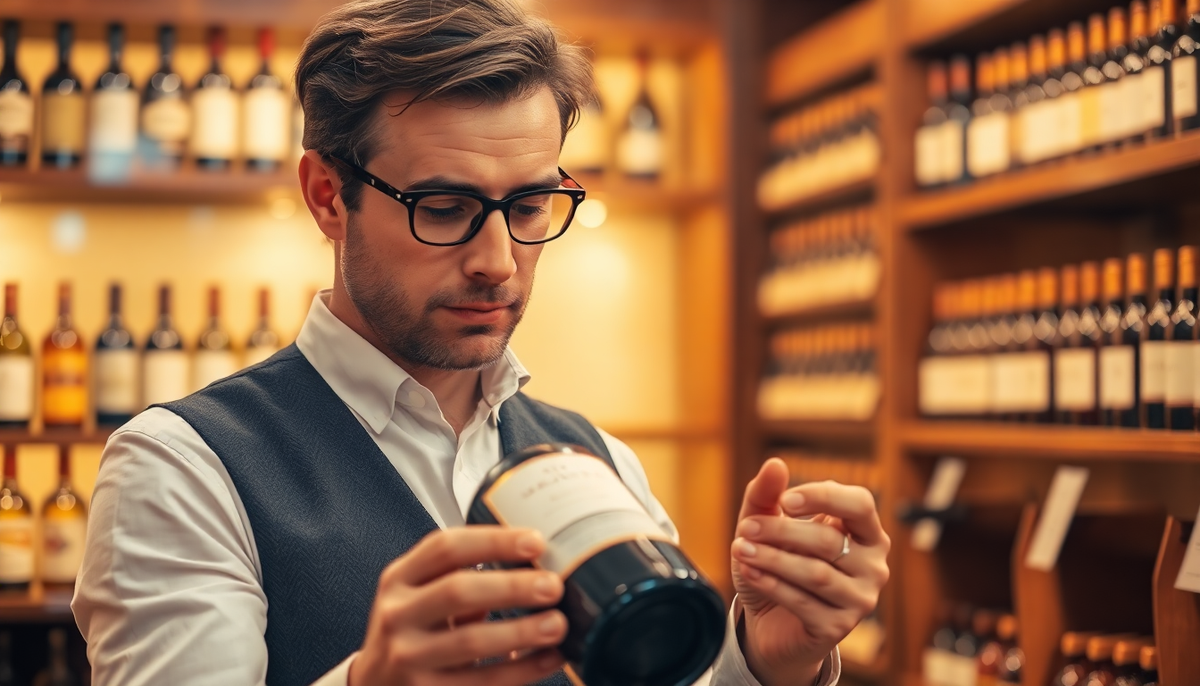
When you walk into a wine shop or browse an online wine retailer, you'll notice that prices can vary dramatically. A bottle of wine might cost $15, $50, $150, or even thousands of dollars. Many consumers wonder what justifies these price differences. Is an expensive wine really ten times better than a cheaper one? What exactly are you paying for when you purchase a bottle of wine? At Curtis Family Vineyards, we believe in transparency and education, helping our customers understand the true value behind wine pricing. This comprehensive guide will explore the various factors that influence wine prices and help you make informed purchasing decisions.
The Basics of Wine Pricing
Wine pricing is far more complex than most people realize. Unlike many consumer products where price correlates directly with production costs, wine pricing involves numerous intangible factors that can dramatically affect the final retail price. Understanding these factors will help you appreciate why certain wines command premium prices and why others offer exceptional value.
Production Costs and Vineyard Management
The foundation of wine pricing begins in the vineyard. Quality wine production starts with quality grapes, and producing quality grapes requires significant investment and expertise. Vineyard management involves numerous decisions that directly impact both the quality of the fruit and the cost of production.
Vineyard owners must invest in proper soil management, which may include regular testing, amendment, and careful monitoring of pH levels and nutrient content. Some vineyards practice organic or biodynamic farming, which eliminates synthetic pesticides and fertilizers, requiring more labor-intensive management practices. These sustainable approaches often result in higher production costs but can produce grapes with more complex flavor profiles.
Irrigation systems represent another significant investment. In regions where rainfall is inconsistent, sophisticated irrigation systems must be installed and maintained to ensure consistent grape quality. Some premium vineyards use drip irrigation systems that allow precise water management, optimizing grape development while conserving water resources.
Canopy management is another labor-intensive aspect of vineyard care. This involves pruning, leaf removal, and shoot positioning to ensure optimal sun exposure and air circulation around the grape clusters. Hand labor for these tasks is expensive, but it allows for precise control over grape ripeness and quality. Mechanical canopy management is cheaper but less precise, which is why premium wines often come from vineyards with extensive hand labor.
Pest and disease management also contributes to production costs. While synthetic pesticides are cheaper, many quality-focused vineyards use integrated pest management or organic approaches, which require more frequent monitoring and intervention. The cost of these programs is reflected in the final wine price.
Harvest Decisions and Timing
The timing of harvest is crucial for wine quality and significantly impacts production costs. Grapes can be harvested at different ripeness levels, each producing different wine styles and quality levels. Premium winemakers often wait for optimal ripeness, which may mean harvesting later in the season when labor costs are higher and the risk of weather damage increases.
Some vineyards practice selective harvesting, where only the ripest grapes are picked, leaving less ripe fruit for later harvesting or leaving it on the vine entirely. This selective approach requires significantly more labor and results in lower yields, both of which increase the per-bottle cost of production.
Hand harvesting is considerably more expensive than mechanical harvesting, but it allows for greater selectivity and gentler handling of the fruit. Premium wines almost always come from hand-harvested grapes, which adds substantially to production costs.
Winemaking Techniques and Equipment
Once grapes arrive at the winery, the winemaking process begins, and this is where significant costs accumulate. The decisions made during winemaking profoundly affect both the quality and the cost of the final product.
Fermentation Methods and Vessels
The choice of fermentation vessel significantly impacts wine quality and cost. Stainless steel tanks are relatively inexpensive and allow for precise temperature control, making them ideal for producing clean, fruit-forward wines. However, oak barrels, which are much more expensive, impart complex flavors and allow for subtle oxidation that can enhance wine complexity.
French oak barrels, considered the gold standard in winemaking, can cost $800 to $3,000 per barrel, depending on the cooperage and quality. A single barrel produces approximately 25 cases of wine, so the barrel cost alone adds $30 to $120 per case to production expenses. Premium winemakers often use new oak barrels for their wines, while value wines might use neutral or used barrels, or skip oak aging entirely.
The type of yeast used in fermentation also affects cost and quality. Commercial yeast strains are inexpensive and reliable, while wild fermentations using native yeasts are riskier but can produce more complex wines. Some winemakers use multiple yeast strains or conduct co-fermentations, all of which increase production complexity and cost.
Aging and Maturation
The length of time a wine spends aging before release significantly impacts its price. Wines aged for longer periods require more storage space, more careful monitoring, and more capital tied up in inventory. A wine aged for three years in barrel and bottle costs considerably more to produce than a wine released after six months, simply due to the extended storage and monitoring requirements.
During aging, wines may be racked multiple times, a labor-intensive process where wine is transferred from one barrel to another to separate it from sediment. Each racking involves oxidation risk and potential loss of wine, adding to production costs. Premium wines might be racked six or more times, while value wines might be racked only once or twice.
Barrel maintenance is another ongoing cost. Barrels must be cleaned, monitored for leaks, and topped up regularly to prevent oxidation. Some barrels develop flaws and must be replaced, representing a total loss. These ongoing maintenance costs are factored into the final wine price.
Blending and Assemblage
The art of blending wines from different lots, barrels, or vineyards is a crucial step in winemaking that affects both quality and cost. Premium winemakers spend considerable time tasting and blending wines to achieve their desired final product. This process requires expertise, time, and often results in some wine being set aside for future blends or being sold off at lower prices, all of which increases the cost of the final blended wine.
Vineyard Location and Terroir
The concept of terroir, which encompasses the soil, climate, and geography of a vineyard, is fundamental to wine pricing. Certain regions have established reputations for producing exceptional wines, and wines from these regions command premium prices.
Prestigious Wine Regions
Wines from famous regions like Bordeaux, Burgundy, Napa Valley, and Tuscany typically cost more than wines from lesser-known regions, even if the quality is comparable. This premium reflects the established reputation of these regions, the consistency of quality they've demonstrated over decades or centuries, and the demand from collectors and enthusiasts.
The cost of land in prestigious wine regions is substantially higher than in emerging regions. A vineyard in Napa Valley's Cabernet Sauvignon heartland might cost ten times more per acre than a comparable vineyard in a less established region. These land costs are reflected in wine prices, as producers must generate sufficient revenue to justify their investment.
Climate and Growing Conditions
The climate of a vineyard location affects both the quality of grapes produced and the consistency of production. Regions with ideal growing conditions that reliably produce ripe, high-quality grapes command premium prices. Conversely, regions with challenging growing conditions might produce exceptional wines in good years but struggle in difficult years, creating price volatility.
Some regions have microclimates that are particularly suited to specific grape varieties. These microclimates are highly valued and reflected in higher land prices and wine prices. For example, certain hillside locations in Burgundy produce Pinot Noir of unparalleled quality, and wines from these specific locations command extraordinary prices.
Brand Recognition and Producer Reputation
The reputation of the winemaker and the winery significantly impacts wine pricing. Established producers with long histories of quality command premium prices, while new or lesser-known producers must price their wines lower to gain market acceptance, even if the quality is comparable.
Producer Track Record
Winemakers with decades of experience and consistent track records of producing excellent wines can charge premium prices. Collectors and enthusiasts are willing to pay more for wines from producers they trust. This trust is built over years or decades of consistent quality, and it represents real value to consumers who want assurance that they're purchasing a quality product.
Conversely, new producers must often price their wines below what they might eventually command, simply to build reputation and gain market acceptance. This creates opportunities for savvy consumers to discover excellent wines at reasonable prices before the producer becomes famous and prices increase.
Awards and Critical Recognition
Wines that receive high scores from influential critics or win prestigious awards often see significant price increases. A wine that receives a 95-point score from a major wine publication might see its price increase by 50% or more, even though the wine itself hasn't changed. This reflects the market's willingness to pay for wines that have been validated by trusted authorities.
However, it's important to note that critical scores are subjective, and a wine that scores 90 points might be nearly as good as one that scores 95 points, but significantly cheaper. Savvy consumers can find excellent value by seeking out wines with slightly lower scores or from producers who haven't yet achieved widespread critical recognition.
Bottle Design and Packaging
The physical presentation of wine, including the bottle, label, and packaging, contributes to its price. While this might seem superficial, packaging serves important functions and reflects the producer's commitment to quality.
Bottle Quality and Design
Premium wines typically come in heavier bottles made from higher-quality glass. These bottles provide better protection against light and temperature fluctuations, helping preserve the wine's quality over time. The weight and quality of the bottle also conveys a sense of premium quality to consumers, influencing their perception of value.
Some producers use distinctive bottle shapes or colors that become associated with their brand. Burgundy bottles, with their sloped shoulders, are iconic and associated with Pinot Noir and Chardonnay. Bordeaux bottles, with their higher shoulders, are associated with Cabernet Sauvignon and Merlot. These distinctive shapes add to production costs but enhance brand recognition and perceived quality.
Labels and Capsules
The design and printing of labels can be surprisingly expensive, especially for premium wines. High-quality label printing, embossing, and special finishes add to production costs. Some premium wines feature hand-applied labels or special capsule designs that further increase costs.
The capsule, the foil covering the top of the bottle, might seem like a minor detail, but premium producers often use high-quality capsules made from tin or other materials that convey quality and protect the cork. These details accumulate to create a premium presentation that justifies higher prices.
Distribution and Retail Markup
The journey from winery to consumer involves multiple intermediaries, each adding their margin to the final price. Understanding this distribution chain helps explain why wines cost more at retail than at the winery.
Wholesale Distribution
Most wines pass through a three-tier distribution system in the United States, where the winery sells to a distributor, the distributor sells to a retailer, and the retailer sells to the consumer. Each tier typically adds a markup of 30-50%, meaning that a wine with a $10 wholesale price might retail for $20-25.
In other countries, the distribution system varies, but the principle remains the same: multiple intermediaries add their margins, increasing the final retail price. Some producers bypass traditional distribution by selling directly to consumers through their websites or tasting rooms, allowing them to offer lower prices or capture higher margins.
Retail Markup
Retail wine shops typically mark up wines by 30-50% from their wholesale cost. This markup covers the retailer's operating expenses, including rent, staff, utilities, and inventory carrying costs. Specialty wine shops with knowledgeable staff and carefully curated selections often have higher markups than large retailers, reflecting their higher operating costs.
Online retailers often have lower markups than brick-and-mortar shops, as they have lower overhead costs. However, shipping costs can offset these savings, especially for customers in states with restrictive alcohol shipping laws.
Rarity and Collectibility
Some wines become more valuable over time, and this collectibility factor significantly impacts pricing. Wines from exceptional vintages, limited production wines, and wines from prestigious producers often appreciate in value, making them attractive investments as well as beverages.
Limited Production
Wines produced in small quantities are inherently rarer and more valuable than wines produced in large quantities. A wine produced in only 500 cases will be more difficult to find and more valuable than a wine produced in 50,000 cases, all else being equal. Producers of limited-production wines can charge premium prices, knowing that scarcity will drive demand.
Some producers intentionally limit production to maintain quality and exclusivity. By keeping production low, they ensure that their wines remain special and valuable, justifying premium pricing.
Vintage Variation
In regions with significant vintage variation, wines from exceptional vintages command premium prices. A Bordeaux from an outstanding vintage might cost three times as much as a Bordeaux from a mediocre vintage, even from the same producer. This reflects both the superior quality of the wine and the scarcity of wines from exceptional vintages.
Conversely, wines from challenging vintages might be underpriced relative to their quality, as consumers avoid them due to the vintage's reputation. Savvy consumers can find excellent value by seeking out well-made wines from less prestigious vintages.
Age and Cellaring Potential
The age of a wine and its potential to improve with cellaring significantly impact its value. Young wines are typically less expensive than mature wines from the same producer and vintage, as they haven't yet developed the complexity that comes with age.
Mature Wines and Secondary Market
Mature wines that have been properly stored develop additional complexity and depth that justify higher prices. A 20-year-old Bordeaux might cost five times as much as the same wine at release, reflecting both the scarcity of well-stored bottles and the enhanced quality that age has provided.
The secondary market for fine wines, where collectors buy and sell mature wines, creates pricing dynamics that don't exist for young wines. Rare, mature wines from prestigious producers can command extraordinary prices, sometimes reaching thousands of dollars per bottle.
Cellaring Costs
Wines intended for long-term cellaring must be stored properly, which involves costs. Professional wine storage facilities charge annual fees based on the value and quantity of wine stored. These storage costs are factored into the total cost of ownership for wines purchased for investment purposes.
Quality Indicators and Grape Variety
The grape variety used to make a wine significantly impacts its price. Some varieties are inherently more prestigious and command higher prices, while others are considered more ordinary and priced lower.
Prestigious Grape Varieties
Cabernet Sauvignon, Pinot Noir, Chardonnay, and Bordeaux blends are considered prestigious varieties and typically command higher prices than less prestigious varieties. This reflects both the quality potential of these varieties and the established market demand for wines made from them.
Conversely, varieties like Merlot, Sauvignon Blanc, and Riesling are often priced lower, even though they can produce wines of exceptional quality. This creates opportunities for value-conscious consumers to find excellent wines at reasonable prices.
Wine Quality Levels
Within a producer's portfolio, wines are often organized into quality tiers, with premium wines commanding higher prices than entry-level wines. A producer might offer a basic wine, a reserve wine, and a premium reserve wine, with each tier priced significantly higher than the previous one.
These quality tiers often reflect differences in grape sourcing, aging, and blending, but the price differences often exceed the quality differences. Consumers seeking value might find that mid-tier wines offer the best balance of quality and price.
Organic, Biodynamic, and Natural Wines
Wines produced using organic, biodynamic, or natural methods often command premium prices, reflecting the additional costs and challenges of these production methods.
Organic and Biodynamic Certification
Organic wine production eliminates synthetic pesticides and fertilizers, requiring more labor-intensive management practices. Biodynamic production goes further, incorporating holistic farming practices based on lunar cycles and other principles. Both approaches increase production costs, which are reflected in higher wine prices.
Certification of organic or biodynamic status involves additional costs and documentation, further increasing the price of these wines. However, many consumers are willing to pay premium prices for wines produced using these methods, valuing the environmental and health benefits.
Natural Wines
Natural wines, produced with minimal intervention and without added sulfites, represent a growing category that often commands premium prices. The production of natural wines is riskier than conventional winemaking, as the winemaker has less control over fermentation and preservation. This increased risk is reflected in higher prices, as producers must account for potential losses.
Market Demand and Consumer Preferences
Ultimately, wine prices are determined by supply and demand. Wines that are in high demand relative to supply command premium prices, while wines with lower demand might be discounted.
Trends and Fashion
Wine preferences change over time, influenced by critics, media, and consumer trends. Wines that are currently fashionable command premium prices, while wines that have fallen out of favor might be underpriced. Savvy consumers can find excellent value by seeking out wines that are underappreciated relative to their quality.
Regional Popularity
Wines from regions that are currently popular command premium prices, while wines from less fashionable regions might offer better value. As consumer preferences shift and new regions gain recognition, pricing dynamics change, creating opportunities for both producers and consumers.
Understanding Value and Making Smart Purchasing Decisions
Now that we've explored the various factors that influence wine pricing, let's discuss how to use this knowledge to make smart purchasing decisions and

Leave a comment
This site is protected by hCaptcha and the hCaptcha Privacy Policy and Terms of Service apply.