

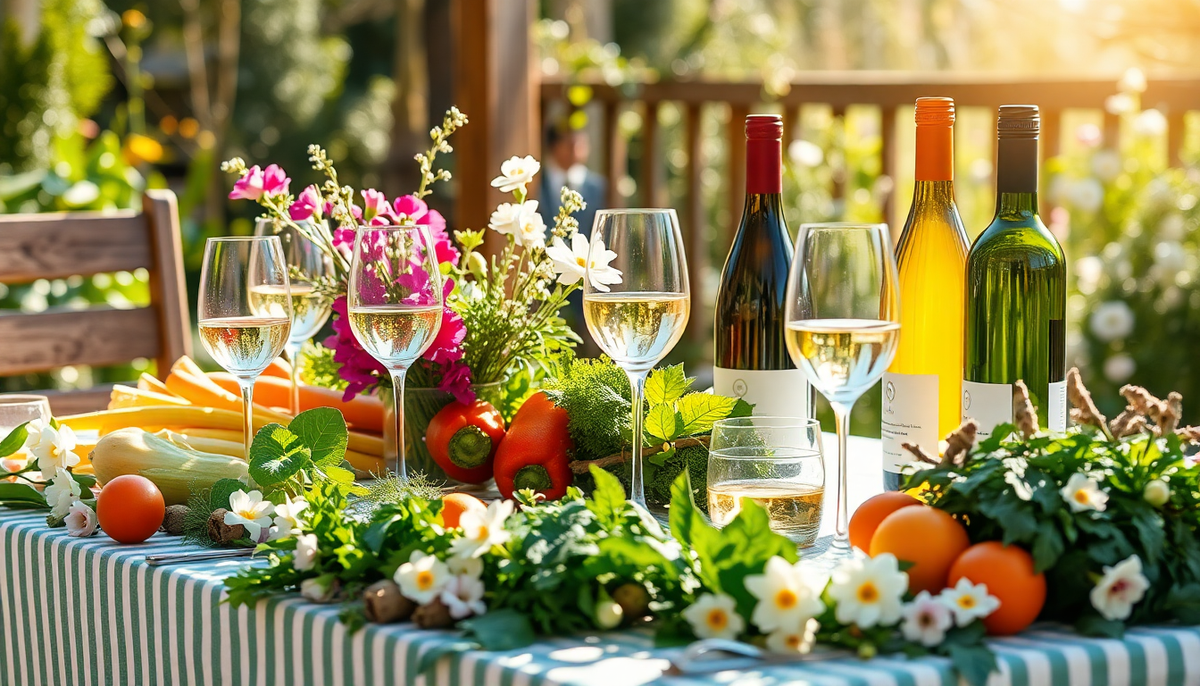
As the winter frost melts away and spring arrives with its promise of renewal, our palates naturally shift toward lighter, fresher flavors. The heavy, warming wines that sustained us through cold months give way to crisp, vibrant selections that complement the season's delicate dishes. At Curtis Family Vineyards, we understand this seasonal transition intimately, and we're excited to guide you through the art of pairing spring wines with the lighter meals that define this beautiful time of year.
Spring is a season of transformation, not just in nature but also in our kitchens and dining experiences. Fresh vegetables begin appearing at farmers' markets, tender herbs flourish in gardens, and lighter proteins take center stage on our dinner tables. The wines that pair beautifully with these ingredients are equally refreshing and elegant, offering complexity without heaviness, and sophistication without overwhelming the delicate flavors of spring cuisine.
This comprehensive guide will explore the world of spring wine pairings, helping you discover how Curtis Family Vineyards' carefully curated selection can elevate your seasonal dining experiences. Whether you're planning an intimate dinner for two, hosting a spring gathering, or simply looking to refresh your wine knowledge, this guide will provide you with the insights and recommendations you need to make confident, delicious choices.
Understanding Spring Wine Characteristics
Before diving into specific pairings, it's essential to understand what makes a wine suitable for spring dining. Spring wines typically share several key characteristics that make them ideal for the season's lighter fare.
Acidity and Freshness
The most defining characteristic of spring wines is their bright acidity. This crisp quality cuts through rich flavors, cleanses the palate between bites, and creates a refreshing sensation that perfectly complements lighter dishes. High acidity wines feel lively and energetic on the palate, mirroring the awakening energy of spring itself.
Acidity serves multiple purposes in wine pairing. It balances fatty or rich components in food, enhances the perception of freshness, and creates harmony between wine and dish. For spring meals featuring fresh vegetables, delicate fish, and light preparations, wines with pronounced acidity are essential partners.
Lower Alcohol Content
Spring wines often feature moderate alcohol levels, typically ranging from 10 to 13 percent. This lower alcohol content makes them less warming and heavy, allowing you to enjoy multiple glasses without feeling weighed down. The lighter body complements spring's fresh, delicate flavors rather than overwhelming them with alcohol's warming sensation.
Lower alcohol wines also tend to be more food-friendly, as they don't compete with the subtle flavors of spring ingredients. They allow the natural tastes of fresh vegetables, tender herbs, and delicate proteins to shine through without interference.
Aromatic Complexity
Spring wines are often highly aromatic, featuring vibrant notes of citrus, green fruits, flowers, and herbs. These aromatic qualities create an engaging sensory experience that appeals to our senses as we transition from winter's heavier, more muted flavors. The aromatic profile of spring wines often echoes the flavors present in spring cuisine, creating natural harmony.
The complexity of aromas in spring wines adds depth and interest without heaviness. A wine might offer notes of lemon, white peach, fresh herbs, and flowers, creating a multi-layered experience that engages the nose and palate throughout the meal.
Curtis Family Vineyards Spring Collection Overview
Curtis Family Vineyards has developed an exceptional collection of wines perfectly suited to spring dining. Our winemakers understand the nuances of seasonal pairing and have crafted selections that embody the freshness, elegance, and vibrancy that define spring wine experiences.
Our Philosophy
At Curtis Family Vineyards, we believe that wine should enhance and celebrate the food it accompanies. Our spring collection reflects this philosophy, featuring wines that are approachable yet sophisticated, refreshing yet complex. Each bottle in our spring lineup has been carefully selected and crafted to deliver exceptional quality while remaining true to the principles of seasonal harmony.
Our commitment to quality extends from vineyard to bottle. We work with sustainable farming practices, hand-select our grapes at optimal ripeness, and employ winemaking techniques that preserve the natural freshness and vibrancy that make spring wines so special.
White Wine Pairings for Spring
White wines form the foundation of spring wine pairing, offering the freshness, acidity, and aromatic qualities that define the season. Curtis Family Vineyards offers several exceptional white wine options for spring dining.
Sauvignon Blanc: The Quintessential Spring White
Sauvignon Blanc stands as perhaps the most versatile spring wine, offering bright acidity, herbaceous notes, and citrus flavors that perfectly complement spring's fresh, green flavors. This wine is an excellent choice for pairing with a wide range of spring dishes.
Sauvignon Blanc's herbaceous character makes it particularly suited to dishes featuring fresh herbs like basil, cilantro, tarragon, and parsley. The wine's natural affinity for these flavors creates seamless pairings that feel inevitable and delicious. When you taste a Sauvignon Blanc alongside a dish featuring fresh herbs, you understand immediately why this pairing works so beautifully.
The wine's crisp acidity also makes it excellent for pairing with acidic ingredients like lemon, lime, and vinegar-based dressings. This creates a harmonious balance where the wine and food enhance each other's acidity rather than competing for dominance.
Pairing Sauvignon Blanc with Spring Vegetables
Spring vegetables are among the season's greatest treasures, and Sauvignon Blanc pairs beautifully with nearly all of them. Asparagus, one of spring's signature vegetables, finds a perfect partner in Sauvignon Blanc. The wine's herbaceous notes echo the vegetable's grassy character, while its acidity cuts through any richness from butter or oil-based preparations.
Peas, both fresh and in preparations like pea soup or risotto, pair wonderfully with Sauvignon Blanc. The wine's subtle sweetness complements the peas' natural sweetness, while its acidity provides balance and freshness. A spring pea risotto with fresh mint and Parmesan becomes an even more elegant dish when accompanied by a crisp Sauvignon Blanc.
Artichokes, with their subtle earthiness and slight bitterness, find excellent harmony with Sauvignon Blanc. The wine's acidity cuts through the artichoke's richness, while its herbaceous notes complement the vegetable's complex flavor profile. Whether you're enjoying steamed artichokes with lemon butter or a creamy artichoke dip, Sauvignon Blanc enhances the experience.
Green beans, snap peas, and other spring vegetables all benefit from Sauvignon Blanc pairing. The wine's versatility allows it to work across numerous preparations, from simple steamed vegetables with lemon to more complex vegetable-based dishes.
Pairing Sauvignon Blanc with Spring Proteins
While Sauvignon Blanc is often associated with vegetables, it pairs beautifully with spring proteins as well. Light fish preparations, particularly white fish like halibut, sole, and flounder, find excellent partners in Sauvignon Blanc. The wine's acidity complements the delicate, flaky texture of these fish, while its aromatic qualities enhance the fish's subtle flavors.
Chicken, particularly when prepared with light sauces or fresh herbs, pairs wonderfully with Sauvignon Blanc. A spring chicken salad with fresh herbs and a light vinaigrette becomes even more delightful when accompanied by a crisp Sauvignon Blanc. The wine's acidity balances the salad's dressing, while its aromatic qualities complement the herbs and chicken.
Seafood preparations featuring shrimp or scallops also work beautifully with Sauvignon Blanc. The wine's acidity and aromatic qualities enhance the delicate sweetness of these proteins, creating harmonious pairings that feel both elegant and natural.
Pinot Grigio: Elegant Simplicity
Pinot Grigio offers a different expression of spring wine pairing, emphasizing elegance and simplicity over herbaceous complexity. This wine typically features subtle citrus notes, green apple flavors, and a clean, refreshing finish that makes it exceptionally food-friendly.
Pinot Grigio's lighter body and subtle flavor profile make it an excellent choice for very delicate dishes where you want the food to remain the star. A simple preparation of fresh fish with lemon and herbs becomes a study in elegance when paired with a quality Pinot Grigio. The wine provides refreshment and acidity without competing with the dish's delicate flavors.
The wine's versatility extends across numerous spring preparations. Seafood pasta with light cream sauces, spring salads with delicate greens, and light poultry preparations all find excellent partners in Pinot Grigio. The wine's clean finish makes it particularly suitable for meals where you want to cleanse your palate between courses or between different dishes.
Pairing Pinot Grigio with Spring Seafood
Spring seafood offerings are among the season's greatest pleasures, and Pinot Grigio pairs beautifully with numerous preparations. Fresh oysters, with their briny, mineral character, find an excellent partner in Pinot Grigio. The wine's acidity and subtle citrus notes complement the oysters' natural flavors, creating a pairing that feels both sophisticated and natural.
Grilled or pan-seared fish with minimal seasoning showcases Pinot Grigio's ability to enhance without overwhelming. A simple preparation of halibut with lemon and fresh herbs becomes a study in elegance when accompanied by this wine. The wine's clean, refreshing character allows the fish's delicate flavors to shine while providing the acidity necessary for balance.
Seafood risotto, a spring favorite, pairs beautifully with Pinot Grigio. The wine's acidity cuts through the risotto's richness, while its subtle flavors complement the seafood without overwhelming it. The pairing creates a harmonious dining experience where wine and food enhance each other.
Albariño: Mediterranean Freshness
Albariño, a Spanish white wine, offers a different expression of spring freshness. This wine features bright acidity, citrus and stone fruit flavors, and a slightly saline character that makes it particularly suited to seafood pairings. Albariño brings a Mediterranean sensibility to spring dining, evoking images of coastal meals and fresh sea breezes.
The wine's mineral character and subtle salinity make it exceptional for pairing with seafood. The saline notes in the wine echo the briny character of seafood, creating a natural harmony that feels inevitable. When you taste Albariño alongside fresh seafood, you understand the wine's origin in Spain's coastal regions.
Albariño's versatility extends beyond seafood. The wine pairs beautifully with spring vegetables, particularly those with slightly bitter or mineral characteristics. Grilled asparagus, sautéed greens, and other spring vegetables find excellent partners in Albariño. The wine's acidity and mineral character complement these vegetables' natural flavors while providing refreshment and balance.
Pairing Albariño with Spring Cuisine
Paella, while not exclusively a spring dish, becomes particularly appealing in spring when prepared with fresh spring vegetables and seafood. Albariño, the traditional pairing for paella, provides the acidity and mineral character necessary to balance the dish's richness while complementing its complex flavors. The wine's origin in the same region as paella makes this pairing feel both natural and sophisticated.
Ceviche, a fresh seafood preparation that celebrates spring's fresh ingredients, finds an excellent partner in Albariño. The wine's acidity complements the citrus in the ceviche, while its subtle flavors enhance the seafood without overwhelming it. The pairing creates a refreshing, elegant dining experience.
Grilled fish with spring vegetables becomes even more delightful when accompanied by Albariño. The wine's mineral character and acidity work beautifully with both the fish and vegetables, creating a harmonious pairing that celebrates spring's fresh ingredients.
Vermentino: Italian Coastal Elegance
Vermentino, an Italian white wine from Sardinia and other Mediterranean regions, offers another excellent option for spring dining. This wine features bright acidity, citrus flavors, and a subtle herbaceous character that makes it versatile and food-friendly. Vermentino brings an Italian sensibility to spring dining, evoking Mediterranean coastal meals and fresh, simple preparations.
The wine's acidity and aromatic qualities make it excellent for pairing with a wide range of spring dishes. From fresh seafood to spring vegetables to light poultry preparations, Vermentino provides the freshness and balance necessary for harmonious pairings. The wine's subtle flavors allow the food to remain the star while providing essential support and enhancement.
Vermentino's versatility makes it an excellent choice for spring entertaining, where you might be serving multiple dishes or uncertain about specific pairings. The wine's broad appeal and food-friendly character make it suitable for nearly any spring preparation, from simple grilled fish to more complex vegetable-based dishes.
Rosé Wines: Spring's Most Elegant Option
Rosé wines represent spring's most elegant and versatile option, offering the freshness of white wines with subtle complexity and visual beauty. Curtis Family Vineyards offers exceptional rosé selections that showcase the wine's remarkable versatility and appeal.
Understanding Rosé Wine
Rosé wines are produced from red wine grapes but are fermented with minimal skin contact, resulting in their characteristic pink color and unique flavor profile. This production method creates wines that offer the freshness and acidity of white wines while incorporating subtle red fruit flavors and complexity from the grape variety used.
Rosé wines are often misunderstood, with many people assuming they are either too sweet or too light to pair seriously with food. Quality rosé wines, however, offer remarkable complexity, excellent acidity, and versatility that makes them among the most food-friendly wines available. A well-made rosé can pair beautifully with an astonishing range of spring dishes.
The Versatility of Rosé
Rosé's versatility stems from its unique position between white and red wines. The wine offers the freshness and acidity of white wines, making it excellent for pairing with delicate dishes and fresh ingredients. Simultaneously, it offers subtle red fruit flavors and complexity that allow it to pair with slightly richer preparations and more substantial proteins.
This versatility makes rosé an excellent choice for spring entertaining, where you might be serving multiple dishes or uncertain about specific pairings. A quality rosé can work across numerous courses and dishes, providing harmony and balance throughout the meal. The wine's visual beauty also adds an elegant touch to any table.
Pairing Rosé with Spring Salads
Spring salads, with their fresh greens, delicate vegetables, and light dressings, find excellent partners in rosé wine. The wine's acidity complements the salad's dressing, while its subtle flavors enhance the vegetables without overwhelming them. A spring salad featuring fresh greens, asparagus, peas, and a light vinaigrette becomes even more delightful when accompanied by a crisp rosé.
The wine's subtle red fruit flavors can also complement salads featuring berries or other fruits. A spring salad with strawberries, fresh herbs, and a light vinaigrette pairs beautifully with rosé, where the wine's subtle fruit flavors echo the salad's fruity components while its acidity provides balance and freshness.
Pairing Rosé with Spring Seafood
Rosé wines pair beautifully with spring seafood preparations. The wine's acidity and subtle complexity make it excellent for pairing with grilled fish, seafood pasta, and other seafood dishes. A grilled salmon with fresh herbs and lemon becomes even more elegant when accompanied by a quality rosé. The wine's subtle red fruit flavors complement the salmon's richness, while its acidity provides balance and freshness.
Shrimp preparations, whether grilled, sautéed, or served in pasta, find excellent partners in rosé. The wine's acidity cuts through any richness in the preparation, while its subtle flavors enhance the shrimp's delicate sweetness. A spring shrimp pasta with fresh herbs and light cream sauce becomes a study in elegance when paired with rosé.
Pairing Rosé with Spring Vegetables
Rosé's versatility extends beautifully to spring vegetable preparations. The wine pairs excellently with grilled vegetables, vegetable-based pasta dishes, and vegetable risottos. A spring vegetable risotto with fresh herbs and Parmesan becomes even more delightful when accompanied by rosé. The wine's acidity cuts through the risotto's richness, while its subtle flavors complement the vegetables.
Grilled spring vegetables, from asparagus to zucchini to eggplant, find excellent partners in rosé. The wine's acidity complements the vegetables' grilled flavors, while its subtle complexity adds depth to the pairing. Whether you're enjoying a simple grilled vegetable plate or a more complex vegetable-based dish, rosé provides the freshness and balance necessary for harmonious pairing.
Light Red Wines for Spring
While white wines and rosés dominate spring wine pairing, certain light red wines offer excellent options for spring dining. These wines provide more body and complexity than white wines while maintaining the freshness and elegance that define spring wine experiences.
Pinot Noir: Elegance and Versatility
Pinot Noir stands as the most versatile light red



Leave a comment
This site is protected by hCaptcha and the hCaptcha Privacy Policy and Terms of Service apply.