

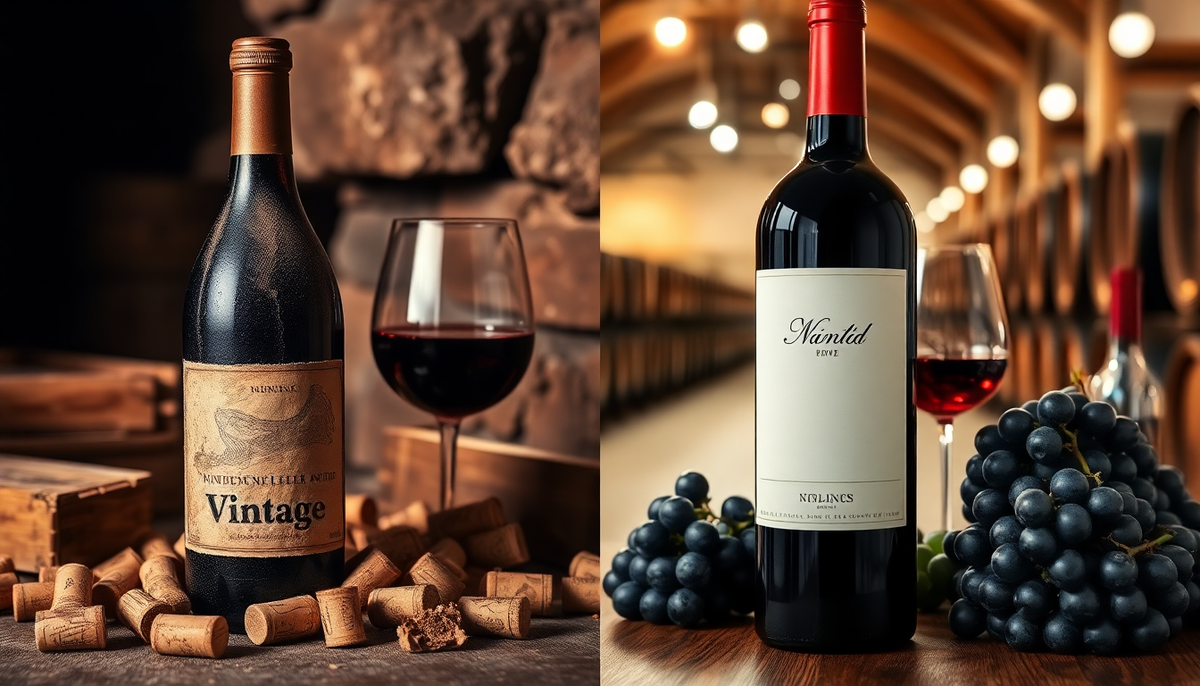
When you walk into a wine shop or browse an online wine retailer, you'll inevitably encounter two categories of wines: vintage and non-vintage. For many wine enthusiasts and casual drinkers alike, the distinction between these two types can seem confusing or even unimportant. However, understanding the differences between vintage and non-vintage wines is crucial for making informed purchasing decisions, appreciating wine quality, and getting the best value for your money. At Curtis Family Vineyards, we believe that education is key to helping our customers discover wines that truly suit their palates and preferences.
The terms "vintage" and "non-vintage" refer to fundamental aspects of how wine is produced, labeled, and marketed. While these terms might seem simple on the surface, they encompass a wealth of information about the wine's origin, production methods, aging potential, and flavor profile. In this comprehensive guide, we'll explore everything you need to know about vintage and non-vintage wines, helping you become a more knowledgeable and confident wine consumer.
Understanding Wine Vintage
What Exactly is a Vintage?
A vintage in wine terminology refers to the year in which the grapes used to produce the wine were harvested. When you see a year printed on a wine bottle—such as 2019, 2020, or 2021—that number indicates the vintage year. This is a fundamental piece of information that tells you when the grapes were picked from the vineyard and processed into wine.
The concept of vintage is deeply rooted in winemaking tradition and reflects the reality that grapes grown in different years will have different characteristics. Weather conditions, temperature fluctuations, rainfall, and sunshine hours all vary from year to year, and these variations directly impact the quality and character of the grapes. A warm, dry year will produce different grapes than a cool, wet year, and consequently, the wines made from these grapes will taste different.
The Importance of Vintage Years
Understanding why vintage matters requires us to look at how weather and growing conditions affect grape quality. In wine regions around the world, certain years are considered exceptional, while others are considered challenging or mediocre. These variations are what make vintage important to wine enthusiasts and collectors.
For example, in Bordeaux, France, the 2009 and 2010 vintages are considered outstanding, while 2013 was a more challenging year. In Napa Valley, California, 2012 was an exceptional vintage, while 2011 presented more difficulties for winemakers. These variations in quality from year to year mean that the vintage year on a bottle can tell you a lot about what to expect in terms of quality and flavor.
Vintage also matters for aging potential. Some vintages are meant to be consumed young and fresh, while others have the structure and tannins necessary to age gracefully for decades. A wine from a great vintage year might improve significantly over time, developing more complex flavors and smoother textures. Conversely, a wine from a challenging vintage year might be best enjoyed sooner rather than later.
Reading Vintage Information
On most wine bottles, the vintage year is prominently displayed on the label, typically near the top or bottom of the front label. This information is legally required in most wine-producing countries. The vintage year is one of the most important pieces of information you can use when selecting a wine, as it helps you understand the wine's age, potential quality, and optimal drinking window.
It's worth noting that in some cases, wines might be labeled with a vintage year even if a small percentage of the grapes come from a different year. However, regulations typically require that at least 85-95% of the grapes (depending on the region) must be from the stated vintage year for that year to appear on the label.
Exploring Non-Vintage Wine
What is Non-Vintage Wine?
Non-vintage wine, often abbreviated as NV, is wine that is not labeled with a specific harvest year. Instead of displaying a single vintage year, non-vintage wines are blends of wines from multiple years. These wines are typically created by winemakers who intentionally combine wines from different vintages to achieve a consistent flavor profile and quality level year after year.
Non-vintage wines are particularly common in certain wine categories, most notably sparkling wines like Champagne and Prosecco. However, they're also produced in other wine styles, including some still wines, fortified wines, and dessert wines. The decision to produce non-vintage wine is a deliberate choice by winemakers to prioritize consistency and value.
The Purpose of Non-Vintage Blending
The primary purpose of non-vintage wine production is to maintain consistency. When a winemaker produces a non-vintage wine, they're essentially creating a house style that remains relatively consistent from bottle to bottle, regardless of vintage variations. This approach has several advantages for both producers and consumers.
For producers, non-vintage wines allow them to manage their inventory more effectively. By blending wines from different years, they can ensure they always have enough wine to meet demand. This is particularly important for large-scale producers who need to maintain steady production levels throughout the year. Additionally, non-vintage blending allows winemakers to use wines from less successful vintages in combination with wines from excellent vintages, creating a balanced final product.
For consumers, non-vintage wines offer predictability and value. If you enjoy a particular non-vintage Champagne, you can purchase it with confidence that the next bottle will taste very similar to the last one. This consistency is valuable for those who want to know exactly what they're getting when they make a purchase.
Common Non-Vintage Wine Categories
Champagne and other sparkling wines are the most famous examples of non-vintage wines. In fact, the majority of Champagne produced is non-vintage. Champagne houses blend wines from multiple years to create their signature styles, which remain consistent year after year. This practice has become so standard in Champagne production that it's considered part of the region's winemaking tradition.
Beyond sparkling wines, non-vintage wines are also produced in other categories. Some producers of fortified wines, such as certain styles of Port and Sherry, create non-vintage blends. Some still wine producers also choose to make non-vintage wines, particularly when they want to emphasize consistency and value over vintage variation.
Key Differences Between Vintage and Non-Vintage Wines
Consistency and Predictability
One of the most significant differences between vintage and non-vintage wines is the level of consistency you can expect. Vintage wines will vary from year to year based on growing conditions, while non-vintage wines are designed to taste relatively the same regardless of when you purchase them. If you're someone who likes to know exactly what you're getting, non-vintage wines offer that assurance.
However, this doesn't mean that non-vintage wines are inferior or that vintage wines are superior. It's simply a different approach to winemaking. Some wine enthusiasts prefer the consistency of non-vintage wines, while others enjoy the variation and character that comes with vintage wines.
Price Considerations
Vintage and non-vintage wines often have different pricing structures. Vintage wines from exceptional years tend to be more expensive than wines from challenging years. This price variation reflects the perceived quality and aging potential of the wine. A wine from a great vintage year might cost significantly more than the same wine from a mediocre vintage year.
Non-vintage wines, on the other hand, tend to have more stable pricing. Because they're blended to maintain consistency, the price typically remains relatively constant from year to year. This can make non-vintage wines a good value option for consumers who want quality wine without paying premium prices for exceptional vintages.
Aging Potential
Vintage wines often have more clearly defined aging potential. Wines from great vintage years are typically designed to improve with age, developing more complex flavors and smoother textures over time. Conversely, wines from challenging vintage years might be best consumed young. This variation in aging potential is one reason why vintage information is so important to collectors and serious wine enthusiasts.
Non-vintage wines are generally designed to be consumed relatively soon after purchase. While some non-vintage wines can age, they're typically not intended for long-term cellaring. This is because the blending process is designed to create a wine that's ready to drink now, rather than one that will improve significantly with age.
Labeling and Information
The most obvious difference between vintage and non-vintage wines is the label. Vintage wines display a specific year, while non-vintage wines do not. This simple difference in labeling reflects a fundamental difference in how the wines are produced and intended to be consumed.
Some non-vintage wines might include additional information on the label, such as "NV" or "Non-Vintage," to make it clear that the wine is a blend of multiple years. However, this isn't always the case, so it's important to look carefully at the label to determine whether a wine is vintage or non-vintage.
The Role of Vintage in Wine Quality
How Growing Conditions Affect Wine
The quality of wine is fundamentally determined by the quality of the grapes used to produce it. Grapes require specific conditions to develop the right balance of sugars, acids, and tannins that create great wine. Temperature, rainfall, sunshine, and soil conditions all play crucial roles in determining grape quality.
In cool-climate wine regions, a warm vintage year can be exceptional because it allows grapes to ripen fully, developing good sugar levels and ripe flavors. In warm-climate regions, a cooler vintage year might be preferable because it helps maintain acidity and prevents grapes from becoming overripe. These regional variations mean that what constitutes a "great" vintage year depends on the specific wine region.
Vintage Charts and Quality Ratings
Wine enthusiasts often refer to vintage charts, which rate the quality of different vintage years in various wine regions. These charts typically use a numerical scale, with higher numbers indicating better quality. Vintage charts can be helpful guides when selecting wines, but they should be used with caution.
It's important to remember that vintage charts represent general trends and averages. Within any given vintage year, there will be variation in quality among different producers. A wine from a lower-rated vintage year might still be excellent if it comes from a skilled winemaker, while a wine from a highly-rated vintage year might be disappointing if it comes from a less skilled producer. Additionally, vintage charts are often based on the opinions of wine critics and experts, which can be subjective.
The Impact of Climate Change on Vintage
Climate change is having a significant impact on wine production and vintage variation around the world. As global temperatures rise, traditional wine regions are experiencing warmer growing seasons, which is affecting the characteristics of the grapes and wines produced. Some regions are experiencing more consistent warm conditions, which can lead to riper grapes and higher alcohol levels. Other regions are struggling with increased heat stress on vines.
These changes are prompting winemakers to adapt their practices, sometimes moving to higher elevations or cooler microclimates within their regions. In some cases, winemakers are experimenting with different grape varieties that are better suited to warmer conditions. These adaptations are changing the character of wines from traditional regions and creating new opportunities in previously marginal wine regions.
Vintage Wines: Advantages and Disadvantages
Advantages of Vintage Wines
Vintage wines offer several advantages to wine enthusiasts and collectors. First, they provide a connection to a specific time and place. When you drink a vintage wine, you're tasting the product of a particular year's growing conditions in a particular region. This sense of terroir and history is something that many wine lovers find deeply appealing.
Second, vintage wines from exceptional years can offer outstanding quality and complexity. Great vintage years produce grapes with excellent balance and character, resulting in wines that are truly special. For collectors, acquiring wines from great vintage years can be a rewarding investment, as these wines often appreciate in value over time.
Third, vintage wines offer the potential for aging and development. Many vintage wines improve significantly with age, developing more complex flavors and smoother textures. This aging potential makes vintage wines interesting for collectors who enjoy watching wines evolve over time.
Disadvantages of Vintage Wines
Vintage wines also have some disadvantages. The most obvious is that quality varies from year to year. If you purchase a wine from a challenging vintage year, it might not be as good as the same wine from a great vintage year. This variation can make it difficult to know what to expect when purchasing a wine you haven't tried before.
Additionally, vintage wines from great years tend to be more expensive than wines from mediocre years. If you're on a budget, you might find that the best values are in wines from less celebrated vintage years, which can still be very good but cost less.
Finally, vintage wines require more knowledge to select wisely. Understanding vintage charts, knowing which years were good in which regions, and recognizing which wines have aging potential all require study and experience. For casual wine drinkers, this additional complexity might be more than they want to deal with.
Non-Vintage Wines: Advantages and Disadvantages
Advantages of Non-Vintage Wines
Non-vintage wines offer several significant advantages. The most important is consistency. When you find a non-vintage wine you enjoy, you can purchase it with confidence that future bottles will taste very similar. This consistency is valuable for those who want to know exactly what they're getting.
Non-vintage wines also tend to offer good value. Because they're blended to maintain consistency rather than to showcase a particular vintage, they're often priced more affordably than vintage wines from great years. This makes non-vintage wines an excellent choice for everyday drinking and entertaining.
Additionally, non-vintage wines are typically ready to drink immediately. You don't need to worry about whether a non-vintage wine is too young or past its prime. You can purchase it and enjoy it right away without needing to research optimal drinking windows.
Non-vintage wines also require less knowledge to select. You don't need to understand vintage charts or know which years were good in which regions. You simply need to find a style you enjoy and purchase it with confidence that it will be consistent.
Disadvantages of Non-Vintage Wines
The main disadvantage of non-vintage wines is that they lack the character and uniqueness of vintage wines. Because they're blended to maintain consistency, they don't showcase the particular characteristics of a specific year's growing conditions. For wine enthusiasts who enjoy exploring how vintage variation affects wine character, non-vintage wines might seem less interesting.
Additionally, non-vintage wines generally have limited aging potential. While some non-vintage wines can age, they're typically designed to be consumed relatively soon after purchase. If you're interested in collecting wines and watching them develop over time, non-vintage wines might not be the best choice.
Finally, some wine enthusiasts view non-vintage wines as less prestigious or serious than vintage wines. This perception, while not necessarily justified, means that non-vintage wines might not carry the same cachet in certain wine circles.
Specific Wine Categories and Vintage Considerations
Champagne and Sparkling Wines
Champagne is the most famous example of a wine category where non-vintage production dominates. The majority of Champagne produced is non-vintage, created by blending wines from multiple years to maintain the house style. However, Champagne producers also create vintage Champagnes in exceptional years, which are typically more expensive and have greater aging potential.
The practice of non-vintage blending in Champagne serves several purposes. It allows producers to maintain consistency in their signature styles, it helps them manage inventory, and it allows them to use wines from less successful vintages in combination with wines from excellent vintages. This blending approach has become so integral to Champagne production that it's considered part of the region's winemaking tradition.
Other sparkling wines, such as Prosecco and Cava, also commonly use non-vintage blending, though some producers do create vintage versions. The choice between vintage and non-vintage sparkling wine often comes down to personal preference and budget.
Bordeaux and Other Fine Wines
In contrast to Champagne, Bordeaux wines are almost always vintage wines. The great châteaux of Bordeaux release wines from specific vintage years, and the vintage year is a crucial factor in determining the wine's quality and price. Bordeaux collectors often focus heavily on vintage years, seeking out wines from great years like 2009, 2010, and 2015.
Similarly, other fine wine regions like Burgundy, Tuscany, and Napa Valley primarily produce vintage wines. For these regions, the vintage year is a fundamental part of the wine's identity and value.
Fortified Wines
Fortified wines like Port and Sherry present an interesting mix of vintage and non-vintage production. Many Port producers create both vintage Ports, which are made from a single exceptional vintage year and aged for many years before release, and non-vintage Ports, which are blends of wines from multiple years. Vintage Ports are typically more expensive and have significant aging potential, while non-vintage Ports offer consistency and value.
Sherry production also includes both vintage and non-vintage styles, though the solera system used in Sherry production creates a unique situation where wines are blended across multiple years in a way that's somewhat different from typical non-vintage blending.
Dessert Wines
Dessert wines vary in their approach to vintage. Some dessert wines, like vintage Port or vintage Champagne, are clearly labeled with a specific year. Others, like some styles of Sherry or Madeira, are non-vintage blends. The choice between vintage and non-vintage often depends on the specific wine style and producer.
How to Choose Between Vintage and Non-Vintage Wines
Consider Your Purpose
The first step in choosing between vintage and non-vintage wines is to consider what you're using the wine for. If you're purchasing wine for immediate consumption at a casual meal or gathering, a non-vintage wine might be the perfect choice. Non-vintage wines are typically ready to drink immediately

Leave a comment
This site is protected by hCaptcha and the hCaptcha Privacy Policy and Terms of Service apply.