

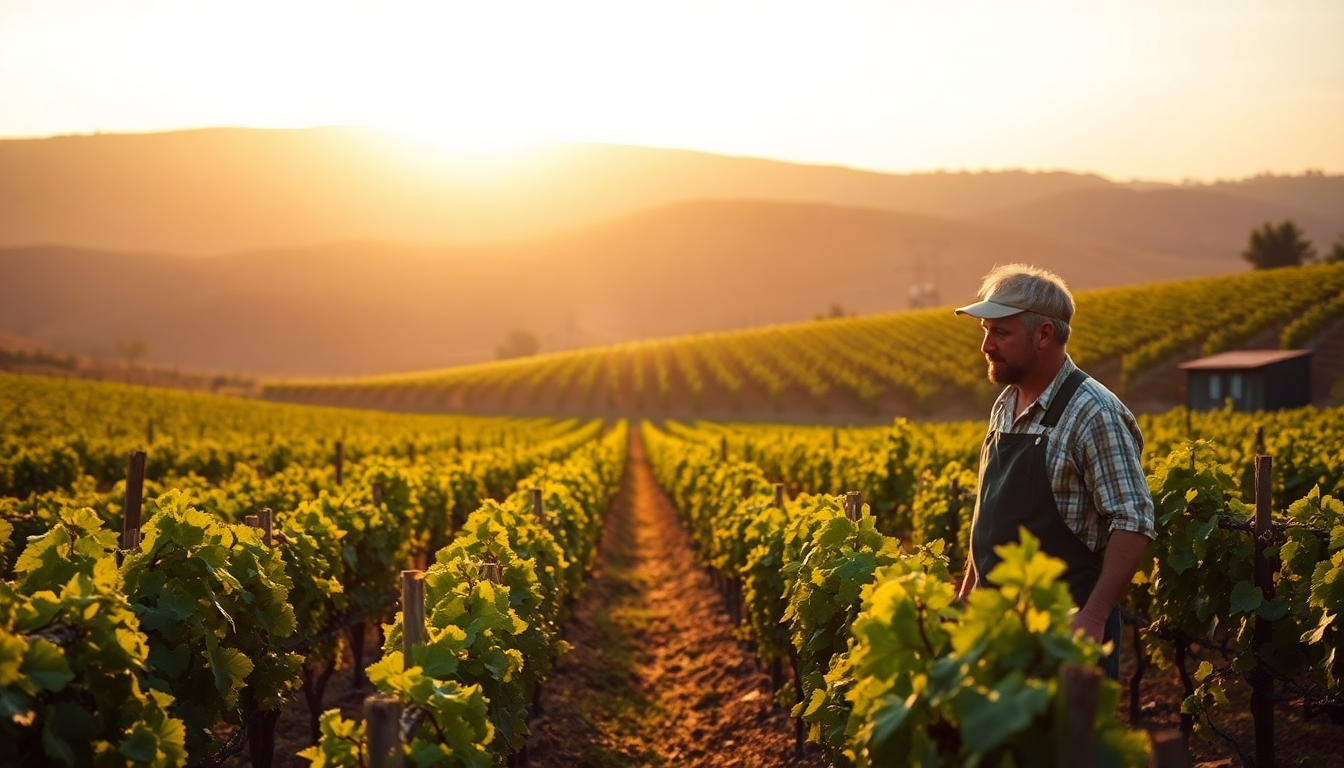
When you uncork a bottle of wine, you're not just opening a beverage—you're participating in a tradition that stretches back thousands of years. But in our modern world, the way wine is produced has become increasingly important to conscious consumers. Sustainable winemaking practices represent a commitment to producing exceptional wine while respecting the environment, supporting local communities, and ensuring that future generations can continue this noble craft. At Curtis Family Vineyards, we believe that understanding these practices helps wine drinkers make informed choices and appreciate the care that goes into every bottle.
The wine industry has undergone a significant transformation over the past few decades. What was once a practice dominated by conventional agricultural methods is now evolving toward more environmentally conscious approaches. Sustainable winemaking isn't just a trendy buzzword—it's a comprehensive philosophy that addresses every aspect of vineyard management, from soil health to water conservation, from pest management to energy efficiency. For wine drinkers, understanding these practices can deepen your appreciation for the wine you enjoy and help you support producers who are making a positive impact on our planet.
Understanding the Foundations of Sustainable Winemaking
Sustainable winemaking is built on three fundamental pillars: environmental stewardship, economic viability, and social responsibility. These three elements work together to create a holistic approach to wine production that benefits everyone involved in the process, from the vineyard workers to the consumers who enjoy the final product.
The environmental pillar focuses on preserving and enhancing the natural ecosystems that surround vineyards. This includes protecting soil quality, conserving water resources, maintaining biodiversity, and reducing chemical inputs. Winemakers who prioritize environmental sustainability understand that their vineyards are part of a larger ecosystem, and they work to minimize their negative impact while actively contributing to environmental health.
The economic pillar ensures that sustainable practices are financially viable for vineyard owners and workers. This means that sustainable winemaking must be profitable enough to encourage adoption and continuation. When vineyard owners can make a good living while practicing sustainable methods, they're more likely to maintain these practices long-term and invest in further improvements.
The social pillar addresses the well-being of workers, local communities, and consumers. This includes fair wages, safe working conditions, community engagement, and transparency in production practices. Sustainable winemakers recognize that their success is intertwined with the success and well-being of the people who work in their vineyards and the communities where they operate.
Soil Health: The Foundation of Quality Wine
One of the most critical aspects of sustainable winemaking is soil management. Healthy soil is the foundation upon which quality wine is built. The soil provides nutrients to the grapevines, influences the flavor profile of the grapes, and plays a crucial role in water retention and drainage. Sustainable winemakers understand that investing in soil health is an investment in the long-term quality and sustainability of their vineyards.
Conventional viticulture often relies heavily on synthetic fertilizers and pesticides, which can degrade soil structure over time. These chemicals can kill beneficial microorganisms, reduce soil organic matter, and create dependency on external inputs. In contrast, sustainable winemakers focus on building soil health through natural means.
Cover cropping is one of the most effective sustainable practices for maintaining soil health. By planting cover crops between vineyard rows during the off-season, winemakers can prevent soil erosion, suppress weeds naturally, and add organic matter to the soil. When these cover crops are tilled back into the soil, they decompose and release nutrients that feed the grapevines. This reduces the need for synthetic fertilizers while improving soil structure and water retention.
Composting and the application of organic matter are other essential practices for sustainable soil management. By returning organic materials to the vineyard—whether through composted grape waste, animal manure, or other organic sources—winemakers can gradually increase the soil's organic content. This improves the soil's ability to retain water and nutrients, reduces the need for external inputs, and creates a more resilient ecosystem within the vineyard.
Many sustainable vineyards also practice minimal or no-till viticulture, which means they avoid plowing or heavily disturbing the soil. This practice helps preserve soil structure, protects beneficial microorganisms, and reduces erosion. By working with the soil rather than against it, sustainable winemakers can maintain the delicate balance of the soil ecosystem.
Soil testing is another crucial component of sustainable soil management. Regular soil analysis helps winemakers understand the nutrient content, pH levels, and microbial activity in their soils. This information allows them to make informed decisions about what amendments, if any, are needed. Rather than applying fertilizers based on a standard schedule, sustainable winemakers apply inputs based on actual soil needs, which reduces waste and environmental impact.
Water Conservation in the Vineyard
Water is one of the most precious resources in wine production, and sustainable winemakers are increasingly focused on using this resource efficiently. Climate change and growing water scarcity in many wine-producing regions have made water conservation not just an environmental imperative but an economic necessity.
Drip irrigation systems represent a significant advancement in water conservation for vineyards. Unlike traditional flood irrigation or overhead sprinklers, drip irrigation delivers water directly to the root zone of each plant, minimizing evaporation and runoff. This targeted approach can reduce water consumption by up to 50% compared to conventional irrigation methods while actually improving vine health and grape quality.
Soil moisture monitoring is another key practice in sustainable water management. By using soil moisture sensors or conducting regular soil assessments, winemakers can determine exactly when and how much water their vines need. This prevents both over-watering, which can lead to disease and reduced grape quality, and under-watering, which can stress the vines. Precision irrigation based on actual soil moisture conditions is far more efficient than irrigation based on calendar schedules.
Rainwater harvesting is increasingly common in sustainable vineyards. By capturing and storing rainwater during wet seasons, vineyards can reduce their reliance on groundwater or municipal water supplies during dry periods. Some vineyards have installed sophisticated systems that collect runoff from roofs, roads, and other surfaces, storing it in ponds or tanks for use during irrigation season.
Mulching is another simple but effective water conservation technique. By applying organic mulch around the base of grapevines, winemakers can reduce soil evaporation, keep soil temperatures more moderate, and suppress weeds. This reduces the need for irrigation while also providing the additional benefits of improved soil health as the mulch decomposes.
Some sustainable vineyards are also exploring alternative water sources, such as treated wastewater from wine production. By recycling water used in the winery for irrigation purposes, producers can significantly reduce their overall water consumption. This requires careful treatment and monitoring to ensure that the water quality is appropriate for irrigation, but it represents an innovative approach to water conservation.
Integrated Pest Management and Natural Pest Control
One of the most visible differences between conventional and sustainable viticulture is the approach to pest and disease management. Conventional vineyards often rely on synthetic pesticides to control pests and diseases, but these chemicals can have significant environmental and health impacts. Sustainable winemakers have developed a range of alternative approaches collectively known as Integrated Pest Management, or IPM.
IPM is a holistic approach that uses a combination of techniques to manage pests and diseases while minimizing the use of synthetic chemicals. The philosophy behind IPM is to work with nature rather than against it, using the vineyard's natural pest control mechanisms as the first line of defense.
Biodiversity is a key component of effective IPM. By maintaining diverse plant and animal populations within and around the vineyard, sustainable winemakers create a balanced ecosystem where natural predators help control pest populations. For example, ladybugs, lacewings, and parasitic wasps are natural predators of common vineyard pests like aphids and mites. By planting hedgerows, cover crops, and native plants around the vineyard, winemakers can attract and support these beneficial insects.
Canopy management is another important IPM technique. By carefully pruning and training the vines to optimize air circulation and sunlight penetration, winemakers can reduce the humidity levels that favor fungal diseases. Better air flow through the canopy also helps prevent the buildup of pest populations.
Pheromone traps are a clever biological control method used in many sustainable vineyards. These traps use synthetic versions of the pheromones that insects use to communicate, attracting pests to traps where they can be captured or killed. This allows winemakers to monitor pest populations and time interventions appropriately, rather than applying pesticides on a fixed schedule.
When pest or disease pressure becomes too high to manage through these preventive measures, sustainable winemakers turn to less toxic alternatives. Sulfur and copper are naturally occurring substances that have been used in viticulture for centuries to control fungal diseases. While these substances do have some environmental impact, they're generally considered acceptable in organic and sustainable viticulture because they break down relatively quickly and don't accumulate in the environment like synthetic pesticides.
Neem oil, derived from the neem tree, is another natural pesticide used in sustainable vineyards. It's effective against a range of pests and diseases and breaks down quickly in the environment. Similarly, insecticidal soaps and horticultural oils can be used to control soft-bodied insects without the environmental persistence of synthetic pesticides.
Some innovative sustainable vineyards are also using biological controls, such as introducing beneficial insects or microorganisms that prey on or compete with vineyard pests. For example, some vineyards release parasitic wasps that lay their eggs in pest insects, effectively controlling pest populations through natural predation.
Organic and Biodynamic Viticulture
For many wine drinkers, the terms "organic" and "biodynamic" represent the pinnacle of sustainable winemaking. While not all sustainable vineyards are certified organic or biodynamic, these certifications represent a commitment to specific standards and practices that go beyond conventional viticulture.
Organic viticulture prohibits the use of synthetic pesticides, herbicides, and fertilizers. Instead, organic winemakers rely on natural inputs and biological processes to maintain vineyard health. To be certified organic, vineyards must meet strict standards and undergo regular inspections. The certification process ensures that consumers can trust that organic wines are produced according to established guidelines.
The benefits of organic viticulture extend beyond environmental protection. Many wine drinkers report that organic wines taste better, though this is partly subjective. What's more objectively true is that organic viticulture often results in more complex and expressive wines because the vines are stressed in ways that concentrate flavors in the grapes. Additionally, organic wines contain no synthetic pesticide residues, which appeals to health-conscious consumers.
Biodynamic viticulture takes organic principles even further, incorporating concepts from biodynamic agriculture, which was developed by Rudolf Steiner in the 1920s. Biodynamic farming views the vineyard as a complete, self-contained organism and uses specific preparations and practices to enhance the health and vitality of this system.
Biodynamic practices include the use of specific herbal and mineral preparations that are applied to the vineyard in small quantities. These preparations are believed to enhance soil health and plant vitality. Biodynamic farmers also follow a planting and harvesting calendar based on lunar and planetary cycles, believing that these celestial influences affect plant growth and development.
While some of the principles behind biodynamic viticulture may seem esoteric to modern sensibilities, many biodynamic vineyards produce exceptional wines, and the practice has gained credibility through the success of its practitioners. Whether the benefits come from the specific preparations and lunar calendars or from the overall philosophy of careful observation and holistic vineyard management is debatable, but the results speak for themselves.
Energy Efficiency and Carbon Footprint Reduction
Sustainable winemaking extends beyond the vineyard to the winery itself. The production of wine requires significant energy inputs, from powering equipment to controlling temperature and humidity in cellars and barrel rooms. Reducing energy consumption and carbon emissions is an important part of comprehensive sustainability.
Many sustainable wineries are investing in renewable energy sources. Solar panels are increasingly common on winery roofs and grounds, providing clean electricity for winery operations. Some wineries have installed wind turbines or geothermal systems to meet their energy needs. By generating their own renewable energy, these wineries reduce their reliance on fossil fuels and significantly lower their carbon footprint.
Energy-efficient equipment is another key strategy. Modern winemaking equipment is often more efficient than older models, using less electricity while performing the same functions. Sustainable wineries prioritize upgrading to energy-efficient pumps, motors, and refrigeration systems. LED lighting is increasingly used throughout wineries, consuming a fraction of the energy of traditional lighting while providing excellent illumination.
Passive cooling and heating strategies can also reduce energy consumption. By designing winery buildings with good insulation, strategic ventilation, and thermal mass, winemakers can minimize the need for mechanical heating and cooling. Some wineries use underground cellars, which maintain naturally cool temperatures year-round, reducing the need for air conditioning.
Transportation is another significant source of carbon emissions in the wine industry. Sustainable wineries are working to reduce transportation impacts by sourcing materials locally when possible, consolidating shipments, and choosing lower-impact transportation methods. Some wineries are also exploring carbon offset programs to neutralize the emissions from shipping their wines to distant markets.
Water Quality and Wastewater Management
Wine production generates significant quantities of wastewater, which must be properly treated before it can be safely returned to the environment. Sustainable wineries take wastewater management seriously, implementing systems and practices that protect water quality and minimize environmental impact.
Wastewater from wineries contains organic matter, nutrients, and sometimes chemicals used in cleaning and sanitation. If released untreated into waterways, this wastewater can cause eutrophication, where excess nutrients lead to algal blooms and oxygen depletion, harming aquatic ecosystems.
Many sustainable wineries treat their wastewater through constructed wetlands, which use natural biological processes to break down organic matter and remove nutrients. These systems are both effective and beautiful, often creating wildlife habitat while treating wastewater. Other wineries use lagoons or ponds where wastewater is held and treated through natural processes before being released or reused.
Some innovative wineries are implementing zero-discharge systems, where all wastewater is treated and reused within the winery or for irrigation. This approach eliminates the environmental impact of wastewater discharge while conserving water resources.
Stormwater management is another important consideration. Sustainable wineries implement practices to prevent stormwater runoff from carrying sediment, nutrients, or chemicals into waterways. This might include installing rain gardens, permeable paving, or sediment retention ponds that allow stormwater to infiltrate into the ground or be treated before discharge.
Biodiversity and Habitat Conservation
Sustainable vineyards recognize that they're part of larger ecosystems and work to protect and enhance biodiversity. This goes beyond just managing pests—it's about creating healthy, diverse habitats that support a wide range of plant and animal species.
Many sustainable vineyards maintain or restore native vegetation around their properties. Hedgerows, native shrubs, and wildflower plantings provide habitat for beneficial insects, birds, and other wildlife. These plantings also help prevent erosion, improve water infiltration, and create beautiful landscapes.
Some vineyards are working to protect endangered species or restore habitats for species of conservation concern. For example, vineyards in California have implemented practices to protect threatened species like the California condor and various native plants. These conservation efforts demonstrate a commitment to environmental stewardship that goes beyond the minimum requirements.
Wetland protection and restoration is another important aspect of biodiversity conservation in wine regions. Wetlands provide critical habitat for many species and play important roles in water filtration and flood control. Sustainable vineyards work to protect existing wetlands and, where possible, restore degraded wetlands on their properties.
Community Engagement and Fair Labor Practices
Sustainable winemaking isn't just about environmental practices—it's also about treating people fairly and engaging positively with local communities. This includes fair wages, safe working conditions, and meaningful engagement with the communities where vineyards operate.
Fair labor practices are fundamental to sustainable winemaking. Workers in vineyards and wineries deserve fair compensation for their work and safe, healthy working conditions. Sustainable producers ensure that their workers are paid living wages, have access to benefits, and work in safe environments. This might include providing housing, healthcare, or educational opportunities for workers and their families.
Community engagement takes many forms. Some vineyards host educational events where local residents can learn about sustainable practices. Others support local schools, environmental organizations, or cultural institutions. By being good neighbors and contributing to the communities where they operate, sustainable wineries build positive relationships and demonstrate their commitment to social responsibility.
Some sustainable wineries also work to preserve local wine traditions and support other local producers. By sourcing materials locally, collaborating with other businesses, and promoting the region's wine culture, these producers strengthen the local economy and create a sense of community around wine.
Certification and Standards for Sustainable Wine
For consumers interested in purchasing sustainable wine, various certification programs provide assurance that wines meet specific sustainability standards. Understanding these certifications can help you make informed purchasing decisions.
Organic certification is one of the most well-known and widely recognized certifications. Organic wines are produced without synthetic pesticides, herbicides, or fertilizers, and the certification process ensures compliance with established standards. Different countries have different organic certification bodies, but all require regular inspections and documentation of practices.
Biodynamic certification, typically awarded by Demeter International, certifies that vineyards follow biodynamic principles. This certification is more stringent than organic certification and requires adherence to specific practices and preparations.
The Sustainable Winegrowing Program, developed by the Wine Institute of California, provides a comprehensive framework for sustainable viticulture and winemaking. Participating wineries complete detailed self-


Leave a comment
This site is protected by hCaptcha and the hCaptcha Privacy Policy and Terms of Service apply.