

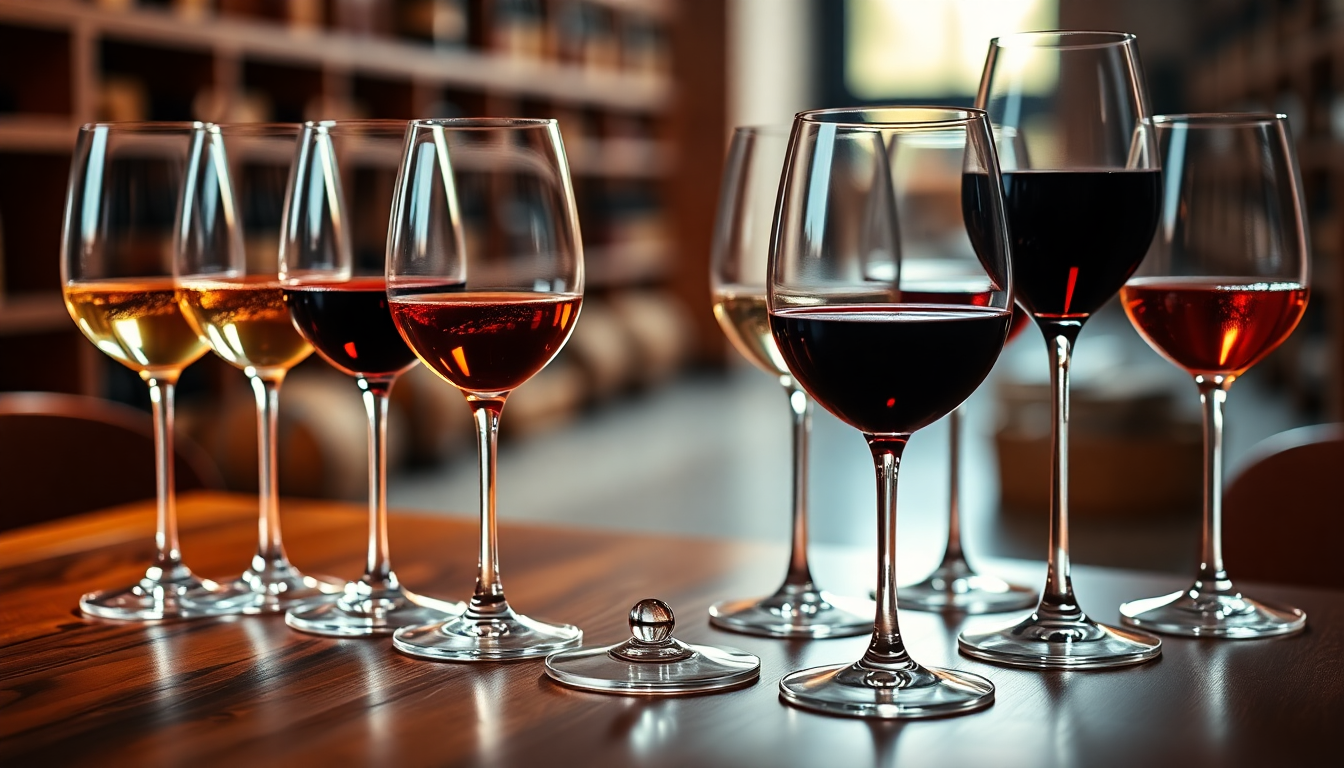
When you pick up a bottle of wine at Curtis Family Vineyards or any wine shop, one of the first things you'll notice on the label is a number followed by the letters "ABV." This seemingly simple notation—typically ranging from 5% to 20% for most wines—actually tells you far more about the wine than you might initially realize. Understanding alcohol by volume, or ABV, is one of the most fundamental aspects of wine education, and it can significantly enhance your appreciation and selection of wines.
The alcohol content of a wine is not merely a technical specification; it's a window into the wine's character, its production process, the grape variety used, and even the climate where the grapes were grown. Whether you're a seasoned wine enthusiast or someone just beginning to explore the world of wine, understanding what ABV means and how it influences your drinking experience is essential knowledge that will serve you well in every wine-related decision you make.
What is ABV and How is it Measured?
ABV stands for Alcohol by Volume, and it represents the percentage of pure alcohol contained in a liquid. In the context of wine, this measurement tells you exactly how much of the bottle's contents is ethanol—the type of alcohol produced during fermentation when yeast converts the sugars in grape juice into alcohol and carbon dioxide.
The measurement is straightforward in theory: if a wine has an ABV of 14%, it means that 14% of the liquid volume is pure ethanol, while the remaining 86% consists of water, acids, tannins, sugars, and various other compounds that give the wine its flavor, color, and character. However, the process of determining this percentage and understanding what it means requires a bit more explanation.
Wine producers measure ABV using several methods. The most common approach involves using a hydrometer, which measures the density of the liquid before and after fermentation. By comparing these two measurements, producers can calculate how much sugar has been converted to alcohol. Modern laboratories also use more sophisticated equipment like gas chromatography to measure alcohol content with extreme precision, though these methods are typically reserved for quality control and regulatory compliance purposes.
The legal requirement for wine labels to display ABV exists in most countries, including the United States, where wines must display their alcohol content within a specific range. In the U.S., the law allows for a margin of error of 1.5% for wines with an ABV of 14% or higher, and 1% for wines below 14%. This tolerance exists because measuring alcohol content is not an exact science, and slight variations can occur due to factors like temperature fluctuations during fermentation and the natural variation in grape composition from vintage to vintage.
The Science Behind Fermentation and Alcohol Production
To truly understand ABV and what it means for a wine, it's helpful to understand the fermentation process that creates alcohol in the first place. Wine fermentation is a biological process that has been used by humans for thousands of years, though the science behind it wasn't fully understood until relatively recently.
When grapes are harvested and crushed, their juice contains natural sugars, primarily glucose and fructose. This juice also contains wild yeasts on the grape skins, though most modern winemakers use cultured yeast strains to ensure more predictable and controlled fermentation. These yeasts are living organisms that consume the sugars in the grape juice and convert them into ethanol and carbon dioxide through a metabolic process.
The equation for this process is relatively simple: one molecule of glucose (a sugar) is converted by yeast into two molecules of ethanol and two molecules of carbon dioxide. However, the actual fermentation process is far more complex, involving numerous chemical reactions and the production of various byproducts that contribute to the wine's final flavor profile.
The rate and completeness of fermentation depend on several factors. Temperature plays a crucial role; yeast works most efficiently within a specific temperature range, typically between 55 and 75 degrees Fahrenheit, depending on the yeast strain. Too cold, and fermentation slows dramatically or stops entirely. Too hot, and the yeast can become stressed or even die. The pH of the juice, the nutrient content available to the yeast, and the health of the yeast culture all influence how efficiently fermentation proceeds.
One of the most important factors affecting fermentation is the initial sugar content of the grape juice, measured in degrees Brix. A higher Brix reading indicates more sugar in the juice, which theoretically means more alcohol can be produced. However, yeast has limits to how much alcohol it can tolerate. Most wine yeasts can produce alcohol up to about 15-16% ABV before the alcohol becomes toxic to the yeast cells, causing fermentation to stop. This is why some wines naturally stop fermenting before all the sugar is converted to alcohol, leaving residual sugar in the wine.
How Climate and Grape Ripeness Affect ABV
One of the most significant factors determining a wine's final ABV is the ripeness of the grapes at harvest. Riper grapes contain more sugar, and more sugar means the potential for higher alcohol content. This relationship between ripeness and ABV is one of the most important concepts in understanding wine production and quality.
In cooler wine regions, such as those in northern Europe or high-altitude areas, grapes struggle to achieve full ripeness. The growing season is shorter, and the sun's warmth is less intense. Consequently, grapes in these regions typically have lower sugar content, resulting in wines with lower ABV. A Riesling from Germany's Mosel region, for example, might have an ABV of only 8-10%, while a Riesling from a warmer region could easily reach 13-14% ABV.
Conversely, in warmer climates like California, Australia, or southern France, grapes ripen more fully and accumulate more sugar. Wines from these regions typically have higher ABV, often ranging from 14-15% or even higher. This is why California Cabernet Sauvignons are often noticeably higher in alcohol than their Bordeaux counterparts, even though they're made from the same grape variety.
The relationship between climate and ABV has become increasingly important in recent years due to climate change. As global temperatures rise, vineyards in traditionally cool regions are experiencing warmer growing seasons, allowing grapes to ripen more fully and produce wines with higher alcohol content than they historically have. Some winemakers in these regions are actually concerned about this trend, as they fear their wines will lose the elegant, balanced character that comes from lower alcohol levels.
Conversely, some winemakers in warmer regions are experimenting with earlier harvest dates to capture grapes with lower sugar content, allowing them to produce wines with more moderate alcohol levels. This reflects a growing recognition that higher alcohol doesn't necessarily mean better wine, and that balance is often more desirable than power.
The Range of ABV in Different Wine Styles
Different wine styles naturally fall into different ABV ranges, and understanding these ranges can help you know what to expect when you select a wine. This knowledge is particularly useful when you're shopping at Curtis Family Vineyards or any wine retailer, as it helps you make informed choices based on your preferences.
Light-bodied white wines, such as Pinot Grigio, Sauvignon Blanc, and Albariño, typically have ABV ranging from 10-12%. These wines are refreshing and crisp, with delicate flavors that would be overwhelmed by higher alcohol content. The lower alcohol contributes to their light, easy-drinking character.
Medium-bodied white wines, including Chardonnay, Viognier, and Grüner Veltliner, usually fall in the 12-14% ABV range. These wines have more body and complexity than their lighter counterparts, and the slightly higher alcohol helps support their richer flavors and fuller mouthfeel.
Full-bodied white wines, such as oaked Chardonnay and Sauternes, often reach 13-15% ABV or higher. The higher alcohol content contributes to their weight and richness on the palate.
Red wines generally have higher ABV than white wines, partly because red grapes tend to ripen to higher sugar levels, and partly because the winemaking process for red wines often encourages fuller fermentation. Light-bodied red wines like Pinot Noir and Beaujolais typically have 12-14% ABV. Medium-bodied reds like Merlot and Grenache usually range from 13-15% ABV. Full-bodied reds like Cabernet Sauvignon, Syrah, and Barolo often reach 14-16% ABV or higher.
Fortified wines, which have spirits added to them, exist in a completely different category. Ports, Sherries, and Madeiras typically have ABV ranging from 15-20%, with some reaching even higher levels. These wines are designed to be sipped in smaller quantities and often served as dessert wines or aperitifs.
Sparkling wines present an interesting case. Most champagnes and other traditional method sparkling wines have ABV around 12-13%, similar to still white wines. However, some sparkling wines, particularly those made in warmer regions, can reach 14% ABV or higher.
What ABV Tells You About Wine Quality and Character
One of the most common misconceptions about wine is that higher ABV automatically means better quality. This is simply not true. ABV is one characteristic of a wine, but it's far from the only factor that determines quality. However, ABV does tell you something important about the wine's character and how it will taste.
Higher alcohol wines tend to feel heavier and fuller on the palate. This is partly due to the alcohol itself, which has a warming sensation and contributes to the wine's body and texture. Higher alcohol wines often have riper, more intense fruit flavors and may taste slightly sweeter, even if they're technically dry. The alcohol can also make certain flavors more pronounced and can contribute to a longer finish.
Lower alcohol wines, by contrast, tend to feel lighter and more delicate. They often showcase more subtle flavors and can have a crisper, more refreshing character. Lower alcohol wines are often preferred by those who want to enjoy wine without the heaviness or warming sensation of higher alcohol content.
Neither approach is inherently better; it's a matter of personal preference and context. A light, crisp Sauvignon Blanc with 11% ABV might be perfect for a summer afternoon, while a full-bodied Cabernet Sauvignon with 15% ABV might be ideal for a winter evening or a special dinner.
ABV also tells you something about the winemaker's philosophy and the conditions of the vintage. A winemaker who produces wines with consistently lower ABV might be prioritizing elegance and balance over power. A winemaker in a warm region who produces wines with high ABV might be embracing the natural ripeness of their grapes. A vintage with unusually high ABV across multiple producers might indicate an exceptionally warm growing season.
The Impact of ABV on Food Pairing
Understanding ABV is crucial for successful food pairing, as alcohol content significantly influences how a wine interacts with food. This is one of the most practical applications of understanding ABV, and it's something that will improve your dining experiences.
Lower alcohol wines, typically those below 12% ABV, pair well with lighter foods like seafood, salads, and delicate appetizers. The lower alcohol doesn't overpower these subtle flavors, and the wine's acidity and freshness complement the food nicely. These wines are also excellent choices for longer meals where you want to enjoy multiple glasses without becoming too intoxicated.
Medium alcohol wines, in the 12-14% ABV range, are the most versatile for food pairing. They work well with a wide range of foods, from poultry and lighter fish dishes to pasta and vegetable-based preparations. This versatility is one reason why wines in this range are so popular.
Higher alcohol wines, above 14% ABV, pair best with richer, more substantial foods like red meat, game, and dishes with heavy sauces. The wine's weight and intensity match the richness of the food, creating a harmonious pairing. The alcohol's warming sensation also complements the warmth of cooked foods.
The alcohol content also affects how a wine's tannins interact with food. Tannins are compounds in wine that create a drying sensation in your mouth. Higher alcohol wines often have more pronounced tannins, which can be softened by the proteins and fats in food. This is why high-alcohol red wines pair so well with steak and other fatty meats.
How ABV Affects the Drinking Experience
Beyond flavor and food pairing, ABV has a direct impact on the physical and psychological experience of drinking wine. Understanding these effects can help you make better choices about when and how much wine to drink.
Alcohol is absorbed into the bloodstream through the stomach and small intestine. The rate of absorption depends on several factors, including whether you've eaten food, your body weight, your metabolism, and your tolerance to alcohol. Higher ABV wines deliver alcohol to your bloodstream more quickly than lower ABV wines, meaning you'll feel the effects more rapidly.
This has practical implications for how you should approach drinking different wines. If you're drinking a high-alcohol wine, you might want to eat food with it and drink more slowly to moderate the rate of alcohol absorption. If you're drinking a lower alcohol wine, you can typically enjoy it more freely without worrying as much about rapid intoxication.
The warming sensation associated with alcohol is more pronounced in higher ABV wines. Some people enjoy this sensation, while others find it unpleasant. If you're sensitive to this warming effect, you might prefer lower alcohol wines or wines served at cooler temperatures, which can help minimize the sensation.
Higher alcohol wines also tend to cause more pronounced hangovers in some people, though this is influenced by many factors beyond just ABV, including the wine's sulfite content, tannin levels, and your own hydration and food intake. The congeners in wine—compounds like tannins and histamines—also contribute to hangover severity, so a high-alcohol wine isn't necessarily worse than a lower alcohol wine in this regard.
The Evolution of ABV in Modern Winemaking
Over the past few decades, there has been a noticeable trend toward higher ABV wines, particularly in the United States and other New World wine regions. In the 1980s and 1990s, wines with 13% ABV were considered quite full-bodied. Today, 14-15% ABV is common for many red wines, and some reach 16% or higher.
This trend has several causes. Climate change has made grapes ripen to higher sugar levels in many regions. Consumer preferences have shifted toward riper, fruitier wines with more pronounced flavors, which naturally correlate with higher alcohol. Winemaking techniques have also improved, allowing producers to work with very ripe grapes and still produce balanced wines.
However, there's also been a counter-movement in recent years, with some winemakers and consumers expressing concern about excessively high alcohol levels. Critics argue that very high-alcohol wines can be unbalanced, with the alcohol overwhelming the wine's other characteristics. They also point out that higher alcohol wines are less food-friendly and less suitable for everyday drinking.
This has led to a renewed interest in lower alcohol wines, particularly in Europe where traditional winemaking practices have always emphasized balance over power. Some producers are experimenting with earlier harvest dates, cooler fermentation temperatures, and other techniques to produce wines with more moderate alcohol levels. Natural wines and orange wines, which have become increasingly popular in recent years, often have lower ABV than conventional wines.
Reading and Interpreting ABV on Wine Labels
When you're shopping for wine, the ABV is always displayed on the label, but understanding exactly what you're looking at requires a bit of knowledge. In most countries, the ABV must be displayed prominently on the front or back label, usually as a percentage followed by the word "alcohol" or the abbreviation "alc."
In the United States, the ABV must be displayed as a percentage with a tolerance of 1.5% for wines with 14% ABV or higher, and 1% for wines below 14%. This means a wine labeled as 14% ABV could legally contain anywhere from 12.5% to 15.5% ABV. This tolerance exists because measuring alcohol content is not an exact science, and slight variations occur naturally.
Some producers display the ABV as a range, such as "13.5-14.5% ABV," which gives you a better sense of the actual alcohol content. Other producers display a single number, which represents their best estimate of the alcohol content.
When comparing wines, it's important to remember that the ABV on the label is just one piece of information. Two wines with the same ABV can taste quite different depending on their other characteristics. A wine with 14% ABV might taste dry or sweet, light or full-bodied, depending on its residual sugar content, acidity, tannin levels, and other factors.
ABV and Wine Storage
The alcohol content of a wine also has implications for how long it can be stored. Higher alcohol wines generally have better aging potential than lower alcohol wines, partly because alcohol acts as a preservative. Alcohol inhibits the growth of bacteria and other microorganisms that could spoil the wine.
This is one reason why fortified wines, with their high alcohol content, can last for decades or even centuries when properly stored. A vintage Port from 1945 can still be delicious today, thanks in part to its high alcohol content, which has preserved it over the decades.
Lower alcohol wines, particularly those below 11% ABV, are generally meant to be consumed relatively soon after purchase. They lack the preservative power of higher alcohol, and their delicate flavors can fade over time. However, this doesn't mean they

Leave a comment
This site is protected by hCaptcha and the hCaptcha Privacy Policy and Terms of Service apply.