

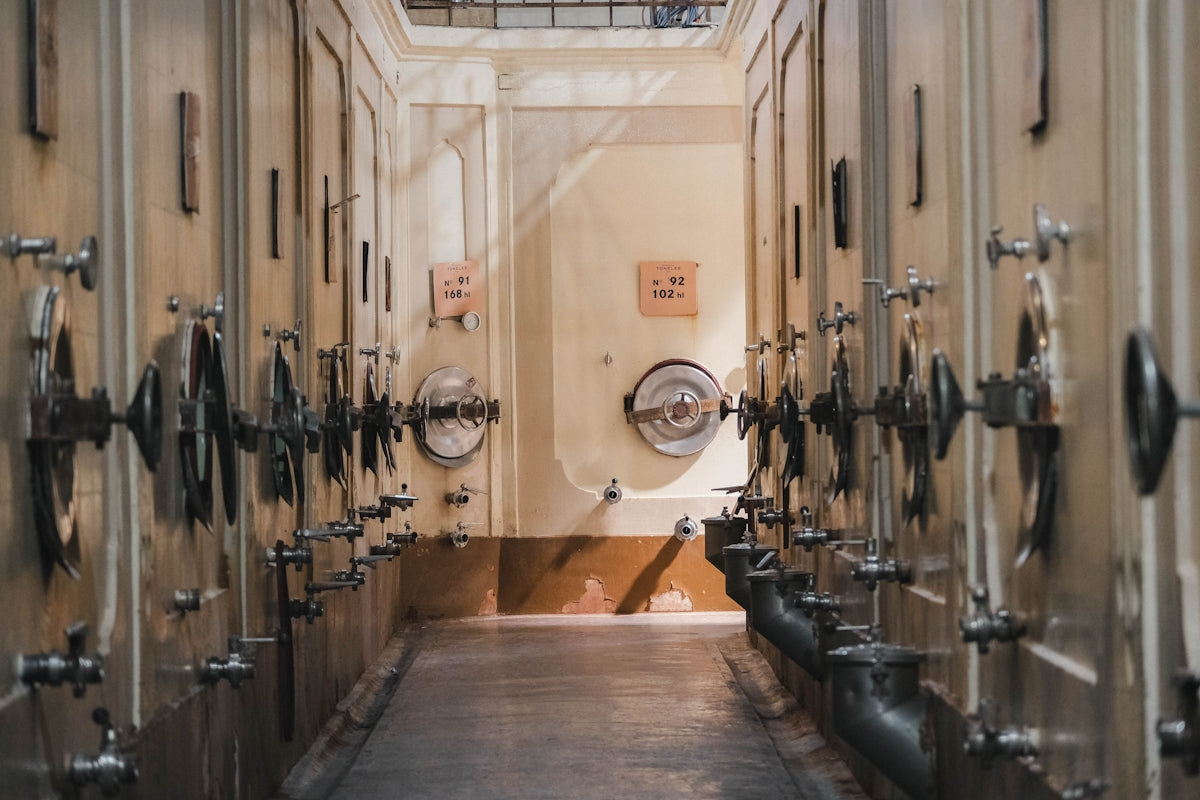
In the world of winemaking, understanding the intricate components that make up the structure of wine is essential for crafting exceptional vintages. Among these components, tannins play a pivotal role. Tannins are naturally occurring compounds found in the seeds, skins, and stems of grapes and are key contributors to the texture, complexity, and longevity of a wine.
What Are Tannins?
Tannins are polyphenolic compounds that belong to a larger group known as flavonoids. These bitter and astringent compounds are what give red wines their structure and complexity. They interact with proteins and other components in the mouth, creating a drying sensation often described as "mouthfeel." This sensation, although initially daunting for some, is valued for the depth and character it can impart to a well-crafted wine.
The Role of Tannins in Winemaking
For winemakers, the challenge is to manage tannin levels during the vinification process to achieve a balanced and harmonious wine. The skill lies in knowing how to extract the right amount of tannins through skin contact and fermentation techniques. The art of blending becomes particularly important with varietals that have different tannin levels, such as in the crafting of certain red blends.
The Cavaliere Grenache Shiraz Mourvedre from Curtis Family Vineyards is a perfect example of a skillful blend that showcases how diverse tannin profiles can create a harmonious and complex wine. Grenache, with its softer tannins, Shiraz contributing spice and structure, and Mourvedre adding depth, all come together to deliver a delightful balanced wine.
Tannins and Wine Ageing
Tannins also contribute significantly to a wine's ageing potential. Wines with higher tannin content generally have a greater capacity for ageing, as the tannins gradually evolve and integrate over time, often leading to a mellower and more nuanced wine. The Heritage Cabernet Sauvignon is a prime example, where the firm tannin structure allows for a graceful development in the bottle, enhancing its appeal and complexity with age.
Contemporary Tannin Management
Modern techniques in tannin management allow winemakers to refine their approach, crafting wines that meet the desired flavour profiles while ensuring balance. The Cavaliere Shiraz takes full advantage of these contemporary techniques. This wine embodies a rich tannin structure complemented by vibrant berry flavours, creating an impactful yet elegant wine experience.
To explore more about the art of winemaking and the exquisite selections, visit Curtis Family Vineyards.
By delving into the world of tannins, winemakers not only master one of the craft's fundamental elements but also enhance the art of creating wines that reflect complexity, flavour, and a testament to the beautiful intricacies of nature's bounty.

Leave a comment
This site is protected by hCaptcha and the hCaptcha Privacy Policy and Terms of Service apply.