

Introduction
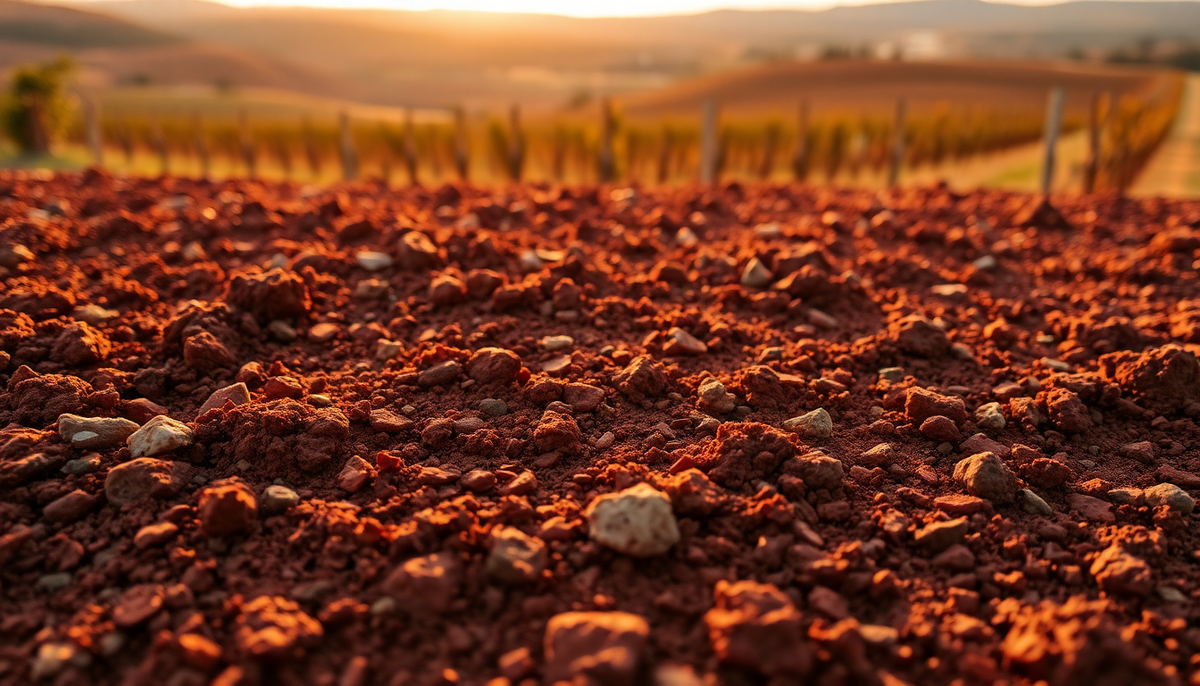
The McLaren Vale wine region in South Australia has earned its reputation as one of the world's premier Shiraz-producing areas, and much of this success can be attributed to a single, remarkable geological feature: terra rossa soil. This distinctive reddish earth, which translates to "red earth" in Italian, has become synonymous with the region's most celebrated wines. Understanding the relationship between terra rossa soil and the exceptional quality of McLaren Vale Shiraz requires us to delve deep into soil science, viticulture, and the complex interplay between geology and winemaking.
At Curtis Family Vineyards, we have long recognized that great wine begins in the vineyard, and more specifically, in the soil beneath our vines. The terra rossa soils of McLaren Vale represent a unique terroir that imparts distinctive characteristics to our Shiraz grapes, resulting in wines of remarkable depth, complexity, and aging potential. This blog post explores the fascinating story of terra rossa soil, its formation, its properties, and most importantly, why it produces such exceptional Shiraz wines.
Understanding Terra Rossa Soil: Geological Origins and Formation
Terra rossa soil is not unique to McLaren Vale, but the concentration and quality of this soil type in the region is exceptional. To understand why this soil is so special, we must first examine how it forms and what makes it distinct from other soil types found in wine regions around the world.
The Geological History of McLaren Vale
The McLaren Vale region sits on a complex geological foundation that has been shaped by millions of years of geological processes. The area's soil composition is primarily derived from the weathering of Paleozoic and Mesozoic rocks, combined with more recent deposits from the Quaternary period. The terra rossa soils that dominate much of the region's vineyard landscape are believed to have formed during the Tertiary period, when the climate was warmer and more humid than today.
The formation of terra rossa soil is intimately connected to the process of laterization, a weathering process that occurs in warm, humid climates. During this process, silica is leached from the soil profile, leaving behind iron and aluminum oxides that give the soil its characteristic red color. In McLaren Vale, this process was particularly effective due to the region's historical climate conditions and the specific parent materials from which the soil developed.
The Chemical Composition of Terra Rossa
The distinctive red color of terra rossa soil comes from iron oxides, primarily hematite and goethite. These iron compounds make up a significant portion of the soil's composition, typically accounting for 15-30% of the soil's weight. Beyond the iron oxides, terra rossa soil contains clay minerals, silica, and various trace elements that contribute to its unique properties.
The clay content in terra rossa soil is particularly important for viticulture. These clay minerals provide excellent water-holding capacity while still maintaining good drainage characteristics. The soil's pH is typically slightly acidic to neutral, ranging from 6.5 to 7.5, which is ideal for grapevine cultivation. The presence of various trace elements, including potassium, magnesium, and manganese, contributes to the soil's fertility and the nutritional profile of the grapes grown within it.
Soil Structure and Physical Properties
Beyond its chemical composition, terra rossa soil possesses distinctive physical properties that make it particularly suitable for viticulture. The soil typically has a well-developed structure, with good aggregation that promotes both water infiltration and retention. This balance is crucial for grapevines, which require consistent moisture availability without waterlogging.
The texture of terra rossa soil is generally classified as a clay loam, meaning it contains a balanced mixture of clay, silt, and sand particles. This texture provides the ideal balance between water retention and drainage. The soil's porosity allows for good root penetration, enabling grapevines to develop deep, extensive root systems that can access water and nutrients from deeper soil layers.
The Unique Terroir of McLaren Vale
Terroir is a French concept that encompasses all the environmental factors that influence the character of wine, including soil, climate, topography, and viticultural practices. In McLaren Vale, the terra rossa soil is just one component of a remarkable terroir that produces distinctive wines.
Climate and Its Interaction with Terra Rossa Soil
McLaren Vale experiences a Mediterranean climate, characterized by warm, dry summers and mild, wet winters. This climate pattern is ideal for Shiraz cultivation, as it allows for slow, even ripening of the grapes while maintaining good acidity levels. The terra rossa soil plays a crucial role in moderating the effects of this climate on the vines.
During the hot, dry summers, the terra rossa soil's excellent water-holding capacity ensures that vines have access to consistent moisture, even as surface water evaporates. This prevents the vines from experiencing excessive water stress, which could lead to uneven ripening or reduced fruit quality. Conversely, during the wetter winter months, the soil's good drainage characteristics prevent waterlogging and root rot, which could damage the vines.
Topography and Soil Variation
While terra rossa is the dominant soil type in McLaren Vale, the region's topography creates variations in soil depth and composition. The rolling hills and valleys of the region mean that terra rossa soils are found at varying depths, and in some areas, they overlay different parent materials. These variations create subtle differences in wine character from vineyard to vineyard, contributing to the region's diversity of expression.
Some of the most prized vineyard sites in McLaren Vale are located on slopes where terra rossa soils are relatively shallow, overlaying limestone or other calcareous materials. These sites produce wines with particular elegance and complexity, as the shallow soils force the vines to develop deeper root systems and create a degree of water stress that concentrates flavors in the fruit.
Why Terra Rossa Soil Produces Exceptional Shiraz
The relationship between terra rossa soil and exceptional Shiraz quality is not merely coincidental. There are specific mechanisms through which this soil type influences grape composition and wine character.
Nutrient Availability and Grape Composition
The mineral composition of terra rossa soil directly influences the nutritional profile of grapes grown within it. The soil's iron content, in particular, plays a role in the development of anthocyanins and other phenolic compounds in the grape skins. These compounds are responsible for the color, tannin structure, and flavor profile of red wines.
The trace elements present in terra rossa soil, including potassium, magnesium, and manganese, influence various aspects of grape development. Potassium, for instance, affects the pH of the grapes and their sugar accumulation. Magnesium is essential for chlorophyll synthesis and photosynthesis, while manganese plays a role in the development of aromatic compounds. The balanced availability of these elements in terra rossa soils contributes to the development of grapes with optimal sugar levels, acidity, and aromatic complexity.
Water Stress and Flavor Concentration
One of the most important ways that terra rossa soil influences Shiraz quality is through its effect on vine water status. The soil's water-holding capacity is high enough to sustain vines through dry periods, but not so high as to eliminate all water stress. This moderate water stress is actually beneficial for wine quality, as it encourages the vines to concentrate their resources in fruit production rather than vegetative growth.
When vines experience moderate water stress, they produce smaller berries with higher concentrations of sugars, tannins, and aromatic compounds. This results in wines with greater intensity of flavor, deeper color, and more complex tannin structures. The terra rossa soils of McLaren Vale are particularly effective at creating this optimal level of water stress, as they provide consistent moisture availability while still allowing the vines to experience periods of mild stress.
Root Development and Mineral Uptake
The physical properties of terra rossa soil encourage deep root development in grapevines. The soil's good structure and lack of compaction allow roots to penetrate deeply, accessing water and minerals from lower soil layers. This deep root development has several important consequences for wine quality.
First, deep roots allow vines to access water reserves that are less subject to seasonal variation, providing more consistent moisture availability throughout the growing season. Second, deeper roots access different mineral compositions at different soil depths, resulting in a more complex mineral profile in the grapes. Third, the effort required for roots to penetrate deeply encourages the development of a more robust root system, which contributes to vine longevity and stability.
The Distinctive Characteristics of McLaren Vale Shiraz
The combination of terra rossa soil and McLaren Vale's climate produces Shiraz wines with distinctive characteristics that are recognized and celebrated by wine enthusiasts around the world.
Color and Phenolic Development
McLaren Vale Shiraz is renowned for its deep, intense color, which ranges from dark ruby to almost black in young wines. This color intensity is directly related to the high concentration of anthocyanins in the grape skins, which is promoted by the mineral-rich terra rossa soils. The iron content of the soil, in particular, appears to play a role in the development of these pigments.
The phenolic compounds in McLaren Vale Shiraz are not only abundant but also well-balanced. The tannins are typically ripe and integrated, rather than harsh or green, reflecting the optimal ripening conditions provided by the region's climate and soils. The wine's color stability is also exceptional, with McLaren Vale Shiraz showing remarkable color retention even after many years of aging.
Flavor Profile and Aromatic Complexity
McLaren Vale Shiraz is characterized by a distinctive flavor profile that reflects both the grape variety and the region's terroir. The wines typically display ripe dark fruit flavors, including blackberry, plum, and dark cherry, often with secondary notes of licorice, pepper, and spice. These flavors are complemented by subtle earthy and mineral notes that reflect the terra rossa soil's influence.
The aromatic complexity of McLaren Vale Shiraz is one of its most distinctive features. The wines often display a complex bouquet that develops and evolves as the wine ages. Young wines may show primary fruit aromas and spicy notes, while older wines develop more complex secondary aromas, including leather, tobacco, and dried fruit notes. This aromatic evolution is facilitated by the wine's phenolic structure and alcohol content, both of which are influenced by the terra rossa soils.
Tannin Structure and Aging Potential
One of the most important characteristics of McLaren Vale Shiraz is its exceptional aging potential, which is directly related to its tannin structure. The wines typically have firm but ripe tannins that provide structure and complexity without overwhelming the palate. These tannins are well-integrated with the wine's fruit and acidity, creating a harmonious whole that evolves gracefully with age.
The tannin structure of McLaren Vale Shiraz is influenced by several factors related to terra rossa soil. The soil's mineral content affects the development of tannins in the grape skins, while the moderate water stress created by the soil encourages the development of ripe, well-polymerized tannins. The result is wines that can age for 15-20 years or more, developing increasing complexity and elegance as they mature.
Acidity and Balance
Despite the warm climate and ripe fruit characteristics of McLaren Vale Shiraz, the wines typically maintain good acidity levels. This acidity is essential for the wine's balance and aging potential. The terra rossa soil contributes to this acidity balance by moderating vine water stress and encouraging even ripening of the fruit. The soil's mineral content also influences the wine's acidity profile, contributing to the wine's overall complexity and balance.
Comparing Terra Rossa Soils: McLaren Vale and Other Regions
While terra rossa soils are found in other wine regions around the world, the terra rossa soils of McLaren Vale have distinctive characteristics that set them apart.
Terra Rossa in Mediterranean Wine Regions
Terra rossa soils are found in many Mediterranean wine regions, including parts of Italy, Spain, and Greece. These soils have similar origins and chemical compositions to those found in McLaren Vale, but there are important differences in their properties and the wines they produce.
In Mediterranean Europe, terra rossa soils often occur in more fragmented patterns, interspersed with other soil types. The climate in these regions is often hotter and drier than McLaren Vale, which can lead to more pronounced water stress and different grape characteristics. Additionally, the parent materials from which these soils developed may differ, leading to variations in mineral composition and trace element availability.
Comparison with Other Australian Wine Regions
Within Australia, terra rossa soils are found in several wine regions, including parts of the Coonawarra and Margaret River regions in Western Australia. However, the terra rossa soils of McLaren Vale are particularly extensive and well-developed, covering a larger proportion of the region's vineyard area.
The Coonawarra region, famous for its Cabernet Sauvignon, has terra rossa soils that are similar in composition to those of McLaren Vale but occur in a narrower band known as the "red strip." The climate of Coonawarra is cooler than McLaren Vale, which influences the character of wines produced there. Margaret River's soils are more diverse, with terra rossa occurring in some areas but not dominating the region as it does in McLaren Vale.
Unique Characteristics of McLaren Vale Terra Rossa
The terra rossa soils of McLaren Vale are distinctive in several ways. First, they cover a large proportion of the region's vineyard area, making them the dominant soil type rather than a localized occurrence. Second, the soils are generally well-developed and mature, with deep profiles that allow for extensive root development. Third, the specific mineral composition of McLaren Vale's terra rossa, influenced by the region's unique geological history, creates a distinctive mineral signature in the wines.
The Role of Terra Rossa in Sustainable Viticulture
Beyond its influence on wine quality, terra rossa soil plays an important role in sustainable viticulture practices in McLaren Vale.
Soil Health and Biological Activity
Terra rossa soils support a rich biological community, including beneficial microorganisms, fungi, and invertebrates. These organisms play crucial roles in soil health, including nutrient cycling, organic matter decomposition, and disease suppression. The soil's structure and mineral content support this biological activity, creating a living soil ecosystem that benefits grapevine health and productivity.
Sustainable viticulture practices in McLaren Vale focus on maintaining and enhancing this soil health. Practices such as cover cropping, reduced tillage, and organic matter addition help to maintain the soil's biological activity and structure. By preserving the health of the terra rossa soils, growers ensure the long-term sustainability of their vineyards and the continued production of high-quality wines.
Water Conservation and Climate Resilience
The water-holding capacity of terra rossa soils is particularly valuable in the context of climate change and increasing water scarcity. The soil's ability to retain moisture during dry periods reduces the need for irrigation, conserving water resources while maintaining vine health and productivity. This is increasingly important as climate change leads to more variable rainfall patterns and longer dry periods in many wine regions.
The terra rossa soils of McLaren Vale also contribute to climate resilience by moderating temperature fluctuations. The soil's thermal mass helps to buffer temperature changes, protecting vine roots from extreme heat or cold. This buffering effect becomes increasingly important as climate variability increases.
Carbon Sequestration and Climate Mitigation
Soils play an important role in carbon sequestration, storing carbon in organic matter and mineral forms. Terra rossa soils, with their rich mineral content and biological activity, have significant carbon storage potential. Sustainable viticulture practices that enhance soil organic matter, such as cover cropping and reduced tillage, increase the soil's carbon storage capacity, contributing to climate change mitigation.
Viticulture Practices Optimized for Terra Rossa Soils
Successful viticulture in McLaren Vale requires understanding and working with the unique properties of terra rossa soils. Over generations, growers have developed practices specifically tailored to these soils.
Vine Spacing and Density
The properties of terra rossa soils influence optimal vine spacing and density decisions. The soil's good water and nutrient-holding capacity can support higher vine densities than some other soil types, allowing growers to achieve greater fruit concentration per hectare. However, the specific spacing and density chosen depends on the individual vineyard's soil depth, aspect, and other factors.
At Curtis Family Vineyards, we carefully consider soil properties when determining vine spacing and density. In areas with deeper terra rossa soils, we may plant at higher densities, while in areas with shallower soils, we use lower densities to reduce competition for water and nutrients.
Irrigation Management
While terra rossa soils have excellent water-holding capacity, irrigation management remains important in McLaren Vale's Mediterranean climate. The goal is to provide consistent moisture availability while maintaining the moderate water stress that promotes fruit quality. Irrigation decisions are informed by soil moisture monitoring, weather forecasts, and vine phenology.
Modern irrigation technologies, such as drip irrigation and soil moisture sensors, allow growers to fine-tune water delivery to match vine requirements. By understanding the water-holding capacity and drainage characteristics of terra rossa soils, growers can optimize irrigation efficiency and water use.
Soil Management and Organic Matter
Maintaining soil health is essential for long-term vineyard productivity and sustainability. Practices such as cover cropping, mulching, and compost application help to maintain soil organic matter levels and support biological activity. These practices are particularly important in terra rossa soils, where organic matter levels can decline over time due to the warm climate and

Leave a comment
This site is protected by hCaptcha and the hCaptcha Privacy Policy and Terms of Service apply.