

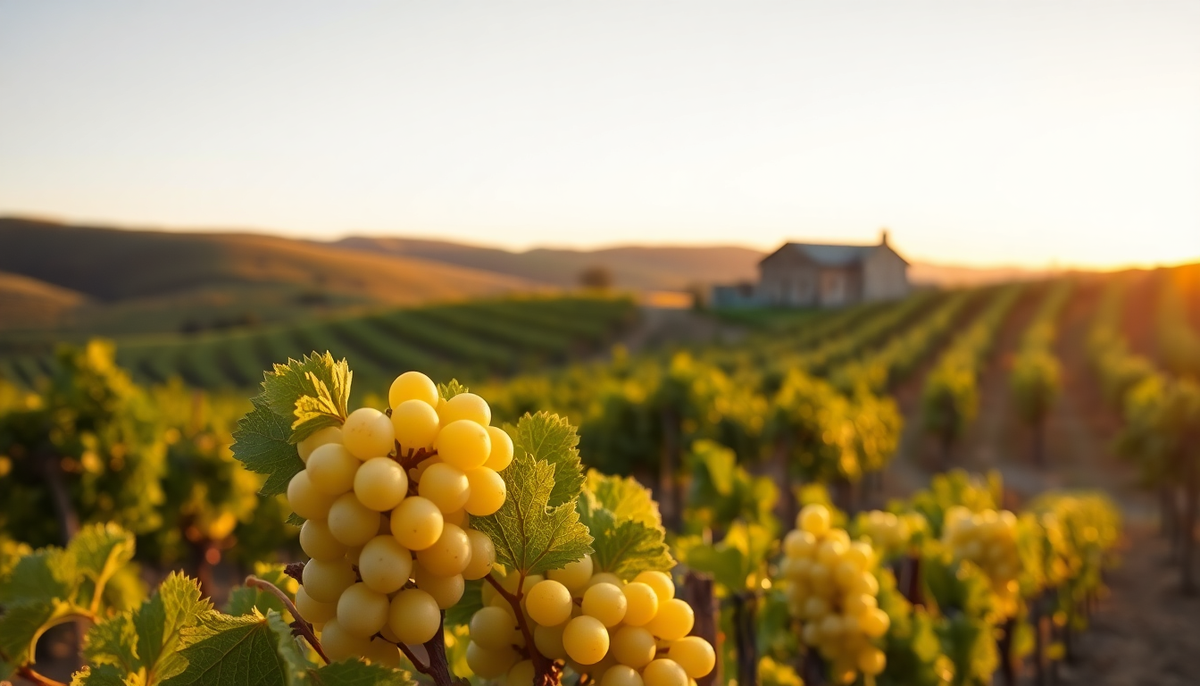
Riesling is one of the world's most misunderstood wine varieties. For many wine drinkers, the name conjures images of sweet, dessert-like wines that sit gathering dust on supermarket shelves. However, this perception couldn't be further from the truth, especially when it comes to the exceptional dry Rieslings produced in Australia. At Curtis Family Vineyards, we're passionate about introducing wine enthusiasts to the remarkable world of dry Riesling, and we believe that once you understand what makes this varietal so special, you'll understand why it deserves a place in your wine collection.
This comprehensive guide is designed for beginners who want to explore Riesling without feeling overwhelmed by technical jargon or pretentious wine culture. Whether you're a casual wine drinker looking to expand your horizons or someone who's been intimidated by wine terminology, this blog post will help you understand why dry Australian Riesling is not just worth trying, but worth seeking out and enjoying regularly.
Understanding Riesling: A Brief History and Overview
Before we dive into the specifics of Australian Riesling, it's important to understand the broader context of this remarkable grape variety. Riesling is one of the world's oldest and most noble grape varieties, with origins tracing back to the Rhine Valley in Germany, likely dating back to the 15th century. The name "Riesling" itself is believed to derive from the German word "reissen," which means "to tear off" or "to pull," possibly referring to the way the grapes cling to the vine.
For centuries, Riesling was primarily associated with Germany and the Alsace region of France, where winemakers developed a reputation for creating some of the world's finest wines from this varietal. The grape thrived in cool climates, where it could develop complex flavors while maintaining the acidity that makes Riesling so food-friendly and age-worthy.
However, the history of Riesling in the 20th century is complicated. As wine consumption patterns changed and marketing strategies shifted, Riesling became increasingly associated with sweet wines, particularly in the United States. This association was largely due to the success of German wine producers who exported sweet Rieslings to American markets, and the subsequent dominance of these wines in popular culture. Many wine drinkers came to believe that all Riesling was sweet, which unfortunately overshadowed the incredible dry Rieslings being produced in other parts of the world.
The good news is that this perception is changing. Wine enthusiasts around the globe are rediscovering the beauty of dry Riesling, and Australia has emerged as one of the world's premier producers of this style. Understanding this history helps explain why dry Riesling might be new to you, and why it's such an exciting time to explore this varietal.
The Australian Wine Revolution and Riesling's Rise
Australia's wine industry has experienced a remarkable transformation over the past few decades. While the country was once known primarily for producing bulk wines and fortified wines, Australian winemakers have increasingly focused on producing world-class wines that can compete with the best producers from traditional wine regions.
Riesling arrived in Australia in the early 19th century, brought by German and other European settlers. However, it wasn't until the latter part of the 20th century that Australian producers began to seriously explore the potential of dry Riesling. The turning point came when winemakers in regions like the Clare Valley and Eden Valley in South Australia realized that their cool-climate conditions were ideal for producing exceptional dry Rieslings that could rival the best examples from Europe.
What makes Australian Riesling unique is the combination of factors that come together in these regions. The cool nights help preserve acidity in the grapes, while the sunny days allow for full ripeness and flavor development. The result is a style of Riesling that is distinctly Australian: vibrant, mineral-driven, and incredibly food-friendly, yet with the complexity and aging potential that serious wine collectors appreciate.
Today, Australia produces some of the world's finest dry Rieslings, and the category has gained significant recognition among wine professionals and enthusiasts. Major wine competitions regularly feature Australian Rieslings among their top awards, and wine critics consistently praise the quality and value of these wines. For beginners, this is excellent news because it means you have access to world-class Rieslings at reasonable prices.
What Makes Riesling Different from Other White Wines
If you're new to wine, you might be wondering what sets Riesling apart from other white wine varieties like Sauvignon Blanc, Pinot Grigio, or Chardonnay. Understanding these differences will help you appreciate what makes Riesling so special.
Acidity and Freshness
One of the defining characteristics of Riesling is its naturally high acidity. This might sound like a negative quality, but in wine, acidity is actually a virtue. High acidity gives wine a sense of freshness and vibrancy that makes it incredibly food-friendly. It also helps wines age gracefully, allowing them to develop complexity over time.
When you taste a dry Australian Riesling, you'll notice a crisp, refreshing quality that makes your mouth water slightly. This is the acidity at work. Unlike some wines that can taste flat or heavy, Riesling maintains a lively character that makes it perfect for sipping on a warm day or pairing with a wide variety of foods.
Aromatic Complexity
Riesling is an aromatic grape variety, meaning it naturally produces wines with pronounced and complex aromas. This is one of the reasons why Riesling is so exciting to explore. Each bottle can reveal layers of different scents and flavors, from citrus and stone fruits to floral notes and mineral characteristics.
In dry Australian Riesling, you might encounter aromas of lime, lemon, green apple, peach, and apricot, along with more subtle notes of white flowers, honey, and sometimes even a hint of petrol or kerosene (which sounds odd but is actually a sign of quality and age-worthiness in Riesling). These complex aromas make tasting Riesling an engaging sensory experience.
Mineral Character
Australian Rieslings, particularly those from regions like the Clare Valley, are known for their mineral character. This term refers to flavors and aromas that evoke minerals like flint, slate, or limestone. While you won't actually taste rocks, the mineral character gives the wine a sense of place and terroir, connecting you to the specific vineyard where the grapes were grown.
This mineral quality is one of the reasons why dry Riesling is so prized by wine enthusiasts. It adds complexity and sophistication to the wine, making it interesting to explore and discuss.
Versatility and Food Pairing
Perhaps one of the most underrated qualities of Riesling is its incredible versatility with food. The combination of high acidity, aromatic complexity, and moderate alcohol content makes Riesling one of the most food-friendly wines in the world.
Dry Australian Riesling pairs beautifully with a wide range of cuisines and dishes. Whether you're enjoying fresh seafood, spicy Asian cuisine, light poultry dishes, or even vegetarian fare, there's likely a Riesling that will complement your meal perfectly. This versatility makes Riesling an excellent choice for beginners who want a wine that works well in many different situations.
Dry vs. Sweet: Understanding Riesling Styles
One of the most important concepts for beginners to understand is the difference between dry and sweet Riesling. This distinction is crucial because it explains why Riesling has such a mixed reputation and why dry Australian Riesling is such an exciting discovery for many wine drinkers.
What Determines Sweetness in Wine
The sweetness of a wine is determined by the amount of residual sugar remaining after fermentation. During fermentation, yeast consumes the natural sugars in grape juice and converts them into alcohol. If the winemaker allows fermentation to go to completion, most of the sugar is converted to alcohol, resulting in a dry wine. If fermentation is stopped before all the sugar is consumed, some residual sugar remains, creating a sweet wine.
Dry Riesling
Dry Riesling is made when the winemaker allows fermentation to proceed until nearly all the sugar is converted to alcohol. The result is a wine with minimal residual sugar, typically less than 4 grams per liter. This style of Riesling showcases the grape's natural acidity, mineral character, and complex flavors without the sweetness that many people associate with the variety.
Dry Australian Riesling typically has an alcohol content between 11% and 12.5%, which is moderate compared to many other white wines. This moderate alcohol level, combined with the wine's acidity and complexity, makes it incredibly refreshing and food-friendly.
Sweet Riesling
Sweet Riesling, on the other hand, is made when fermentation is stopped before all the sugar is consumed, leaving residual sugar in the wine. These wines can range from slightly sweet to very sweet, depending on how much sugar remains. Sweet Rieslings are often enjoyed as dessert wines or as aperitifs, and they can be absolutely delicious in the right context.
However, it's important to understand that sweet Riesling and dry Riesling are very different wines, and preferring one doesn't mean you won't enjoy the other. Many wine drinkers who initially disliked Riesling because they tried a sweet version find that they absolutely love dry Riesling once they give it a chance.
How to Identify Dry Riesling
If you're shopping for Riesling and want to make sure you're getting a dry version, there are a few ways to identify it. First, look at the label. Many producers will explicitly state "Dry" on the label. Second, you can look at the alcohol content. Dry Rieslings typically have alcohol levels between 11% and 12.5%, while sweet Rieslings often have lower alcohol levels, sometimes as low as 8% or 9%.
If you're still unsure, don't hesitate to ask the wine shop staff for help. At Curtis Family Vineyards, we're always happy to help customers find the perfect dry Riesling for their needs.
The Characteristics of Australian Dry Riesling
Now that you understand what Riesling is and how dry Riesling differs from sweet Riesling, let's explore the specific characteristics that make Australian dry Riesling so special and worth trying.
Climate and Terroir
Australia's cool-climate wine regions, particularly South Australia's Clare Valley and Eden Valley, provide ideal conditions for producing exceptional dry Riesling. These regions experience warm, sunny days that allow the grapes to ripen fully, but cool nights that help preserve the acidity that is so important to Riesling's character.
The concept of terroir refers to the idea that the specific environmental conditions of a vineyard—including climate, soil, topography, and other factors—influence the character of the wine produced there. Australian Riesling regions have distinctive terroir that produces wines with a particular style and character.
Flavor Profile
Dry Australian Riesling typically displays a vibrant flavor profile dominated by citrus fruits, stone fruits, and tropical fruits. You might encounter flavors of lime, lemon, grapefruit, green apple, peach, apricot, and sometimes even pineapple or passionfruit. These fruit flavors are complemented by the wine's mineral character and sometimes subtle floral notes.
The beauty of Australian Riesling is that it's not one-dimensional. While the fruit flavors are immediately apparent and appealing to beginners, there's also complexity and depth that rewards more careful exploration. As you taste more Riesling, you'll begin to notice subtle nuances and secondary flavors that make each bottle unique.
Acidity and Structure
As mentioned earlier, acidity is one of the defining characteristics of Riesling. Australian dry Rieslings typically have vibrant acidity that gives them a crisp, refreshing quality. This acidity is not harsh or unpleasant; rather, it's balanced and integrated into the overall structure of the wine.
The structure of a wine refers to how its various components—acidity, alcohol, tannins, and flavor—work together to create a cohesive whole. In dry Australian Riesling, the structure is typically elegant and balanced, with the acidity providing a backbone that supports the fruit flavors and mineral character.
Alcohol Content
Most dry Australian Rieslings have an alcohol content between 11% and 12.5%, which is moderate compared to many other wines. This moderate alcohol level is one of the reasons why Riesling is so refreshing and food-friendly. It also means that you can enjoy a glass of Riesling without feeling overly intoxicated, making it perfect for casual drinking or pairing with meals.
Aging Potential
One of the most exciting aspects of dry Australian Riesling is its aging potential. While many white wines are meant to be consumed young, quality dry Rieslings can age gracefully for many years, sometimes even decades. As Riesling ages, it develops additional complexity, with the fruit flavors becoming more integrated and secondary flavors emerging.
Young Rieslings are vibrant and fruit-forward, perfect for immediate enjoyment. Aged Rieslings develop more complex, mineral-driven characteristics, with flavors that might include honey, nuts, and dried fruits. This aging potential means that Riesling offers something for everyone, whether you prefer young, fresh wines or more complex, aged examples.
Why Beginners Should Try Dry Australian Riesling
If you're new to wine and wondering why you should specifically try dry Australian Riesling, there are several compelling reasons.
Accessibility and Approachability
Dry Australian Riesling is incredibly approachable for beginners. The fruit-forward flavors are immediately appealing and easy to enjoy, without requiring extensive wine knowledge or experience. You don't need to spend hours studying wine to appreciate a good Riesling; you can simply open a bottle, pour a glass, and enjoy it.
Additionally, Australian Rieslings are generally reasonably priced, especially compared to Rieslings from traditional European regions. This means you can explore and experiment with different producers and styles without breaking the bank.
Versatility
As mentioned earlier, dry Riesling is incredibly versatile with food. This versatility makes it perfect for beginners who want a wine that works well in many different situations. Whether you're cooking at home, dining out, or enjoying wine with friends, there's likely a Riesling that will work well.
Educational Value
Exploring Riesling is an excellent way to develop your wine knowledge and palate. Because Riesling is aromatic and expressive, it's easier to identify and discuss the flavors and aromas in the wine. This makes it a great starting point for learning about wine in general.
Quality and Recognition
Australian dry Riesling has gained significant recognition among wine professionals and enthusiasts. This means that when you explore this category, you're not just drinking a beginner's wine; you're exploring a category that serious wine lovers respect and appreciate. This recognition also means that you have access to high-quality wines at reasonable prices, as the category is not yet as hyped or expensive as some other wine categories.
How to Taste and Evaluate Dry Riesling
Now that you understand what dry Australian Riesling is and why it's worth trying, let's explore how to taste and evaluate it. Developing your tasting skills will help you get more enjoyment from the wine and develop your palate.
The Five Senses of Wine Tasting
Wine tasting involves engaging all five senses, though primarily sight, smell, and taste. Let's break down each step of the tasting process.
Appearance
Start by examining the wine's appearance. Pour the wine into a clear glass and hold it up to the light. Look at the color, clarity, and intensity. Dry Australian Riesling typically has a pale yellow or straw color, sometimes with hints of green, particularly in younger wines. The wine should be clear and bright, without any cloudiness or sediment.
The appearance of the wine can tell you something about its age and style. Younger Rieslings tend to be paler and sometimes have a greenish tint, while older Rieslings develop a deeper golden color.
Aroma
Next, smell the wine. This is one of the most important parts of wine tasting, as much of what we perceive as taste is actually smell. Swirl the wine gently in your glass to release the aromas, then bring the glass to your nose and inhale deeply.
Try to identify specific aromas. You might smell citrus fruits like lemon or lime, stone fruits like peach or apricot, or floral notes. Don't worry if you can't identify specific aromas at first; this skill develops with practice. It's also helpful to think about what the aromas remind you of, even if you can't identify them precisely.
Taste
Now it's time to taste the wine. Take a small sip and let it coat your mouth. Pay attention to the flavors you perceive, the acidity, the alcohol, and the overall balance of the wine. Try to identify specific flavors and think about how they compare to the aromas you smelled.
One helpful technique is to aerate the wine in your mouth by drawing in a small amount of air through your lips. This helps release more flavors and aromas, allowing you to perceive the wine

Leave a comment
This site is protected by hCaptcha and the hCaptcha Privacy Policy and Terms of Service apply.