

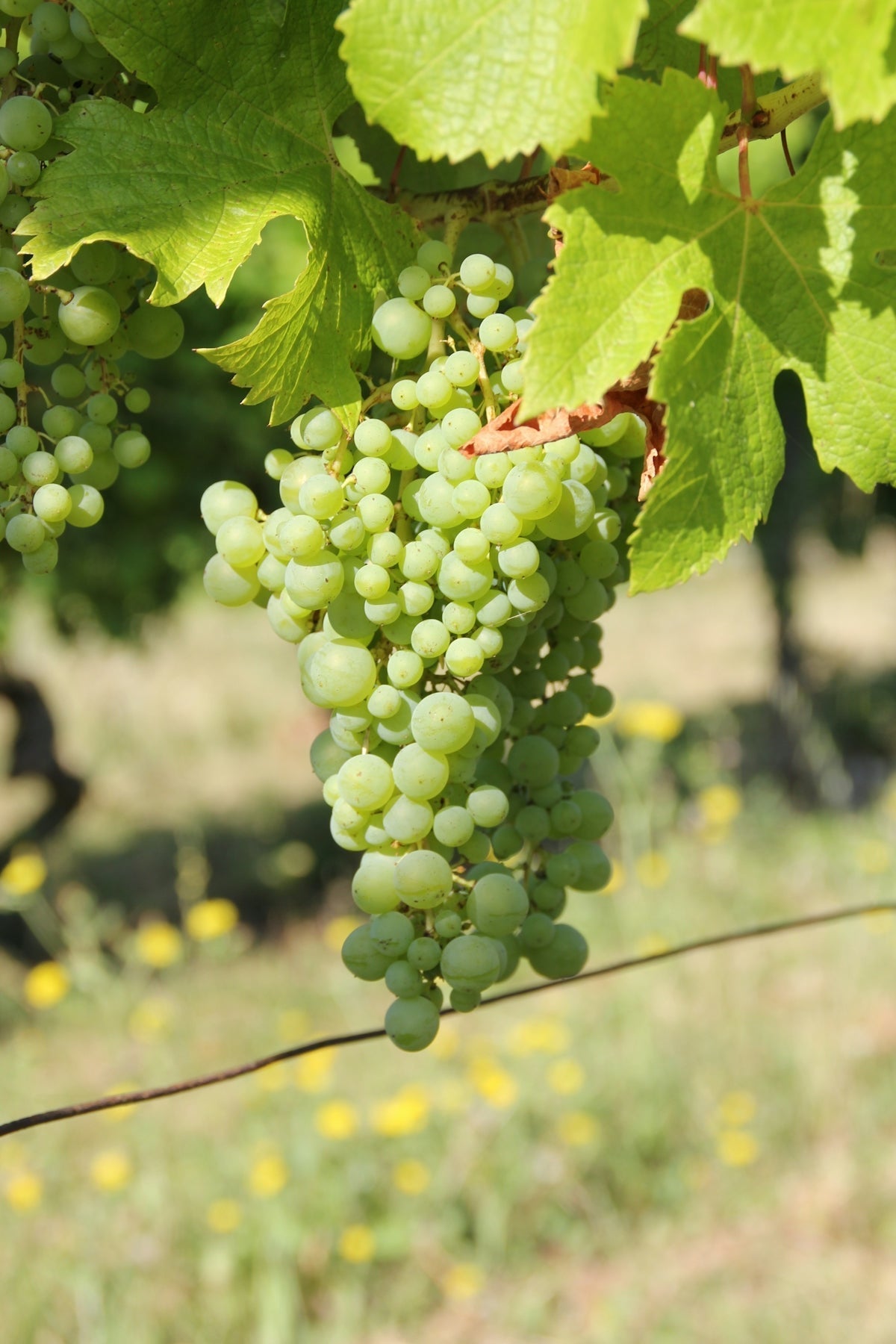
In the world of winemaking, the age-old understanding that great wine starts in the vineyard rings especially true when you consider the intricate concept of terroir. Terroir encapsulates the unique environmental factors such as soil, climate, and topography that influence the character of a wine. Today, we delve into how winemaking practices are adapted to complement varying terroirs, ensuring each bottle reflects its unique origins.
Understanding Terroir
Before diving into specific winemaking practices, let's take a moment to understand what terroir implies. Terroir isn't just about the soil but includes the entire ecosystem around the vineyard. Factors such as the amount of sunshine, rainfall, temperature fluctuations, and even the vineyard's topography can dramatically affect the grapes' characteristics and ultimately, the wine.
Pairing Winemaking Practices with Terroirs
Terra Rossa Soils and Shiraz
In regions like McLaren Vale, known for its Terra Rossa soils, the focus is often on bold red wines like Shiraz, which thrives in this environment. The well-draining red clay over limestone lends itself to producing wines with intense fruit flavours and robust structures.
Try: Curtis Terra Rossa Shiraz
The Terra Rossa Shiraz from Curtis Family Vineyards is a prime example of how the clay-rich soil imparts complexity and a depth of flavour, allowing the wine to showcase vibrant berry notes with a hint of spice.
Granite Soils and Grenache
Switching to another terroir, granite soils are renowned for their heat retention and drainage capabilities. These conditions are ideal for Grenache, a grape variety that demands warmth and can express a wide range of aromas and flavours when grown in granite-based soils.
Try: Curtis Limited Series Grenache
The Limited Series Grenache demonstrates the beauty of granite soils, offering a wine rich with cherry, plum, and subtle herbaceous notes, showcasing the terroir's contribution to achieving balance in acidity and tannin structure.
Limestone Influence and Blanc de Blanc
Limestone soils are favoured for their ability to produce grapes that exhibit high acidity—perfect for sparkling wines. The mineral quality and cool temperature of limestone vineyards result in wines with precision and elegance.
Try: Curtis Heritage Sparkling Blanc de Blanc
The Heritage Sparkling Blanc de Blanc represents the quintessential qualities of the limestone terroir, offering a delicate effervescence, with crisp apple and citrus notes that linger gracefully on the palate.
Conclusion
The relationship between winemaking practices and terroir is a testament to the skill and art involved in producing exceptional wines. By understanding and embracing the characteristics of different terroirs, winemakers like those at Curtis Family Vineyards succeed in crafting wines that are true expressions of their unique origins.
Explore more of these exceptional wines and discover the unique taste of Curtis Family Vineyards at Curtis Family Vineyards.
