

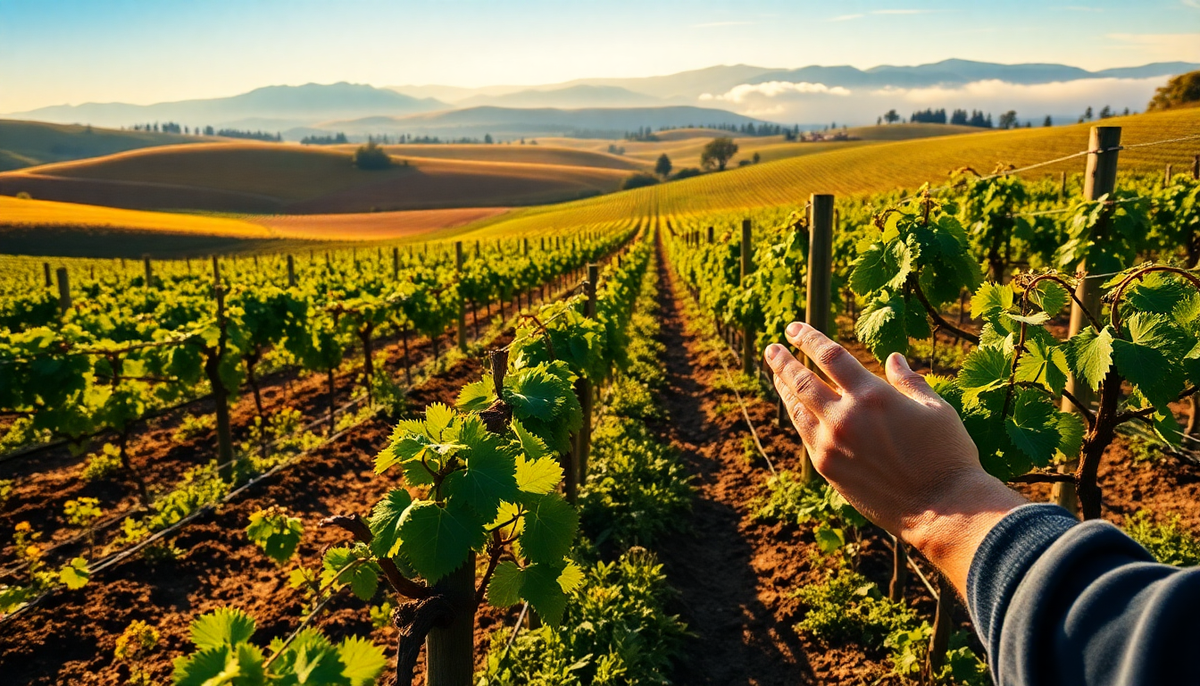
At Curtis Family Vineyards, we believe that exceptional wine begins with a deep respect for the land that produces it. For generations, our family has understood that the health of our vineyards directly impacts the quality of our wines and the legacy we leave for future generations. This commitment to sustainability isn't just a marketing strategy or a trendy business practice—it's woven into the very fabric of who we are as a winery and as stewards of the earth.
The journey toward sustainable viticulture is both challenging and rewarding. It requires us to constantly evaluate our practices, invest in new technologies, and sometimes return to time-honored methods that our ancestors understood intuitively. In this comprehensive exploration of our sustainable practices, we want to share with you the philosophy, the challenges, and the triumphs that define our approach to vineyard management at Curtis Family Vineyards.
Understanding Sustainability in Viticulture
Sustainability in vineyard management means finding the delicate balance between producing high-quality grapes while minimizing our environmental impact and maintaining the long-term health of our soil, water resources, and surrounding ecosystems. It's about recognizing that we are not separate from nature, but rather participants in a complex web of relationships that sustains all life.
The Three Pillars of Sustainable Viticulture
Sustainable vineyard practices typically rest on three fundamental pillars: environmental stewardship, economic viability, and social responsibility. At Curtis Family Vineyards, we integrate all three of these elements into every decision we make.
Environmental stewardship means protecting and enhancing the natural systems that support our vineyards. This includes maintaining healthy soil, conserving water, protecting biodiversity, and reducing our carbon footprint. We understand that the soil beneath our vines is not merely a growing medium—it's a living ecosystem teeming with microorganisms, fungi, and beneficial insects that contribute to the health and character of our grapes.
Economic viability ensures that our sustainable practices are financially sustainable. We recognize that a vineyard that cannot support the family and workers who tend it will not survive long-term. Therefore, we focus on practices that not only protect the environment but also create value and ensure the economic health of our operation. This might mean investing in equipment that reduces labor costs, implementing practices that increase yield efficiency, or developing premium products that command higher prices in the market.
Social responsibility encompasses our relationships with our employees, our community, and the broader society. We believe in fair wages, safe working conditions, and opportunities for professional development. We also engage with our local community through educational programs, environmental initiatives, and cultural events that celebrate the wine industry and our region's heritage.
Our Soil Management Philosophy
The foundation of everything we do at Curtis Family Vineyards begins with the soil. We have learned through years of observation and scientific study that healthy soil produces healthier vines, which in turn produce grapes with more complex flavors and better disease resistance.
Building Soil Health Through Organic Matter
One of the most important practices we have implemented is the regular addition of organic matter to our vineyard soils. We accomplish this through several methods. First, we maintain cover crops between our vine rows. These cover crops—typically a mix of legumes, grasses, and flowering plants—serve multiple purposes. They prevent erosion, suppress weeds, improve water infiltration, and when tilled back into the soil, add valuable organic matter and nitrogen.
We also practice minimal tillage in many of our vineyard blocks. Rather than turning over the soil each year, which can disrupt soil structure and harm beneficial microorganisms, we use targeted cultivation only where necessary. This approach helps preserve the complex soil architecture that has developed over years and decades.
Additionally, we have implemented a composting program that transforms vineyard waste—pruned canes, leaves, and other organic material—into rich compost that we return to the soil. This closes the nutrient loop and reduces the need for external inputs.
Soil Testing and Precision Agriculture
We believe in making decisions based on data rather than assumptions. To this end, we conduct comprehensive soil testing in different blocks throughout our vineyard every two to three years. These tests measure nutrient levels, pH, organic matter content, and microbial activity. By understanding the specific needs of different areas of our vineyard, we can apply amendments precisely where they are needed, rather than applying a one-size-fits-all approach across the entire property.
This precision agriculture approach not only improves our environmental performance but also enhances our economic efficiency. We avoid over-applying nutrients that would be wasted and potentially harmful to the environment, while ensuring that our vines receive exactly what they need to thrive.
Biodiversity and Soil Ecosystems
We have come to understand that a healthy vineyard soil is not a sterile medium but rather a vibrant ecosystem. We actively work to promote biodiversity in our soils by avoiding broad-spectrum pesticides and fungicides that can harm beneficial organisms. Instead, we focus on building soil health so that the vines themselves are more resistant to pests and diseases.
We have also introduced native plants and wildflowers in and around our vineyard blocks. These plants provide habitat for beneficial insects, birds, and other wildlife that help control pest populations naturally. For example, flowering plants attract parasitic wasps that prey on common vineyard pests. Native plants also help prevent erosion and improve water infiltration.
Water Conservation and Management
Water is one of the most precious resources in viticulture, and climate change has made water management increasingly critical. At Curtis Family Vineyards, we have invested significantly in water conservation technologies and practices.
Drip Irrigation Systems
We have transitioned most of our vineyard to drip irrigation systems, which deliver water directly to the root zone of each vine with minimal waste. Compared to traditional overhead sprinkler systems, drip irrigation can reduce water consumption by 30 to 50 percent while actually improving vine health and grape quality. The precise application of water also reduces disease pressure, as the foliage remains dry.
Our drip systems are equipped with soil moisture sensors that provide real-time data about water availability in the soil. This allows us to irrigate based on actual plant needs rather than on a predetermined schedule. During years with adequate rainfall, we may reduce or eliminate supplemental irrigation entirely, while in drier years, we can ensure that our vines receive the water they need to produce quality fruit.
Rainwater Harvesting
We have also implemented rainwater harvesting systems throughout our property. We capture runoff from our buildings and other structures in cisterns and storage ponds, which we then use for irrigation and other vineyard operations. This reduces our dependence on groundwater and surface water sources, helping to preserve these resources for other users and natural ecosystems.
Wastewater Management
The winemaking process generates wastewater that must be managed responsibly. We have implemented a comprehensive wastewater treatment system that includes settling ponds, constructed wetlands, and filtration systems. This treated water is then used for irrigation and dust control, further reducing our freshwater consumption.
Pest and Disease Management
One of the greatest challenges in sustainable viticulture is managing pests and diseases without relying heavily on synthetic pesticides and fungicides. We have developed an integrated pest management (IPM) approach that combines multiple strategies to keep our vineyards healthy.
Monitoring and Threshold-Based Decision Making
Rather than applying pesticides on a preventive schedule, we monitor our vineyards regularly for pest and disease pressure. We use pheromone traps to monitor insect populations, scout for disease symptoms, and track weather conditions that favor disease development. We only apply treatments when pest or disease populations exceed established thresholds that would cause economic damage.
This approach significantly reduces the number of applications we need to make, which benefits both the environment and our bottom line. It also helps prevent the development of pesticide resistance, which occurs when pests are exposed to chemicals too frequently.
Biological Control
We actively promote natural predators and parasites that control vineyard pests. For example, we encourage populations of ladybugs, lacewings, and parasitic wasps by maintaining habitat for these beneficial insects. We also use targeted releases of beneficial insects in some cases to quickly establish populations that can control pest outbreaks.
We have also experimented with pheromone disruption techniques, where we release synthetic pheromones that confuse male insects and prevent them from finding mates. This technique has proven particularly effective for managing certain moth species that damage grapes.
Organic and Low-Impact Fungicides
For fungal diseases like powdery mildew and downy mildew, which are common challenges in our region, we rely primarily on sulfur and other organic fungicides. These materials have been used in viticulture for over a century and have an excellent safety profile. We apply them strategically based on disease pressure and weather conditions, rather than on a fixed schedule.
We have also invested in research into new, low-impact fungicides derived from plant extracts and other natural sources. These materials offer promise for controlling diseases while minimizing environmental impact.
Canopy Management
One of the most effective disease management strategies is proper canopy management. By pruning and training our vines to ensure good air circulation through the canopy, we reduce humidity levels that favor fungal disease development. This practice also improves light penetration, which enhances grape ripening and quality.
Reducing Our Carbon Footprint
Climate change is one of the defining challenges of our time, and we recognize that the wine industry, like all agricultural sectors, has a responsibility to reduce its greenhouse gas emissions.
Energy Efficiency in the Winery
We have made significant investments in energy-efficient equipment and practices in our winery. Our cooling systems use high-efficiency compressors and heat recovery systems that capture waste heat for use in other processes. We have also upgraded our lighting to LED systems throughout the winery, which consume a fraction of the energy of traditional lighting while providing superior light quality.
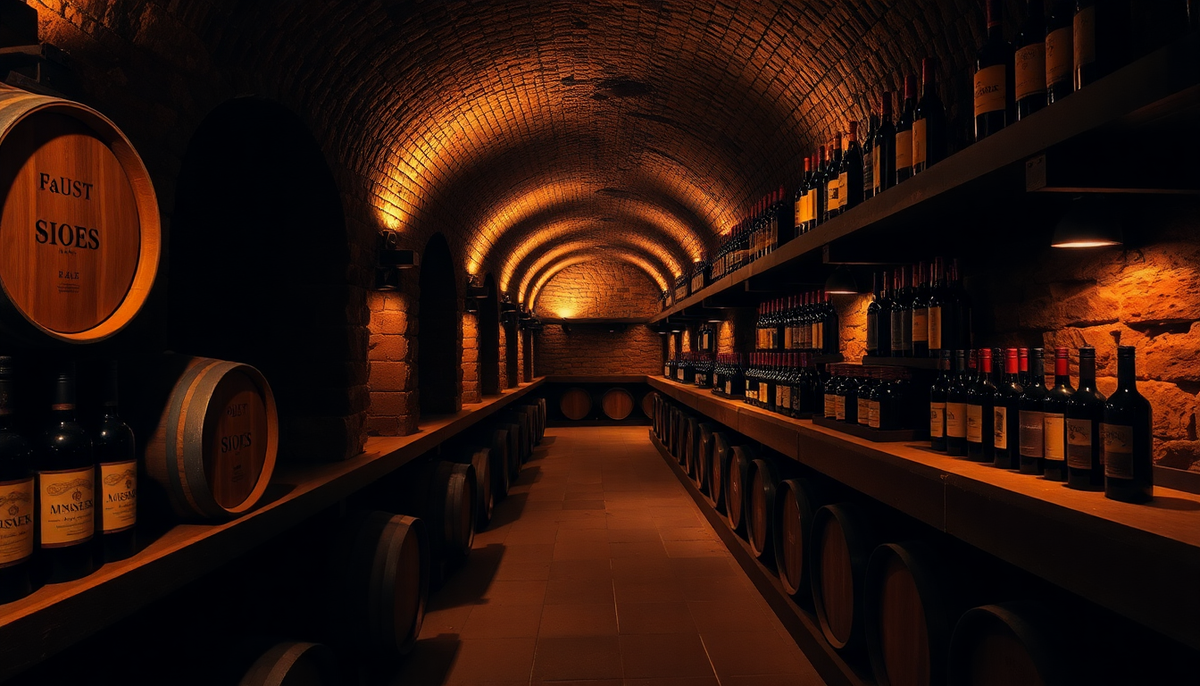
Our fermentation facilities are designed to minimize the need for temperature control. We use passive cooling techniques, including underground storage areas that maintain cool temperatures naturally, reducing our reliance on mechanical cooling systems.
Renewable Energy
We have installed a solar photovoltaic system on the roof of our winery that generates a significant portion of our electricity needs. We are also exploring the possibility of installing a small wind turbine on our property. While we cannot yet generate 100 percent of our energy from renewable sources, we are committed to increasing our renewable energy generation over time.
Sustainable Transportation
We work with our distributors and retailers to optimize transportation routes and consolidate shipments, reducing the number of vehicle miles required to deliver our wines to market. We have also begun exploring the use of lighter-weight bottles and more efficient packaging materials that reduce transportation emissions.
For our vineyard operations, we have invested in more efficient equipment and have optimized our use of vehicles and machinery. We maintain our equipment meticulously to ensure it operates at peak efficiency, and we train our staff in fuel-efficient driving practices.
Biodiversity and Ecosystem Health
Beyond the soil and water, we are committed to protecting and enhancing the broader ecosystem of our vineyard property.
Native Plant Restoration
We have undertaken a significant native plant restoration project on our property. In areas not used for grape production, we have removed invasive species and replanted native trees, shrubs, and wildflowers. These native plants provide habitat for birds, insects, and other wildlife, and they also help prevent erosion and improve water quality.
Wildlife Corridors
We recognize that our vineyard is part of a larger landscape, and wildlife needs to be able to move through the landscape to find food, water, and shelter. We have worked with conservation organizations to identify and protect wildlife corridors that connect our property to other natural areas. We maintain these corridors by avoiding pesticide use in these areas and by managing vegetation to provide food and cover for wildlife.
Bird-Friendly Practices
Birds play an important role in controlling insect pests in our vineyards. We actively work to attract and support bird populations by installing nest boxes, maintaining perches and roosting sites, and avoiding pesticides that would harm birds or their food sources. We have also reduced our use of bird netting, which can entangle and harm birds, by relying more on other pest management strategies.
Pollinator Support
Pollinators, including bees, butterflies, and other insects, are essential for the health of our ecosystem and for agriculture more broadly. We support pollinator populations by maintaining flowering plants throughout our vineyard, avoiding pesticides that harm pollinators, and providing water sources during dry periods.
Labor Practices and Community Engagement
Sustainability is not just about environmental practices—it also encompasses how we treat the people who work in our vineyards and winery.
Fair Wages and Benefits
We believe in paying our employees fair wages that reflect the skill and hard work required in viticulture and winemaking. We also provide comprehensive benefits, including health insurance, retirement plans, and paid time off. We recognize that our employees are our most valuable asset, and investing in their well-being is essential to our long-term success.
Safe Working Conditions
We maintain rigorous safety standards in both our vineyard and winery operations. We provide proper training, safety equipment, and supervision to ensure that our employees can work safely. We also maintain open communication channels so that employees can report safety concerns without fear of retaliation.
Professional Development
We invest in the professional development of our employees through training programs, mentorship opportunities, and support for continuing education. We believe that helping our employees develop their skills and knowledge benefits both them and our organization.
Community Involvement
We are active members of our local community and support various community initiatives. We sponsor local events, donate to charitable organizations, and participate in community service projects. We also host educational events at our vineyard where visitors can learn about sustainable viticulture and winemaking.
Challenges and Lessons Learned
The path toward sustainability has not always been easy, and we have encountered numerous challenges along the way. We believe it is important to be honest about these challenges and to share what we have learned.
Economic Pressures
One of the greatest challenges we face is the economic pressure to maximize short-term profits. Sustainable practices often require upfront investments that take years to pay back. For example, transitioning to organic viticulture typically involves a period of reduced yields and increased labor costs before the benefits become apparent. We have had to make the difficult decision to prioritize long-term sustainability over short-term profits, which requires confidence in our vision and commitment to our values.
Climate Variability
Climate change has brought increased variability in weather patterns, making it more difficult to predict and manage vineyard conditions. We have experienced years with excessive rainfall that promotes fungal diseases, followed by years of drought that stress the vines. We are constantly adapting our practices to respond to these changing conditions, and we are investing in research to develop grape varieties and management practices that are more resilient to climate variability.
Regulatory Compliance
Navigating the complex landscape of environmental regulations can be challenging. We work closely with regulatory agencies to ensure that our practices comply with all applicable laws and regulations. In some cases, we have found that regulations lag behind the best practices we want to implement, and we have had to advocate for regulatory changes that would support sustainable viticulture.
Knowledge and Expertise
Implementing sustainable practices requires knowledge and expertise that is not always readily available. We have invested in training for our staff and have partnered with universities and research institutions to access the latest scientific knowledge about sustainable viticulture. We have also learned from other vineyards and winemakers who are pursuing similar goals.
Market Recognition
One challenge we have faced is ensuring that consumers understand and value the sustainable practices we have implemented. Many consumers are not willing to pay a premium for sustainably produced wine, even though sustainable practices often increase production costs. We have worked to educate consumers about the benefits of sustainable viticulture and to build a market for our wines based on quality and sustainability.
Our Certification and Third-Party Verification
To demonstrate our commitment to sustainability and to provide transparency to our customers, we have pursued various certifications and third-party verifications of our practices.
Organic Certification
We have obtained organic certification for a significant portion of our vineyard. This certification verifies that we do not use synthetic pesticides, herbicides, or fertilizers, and that we follow strict standards for soil health and biodiversity. The organic certification process involves annual inspections and documentation of our practices.
Sustainable Winegrowing Certification
We are also certified through a sustainable winegrowing program that evaluates our practices across a broad range of environmental, social, and economic criteria. This certification requires us to demonstrate that we are continuously improving our practices and achieving measurable environmental and social benefits.
Carbon Footprint Assessment
We have conducted a comprehensive assessment of our carbon footprint, which includes emissions from our vineyard operations, winery facilities, and product transportation. Based on this assessment, we have developed a plan to reduce our emissions by 30 percent over the next decade.
Innovation and Future Directions
We are constantly looking for new ways to improve our sustainable practices and to innovate in viticulture and winemaking.
Precision Viticulture Technology
We are exploring the use of advanced technologies such as drones, satellite imagery, and artificial intelligence to monitor vineyard conditions and optimize our management practices. These technologies can provide detailed information about vine health, water stress, and disease pressure, allowing us to make more precise decisions about irrigation, pest management, and harvest timing.
Climate-Resilient Grape Varieties
We are participating in research projects to evaluate new grape varieties that are more resilient to climate change. These varieties may have greater drought tolerance, disease resistance, or ability to maintain acidity in warmer conditions. We are cautiously optimistic about the potential of these varieties to help us adapt to changing climate conditions while maintaining the quality and character of our wines.
Regenerative Agriculture
We are exploring regenerative agriculture practices that go beyond sustainability to actively improve soil health and ecosystem function. These practices include cover cropping, reduced tillage, diverse crop rotations, and livestock integration.

Leave a comment
This site is protected by hCaptcha and the hCaptcha Privacy Policy and Terms of Service apply.