

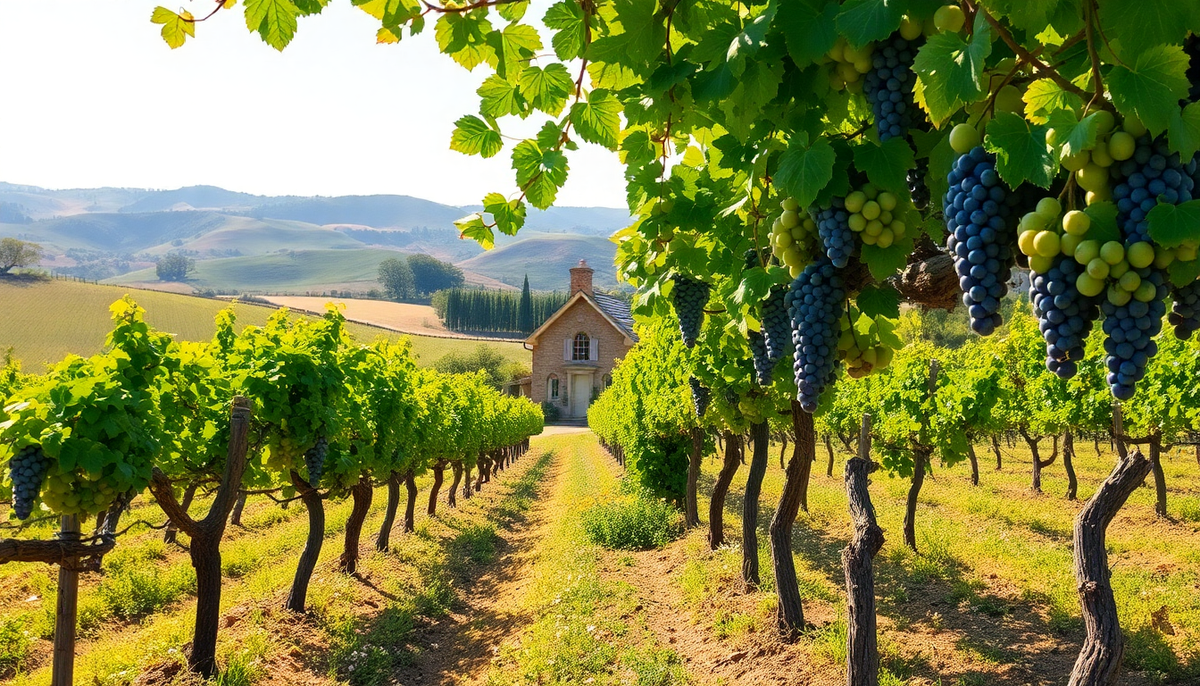
The vineyard is a place of constant transformation. While many people associate vineyards primarily with harvest time—that exciting period when grapes are picked and the winemaking process begins—the truth is that the most critical work happens long before a single grape is harvested. At Curtis Family Vineyards, we understand that the journey from dormant vines to ripe fruit is a complex, carefully orchestrated process that requires knowledge, dedication, and respect for nature's rhythms. This blog post will take you through the entire pre-harvest season, exploring what happens in the vineyard from the moment spring arrives until the grapes reach their perfect ripeness.
The Awakening: Early Spring in the Vineyard
As winter fades and temperatures begin to rise, the vineyard awakens from its dormant state. This period, typically occurring in March and April in the Northern Hemisphere, marks the beginning of the growing season. The vines, which have been resting through the cold months, start to show signs of life as sap begins to flow upward through the woody stems.
Bud Break and Its Significance
One of the most critical events in the vineyard calendar is bud break, the moment when the buds on the vines begin to swell and open. This is not a single event that happens on one day, but rather a gradual process that unfolds over several weeks. At Curtis Family Vineyards, our team monitors the vines closely during this period, watching for the first signs of green growth emerging from the buds.
Bud break is significant for several reasons. First, it indicates that the vines have successfully survived the winter and are ready to grow. Second, the timing of bud break can have important implications for the vintage. Early bud break means the growing season will be longer, potentially allowing grapes to achieve greater ripeness. However, early bud break also carries risks, as late spring frosts can damage the tender new growth and reduce the potential crop.
The timing of bud break varies depending on several factors, including the grape variety, the specific location within the vineyard, and weather conditions. Some varieties, like Chardonnay, tend to bud break earlier, while others, like Cabernet Sauvignon, typically break later. This natural variation is one reason why vineyards often plant multiple varieties—it spreads out the risk of frost damage and allows for a more extended harvest period.
Spring Frost Management
As the buds begin to break and tender shoots emerge, the vineyard becomes vulnerable to late spring frosts. A single frost event at the wrong time can devastate a vintage, destroying the year's crop before it even has a chance to develop. This is why frost protection is a critical concern for vineyard managers during early spring.
At Curtis Family Vineyards, we employ several strategies to protect our vines from frost damage. One traditional method is the use of frost candles or heaters placed throughout the vineyard. These create warm air that can protect the tender buds from freezing temperatures. Another approach involves using wind machines—large fans mounted on tall poles that push warmer air from above down to the vine level. Some vineyards also use sprinkler systems, which create a protective layer of ice around the buds; while this seems counterintuitive, the ice actually insulates the plant tissue and prevents damage.
Frost protection requires constant vigilance during the vulnerable period. Our team monitors weather forecasts carefully, and when frost threatens, we're prepared to activate our protection systems at a moment's notice. The decision to use frost protection is not made lightly, as these methods are labor-intensive and costly. However, the potential loss of an entire vintage makes the investment worthwhile.
Canopy Management: Shaping the Vine
As the vines grow and new shoots emerge, the vineyard enters a period of intensive canopy management. The canopy refers to the leafy growth of the vine, and managing it properly is essential for producing high-quality fruit.
Pruning and Training
While dormant season pruning happens in winter, spring pruning continues as the vines grow. This involves removing excess shoots and training the remaining growth in the desired direction. The goal is to create a balanced canopy that allows adequate sunlight to reach the fruit while maintaining enough leaf area to support photosynthesis and grape development.
Different vineyards use different training systems, each with its own advantages. At Curtis Family Vineyards, we use several systems depending on the variety and location. The cordon system, where permanent arms extend from the main trunk, is popular for many varieties. The vertical shoot positioning system, where shoots are trained upward and supported by wires, is another common approach. Each system requires different pruning and training techniques, but the goal is always the same: to create an optimal environment for grape ripening.
Shoot Thinning and Positioning
As shoots grow, vineyard workers thin them out, removing excess growth to ensure that the remaining shoots have adequate space and resources. This is labor-intensive work that requires skill and experience. The workers must understand the vine's physiology and know which shoots to keep and which to remove. Generally, we keep shoots that are well-positioned and vigorous, removing those that are weak or poorly placed.
Shoot positioning is also important. By carefully positioning the shoots as they grow, we can influence how much sunlight reaches the fruit and how air circulates through the canopy. Proper positioning helps prevent fungal diseases by improving air flow and reducing humidity around the fruit.
Flowering and Fruit Set
As spring progresses into early summer, the vines reach another critical stage: flowering. This typically occurs in May or June, depending on the climate and variety.
The Flowering Process
Flowering in grapevines is quite different from flowering in many other plants. Grape flowers are small and inconspicuous, lacking the colorful petals we associate with flowers. Instead, they consist of reproductive organs surrounded by a calyptra, a small cap-like structure that falls away as the flower opens. The flowers are hermaphroditic, meaning each flower contains both male and female organs, allowing for self-pollination.
The flowering period typically lasts about two weeks, though this can vary depending on weather conditions. During this time, the flowers open, pollen is released, and pollination occurs. This is a critical period because the success of flowering directly determines the size of the crop. If flowering is disrupted by poor weather—particularly cool, wet conditions or strong winds—pollination may be incomplete, resulting in poor fruit set.
Fruit Set and Coulure
Following successful pollination, the flowers develop into small green berries in a process called fruit set. However, not all flowers successfully develop into fruit. Some flowers fail to pollinate, and some developing berries drop off the vine in a phenomenon called coulure. This natural thinning is actually beneficial, as it reduces the crop load and allows the remaining berries to develop more fully.
At Curtis Family Vineyards, we monitor fruit set carefully. A good fruit set typically results in about 50-70% of flowers developing into berries. If fruit set is significantly lower, we know that the vintage may be smaller than expected. If it's higher, we may need to do additional thinning later in the season to ensure that the remaining fruit can ripen properly.
Summer Growth and Development
The summer months are a period of rapid growth and development in the vineyard. The vines are at their most vigorous, and the berries are growing quickly.
Veraison: The Turning Point
One of the most important events in the summer vineyard is veraison, the point at which the berries begin to change color and soften. For red varieties, this means the berries transition from green to red or purple. For white varieties, the berries turn from green to yellow or golden. Veraison typically occurs in late July or August, about 30-40 days before harvest.
Veraison marks a significant shift in the vine's physiology. Before veraison, the berries are primarily accumulating acids and developing the structure that will support the wine. After veraison, the focus shifts to sugar accumulation and the development of flavor compounds. This is why veraison is such an important milestone—it signals that the grapes are on their way to ripeness.
The timing of veraison can vary significantly depending on weather conditions. A warm spring and early summer can advance veraison by several weeks, while cool conditions can delay it. At Curtis Family Vineyards, we track veraison dates carefully, as they help us predict when harvest will occur and plan our harvest logistics.
Sugar Accumulation and Ripening
Following veraison, the berries continue to grow and accumulate sugar. This is the critical ripening phase where the grapes develop the characteristics that will ultimately define the wine. During this period, the berries are also developing flavor compounds, tannins (in red varieties), and other components that contribute to wine quality.
The rate of sugar accumulation depends on several factors, including temperature, sunlight exposure, water availability, and vine vigor. Warm days and cool nights are ideal for ripening, as they allow the berries to accumulate sugar during the day while maintaining acidity at night. Excessive vigor can actually slow ripening, as the vine puts energy into vegetative growth rather than fruit ripening.
Canopy Management in Summer
While spring canopy management focuses on training and shaping the vine, summer canopy management is more about maintaining the optimal balance between leaf area and fruit exposure.
Leaf Removal and Canopy Thinning
As the canopy becomes denser during summer, we selectively remove leaves to improve sunlight exposure to the fruit. This is particularly important for red varieties, where sunlight exposure directly affects color development. Removing leaves on the east side of the canopy in the morning allows the fruit to receive direct sunlight during the warmest part of the day, promoting ripening.
Leaf removal must be done carefully, however. While some leaf removal is beneficial, removing too many leaves can stress the vine and reduce its ability to ripen the fruit. The goal is to achieve a balance where the fruit receives adequate sunlight without compromising the vine's overall health.
Managing Excessive Vigor
In some years or locations, vines grow too vigorously, producing excessive vegetative growth at the expense of fruit ripening. This can happen when there's abundant water and nitrogen available. To manage excessive vigor, we may use techniques such as shoot tipping (removing the growing tips of shoots to stop their growth) or hedging (cutting back the canopy to a uniform height). These techniques redirect the vine's energy toward fruit ripening rather than vegetative growth.
Water Management and Irrigation
Water management is one of the most critical aspects of vineyard management, particularly during the growing season.
Understanding Vine Water Needs
Grapevines require water to grow and produce fruit, but they don't need as much water as many other crops. In fact, moderate water stress can actually improve wine quality by concentrating flavors and reducing excessive vigor. However, severe water stress can reduce crop yields and compromise fruit quality.
The amount of water a vineyard needs depends on several factors, including climate, soil type, vine age, and the desired style of wine. In cooler climates with adequate rainfall, irrigation may not be necessary. In warmer, drier climates, irrigation is essential for consistent grape production.
Irrigation Strategies
At Curtis Family Vineyards, we use several irrigation strategies depending on the specific conditions of different vineyard blocks. Drip irrigation, which delivers water directly to the root zone, is the most efficient method and allows for precise control of water delivery. Overhead sprinkler irrigation is less efficient but can be useful for frost protection.
The timing of irrigation is as important as the amount. Early in the season, when vines are establishing new growth, adequate water is important. As the season progresses and veraison approaches, we often reduce irrigation to create moderate water stress, which can improve fruit quality. This practice, called regulated deficit irrigation, requires careful monitoring to ensure that the vines don't become so stressed that fruit ripening is compromised.
Disease and Pest Management
The growing season brings not only opportunities for grape ripening but also challenges from diseases and pests that can damage the crop.
Fungal Diseases
The warm, humid conditions of summer create an ideal environment for fungal diseases. Powdery mildew, downy mildew, and botrytis are among the most common fungal diseases affecting grapevines. These diseases can reduce crop yields and compromise fruit quality.
At Curtis Family Vineyards, we use an integrated pest management approach that combines cultural practices, monitoring, and targeted treatments to manage fungal diseases. Cultural practices include proper canopy management to improve air circulation, removing infected leaves and berries, and maintaining good vineyard hygiene. We monitor the vineyard regularly for signs of disease, allowing us to catch problems early before they become widespread.
When treatments are necessary, we prefer to use sulfur and other materials that have minimal environmental impact. We apply these treatments preventatively during periods of high disease risk, rather than waiting until disease is visible. This approach is more effective and uses fewer chemical inputs than reactive treatments.
Insect Pests
While insects can be pests in the vineyard, not all insects are harmful. In fact, many insects are beneficial, helping to control pest populations or pollinate flowers. However, some insects, such as Japanese beetles, spider mites, and various leaf hoppers, can cause significant damage to vines and fruit.
Our approach to insect management emphasizes monitoring and understanding the pest population. We use pheromone traps to monitor pest populations and determine when treatment is necessary. When possible, we encourage natural predators and use cultural practices to manage pests. For example, removing weeds around the vineyard can reduce habitat for certain pests, while maintaining diverse vegetation can encourage beneficial insects.
Cluster Thinning and Crop Load Management
As the berries develop and approach ripeness, vineyard managers must make decisions about crop load—the amount of fruit the vine will produce.
The Importance of Crop Load
Crop load has a significant impact on wine quality. A vine with too much fruit will struggle to ripen all the berries adequately, resulting in underripe fruit and diluted flavors. A vine with too little fruit may produce overly concentrated, unbalanced wines. The optimal crop load depends on the variety, the vineyard location, and the desired style of wine.
Cluster Thinning Techniques
To achieve the desired crop load, we often thin clusters—removing some of the grape clusters from the vine before harvest. This concentrates the vine's energy on the remaining fruit, allowing it to ripen more fully and develop more intense flavors. Cluster thinning is labor-intensive work, typically done in late July or early August, after fruit set is complete but before the berries have begun to ripen significantly.
The decision about how much to thin depends on several factors. We assess the vine's vigor, the size of the clusters, and the desired final crop load. In some cases, we may remove 20-30% of the clusters, while in other cases, we may remove less or none at all. This decision-making process requires experience and a deep understanding of how different factors affect wine quality.
Monitoring Ripeness
As harvest approaches, the critical question becomes: when are the grapes ripe? This is not a simple question with a single answer, as ripeness is multifaceted and depends on several factors.
Sugar Ripeness
The most commonly measured aspect of ripeness is sugar content, typically measured in degrees Brix (the percentage of sugar in the juice). As grapes ripen, sugar accumulates in the berries, and Brix increases. Most grapes are harvested when they reach a specific Brix level, which varies depending on the variety and the desired style of wine.
At Curtis Family Vineyards, we monitor Brix regularly during the ripening period, typically starting about two weeks before we expect to harvest. We take samples from different parts of the vineyard, as ripeness can vary significantly depending on location, sun exposure, and vine vigor. This sampling helps us understand the ripeness profile of the vineyard and make informed decisions about harvest timing.
Phenolic Ripeness
For red wine grapes, sugar ripeness is only part of the story. Phenolic ripeness—the ripeness of the tannins and color compounds—is equally important. Phenolic ripeness develops more slowly than sugar ripeness, and in some years, the grapes may reach optimal sugar levels before the phenolics are fully ripe.
Assessing phenolic ripeness requires tasting the grapes and evaluating the seeds and skins. Ripe seeds are brown and bitter, while unripe seeds are green and herbaceous. Ripe skins are soft and easy to separate from the berry, while unripe skins are firm and difficult to separate. By tasting grapes regularly and evaluating these characteristics, we can determine when the phenolics are ripe.
Acidity
Acidity is another important component of ripeness. As grapes ripen, acidity decreases, which is generally desirable. However, some acidity is important for wine balance and aging potential. We monitor acidity levels throughout the ripening period to ensure that the grapes have adequate acidity when harvested.
Weather and Its Impact on Pre-Harvest Development
Throughout the entire pre-harvest season, weather plays a crucial role in determining how the grapes develop and ultimately the quality of the vintage.
Spring Weather
Spring weather affects bud break timing, frost risk, and the initial growth of the vines. A warm spring advances the growing season, while a cool spring delays it. Late spring frosts can devastate a vintage, while a frost-free spring allows the vines to develop normally.
Summer Weather
Summer weather determines how quickly the grapes ripen and how much sugar and flavor compounds they accumulate. Warm, sunny summers promote ripening and sugar accumulation.


Leave a comment
This site is protected by hCaptcha and the hCaptcha Privacy Policy and Terms of Service apply.