

When you're browsing through a wine shop or perusing an auction catalog, you might encounter bottles labeled as "Museum Release." This term can seem mysterious to the uninitiated, but it carries significant meaning in the wine world. At Curtis Family Vineyards, we believe that understanding wine terminology helps you make better purchasing decisions and appreciate the wines you drink even more. In this comprehensive guide, we'll explore what "Museum Release" means, why it matters, and how it affects the value and quality of wine.
Understanding Wine Label Terminology
Before diving into the specific meaning of "Museum Release," it's important to understand that wine labels contain a wealth of information designed to tell the story of the wine inside the bottle. From the vineyard's name to the vintage year, from the varietal to the alcohol content, each element serves a purpose. Wine producers use labels to communicate with consumers, providing context about where the wine comes from, how it was made, and what to expect when you open the bottle.
The wine industry has developed a specialized vocabulary over centuries, and terms like "Museum Release" are part of this rich lexicon. These terms help collectors, enthusiasts, and casual drinkers alike understand the provenance and significance of what they're purchasing. Some terms refer to production methods, others to aging processes, and still others to the historical significance of the wine.
What Exactly is a Museum Release?
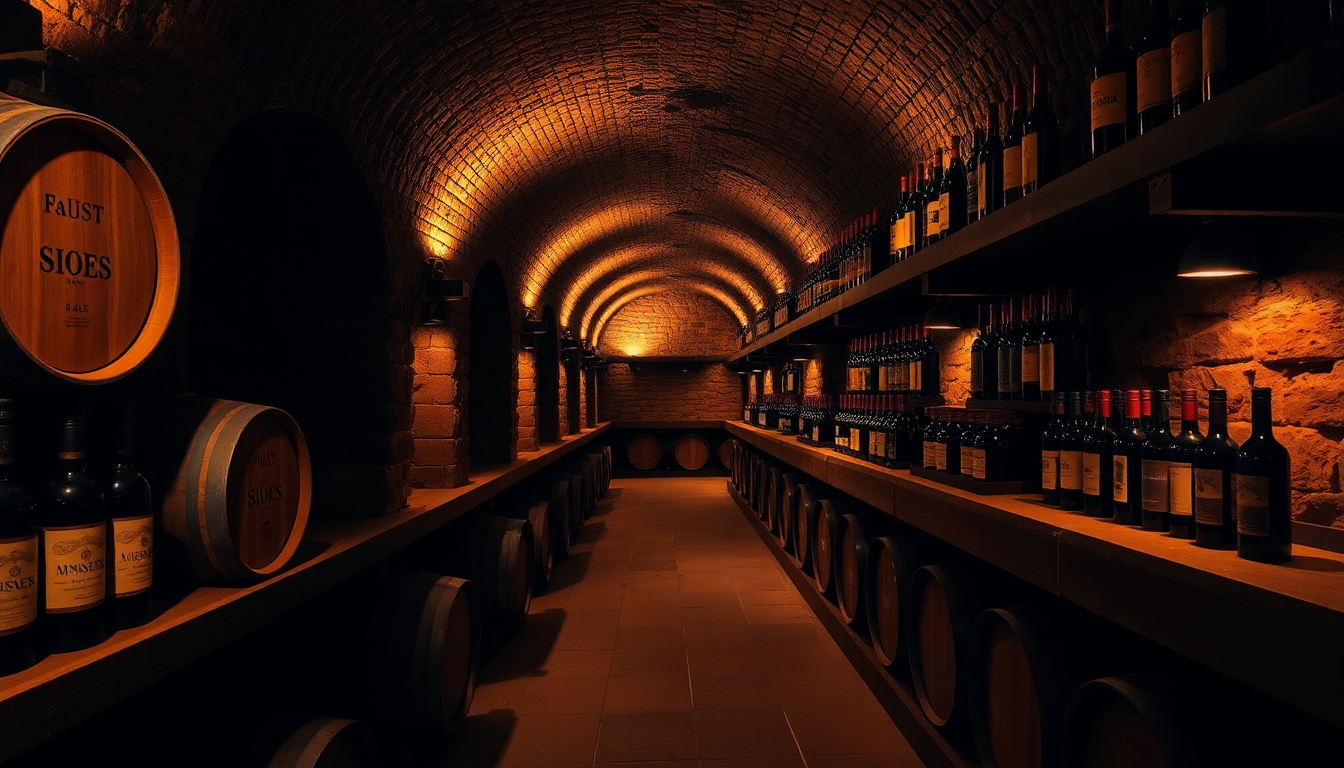
A "Museum Release" on a wine label indicates that the bottle comes from a winery's personal collection or archive. These are bottles that have been stored in the winery's own cellars, often for many decades, under optimal conditions. The term suggests that the wine has been preserved with the same care and attention that a museum would give to a precious artifact.
When a winery decides to release bottles from its museum collection, it's making a significant statement about the quality and longevity of its wines. These bottles have proven their ability to age gracefully, and the winery is confident enough in their condition to offer them for sale. Museum Releases are typically older vintages, sometimes spanning back several decades or even longer.
The key distinction of a Museum Release is that it comes directly from the winery's own storage facilities. This is crucial because it means the wine has been stored under conditions that the winery itself considers ideal. Unlike bottles that have passed through multiple hands, been stored in unknown conditions, or sat in various cellars around the world, Museum Release bottles have a documented provenance and known storage history.
The History Behind Museum Releases
The practice of wineries maintaining museum collections dates back centuries, particularly in Europe's most prestigious wine regions. Historically, winemakers would keep bottles from exceptional vintages for their own consumption, for comparison purposes, or to demonstrate the aging potential of their wines. Over time, these personal collections grew into significant archives.
In the modern era, particularly from the mid-twentieth century onward, some wineries began to formalize their collections and occasionally release bottles to the public. This practice became more common as the wine market evolved and collectors became increasingly interested in older, rarer bottles. Wineries recognized that releasing museum bottles could serve multiple purposes: it could generate revenue, it could provide proof of their wines' longevity, and it could satisfy collector demand for aged wines.
The term "Museum Release" itself became more standardized in the wine industry during the latter part of the twentieth century. As wine auctions became more prominent and the secondary market for fine wines grew, the need for clear terminology became apparent. Auction houses and dealers began using "Museum Release" to distinguish bottles that came directly from winery archives from those that came from private collections or other sources.
Why Wineries Maintain Museum Collections
Understanding why wineries maintain these collections helps explain the significance of Museum Releases. There are several practical and philosophical reasons why wineries preserve bottles from their own production.
First, museum collections serve as a quality control and verification tool. By maintaining bottles from each vintage, winemakers can periodically taste their wines at various ages to understand how they're developing. This information is invaluable for refining production techniques and understanding the aging potential of different vintages. A winemaker might taste a wine from twenty years ago to see how it has evolved and use those insights to improve current production methods.
Second, these collections serve as historical records. Wine is not just a beverage; it's a product of a specific time and place. A bottle from a particular vintage tells the story of that year's weather, the vineyard's conditions, and the winemaker's decisions. By maintaining these bottles, wineries preserve tangible evidence of their history and evolution.
Third, museum collections are valuable marketing and educational tools. When a winery can offer bottles from its archive, it demonstrates confidence in its wines' quality and longevity. It also allows the winery to educate consumers and collectors about how its wines age. Tasting notes from museum bottles can be incredibly informative for someone considering purchasing a younger vintage from the same producer.
Fourth, from a purely business perspective, museum collections represent valuable assets. Older bottles, especially from prestigious wineries and exceptional vintages, can command significant prices. Releasing these bottles strategically can generate substantial revenue while also managing inventory and storage costs.
How Museum Releases Differ from Other Aged Wines
It's important to distinguish Museum Releases from other categories of aged wines you might encounter in the market. Understanding these differences will help you make informed purchasing decisions.
Regular aged wines are bottles that have been produced and released by the winery in the normal course of business, but which have been aged in private collections or stored by dealers and collectors. These wines may be excellent, but they lack the documented provenance of Museum Releases. You don't know exactly how they've been stored, whether they've been kept at proper temperatures, or how many times they may have changed hands.
Cellar releases are bottles that come from a winery's general inventory but aren't specifically from a museum or archive collection. These might be bottles that were produced decades ago but have been stored in the winery's regular cellars rather than in a special archive. While these bottles still come directly from the winery and have known storage history, they don't carry the same cachet as Museum Releases.
Library releases are similar to cellar releases but typically refer to wines that a winery is releasing from its general stock, often at a discounted price compared to the original release price. These are useful for collectors who want to try older vintages at more accessible prices, but they're not the same as Museum Releases.
Private collection bottles are wines that have been stored by individual collectors or investors. These can be excellent, but without documentation of storage conditions, there's always some uncertainty about their provenance and condition.
Museum Releases stand apart because they come with the implicit guarantee that the winery itself has maintained them under optimal conditions. This documented provenance is a significant advantage and is reflected in the pricing of these bottles.
The Significance of Provenance in Wine Collecting
Provenance is one of the most important factors in wine collecting, and Museum Releases have impeccable provenance by definition. Provenance refers to the documented history of ownership and storage of a bottle. For collectors, knowing where a bottle has been and how it's been stored is crucial information.
Poor storage conditions can damage wine irreparably. Wine is a living product that continues to evolve in the bottle, and this evolution depends heavily on environmental factors. Temperature fluctuations, exposure to light, improper humidity, and physical movement can all negatively impact a wine's quality. A bottle that has been stored in a hot garage or exposed to sunlight will not age as gracefully as one stored in a cool, dark cellar.
Museum Releases eliminate much of the uncertainty about storage history. When you purchase a Museum Release, you're purchasing a bottle that has been stored by the winery itself, presumably under the same conditions that the winery uses for its current inventory. This is a significant advantage, especially for expensive, rare, or particularly old bottles.
The importance of provenance is reflected in the pricing of wines. A bottle with excellent provenance will command a higher price than an identical bottle with questionable provenance. Auction houses and dealers spend considerable effort documenting and verifying provenance because it directly affects value.
Identifying Museum Releases
Not all Museum Releases are labeled with those exact words. While some bottles will explicitly state "Museum Release" on the label, others may use different terminology. Understanding how to identify Museum Releases is important for collectors.
Some wineries use terms like "Archive Release," "Cellar Release," or "Winery Release" to indicate bottles from their own collection. These terms generally carry similar meaning to Museum Release, though the specifics may vary by winery. It's worth researching individual producers to understand their terminology.
The back label or neck label often contains important information about Museum Releases. Some wineries include a note explaining that the bottle comes from their archives and providing details about storage conditions. This additional information is valuable for collectors and helps justify the premium price that Museum Releases often command.
Auction house descriptions are another important source of information. When a Museum Release comes up for auction, the auction house will typically provide detailed information about its provenance, including how long it's been in the winery's collection and any relevant details about storage conditions.
For bottles purchased directly from wineries, staff can provide information about whether a bottle is from the museum collection. Many wineries are proud of their archives and are happy to discuss the history and significance of bottles from their collections.
The Impact of Storage Conditions on Wine Quality
To fully appreciate why Museum Releases are significant, it's important to understand how storage conditions affect wine quality. Wine is a delicate product that requires specific environmental conditions to age properly.
Temperature is perhaps the most critical factor. Ideal storage temperature for most wines is around 45 to 65 degrees Fahrenheit, with 55 degrees being considered optimal by many experts. Temperature stability is even more important than the absolute temperature. Wines stored in conditions where temperature fluctuates significantly will age poorly, as the expansion and contraction of the liquid can damage the cork and allow oxygen to enter the bottle.
Light exposure is another critical factor. Ultraviolet light can degrade wine, causing premature aging and off-flavors. This is why wine bottles are typically made of dark glass and why wines should be stored away from direct sunlight. Extended light exposure can turn a fine wine into an undrinkable product.
Humidity affects the cork and the label but doesn't directly affect the wine itself. However, proper humidity levels help preserve the cork, which is essential for maintaining the wine's integrity. Too-dry conditions can cause corks to shrink and allow oxygen to enter, while excessive humidity can cause labels to deteriorate and mold to develop.
Position matters as well. Bottles with natural corks should be stored horizontally, which keeps the cork moist and prevents it from drying out. Bottles with screw caps can be stored in any position. Storing bottles upright for extended periods can cause corks to dry out and fail.
Museum Releases have been stored under conditions that meet or exceed these standards. This is a significant advantage and contributes substantially to their value and desirability.
Pricing and Value of Museum Releases
Museum Releases typically command premium prices compared to the same wine from other sources. Understanding the factors that influence this pricing can help you determine whether a Museum Release is worth the investment.
The primary factor driving the premium is provenance. As discussed, the documented storage history of a Museum Release provides confidence in the bottle's condition. This confidence is worth money to collectors, and they're willing to pay for it.
Age is another significant factor. Museum Releases are typically older than wines available through normal retail channels. Older wines are generally rarer and more valuable, especially if they're from prestigious producers or exceptional vintages. A Museum Release from a 1947 vintage will be significantly more valuable than a younger vintage from the same producer.
Rarity also plays a role. If a particular vintage was produced in limited quantities or if the winery has released very few bottles from its archives, the rarity of the Museum Release will increase its value. Collectors are willing to pay premium prices for rare bottles.
The reputation of the producer is crucial. Museum Releases from world-renowned producers like Château Lafite Rothschild, Château d'Yquem, or Barolo producers command higher prices than Museum Releases from lesser-known producers. The prestige of the winery is reflected in the price.
Market conditions also affect pricing. During periods when fine wine is in high demand and prices are rising, Museum Releases may appreciate in value. Conversely, during market downturns, prices may decline. The secondary market for fine wines can be volatile, and prices fluctuate based on supply and demand.
How to Evaluate a Museum Release Before Purchasing
If you're considering purchasing a Museum Release, there are several factors you should evaluate to ensure you're making a sound investment.
First, research the producer. Understand the winery's reputation, the quality of its wines, and how its wines have aged historically. A Museum Release from a highly respected producer is a safer investment than one from a lesser-known winery.
Second, investigate the vintage. Some vintages are considered exceptional, while others are considered mediocre. A Museum Release from an outstanding vintage will be more valuable than one from a poor vintage. Wine publications and critics' ratings can help you understand the quality of a particular vintage.
Third, examine the bottle's condition. Look for signs of leakage, such as wine stains on the label or capsule. Check the fill level; it should be at the neck of the bottle. Low fill levels indicate that wine may have evaporated or leaked out, which could affect the wine's quality. The label should be intact and legible, though some aging of the label is expected and acceptable.
Fourth, verify the provenance documentation. Ensure that the seller can provide clear documentation of the bottle's history and storage conditions. Reputable dealers and auction houses will provide detailed provenance information.
Fifth, consider the price in relation to comparable bottles. Research what similar Museum Releases have sold for recently. If a bottle is priced significantly higher than comparable bottles, understand why. Sometimes there's a good reason, but sometimes it's simply overpriced.
Sixth, think about your intentions for the bottle. Are you purchasing it to drink, or as an investment? If you plan to drink it, ensure that the wine is still in good condition and hasn't passed its peak. If you're investing, consider whether the wine is likely to appreciate in value.
The Experience of Tasting a Museum Release
Tasting a Museum Release is a special experience that goes beyond simply drinking wine. These bottles carry history and significance that adds to the enjoyment of the tasting experience.
When you open a Museum Release, you're tasting a snapshot of a particular moment in time. The wine reflects the conditions of the vintage year, the winemaker's decisions from decades past, and the evolution that has occurred during its long aging in the bottle. This historical dimension adds depth to the tasting experience.
Museum Releases often show the complexity that comes with age. Younger wines may be fruit-forward and vibrant, but older wines develop subtle, complex flavors that can be incredibly rewarding to explore. A well-aged Museum Release might show layers of flavor that unfold over the course of an hour or more as the wine opens up in the glass.
The rarity of Museum Releases also adds to the experience. Knowing that you're tasting a bottle that has been carefully preserved for decades, that few people have had the opportunity to taste, and that may never be produced again, creates a sense of occasion and appreciation.
Many collectors find that tasting Museum Releases alongside younger vintages from the same producer is particularly rewarding. This allows you to understand how the wine has evolved and to appreciate the winemaker's consistency or evolution over time.
Museum Releases from Different Wine Regions
Museum Releases are found in wine regions around the world, though they're most common in regions with long winemaking traditions and prestigious producers.
In Bordeaux, France, some of the world's most famous and valuable Museum Releases come from châteaux like Lafite Rothschild, Latour, and Margaux. These producers have maintained extensive archives for centuries, and their Museum Releases are highly sought after by collectors worldwide.
In Burgundy, producers like Domaine de la Romanée-Conti and other prestigious houses occasionally release bottles from their archives. Burgundy Museum Releases are particularly prized because of the region's reputation for producing some of the world's finest Pinot Noir and Chardonnay.
In Italy, producers in Piedmont, particularly those making Barolo and Barbaresco, have begun releasing Museum bottles in recent years. These releases have generated significant interest among collectors who appreciate the aging potential of these wines.
In California, some of the state's most prestigious producers, including wineries in Napa Valley, have begun releasing bottles from their archives. These releases help demonstrate that California wines can age as gracefully as their European counterparts.
In Spain, producers in Rioja and Ribera del Duero have released Museum bottles, showcasing the aging potential of Spanish wines.
Even in newer wine regions, some producers have begun maintaining archives and releasing Museum bottles. This practice is becoming more common as producers in regions like Australia, New Zealand, and South Africa seek to demonstrate the quality and longevity of their wines.
The Role of Museum Releases in Wine Education
Beyond their value as collectible items, Museum Releases play an important educational role in the wine world. They provide tangible evidence of how wines age and evolve over time.
Wine educators and critics often use Museum Releases to teach about aging potential and wine development. By tasting a wine at various stages of its life, from young to middle-aged to very old, students can understand the trajectory of a wine's development. This knowledge helps inform purchasing decisions and helps people understand what to expect from wines they're cellaring.
Wineries use Museum Releases to educate consumers about their products. When a winery releases a bottle from its archives, it's making a statement about the quality and longevity of its wines. This can be particularly valuable for newer producers or producers from regions not traditionally known for age


Leave a comment
This site is protected by hCaptcha and the hCaptcha Privacy Policy and Terms of Service apply.