

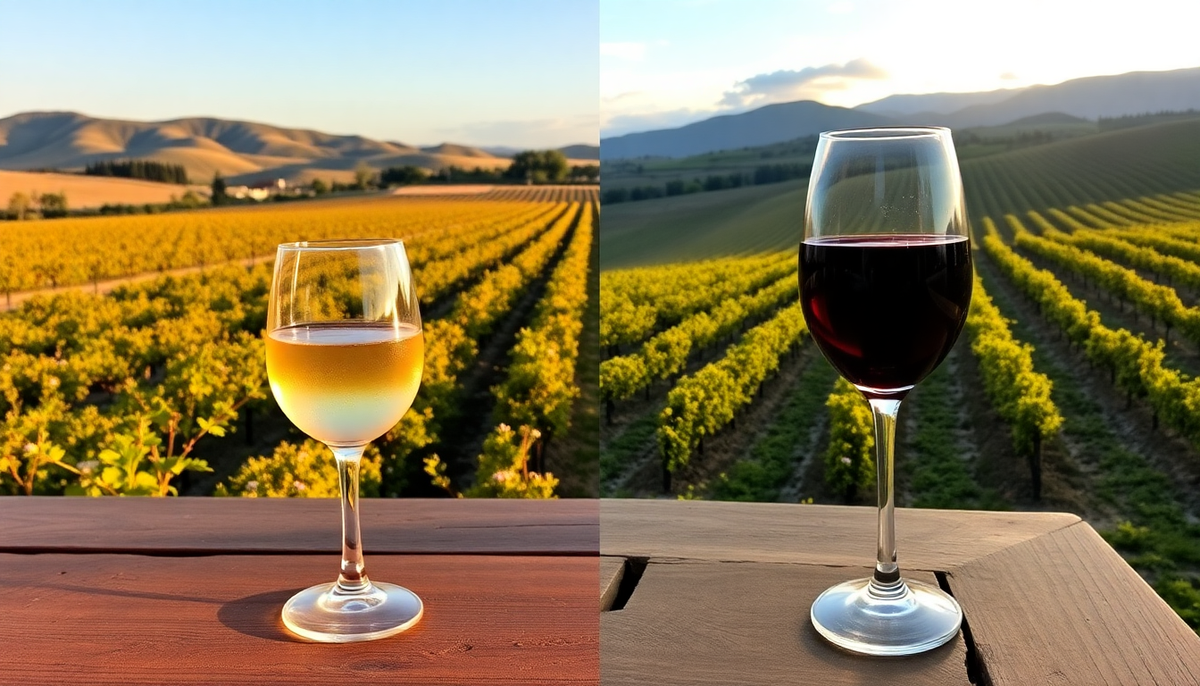
The world of wine has undergone a significant transformation over the past two decades. Walk into any wine shop today, and you'll notice an increasing number of bottles labeled as "natural wine" or "organic wine," sitting alongside the conventional wines that have dominated shelves for centuries. At Curtis Family Vineyards, we've witnessed this shift firsthand, and we believe it's important for wine enthusiasts and casual drinkers alike to understand what these distinctions truly mean. The difference between natural wine and conventional wine goes far deeper than marketing terminology—it encompasses philosophy, production methods, environmental impact, and ultimately, what ends up in your glass.
Many consumers find themselves confused by the terminology surrounding wine production. Is natural wine simply a marketing buzzword? Are conventional wines harmful? What does "organic" really mean in the context of viticulture? These are legitimate questions that deserve thorough, honest answers. This comprehensive guide will explore the fundamental differences between natural wine and conventional wine, examining everything from vineyard management practices to fermentation techniques, regulatory frameworks, and the sensory experiences each style offers.
Understanding the Fundamentals: What Makes Wine Natural or Conventional?
Before diving into the specifics, it's essential to establish clear definitions. The term "natural wine" doesn't have a universally standardized legal definition in most countries, which is part of what makes this topic so complex. However, natural wine generally refers to wine produced with minimal intervention, using organic or biodynamic grapes, and employing traditional fermentation methods with little to no added sulfites or other additives.
Conventional wine, by contrast, represents the mainstream approach to winemaking that has been refined and standardized over the past century. This method involves the use of synthetic pesticides and fertilizers in the vineyard, controlled fermentation with cultured yeasts, and the addition of various substances to stabilize, clarify, and preserve the wine.
The philosophical difference between these two approaches is profound. Natural winemakers view their role as facilitators of a process that occurs naturally, intervening only when absolutely necessary. Conventional winemakers, meanwhile, see themselves as craftspeople who use modern science and technology to create consistent, stable products that meet specific quality standards and consumer expectations.
The Vineyard: Where It All Begins
The journey toward understanding natural versus conventional wine must begin in the vineyard, because this is where the most significant differences emerge. The health of the vineyard ecosystem directly influences the quality of grapes and, consequently, the character of the wine produced.
Conventional Vineyard Management
In conventional viticulture, the primary goal is to maximize yield while minimizing disease and pest pressure. This approach relies heavily on synthetic inputs. Pesticides are applied regularly to combat insects, fungicides protect against mildew and rot, and herbicides control weeds. Synthetic fertilizers provide nitrogen, phosphorus, and potassium in precise ratios designed to promote vine growth and fruit production.
The advantages of this approach are undeniable from a production standpoint. Yields are typically higher and more predictable. Disease pressure is managed systematically, reducing the risk of crop loss. The vineyard can be maintained with relatively less labor, as mechanical solutions can handle many tasks. For large-scale producers, this efficiency translates to lower production costs and more affordable wines for consumers.
However, this approach comes with environmental costs. Synthetic pesticides can accumulate in soil and water systems, affecting non-target organisms and potentially entering the food chain. The reliance on chemical inputs can degrade soil structure over time, reducing its ability to retain water and nutrients naturally. Monoculture vineyard management, which is common in conventional viticulture, reduces biodiversity and creates ecosystems that are more vulnerable to pest outbreaks and disease.
Natural and Organic Vineyard Management
Natural winemakers typically employ organic or biodynamic farming practices. Organic viticulture prohibits the use of synthetic pesticides and fertilizers. Instead, growers rely on cultural practices, biological controls, and naturally derived substances. Sulfur and copper compounds, which have been used for centuries, are permitted for fungal disease management. Compost and cover crops build soil health naturally.
Biodynamic farming takes organic principles further, incorporating concepts from Rudolf Steiner's agricultural philosophy. Biodynamic vineyards view the vineyard as a closed ecosystem and employ specific preparations and planting calendars aligned with lunar cycles. While some of these practices lack scientific validation, many biodynamic vineyards report improved soil health and vine resilience.
The benefits of these approaches include improved soil structure, increased microbial diversity, and reduced chemical residues. Over time, healthy soils require fewer external inputs because they naturally support vine health. Biodiversity in and around the vineyard creates natural pest control mechanisms. These practices are generally more sustainable and have lower environmental impact.
The challenges are equally real. Yields can be lower and more variable. Disease pressure requires constant vigilance and manual intervention. Labor costs are typically higher. The transition from conventional to organic farming can take years, during which yields may drop before improving. For small producers, these factors can significantly impact profitability.
Fermentation: The Heart of Winemaking
Once grapes are harvested, the fermentation process begins, and this is where natural and conventional winemaking philosophies diverge dramatically.
Conventional Fermentation Practices
In conventional winemaking, fermentation is carefully controlled and monitored. Winemakers typically use cultured yeast strains selected for their reliability, flavor characteristics, and ability to ferment completely and predictably. The temperature is controlled to optimize flavor development and prevent spoilage. Sulfur dioxide is added at various stages to prevent oxidation and inhibit unwanted microorganisms.
Additional interventions are common. Enzymes may be added to enhance extraction of color and flavor compounds. Tannins might be added to improve structure. Fining agents—substances like egg white, gelatin, or bentonite—are used to clarify the wine by removing suspended particles. The wine may be filtered to achieve clarity and stability.
These practices result in wines that are consistent, stable, and predictable. A conventional winemaker can produce the same wine year after year with minimal variation. The wines are less likely to develop faults or spoil. They're designed to be approachable and enjoyable relatively quickly after bottling.
Natural Fermentation Practices
Natural winemakers embrace spontaneous fermentation, relying on wild yeasts present on the grape skins and in the winery environment. No cultured yeast is added. Sulfites are either not used at all or added in minimal quantities, typically only at bottling and in very small amounts. The fermentation proceeds at its own pace, sometimes taking weeks or even months.
Minimal intervention is the guiding principle. The wine is not fined or filtered. It's left to clarify naturally as sediment settles. No enzymes, tannins, or other additives are used. The winemaker monitors the process but resists the urge to correct or adjust.
This approach results in wines that are unique, variable, and unpredictable. Each vintage is different. Each bottle may be slightly different from the next. The wines often contain more sediment and may appear cloudy. They're more vulnerable to oxidation and microbial spoilage. However, proponents argue that these wines express the true character of the vineyard and vintage in ways that heavily manipulated wines cannot.
Additives and Sulfites: A Critical Distinction
Perhaps no single issue divides natural and conventional winemaking more than the use of sulfites. This deserves detailed examination because it's often misunderstood.
Understanding Sulfites
Sulfur dioxide (SO2) is a naturally occurring byproduct of fermentation. All wines contain some sulfites, even those made without any additions. The question is not whether sulfites are present, but how much is added and for what purpose.
Sulfites serve several critical functions in conventional winemaking. They're antioxidants, preventing the wine from browning and losing fresh fruit flavors. They're antimicrobial agents, preventing spoilage organisms from taking hold. They're preservatives, allowing wine to age gracefully and travel long distances without degradation.
In conventional winemaking, sulfites are added at multiple stages: after crushing, during fermentation, and before bottling. The total amount added is carefully calculated based on the wine's pH, alcohol content, and intended aging potential. A typical conventional wine might contain 100-150 mg/L of total sulfites.
Natural Wine and Sulfites
Natural winemakers minimize or eliminate added sulfites. Some use none at all, relying on the sulfites naturally produced during fermentation. Others add minimal amounts, perhaps only at bottling. A natural wine might contain 0-30 mg/L of total sulfites, or even less.
The rationale is philosophical: natural winemakers believe that wine should be made with minimal intervention, and sulfites represent unnecessary chemical addition. They argue that healthy fermentation and careful winemaking practices make sulfites unnecessary.
The practical consequences are significant. Wines without sulfites are more vulnerable to oxidation, which can cause browning and loss of fresh fruit character. They're more susceptible to spoilage from bacteria and wild yeasts. They require careful handling and storage. They may develop off-flavors or become undrinkable if conditions aren't ideal.
However, many natural winemakers successfully produce wines without added sulfites, suggesting that with proper technique, it's possible. The key is impeccable hygiene, careful monitoring, and acceptance of some variability.
The Health Question
A common misconception is that sulfites are harmful to human health. In reality, sulfites occur naturally in many foods and are generally recognized as safe by regulatory agencies. Some individuals have sulfite sensitivity, but this is relatively rare. The amount of sulfites in wine is typically much lower than in dried fruits or processed foods.
That said, the philosophical argument about minimal intervention remains valid regardless of sulfite safety. Natural winemakers prefer to minimize all additives, not because sulfites are dangerous, but because they believe in a more hands-off approach to winemaking.
Regulatory Frameworks and Certification
The regulatory landscape surrounding natural and conventional wine varies significantly by country and region, which adds another layer of complexity to this discussion.
Conventional Wine Regulations
Most countries have well-established regulations for conventional wine production. In the European Union, for example, the regulations specify which additives are permitted, in what quantities, and under what circumstances. These regulations are detailed and comprehensive, covering everything from maximum residue levels of pesticides to permitted winemaking techniques.
These regulations exist to ensure food safety and consumer protection. They establish minimum standards that all producers must meet. They also provide clarity for producers about what's allowed and what's not.
The downside is that these regulations can be complex and sometimes seem arbitrary. They're also designed around conventional practices, so they may not adequately address the needs or concerns of natural winemakers.
Organic Certification
Organic certification is more standardized than natural wine certification. To be labeled as organic, a wine must be produced from organically grown grapes, meaning no synthetic pesticides or fertilizers were used in the vineyard. The winemaking process is also regulated, though less strictly than the vineyard practices.
Organic certification requires third-party verification and regular inspections. It's a recognized standard that consumers can trust. However, organic certification doesn't necessarily mean natural winemaking—an organic wine can still use cultured yeasts, fining agents, and other conventional winemaking techniques.
Natural Wine Certification
Natural wine certification is far less standardized. Several organizations have developed standards for natural wine, but there's no universal agreement. Some certifications focus on vineyard practices, others on winemaking techniques, and some on both.
This lack of standardization is both a strength and a weakness. It allows for flexibility and innovation, but it also creates confusion for consumers. A wine labeled as natural by one organization might not meet another organization's standards.
Sensory Characteristics: How They Taste
Ultimately, wine is meant to be enjoyed, so the sensory differences between natural and conventional wines matter greatly.
Conventional Wine Characteristics
Conventional wines typically display clean, bright fruit flavors. The aromas are often pronounced and easily identifiable. The wines are usually clear and bright in appearance. The flavors are well-integrated and balanced. There's a sense of polish and refinement.
These characteristics appeal to many consumers. The wines are approachable and easy to enjoy. They're consistent, so you know what to expect. They pair well with food and work in social situations. They age gracefully and develop complexity over time.
Natural Wine Characteristics
Natural wines often display more complex, sometimes challenging flavor profiles. The aromas might include funky, earthy, or unusual notes alongside fruit flavors. The wines may appear cloudy or contain visible sediment. The flavors can be intense and sometimes unpredictable.
These characteristics appeal to adventurous wine drinkers who enjoy exploration and discovery. The wines feel alive and dynamic. They express the unique character of their vineyard and vintage. They often improve with aeration and can develop in the glass.
The Variability Factor
One significant difference is consistency. Conventional wines are designed to be consistent from bottle to bottle and vintage to vintage. Natural wines, by contrast, can vary considerably. Two bottles from the same producer might taste noticeably different. This variability can be frustrating for some consumers but exciting for others.
Environmental and Health Considerations
The choice between natural and conventional wine involves considerations beyond taste and tradition.
Environmental Impact
Conventional viticulture's reliance on synthetic inputs has documented environmental consequences. Pesticide residues can accumulate in soil and water. Synthetic fertilizers can contribute to nutrient runoff, which causes water pollution. The monoculture approach reduces biodiversity. Over time, soil health can decline.
Natural and organic viticulture generally has lower environmental impact. Soil health improves over time. Biodiversity increases. There's no chemical runoff. The practices are more sustainable long-term.
However, it's worth noting that natural wine production isn't without environmental costs. Copper sulfate, used in organic viticulture, can accumulate in soil. Biodynamic practices, while philosophically appealing, don't necessarily have lower environmental impact than conventional practices. And natural wines, if they require more labor and less efficient production, might have higher carbon footprints in some cases.
Health Considerations
From a consumer health perspective, the differences are less clear-cut than marketing might suggest. Conventional wines are safe to consume—regulatory agencies ensure this. The pesticide residues in wine are typically far below levels that would cause health concerns.
Natural wines, made without added sulfites, might be better tolerated by people with sulfite sensitivity. However, they're not inherently healthier. They still contain alcohol and should be consumed responsibly.
The real health consideration might be the overall approach to food production. If you prefer to consume foods produced with minimal synthetic chemicals, then natural wine aligns with that philosophy. But if you're concerned about specific health outcomes, the differences between natural and conventional wine are minimal.
The Economics of Natural vs. Conventional Wine
The financial aspects of wine production significantly influence the choice between natural and conventional approaches.
Production Costs
Conventional winemaking, at scale, is more cost-efficient. Synthetic inputs are inexpensive. Mechanical solutions reduce labor costs. High yields mean more wine per acre. For large producers, these factors result in lower per-bottle production costs.
Natural winemaking is typically more labor-intensive and produces lower yields. Organic certification and biodynamic practices require more attention and care. The wines are often produced in smaller quantities. These factors result in higher per-bottle production costs.
Pricing
These cost differences are reflected in pricing. Conventional wines, especially from large producers, are often more affordable. You can find excellent conventional wines at reasonable prices.
Natural wines, produced in smaller quantities with higher costs, typically command premium prices. A natural wine might cost two to three times more than a conventional wine of similar quality.
This pricing structure has implications for accessibility. Natural wine remains somewhat exclusive, available primarily to consumers with higher budgets. Conventional wine is more democratic, available to a wider range of consumers.
Market Trends
The natural wine market is growing rapidly, particularly in urban areas and among younger consumers. This growth is driving investment in natural wine production and increasing availability. However, conventional wine still dominates the market globally.
Quality and Winemaking Skill
An important point that sometimes gets lost in the natural versus conventional debate is that quality depends primarily on winemaking skill and grape quality, not on the production method chosen.
Excellent Conventional Wines
Many of the world's greatest wines are produced using conventional methods. Bordeaux, Burgundy, Barossa Valley, and Napa Valley produce wines of extraordinary quality using conventional techniques. These wines demonstrate that careful attention to detail, quality grapes, and skilled winemaking can produce exceptional results within a conventional framework.
Excellent Natural Wines
Similarly, many natural winemakers produce wines of remarkable quality. These wines demonstrate that minimal intervention, when executed with skill and knowledge, can result in beautiful, complex wines.
Poor Examples of Both
It's equally important to acknowledge that poor-quality wines exist in both categories. A poorly made conventional wine is still poor. A poorly made natural wine is still poor. The production method doesn't guarantee quality.
The Curtis Family Vineyards Perspective
At Curtis Family Vineyards, we believe that both natural and conventional approaches have merit. We respect the environmental and philosophical commitments of natural winemakers. We also appreciate the consistency, accessibility, and quality that conventional methods can achieve.
Our approach is pragmatic. We focus on producing excellent wine using methods that make sense for our vineyard, our grapes, and our vision. We're committed to sustainable practices and environmental stewardship. We use organic practices in our vineyard and minimize interventions in the winery. However, we're not dogmatic about it. If a technique serves the

Leave a comment
This site is protected by hCaptcha and the hCaptcha Privacy Policy and Terms of Service apply.