

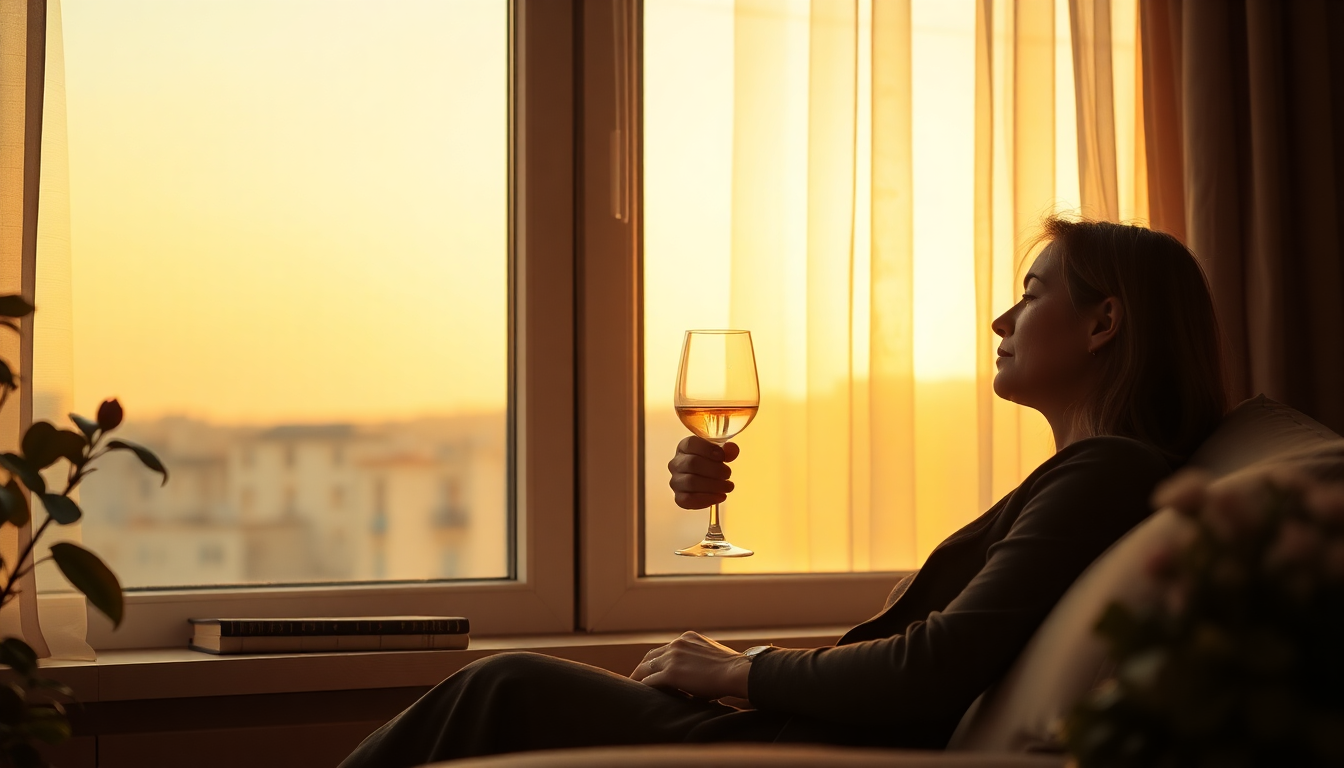
In a world where wine culture has become increasingly prominent in social gatherings, restaurants, and home entertainment, the concept of mindful drinking has emerged as a refreshing and responsible approach to enjoying one of life's pleasures. At Curtis Family Vineyards, we believe that the true appreciation of fine wine goes beyond simply consuming it—it's about savoring each moment, understanding what you're drinking, and maintaining a healthy relationship with alcohol. This comprehensive guide explores the philosophy of mindful drinking and provides practical strategies for enjoying wine responsibly while maximizing the pleasure and benefits that come with it.
Understanding Mindful Drinking
Mindful drinking is a conscious approach to alcohol consumption that emphasizes awareness, intention, and moderation. Rather than drinking habitually or excessively, mindful drinkers make deliberate choices about when, where, and how much they consume. This practice combines elements of mindfulness—a mental state achieved by focusing one's awareness on the present moment—with responsible alcohol consumption.
The concept of mindful drinking isn't about abstinence or judgment. Instead, it's about developing a healthier, more intentional relationship with alcohol. It acknowledges that wine can be a wonderful part of life when approached thoughtfully. Whether you're enjoying a glass of Pinot Noir with dinner or sharing a bottle with friends, mindful drinking encourages you to be fully present and aware of your choices.
The Philosophy Behind Mindful Drinking
The roots of mindful drinking can be traced back to ancient wine-drinking cultures where wine was often consumed in moderation as part of meals and social rituals. The practice emphasizes quality over quantity, encouraging people to appreciate smaller amounts of better wine rather than larger quantities of mediocre beverages.
Mindful drinking also recognizes the importance of understanding why you're drinking. Are you drinking to celebrate a special occasion? To enhance a meal? To relax after a long day? Or are you drinking out of habit or to cope with stress? By identifying your motivations, you can make more conscious decisions about your consumption patterns.
The Health Perspective on Wine Consumption
Understanding the health implications of wine consumption is crucial for mindful drinking. Scientific research has provided valuable insights into how wine affects our bodies and what constitutes moderate consumption.
What Constitutes Moderate Drinking
According to health guidelines, moderate drinking is defined as up to one drink per day for women and up to two drinks per day for men. One standard drink of wine is typically defined as five ounces, which is about 12 percent alcohol by volume. These guidelines are based on extensive research into the health effects of alcohol consumption.
It's important to note that these are averages and guidelines, not targets. Some people should avoid alcohol entirely, including those with certain health conditions, those taking specific medications, pregnant women, and those with a personal or family history of alcohol addiction.
The Potential Benefits of Moderate Wine Consumption
When consumed in moderation, wine—particularly red wine—has been associated with certain health benefits. Red wine contains resveratrol and other polyphenols, which are antioxidants that may help protect heart health. Some research suggests that moderate red wine consumption may be associated with improved cardiovascular health, better cholesterol levels, and reduced risk of certain diseases.
However, it's crucial to understand that these potential benefits are associated with moderate consumption only. Excessive drinking negates any potential health benefits and can lead to serious health problems including liver disease, certain cancers, heart problems, and mental health issues.
Individual Factors That Influence Safe Consumption
Everyone's body is different, and several factors influence how alcohol affects you personally. These include your body weight, metabolism, food intake, medications, age, and overall health status. What constitutes moderate drinking for one person might be excessive for another. This is why mindful drinking emphasizes personal awareness and understanding your own limits.
The Sensory Experience of Wine Appreciation
One of the greatest pleasures of mindful drinking is fully engaging your senses in the wine experience. This sensory awareness not only enhances enjoyment but also naturally encourages slower, more intentional consumption.
The Art of Wine Tasting
Proper wine tasting involves engaging all your senses. Begin by observing the wine's appearance, noting its color, clarity, and viscosity. Swirl the wine gently in your glass to release its aromas, then take a moment to smell it deeply. Notice the different scent notes—are there hints of fruit, flowers, spices, or earth?
When you taste the wine, let it coat your mouth for a moment before swallowing. Pay attention to the flavors that emerge, the texture, the acidity, and the finish. This deliberate approach to tasting naturally slows down your drinking pace and increases your appreciation for the wine.
Understanding Wine Characteristics
Learning about wine characteristics—such as tannins, acidity, body, and finish—adds depth to your appreciation. Understanding why a wine tastes the way it does, what region it comes from, and how it was made creates a richer experience. This knowledge transforms wine drinking from a simple consumption activity into an educational and enriching experience.
At Curtis Family Vineyards, we encourage visitors to learn about our wines' origins, production methods, and flavor profiles. This knowledge enhances the tasting experience and creates a deeper connection to what you're drinking.
Creating the Right Environment
The environment in which you drink wine significantly impacts your experience. Mindful drinking often involves creating a pleasant, distraction-free setting where you can fully focus on the wine and the company you're with. This might mean turning off your phone, sitting in a comfortable space, or enjoying wine with people you genuinely want to spend time with.
Practical Strategies for Mindful Wine Drinking
Implementing mindful drinking practices requires intentional strategies and habit formation. Here are practical approaches you can adopt to enjoy wine more mindfully.
Setting Clear Intentions
Before you drink, ask yourself why you're choosing to have wine. Are you celebrating something? Enjoying it with a meal? Sharing it with friends? Having a clear intention helps you make conscious choices rather than drinking out of habit or social pressure.
Pacing Your Consumption
One of the most effective strategies for mindful drinking is controlling your pace. Sip slowly, savoring each taste. Put your glass down between sips. Engage in conversation or activities that don't revolve around drinking. Eating food while drinking also slows alcohol absorption and helps you feel fuller, naturally limiting consumption.
Choosing Quality Over Quantity
Mindful drinking emphasizes enjoying smaller amounts of better wine rather than larger quantities of mediocre beverages. A single glass of excellent wine from Curtis Family Vineyards, fully appreciated and savored, provides more satisfaction than multiple glasses of ordinary wine consumed without attention.
Alternating Alcoholic and Non-Alcoholic Drinks
A practical strategy for mindful drinking is alternating each glass of wine with a glass of water or another non-alcoholic beverage. This approach helps you stay hydrated, slows your overall alcohol consumption, and gives you time to assess how you're feeling.
Planning Ahead
Mindful drinking involves planning. Decide in advance how much you'll drink at a social event. Eat a substantial meal before drinking. Arrange transportation beforehand so you're not tempted to drink more than intended. Having a plan removes decision-making from moments when judgment might be impaired.
Learning to Say No
Part of mindful drinking is having the confidence to decline drinks when you've reached your limit or when you simply don't want another. This might mean politely refusing offers of refills or choosing not to drink at certain events. Mindful drinking respects your personal choices and boundaries.
Wine and Food Pairing for Enhanced Enjoyment
One of the most pleasurable aspects of mindful wine drinking is pairing wine with food. This practice naturally encourages slower consumption and enhances both the wine and the food experience.
The Basics of Wine and Food Pairing
Wine and food pairing is based on complementary flavors and textures. Light wines pair well with delicate foods, while fuller-bodied wines complement heartier dishes. Acidic wines cut through rich foods, while wines with tannins pair well with protein-rich meals.
Understanding these basic principles allows you to create harmonious dining experiences. When wine and food are well-paired, each enhances the other, creating a more satisfying and memorable meal.
Creating Mindful Dining Experiences
Mindful wine drinking is often best enjoyed as part of a meal. The combination of food and wine encourages slower consumption, provides nutritional context for the alcohol, and creates a more complete sensory experience. Taking time to appreciate how the wine complements the food, how flavors evolve with each bite and sip, and how the combination creates something greater than either element alone is a deeply satisfying practice.
Exploring Wine Regions and Varietals
Learning about different wine regions and grape varieties adds another dimension to mindful drinking. Understanding that a Pinot Noir from one region tastes different from a Pinot Noir from another region, or that a wine's characteristics reflect its terroir—the combination of soil, climate, and geography—creates appreciation for the complexity and artistry involved in winemaking.
Social Aspects of Mindful Drinking
Wine is often a social beverage, enjoyed with friends and family. Mindful drinking doesn't mean avoiding social drinking; rather, it means being intentional about how you participate in social wine experiences.
Navigating Social Pressure
Social situations often involve pressure to drink more than you intend. Mindful drinking requires developing strategies to handle these situations gracefully. This might include having a prepared response to offers of drinks, choosing to hold a glass of wine even if you're not actively drinking from it, or suggesting alternative activities that don't center on alcohol consumption.
Being a Mindful Host
If you're serving wine to guests, mindful drinking principles apply to hosting as well. Offering quality wines in appropriate quantities, providing food alongside wine, ensuring guests have non-alcoholic options, and modeling moderate consumption yourself all contribute to a culture of mindful drinking.
Supporting Others' Choices
Mindful drinking also involves respecting others' choices regarding alcohol. Whether someone chooses to drink moderately, abstain entirely, or limit consumption for personal reasons, mindful drinkers support these choices without judgment or pressure.
Understanding and Managing Triggers
Many people find that certain situations, emotions, or environments trigger the desire to drink more than intended. Identifying and managing these triggers is an important aspect of mindful drinking.
Emotional Triggers
Stress, anxiety, sadness, or even excitement can trigger the desire to drink. While wine can be part of celebration, using it as a primary coping mechanism for difficult emotions is not mindful drinking. Developing alternative strategies for managing emotions—such as exercise, meditation, talking with friends, or professional counseling—supports healthier drinking patterns.
Environmental Triggers
Certain environments or situations might encourage excessive drinking. These could include bars, parties, or specific social groups. Being aware of these triggers allows you to prepare strategies in advance, such as limiting time in these environments, bringing a supportive friend, or having a plan for how much you'll drink.
Habit-Based Triggers
Some people drink out of habit rather than genuine desire. Perhaps you always have wine with dinner, or you automatically accept a drink when offered. Mindful drinking involves questioning these automatic behaviors and making conscious choices instead.
The Role of Education and Knowledge
Education plays a crucial role in mindful drinking. The more you understand about wine, alcohol, and its effects on your body, the better equipped you are to make informed decisions.
Learning About Wine Production
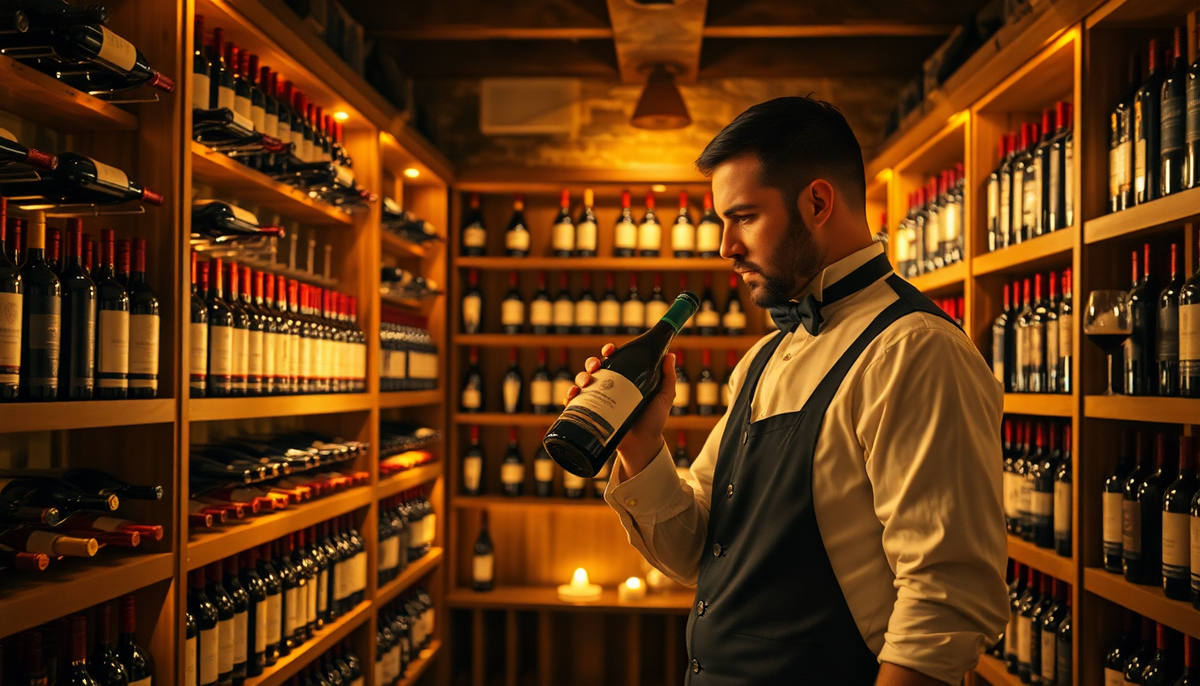
Understanding how wine is made—from grape selection and fermentation to aging and bottling—adds appreciation for the craft involved. This knowledge often naturally leads to preferring quality wines and consuming them more thoughtfully.
Understanding Alcohol's Effects on Your Body
Learning how alcohol affects your body, how quickly it's absorbed, how it's metabolized, and how it impacts your brain and judgment helps you make safer choices. Understanding that factors like food intake, body weight, and individual metabolism affect how alcohol affects you personally is important for mindful drinking.
Staying Informed About Health Research
Wine and health research continues to evolve. Staying informed about current scientific findings helps you make decisions based on accurate information rather than myths or outdated beliefs.
Creating a Sustainable Mindful Drinking Practice
Mindful drinking isn't a temporary diet or restriction; it's a sustainable lifestyle approach. Creating habits that support mindful drinking helps ensure these practices become a natural part of your life.
Building New Habits
Habits are formed through repetition and consistency. Start by implementing one or two mindful drinking strategies, such as always eating food when you drink or always alternating wine with water. Once these become automatic, add additional practices.
Tracking Your Consumption
Some people find it helpful to keep track of their wine consumption, noting how much they drink, when, and in what context. This awareness can reveal patterns and help you identify areas where you might want to adjust your habits.
Regular Self-Assessment
Periodically assess your relationship with wine. Are you enjoying it more? Do you feel better physically and mentally? Are you making conscious choices about your consumption? Regular self-assessment helps you stay on track with your mindful drinking goals.
Seeking Support When Needed
If you find that you're struggling to control your consumption or that alcohol is negatively impacting your life, seeking professional support is important. There's no shame in reaching out to a healthcare provider, counselor, or support group. Mindful drinking includes recognizing when you need help and taking action to get it.
The Connection Between Mindfulness and Drinking
Mindful drinking is fundamentally rooted in the broader practice of mindfulness—the ability to be fully present and aware in the current moment without judgment.
Bringing Mindfulness to Wine Consumption
Applying mindfulness to wine drinking means being fully present when you drink. Rather than drinking while distracted by work, screens, or stress, mindful drinking involves focusing your attention on the sensory experience, the social interaction, or the moment itself.
Using Wine as a Mindfulness Practice
For some people, wine tasting becomes a form of mindfulness practice. The focus required to notice subtle flavors, aromas, and textures, combined with the sensory engagement, creates a meditative state that's both enjoyable and beneficial for mental health.
The Mental Health Benefits of Mindful Drinking
Mindful drinking, as part of a broader mindfulness practice, can contribute to improved mental health. The stress reduction, increased awareness, and intentional living that come with mindfulness can help reduce anxiety and depression, which in turn supports healthier drinking patterns.
Wine Tourism and Mindful Experiences
Visiting wineries like Curtis Family Vineyards offers opportunities to practice mindful drinking in a dedicated environment designed to enhance appreciation and education.
The Winery Experience
A visit to a winery provides the perfect setting for mindful wine appreciation. The beautiful surroundings, expert guidance, and focus on quality create an ideal environment for engaging all your senses and learning about wine in depth.
Wine Education Programs
Many wineries offer educational programs, tastings, and tours that deepen your understanding of wine. These experiences support mindful drinking by increasing knowledge and appreciation for the craft of winemaking.
Creating Memorable Experiences
Visiting wineries and engaging in wine experiences creates memories and connections that enhance your overall relationship with wine. These positive experiences support a sustainable, enjoyable approach to mindful drinking.
Addressing Common Misconceptions About Mindful Drinking
Several misconceptions exist about mindful drinking that are worth addressing.
Mindful Drinking Doesn't Mean Never Drinking
Some people mistakenly believe that mindful drinking requires abstinence or severe restriction. In reality, mindful drinking is about enjoying wine responsibly and intentionally. It's perfectly compatible with regular wine consumption, as long as that consumption is moderate and conscious.
It's Not About Judgment
Mindful drinking isn't about judging yourself or others for drinking choices. It's about making conscious decisions aligned with your values and health goals. If you choose to drink, mindful drinking helps you do so in a way that's enjoyable and sustainable.
Mindful Drinking Isn't Complicated
While mindful drinking involves awareness and intention, it doesn't require complex rules or restrictions. The basic principles—knowing why you're drinking, pacing yourself, choosing quality, and staying aware—are straightforward and easy to implement.
The Future of Wine Culture and Mindful Drinking
Wine culture is evolving, and mindful drinking is becoming increasingly prominent. More people are recognizing that quality and intention matter more than quantity, and that the most satisfying wine experiences often involve smaller amounts of excellent wine, fully appreciated.
Changing Attitudes Toward Alcohol
Society's attitudes toward alcohol are shifting. There's growing recognition that moderate, mindful consumption is preferable to excessive drinking, and that choosing not to drink is equally valid. This cultural shift supports the development of more balanced, healthier relationships with alcohol.
The Rise of Premium, Lower-Alcohol Options
The wine industry is responding to mindful drinking trends by offering more premium wines at various price points and alcohol levels. This allows people to enjoy excellent wine without necessarily consuming high-alcohol beverages.
Community and Connection
Mindful drinking often emphasizes the social and community aspects of wine rather than the alcohol itself. Wine brings people together, facilitates conversation, and creates shared experiences. This focus on connection and community is likely to continue shaping wine culture.
Practical Tips for Getting Started with Mindful Drinking
If you're ready to adopt a more mindful approach to wine drinking, here are practical steps to get started.
Start with Self-Awareness
Begin by observing your current drinking patterns without judgment. When do you drink? How much? Why? What triggers your desire to drink? This awareness is the foundation for change.
Choose Quality Wines
Invest in wines you

Leave a comment
This site is protected by hCaptcha and the hCaptcha Privacy Policy and Terms of Service apply.