

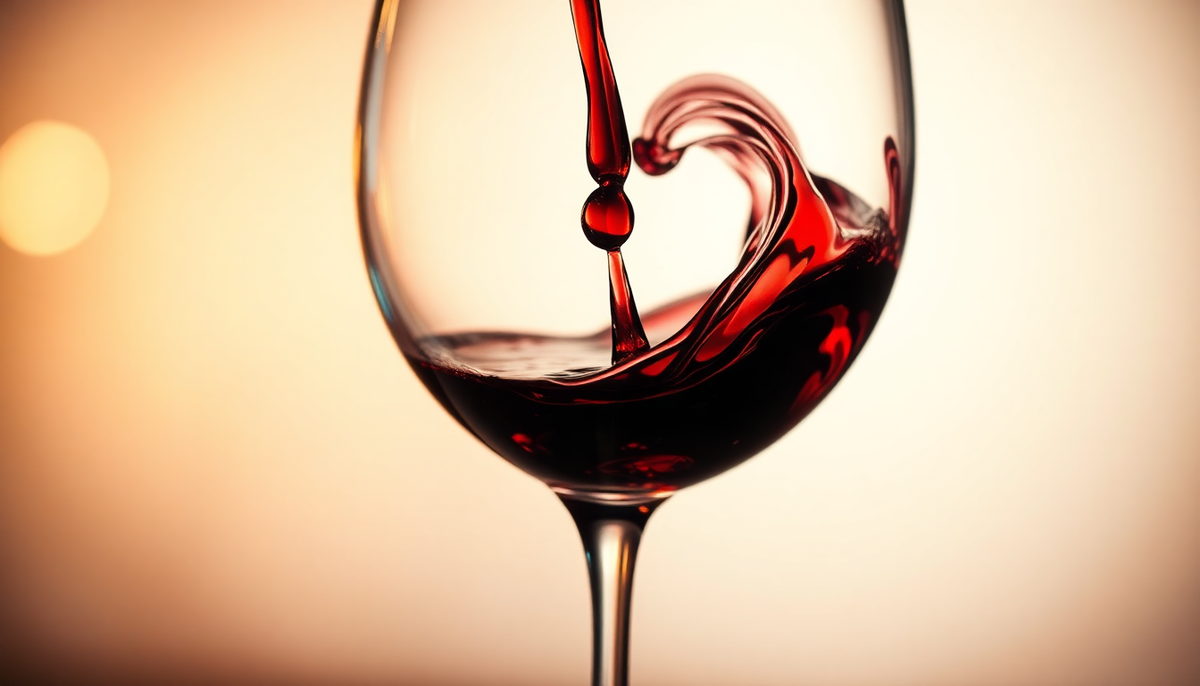
When you swirl a glass of wine and watch the liquid cascade back down the sides of the glass, leaving behind streaks or rivulets, you're witnessing one of wine's most visually captivating phenomena. These streaks, commonly known as "wine legs" or "wine tears," have fascinated wine enthusiasts, casual drinkers, and curious observers for centuries. But what exactly are wine legs, and what do they actually tell us about the wine we're drinking? At Curtis Family Vineyards, we believe that understanding these visual cues can deepen your appreciation for wine and help you become a more informed consumer. This comprehensive guide will explore the science behind wine legs, debunk common myths, and explain what these beautiful formations can and cannot tell you about your wine.
Understanding Wine Legs: The Basics
Wine legs are the streams of liquid that form on the inside of a wine glass after you swirl or tilt it. They appear as thin rivulets that slowly descend back into the main body of wine. The term "legs" comes from their appearance, which resembles legs running down the side of the glass. Some people also refer to them as "tears," "curtains," or "church windows," depending on their regional background and personal preference.
The phenomenon of wine legs is not unique to wine. You can observe similar formations in other alcoholic beverages, such as spirits and liqueurs, and even in some non-alcoholic liquids. However, wine legs have become particularly associated with wine culture, and they've taken on a certain mystique in the world of wine appreciation.
The Visual Appeal of Wine Legs
There's no denying that wine legs are visually appealing. When you watch them form and slowly descend, there's something almost meditative about the experience. This visual element has contributed to the ritualistic nature of wine drinking and has made wine legs a topic of conversation among wine enthusiasts. The slower the legs descend, the more time you have to observe them, and this has led many people to believe that slow-descending legs indicate a higher quality wine.
However, it's important to separate the aesthetic appeal of wine legs from their actual significance. While they're certainly beautiful to observe, wine legs are not a reliable indicator of wine quality, as we'll explore in greater detail later in this guide.
The Science Behind Wine Legs
To truly understand wine legs, we need to delve into the science of surface tension, evaporation, and the properties of alcohol and water. The formation of wine legs is a fascinating interplay of physics and chemistry that occurs right before your eyes.
Surface Tension and the Marangoni Effect
The primary mechanism behind wine leg formation is a phenomenon known as the Marangoni effect, named after Italian scientist Carlo Marangoni who first described it in the 19th century. This effect occurs when there's a difference in surface tension across a liquid surface.
Wine is primarily composed of water and alcohol, along with various other compounds that give it its flavor, color, and aroma. When you swirl a glass of wine, you create a thin film of wine on the inside of the glass. This film is exposed to air, which causes the water in the wine to evaporate more readily than the alcohol.
Alcohol has a lower surface tension than water. This means that as water evaporates from the thin film of wine on the glass, the remaining liquid becomes relatively richer in alcohol. The area with higher alcohol concentration has lower surface tension than the surrounding areas with more water. This difference in surface tension creates a force that pulls the liquid upward along the glass, against gravity.
As the liquid is pulled upward, it eventually reaches a point where gravity overcomes the surface tension forces, and the liquid begins to descend back down the glass in the form of wine legs. This continuous cycle of evaporation, surface tension differences, and gravitational pull creates the characteristic streaks we observe.
The Role of Alcohol Content
The alcohol content of wine plays a significant role in the formation and appearance of wine legs. Wines with higher alcohol content will generally form more pronounced wine legs because the difference in surface tension between alcohol and water is more pronounced. This is why fortified wines, such as port and sherry, which have higher alcohol content, tend to display particularly impressive wine legs.
Conversely, wines with lower alcohol content may form less dramatic wine legs because the difference in surface tension is less pronounced. However, this doesn't mean that low-alcohol wines are inferior; it simply means that the physical conditions for wine leg formation are less favorable.
Other Contributing Factors
While alcohol content is the primary factor in wine leg formation, several other compounds in wine can influence the appearance and behavior of wine legs. These include:
Glycerin: Wine contains glycerin, a compound that contributes to the wine's body and mouthfeel. Glycerin has a higher viscosity than water and can influence the flow of wine legs down the glass.
Tannins: These polyphenolic compounds, found primarily in red wines, can affect the surface tension of wine and thus influence wine leg formation.
Sugars: Residual sugars in wine can increase viscosity and affect the flow characteristics of wine legs.
Proteins and other compounds: Various other compounds in wine can influence surface tension and viscosity, all of which play a role in wine leg formation.
The interplay of all these factors creates the complex behavior we observe when wine legs form. It's a beautiful example of how chemistry and physics combine to create the phenomena we experience in everyday life.
The Myth: Wine Legs as a Quality Indicator
One of the most persistent myths in wine culture is that wine legs indicate quality. Many people believe that wines with slow-descending, prominent wine legs are superior to wines with less dramatic legs. This belief has been perpetuated in wine education, popular media, and casual wine conversations for decades. However, this is a myth that needs to be thoroughly debunked.
Why This Myth Persists
The persistence of this myth can be attributed to several factors. First, wine legs are visually impressive and seem to suggest something meaningful about the wine. Second, wine culture has historically been shrouded in mystery and exclusivity, and myths about wine quality indicators have been perpetuated as part of this mystique. Third, the correlation between alcohol content and wine legs has led people to assume that more prominent legs indicate higher quality, when in fact, they simply indicate higher alcohol content.
Additionally, the myth has been reinforced by the fact that some high-quality wines do have higher alcohol content, which would naturally produce more prominent wine legs. However, correlation is not causation, and the presence of wine legs does not cause the wine to be of higher quality.
What Wine Legs Actually Indicate
Wine legs primarily indicate the alcohol content and viscosity of the wine. They tell you something about the physical and chemical composition of the wine, but they tell you very little about the quality, flavor, or overall character of the wine.
A wine with prominent wine legs might be a high-alcohol wine, but it could be a poorly made high-alcohol wine. Conversely, a wine with minimal wine legs might be a beautifully crafted low-alcohol wine that demonstrates excellent balance and complexity.
Quality in wine is determined by factors such as the quality of the grapes, the skill of the winemaker, the aging process, the balance of flavors, the complexity of the aroma, and the overall harmony of the wine's components. None of these factors are reliably indicated by the appearance of wine legs.
The Importance of Tasting, Not Just Looking
This is why professional wine tasters and sommeliers emphasize the importance of actually tasting the wine rather than relying on visual cues alone. While wine legs might be aesthetically pleasing to observe, they should not be used as a basis for determining whether a wine is worth drinking or purchasing.
At Curtis Family Vineyards, we encourage our customers to taste our wines and form their own opinions based on flavor, aroma, and overall experience, rather than relying on visual indicators like wine legs. A truly great wine will reveal its quality through its taste and aroma, not through the appearance of streaks on the side of a glass.
What Wine Legs Can Tell You
While wine legs are not a reliable indicator of overall quality, they can provide some useful information about the wine's composition and characteristics. Understanding what wine legs can legitimately tell you will help you become a more informed wine drinker.
Alcohol Content
The most reliable information that wine legs can provide is an indication of the wine's alcohol content. Wines with higher alcohol content will generally display more prominent and longer-lasting wine legs. This is because the greater difference in surface tension between alcohol and water creates stronger Marangoni effects.
If you're trying to gauge the approximate alcohol content of a wine based on its appearance, you can use wine legs as a rough guide. However, this is not a precise method, and you should always check the label for the exact alcohol content.
Viscosity and Body
Wine legs can also provide some indication of the wine's viscosity and body. Wines with higher viscosity, which often correlates with higher alcohol content or higher glycerin content, will display wine legs that descend more slowly. This can give you a hint about whether the wine might have a fuller body or a lighter body.
However, this is also not a precise indicator, as many factors influence viscosity, and the relationship between viscosity and wine legs is complex.
Presence of Certain Compounds
In some cases, the behavior of wine legs can indicate the presence of certain compounds in the wine. For example, wines with higher sugar content might display different wine leg behavior due to the increased viscosity. However, this is a very subtle indicator and is not reliable enough to be used as a primary method of wine analysis.
What Wine Legs Cannot Tell You
It's equally important to understand what wine legs cannot tell you about a wine. Many misconceptions exist about the information that wine legs can provide, and it's crucial to dispel these myths.
Quality
As we've discussed extensively, wine legs are not a reliable indicator of quality. A wine with prominent wine legs is not necessarily a better wine than one with minimal wine legs. Quality is determined by many factors that have nothing to do with the appearance of wine legs.
Flavor Profile
Wine legs tell you nothing about how the wine will taste. You cannot determine whether a wine is fruity, dry, acidic, or complex based on the appearance of its legs. The only way to know how a wine tastes is to taste it.
Age or Maturity
Some people believe that wine legs can indicate how old a wine is or how mature it is. This is not true. Wine legs are determined by the wine's current composition, not by its age. An old wine and a young wine with similar alcohol content and viscosity might display similar wine legs.
Terroir or Origin
Wine legs cannot tell you anything about where the wine comes from or what terroir it expresses. The origin of the wine is determined by the grapes used, the soil, the climate, and the winemaking practices, none of which are indicated by wine legs.
Grape Variety
You cannot determine the grape variety of a wine based on its wine legs. While different grape varieties might produce wines with different alcohol contents, which could influence wine legs, this is not a reliable method of identifying the grape variety.
The Role of Wine Legs in Wine Appreciation
While wine legs are not a reliable indicator of quality, they do play a role in the overall experience of wine appreciation. Understanding this role can help you enjoy wine more fully while maintaining a realistic perspective on what wine legs actually mean.
The Sensory Experience
Wine appreciation involves all of your senses: sight, smell, taste, and touch. Wine legs contribute to the visual aspect of the sensory experience. Watching wine legs form and descend can be a pleasant and meditative part of the wine-drinking ritual, even if they don't tell you much about the wine's quality.
The Ritual and Tradition
Wine drinking has long been associated with ritual and tradition. The act of swirling a glass, observing the wine's color and legs, and then smelling and tasting the wine is part of a time-honored tradition. While it's important not to place too much significance on wine legs, they are a legitimate part of this ritual.
A Conversation Starter
Wine legs can serve as a conversation starter when you're drinking wine with others. Observing and discussing wine legs can be a fun and engaging way to begin a conversation about wine, even if the legs themselves don't tell you much about the wine's quality.
A Learning Tool
For those beginning to learn about wine, observing wine legs can be an educational tool. It can help you understand the concepts of surface tension, evaporation, and the role of alcohol in wine. However, it's important to move beyond wine legs as a learning tool and develop a more comprehensive understanding of wine quality and characteristics.
How to Properly Observe Wine Legs
If you're interested in observing wine legs, there's a proper technique to do so. While wine legs are not a reliable quality indicator, learning to observe them correctly can enhance your overall wine appreciation experience.
The Swirling Technique
To properly observe wine legs, you should swirl the wine gently in your glass. This creates a thin film of wine on the inside of the glass, which is necessary for wine legs to form. The swirling motion should be smooth and controlled, not vigorous or aggressive.
You can swirl the wine by holding the glass by its stem and making circular motions, or you can place the glass on a table and swirl it in a circular motion. Both techniques are effective.
The Observation Process
After swirling, hold the glass up to the light and observe the wine legs as they form and descend. Take note of how quickly they form, how prominent they are, and how quickly they descend. However, remember that these observations tell you primarily about the alcohol content and viscosity of the wine, not about its quality.
The Timing
Wine legs will form most readily when the wine is at room temperature or slightly warmer. If the wine is very cold, the evaporation process will be slower, and wine legs may be less prominent. This is another reason why wine legs are not a reliable quality indicator, as the temperature at which you serve the wine will influence their appearance.
The Chemistry of Wine Legs: A Deeper Dive
For those interested in a more detailed understanding of the chemistry behind wine legs, let's explore some of the more complex aspects of this phenomenon.
Surface Tension and Molecular Interactions
Surface tension is a property of liquids that results from the cohesive forces between molecules. At the surface of a liquid, molecules are pulled inward by the attractive forces of the molecules below them, creating a tension at the surface.
In pure water, the surface tension is relatively high because water molecules form strong hydrogen bonds with each other. Alcohol molecules, on the other hand, form weaker hydrogen bonds and have lower surface tension. When water and alcohol are mixed, the surface tension of the mixture is somewhere between that of pure water and pure alcohol.
When a thin film of wine is exposed to air, water molecules at the surface evaporate more readily than alcohol molecules because water is more volatile. This creates a gradient in the concentration of alcohol and water across the film, with higher alcohol concentration near the surface and higher water concentration deeper in the film.
This concentration gradient creates a corresponding gradient in surface tension, with lower surface tension at the surface (where alcohol concentration is higher) and higher surface tension deeper in the film (where water concentration is higher). This difference in surface tension creates a force that pulls the liquid upward along the glass, which is the Marangoni effect.
The Role of Temperature
Temperature plays a significant role in the formation of wine legs. Higher temperatures increase the rate of evaporation, which strengthens the Marangoni effect and makes wine legs more prominent. Lower temperatures decrease the rate of evaporation, which weakens the Marangoni effect and makes wine legs less prominent.
This is why wine legs are more dramatic when you observe them in a warm room or when the wine is at room temperature. If you chill the wine significantly, the wine legs may be much less pronounced.
The Influence of Dissolved Gases
Wine contains dissolved gases, primarily carbon dioxide and nitrogen. These gases can influence the behavior of wine legs, although the effect is generally subtle. The presence of dissolved gases can affect the viscosity and surface tension of the wine, which in turn affects the formation and appearance of wine legs.
The Role of Impurities and Additives
Wine contains many compounds beyond just water and alcohol. These include sugars, acids, tannins, proteins, and various other organic compounds. Some of these compounds can influence the surface tension and viscosity of the wine, which affects wine leg formation.
Additionally, some wines may contain additives such as sulfites, which are used as preservatives. These additives can also influence the properties of the wine and thus affect wine leg formation.
Wine Legs Across Different Wine Types
Different types of wine will display different wine leg characteristics based on their composition. Understanding these differences can help you appreciate the diversity of wines and understand how their composition influences their appearance.
Red Wines
Red wines typically contain higher levels of tannins and other compounds that can influence surface tension and viscosity. Additionally, many red wines have higher alcohol content than white wines. These factors combine to create wine legs that are often quite prominent in red wines.
However, the prominence of wine legs in a red wine tells you more about its alcohol content and tannin structure than about its quality. A light, elegant red wine with lower alcohol content might have less prominent wine legs than a bold, full-bodied red wine, but that doesn't make the lighter wine inferior.
White Wines
White wines generally have lower tannin content than red wines, and many white wines have lower alcohol content as well. This often results in less prominent wine legs in white wines compared to red wines. However, some white wines, particularly those with higher alcohol content or higher residual sugar, may display quite prominent wine legs.



Leave a comment
This site is protected by hCaptcha and the hCaptcha Privacy Policy and Terms of Service apply.