

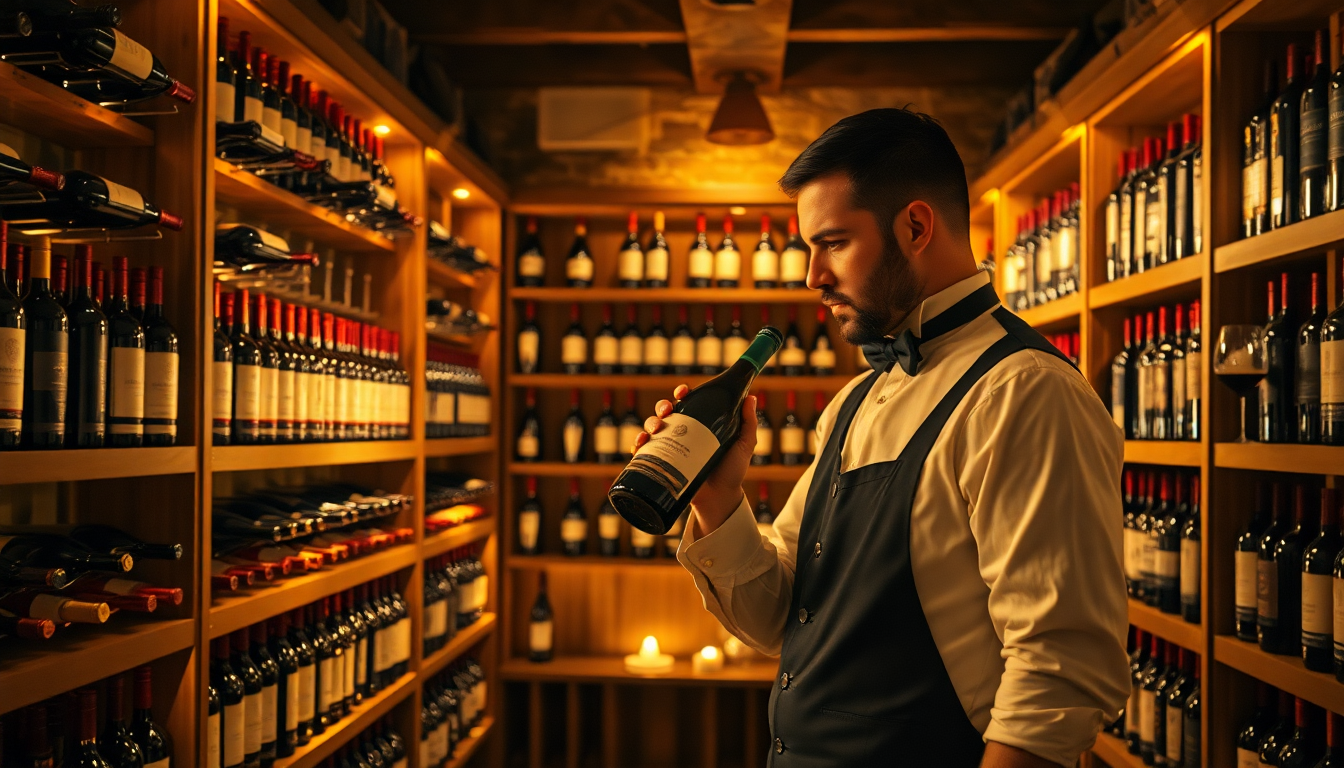
Wine enthusiasts and casual drinkers alike often find themselves standing in front of a wine shelf, contemplating whether to reach for the affordable bottle or invest in something more premium. The question of when to splurge on a high-end wine is one that deserves thoughtful consideration. At Curtis Family Vineyards, we believe that understanding the value proposition of premium wines can help you make informed decisions that enhance your drinking experience and provide genuine satisfaction for your investment.
The world of wine pricing can seem mysterious and sometimes even arbitrary to the uninitiated. Why does one bottle cost three times as much as another? What justifies the premium price tag? And most importantly, when is that extra expense truly worth it? These are questions that we'll explore in depth throughout this comprehensive guide to premium wine purchasing.
Understanding Wine Pricing and Value
Before we can determine when to splurge on a premium bottle, we need to understand what drives wine prices in the first place. Wine pricing is influenced by numerous factors, and understanding these elements will help you make more informed purchasing decisions.
The Role of Production Costs
Premium wines often command higher prices because of increased production costs. These costs begin in the vineyard itself. Premium wine producers typically invest heavily in vineyard management, employing skilled viticulturists who carefully monitor soil conditions, water management, and pest control. They may use organic or biodynamic farming practices, which require more labor-intensive approaches than conventional viticulture.
The harvest itself represents another significant cost factor. Premium producers often hand-harvest their grapes, selecting only the finest fruit and discarding anything that doesn't meet their exacting standards. This selective harvesting is far more expensive than mechanical harvesting but results in higher quality fruit and ultimately better wine.
In the winery, premium producers invest in top-quality equipment and facilities. Temperature-controlled fermentation vessels, premium oak barrels, and state-of-the-art bottling equipment all contribute to higher production costs. Additionally, premium wines often spend more time aging in barrel and bottle before release, which ties up capital and increases carrying costs.
Terroir and Vineyard Location
One of the most significant factors affecting wine price is terroir, a French term that encompasses the complete natural environment in which a wine is produced, including factors such as soil composition, topography, and climate. Wines from prestigious regions command premium prices because of their proven track record of producing exceptional wines.
Vineyard location within a region also matters tremendously. A vineyard located on a south-facing slope with ideal sun exposure and drainage will produce better grapes than one in a less favorable location. Premium producers often own or control vineyards in the most desirable locations, and this real estate value is reflected in the price of their wines.
Brand Reputation and History
Established wine producers with long histories of excellence can command premium prices based on their reputation alone. A winery that has been producing exceptional wines for generations has built brand equity that allows them to charge more for their products. Consumers are willing to pay a premium because they trust that the wine will deliver quality and consistency.
This brand reputation is earned through years of consistent quality, critical acclaim, and consumer satisfaction. It represents a promise to the consumer that they are purchasing a product that has been vetted by time and tradition.
Critical Acclaim and Ratings
Wine critics and rating systems play a significant role in wine pricing. A wine that receives a high score from a prestigious critic or publication can see its price increase substantially. This is particularly true for wines that receive scores in the 95-100 point range from influential critics.
While critical ratings can be helpful guides, it's important to remember that wine appreciation is ultimately subjective. A wine that scores highly with critics may not necessarily be your personal preference, and conversely, you may love a wine that hasn't received critical acclaim.
When Premium Wines Are Worth the Investment
Now that we understand what drives premium wine prices, let's explore the situations where investing in a premium bottle truly makes sense.
Special Occasions and Celebrations
One of the most compelling reasons to splurge on a premium wine is to commemorate a special occasion. Whether it's an anniversary, a significant birthday, a promotion, or another milestone, opening a premium bottle can elevate the celebration and create a memorable experience.
Premium wines often have more complexity, depth, and character than their more affordable counterparts. They can provide a more engaging and rewarding drinking experience that makes the occasion feel even more special. The act of opening and sharing a premium wine can become part of the celebration itself, creating a ritual that enhances the moment.
When selecting a premium wine for a special occasion, consider choosing a vintage from the year of the event. A wine from the year you were married, the year your child was born, or the year you achieved a major milestone can add sentimental value to the bottle. This personal connection can make the experience even more meaningful.
Wines with Aging Potential
Some wines are specifically designed to improve with age, developing greater complexity and refinement over time. These wines often command premium prices because of their potential to become even more valuable and delicious in the future.
If you're purchasing a wine with the intention of cellaring it for several years or decades, investing in a premium bottle makes considerable sense. A wine that costs fifty dollars today might be worth significantly more in ten years, both in terms of monetary value and drinking pleasure. The additional complexity that develops through aging can justify the premium price you paid.
When considering wines with aging potential, look for wines with good acidity, tannin structure, and concentration. These characteristics suggest that the wine has the framework to develop positively over time. Wines from prestigious regions and producers with track records of producing age-worthy wines are generally safer bets for cellaring.
Pairing with Exceptional Food
Premium wines can truly shine when paired with exceptional cuisine. If you're planning a special dinner featuring high-quality ingredients and careful preparation, a premium wine can complement and enhance the meal in ways that a more modest wine might not.
The complexity and nuance of premium wines can create beautiful harmonies with sophisticated dishes. A premium Bordeaux might pair exquisitely with a perfectly prepared steak, while a premium white Burgundy could complement a delicate seafood preparation in ways that a simpler wine cannot.
When planning a special meal, consider the dishes you'll be serving and select a premium wine that will complement them. The combination of exceptional food and exceptional wine creates a synergistic experience that is greater than the sum of its parts.
Building a Wine Collection
If you're interested in building a serious wine collection, investing in premium wines is often necessary. Collectors seek out wines with proven aging potential, critical acclaim, and the potential for appreciation in value over time.
Building a collection allows you to explore wines from different regions, producers, and vintages. It provides an opportunity to develop your palate and deepen your understanding of wine. Premium wines often offer more to discover and appreciate than more modest bottles, making them more rewarding for serious collectors.
When building a collection, focus on wines from regions and producers with strong track records. Diversify across different styles and price points, but don't shy away from investing in premium bottles that you believe will reward you with excellent drinking experiences in the future.
Exploring New Regions and Producers
Premium wines from lesser-known regions or emerging producers can offer excellent value and the opportunity to discover something special. While these wines may not have the brand recognition of famous producers, they can offer exceptional quality at premium but not exorbitant prices.
Exploring premium wines from new regions allows you to expand your wine knowledge and palate. You might discover a hidden gem from a region you've never explored before, or find an emerging producer whose wines you'll want to follow for years to come.
When Premium Wines May Not Be Worth It
While there are many compelling reasons to invest in premium wines, there are also situations where the premium price tag may not deliver proportional value.
Personal Preference Doesn't Align with Critical Consensus
Wine appreciation is ultimately subjective. Just because a wine has received critical acclaim and high ratings doesn't mean you'll enjoy it. If you have a strong preference for certain styles or characteristics, you might find that a premium wine that doesn't match your preferences isn't worth the extra expense.
Before investing in premium bottles, take time to understand your own palate. What styles of wine do you genuinely enjoy? What characteristics appeal to you? Once you understand your preferences, you can make more informed decisions about which premium wines are likely to satisfy you.
Drinking Immediately Rather Than Cellaring
If you plan to drink a wine immediately rather than cellaring it, the premium price tag may not be justified. Many premium wines are designed to improve with age, and drinking them too young might mean you're not experiencing them at their best. However, you're also not getting the benefit of the aging potential that justifies the premium price.
For wines you plan to drink soon, consider whether the wine's current characteristics justify the premium price. Some premium wines are delicious when young, while others are still developing and might not show their best qualities for several years.
Limited Tasting Experience
If you're relatively new to wine and still developing your palate, investing heavily in premium bottles might not be the best use of your wine budget. Your palate will continue to evolve as you taste more wines and develop your understanding of different styles and regions.
Instead, consider using your wine budget to explore a wider range of wines at different price points. This approach will help you develop your palate more quickly and allow you to discover what you truly enjoy before investing significant money in premium bottles.
Diminishing Returns on Price
At a certain price point, the quality improvements become increasingly marginal. A wine that costs one hundred dollars might be noticeably better than a wine that costs thirty dollars. However, a wine that costs three hundred dollars might only be marginally better than the one hundred dollar wine.
Understanding the diminishing returns curve for different wine regions and styles can help you find the sweet spot where quality and value intersect. Often, this sweet spot is in the fifty to one hundred dollar range, though this varies depending on the region and producer.
Strategies for Smart Premium Wine Purchasing
If you've decided that investing in premium wines makes sense for you, here are some strategies to help you make smart purchasing decisions and get the best value for your money.
Develop Relationships with Wine Retailers
Building relationships with knowledgeable wine retailers can provide significant advantages when purchasing premium wines. Retailers who know your preferences can alert you to new releases that might interest you, help you find wines that offer good value, and sometimes offer discounts on premium bottles.
A good wine retailer can also provide guidance on which premium wines are drinking well now versus which ones need more time to develop. They can help you understand the differences between vintages and advise you on which bottles are worth the premium price.
Explore Secondary Markets
For older, collectible wines, secondary markets like auction houses and online wine marketplaces can offer opportunities to find premium bottles at better prices than retail. However, these markets require careful navigation to ensure authenticity and proper storage.
When purchasing from secondary markets, pay close attention to the provenance and storage history of the wine. A bottle that has been stored improperly might be worth significantly less than one with perfect provenance, regardless of its age or rarity.
Consider Futures Purchases
Many premium wines are sold as futures, meaning you purchase them before they're released. Futures purchases often offer discounts compared to retail prices once the wine is released. This strategy can be particularly effective for wines from prestigious producers and regions.
However, futures purchases require patience and faith in the producer. You won't receive your wine for several years, and there's always some uncertainty about how the wine will ultimately turn out. Only purchase futures from producers with strong track records and wines you're confident you'll want to drink.
Join Wine Clubs and Societies
Wine clubs and societies often offer access to premium wines at discounted prices. Members might receive allocation of limited-production wines or discounts on premium bottles. These organizations can also provide educational opportunities to deepen your wine knowledge.
Research different wine clubs carefully to find one that aligns with your interests and preferences. Some clubs focus on specific regions, while others offer a broader selection. Consider the membership fees and benefits to determine whether the club offers good value.
Attend Tastings and Events
Wine tastings and events provide opportunities to sample premium wines before committing to a purchase. Many retailers and producers host tastings where you can explore their premium offerings and learn from knowledgeable staff.
These events also provide opportunities to meet other wine enthusiasts and expand your wine knowledge. The connections you make at tastings can lead to recommendations and insights that help you make better purchasing decisions.
Research Before Purchasing
Before investing in a premium bottle, take time to research the wine thoroughly. Read reviews from multiple critics and sources, understand the vintage characteristics, and learn about the producer's reputation. This research can help you avoid purchasing premium wines that might not meet your expectations.
Online wine databases and review sites can provide valuable information about specific wines. However, remember that critical opinions are subjective, and what one critic loves might not appeal to you. Use reviews as one data point among many in your decision-making process.
Premium Wine Categories Worth Exploring
Different wine regions and styles offer different value propositions at premium price points. Understanding these categories can help you identify premium wines that are most likely to satisfy you.
Burgundy Wines
Burgundy wines from France's Burgundy region are among the most prestigious and expensive wines in the world. Premium Burgundy wines, particularly those from renowned producers and specific vineyard sites, command exceptional prices.
However, Burgundy also offers excellent value at the village and regional levels. If you're interested in exploring premium Burgundy, consider starting with wines from well-regarded producers at the village level before investing in the most prestigious vineyard designations.
Bordeaux Wines
Bordeaux wines from France's Bordeaux region represent another classic category of premium wines. The region's prestigious châteaux produce wines with excellent aging potential and critical acclaim.
The most famous Bordeaux wines, particularly those from the Left Bank regions of Pauillac, Saint-Julien, and Pauillac, command premium prices. However, the Right Bank regions of Pomerol and Saint-Émilion also produce exceptional wines, sometimes at slightly better value.
California Cabernet Sauvignon
Premium California Cabernet Sauvignon wines, particularly those from Napa Valley, have gained international recognition and command premium prices. These wines often display ripe fruit characteristics and powerful tannin structures.
The most prestigious California Cabernet producers can charge prices comparable to top Bordeaux wines. However, excellent Cabernet Sauvignon can also be found at more moderate premium prices from quality producers throughout California.
Italian Wines
Italy produces numerous premium wine categories, including Barolo, Barbaresco, Brunello di Montalcino, and Vino Nobile di Montepulciano. These wines often offer excellent value compared to French equivalents, particularly from quality producers.
Italian wines are increasingly gaining recognition from international critics, and premium Italian wines represent an excellent opportunity to explore world-class wines at reasonable prices.
Spanish Wines
Spain's Rioja and Ribera del Duero regions produce premium wines that often offer excellent value. Spanish producers have invested heavily in quality improvements over recent decades, and premium Spanish wines now compete with the world's best.
Premium Spanish wines often display excellent balance and aging potential at prices that are frequently lower than equivalent French or California wines.
Portuguese Wines
Portugal produces exceptional premium wines, particularly from the Douro Valley region. Portuguese wines have historically been undervalued compared to wines from other European regions, making them an excellent value proposition for premium wine buyers.
Vintage Port wines represent another premium Portuguese category worth exploring. These fortified wines can age for decades and develop remarkable complexity.
The Experience of Premium Wine
Beyond the technical aspects of wine quality and value, it's important to consider the experience that premium wines provide. Drinking a premium wine is often about more than just the liquid in the glass.
The Ritual and Ceremony
Opening and sharing a premium wine creates a ritual that can elevate an ordinary meal or gathering into something special. The act of selecting the wine, opening it, allowing it to breathe, and pouring it for yourself and others becomes part of the experience.
This ritual can slow down your pace of consumption and encourage you to be more mindful and present. Rather than simply drinking wine as a beverage, you're engaging in a more intentional and ceremonial act.
The Story and History
Premium wines often come with stories and history that add to their appeal. Understanding the vineyard's location, the producer's philosophy, the vintage's characteristics, and the wine's aging potential can deepen your appreciation and enjoyment.
Learning about the people behind the wine, the traditions they follow, and the challenges they overcome to produce exceptional wine can create a connection that goes beyond the taste of the wine itself.
The Sensory Experience
Premium wines typically offer greater complexity and nuance than more modest bottles. They might display multiple layers of flavor that evolve as the wine opens up and as you continue to drink it. The aromatic profile might be more complex, the texture more refined, and the finish more persistent.
Engaging with these sensory characteristics requires attention and mindfulness. Tasting a premium wine becomes an active experience rather than a passive one, encouraging you to notice details and develop your sensory awareness.
The Social Connection
Sharing a premium wine with others creates a shared experience and can deepen social connections. The conversation that surrounds opening and discussing a special wine can be as valuable as the wine itself.
Premium wines often serve as conversation starters, encouraging people to discuss their impressions, preferences, and experiences. This social aspect of wine drinking can be one of its greatest rewards.
Building Your Premium Wine Knowledge
To make the most of your premium wine purchases, it's worthwhile to invest in developing your wine knowledge and tasting skills.
Formal Wine Education
Numerous organizations offer wine education programs, from introductory courses to advanced certifications. The Wine and Spirit Education Trust (WSET


Leave a comment
This site is protected by hCaptcha and the hCaptcha Privacy Policy and Terms of Service apply.