

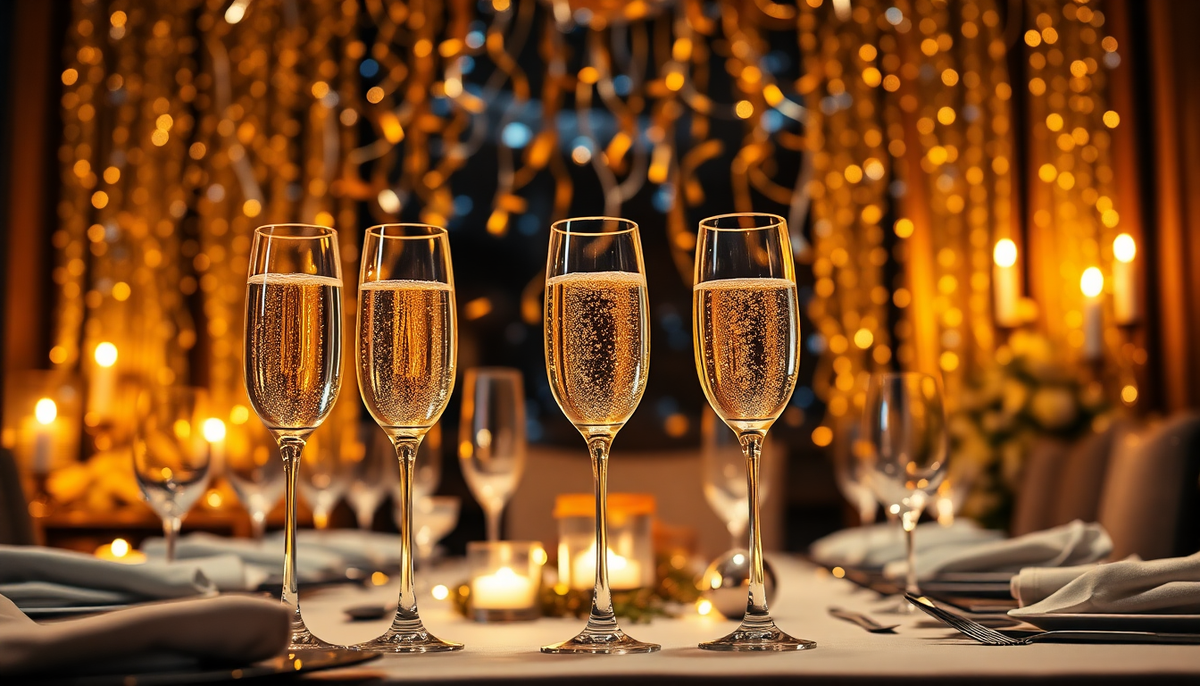
As the calendar winds down and we prepare to celebrate the arrival of a new year, there's no better way to mark the occasion than with a carefully selected bottle of wine. New Year's Eve is a time for reflection, celebration, and looking forward to fresh beginnings, and what better companion for these moments than a glass of exceptional wine? At Curtis Family Vineyards, we understand that choosing the right wine for your New Year's Eve celebration can be both exciting and overwhelming. This comprehensive guide will help you navigate the world of wines, understand what makes certain selections perfect for this special occasion, and ensure that your toast rings true as the clock strikes midnight.
Understanding the Significance of Wine on New Year's Eve
Wine has been a symbol of celebration and prosperity for thousands of years. The tradition of toasting with wine dates back to ancient times, when people believed that raising a glass of wine would bring good fortune and ward off evil spirits in the coming year. Today, while we may not hold the same superstitions, the ritual of toasting with wine remains a powerful way to mark important moments and share in collective joy.
The choice of wine for New Year's Eve is more than just a beverage selection; it's a statement about how you want to celebrate. Whether you're hosting an intimate dinner party, attending a grand gala, or enjoying a quiet evening at home with loved ones, the right wine can elevate the experience and create lasting memories. At Curtis Family Vineyards, we've spent years perfecting our craft to offer wines that are worthy of your most important celebrations.
The Science Behind Wine Selection for Special Occasions
Selecting the perfect wine for New Year's Eve involves understanding several key factors that contribute to an exceptional tasting experience. The first consideration is the occasion itself. New Year's Eve celebrations can vary dramatically in style and atmosphere, and your wine selection should complement the specific nature of your event.
Acidity and Freshness
One of the most important characteristics to consider when selecting a wine for New Year's Eve is its acidity level. Wines with higher acidity tend to feel fresher and more vibrant on the palate, making them excellent choices for celebratory occasions. The acidity in wine serves multiple purposes: it cleanses the palate between sips, enhances the perception of flavors, and creates a sense of liveliness that's perfect for festive moments.
Sparkling wines, in particular, are renowned for their crisp acidity and effervescence, which naturally lend themselves to celebration. The bubbles in sparkling wine create a tactile sensation that many people find celebratory and joyful. This is why champagne and other sparkling wines have become synonymous with New Year's Eve toasts around the world.
Flavor Complexity and Balance
Another crucial factor in wine selection is the balance between different flavor components. A well-balanced wine will have harmony between its acidity, tannins, alcohol content, and fruit flavors. This balance is what separates a good wine from a truly exceptional one. When you're celebrating on New Year's Eve, you want a wine that will hold up throughout the evening, whether you're sipping it slowly during dinner or enjoying it during midnight toasts.
The complexity of a wine's flavor profile also matters significantly. Wines with multiple layers of flavor—perhaps starting with bright fruit notes, developing into more complex secondary flavors, and finishing with subtle mineral or spice notes—provide a more engaging and memorable tasting experience. This complexity keeps your palate interested and engaged, making the wine a worthy focal point of your celebration.
Sparkling Wines: The Classic Choice for New Year's Eve
When it comes to New Year's Eve celebrations, sparkling wines reign supreme. There's something about the effervescence, the elegant presentation, and the celebratory nature of sparkling wine that makes it the perfect choice for ringing in the new year. Let's explore the various types of sparkling wines available and what makes each one special.
Champagne: The Gold Standard
Champagne is perhaps the most iconic sparkling wine in the world, and for good reason. Produced exclusively in the Champagne region of France, true champagne is made using the traditional méthode champenoise, a labor-intensive process that involves a secondary fermentation in the bottle. This process creates the fine, persistent bubbles that champagne is famous for.
The regulations governing champagne production are strict and rigorous. Champagne must be made from specific grape varieties—primarily Chardonnay, Pinot Noir, and Pinot Meunier—and must age for a minimum of 15 months in the bottle before release. Many premium champagnes age for considerably longer, sometimes for several years, which allows for greater complexity and refinement.
When selecting a champagne for New Year's Eve, you'll encounter several different styles. Brut champagnes are the driest style, containing less than 1.5 grams of residual sugar per liter, making them ideal for those who prefer wines without sweetness. Extra Brut champagnes are even drier, while Demi-Sec champagnes contain more residual sugar and are better suited for those with a preference for sweeter wines.
Prosecco: Italian Elegance and Value
Prosecco, produced in the Veneto region of Italy, offers an excellent alternative to champagne, particularly for those seeking great quality at a more accessible price point. While champagne must be made using the traditional méthode champenoise, Prosecco is typically produced using the Charmat method, where the secondary fermentation occurs in large stainless steel tanks rather than individual bottles.
This different production method results in larger bubbles and a slightly different flavor profile compared to champagne. Prosecco tends to be fruitier and more floral than champagne, with notes of green apple, pear, and white flowers. These characteristics make Prosecco an excellent choice for those who prefer a lighter, more fruit-forward sparkling wine.
Prosecco is also known for its versatility. It pairs well with a wide range of foods, making it an excellent choice if you're planning a New Year's Eve dinner with multiple courses. Additionally, Prosecco's generally lower alcohol content (around 11-12% ABV compared to champagne's 12-13% ABV) makes it a good option for those who want to enjoy multiple glasses throughout the evening without becoming overly intoxicated.
Cava: Spanish Tradition and Quality
Cava, produced in Spain using the traditional méthode champenoise, represents another excellent sparkling wine option for New Year's Eve. Made primarily from the Macabeo, Parellada, and Xarel-lo grape varieties, Cava offers a unique flavor profile that sets it apart from both champagne and Prosecco.
Cava tends to have a slightly earthier character than champagne, with notes of green apple, citrus, and sometimes a hint of almond or hazelnut. The production method used for Cava is identical to that used for champagne, which means that quality Cavas can rival champagnes in terms of complexity and refinement, often at a lower price point.
The Spanish have a long tradition of celebrating with Cava, and it's the traditional choice for New Year's Eve celebrations throughout Spain. If you're looking for a sparkling wine that offers excellent quality and a unique flavor profile, Cava is definitely worth considering.
Still Wines: Elegant Alternatives for New Year's Eve
While sparkling wines dominate New Year's Eve celebrations, still wines can also be excellent choices, particularly if you're planning a more intimate dinner or prefer the characteristics of non-sparkling wines. Let's explore some still wine options that work beautifully for this special occasion.
White Wines: Crisp and Celebratory
White wines, particularly those with good acidity and freshness, can be wonderful choices for New Year's Eve celebrations. Sauvignon Blancs, with their bright acidity and citrus notes, provide a refreshing option that pairs well with appetizers and lighter dishes. Rieslings, whether dry or off-dry, offer complexity and elegance, with flavors ranging from green apple and peach to honey and mineral notes.
Chardonnay, particularly unoaked or lightly oaked examples, can also be an excellent choice for New Year's Eve. The richness and complexity of Chardonnay, combined with its natural acidity, makes it a wine that can stand up to more substantial dishes while still maintaining a sense of elegance and celebration.
Red Wines: Sophistication and Depth
Red wines can also be appropriate for New Year's Eve celebrations, particularly if you're planning a dinner with heartier dishes. Lighter-bodied red wines like Pinot Noir offer elegance and complexity without the heaviness that can sometimes accompany fuller-bodied reds. Pinot Noir's silky tannins and flavors of red berries, cherry, and sometimes earthy or mushroom notes make it a sophisticated choice for special occasions.
If you prefer fuller-bodied red wines, consider Bordeaux blends or other wines made from Cabernet Sauvignon, Merlot, and other classic red varieties. These wines offer depth, complexity, and aging potential, making them worthy of celebration. However, be mindful of the food you're serving, as fuller-bodied red wines pair best with more substantial dishes.
Curtis Family Vineyards: Our New Year's Eve Selection
At Curtis Family Vineyards, we've carefully curated a selection of wines specifically chosen for their suitability for New Year's Eve celebrations. Our winemaking philosophy emphasizes quality, balance, and the creation of wines that are both approachable and complex enough to reward careful attention.
Our Signature Sparkling Wine
Our flagship sparkling wine is produced using traditional methods that honor the winemaking heritage of great sparkling wine regions. We source the finest grapes from our vineyards and employ a meticulous production process that ensures every bottle meets our exacting standards. The result is a sparkling wine that offers the elegance and complexity you'd expect from a premium offering, with a price point that makes it accessible for regular celebrations.
Our sparkling wine displays a beautiful pale golden color with a persistent stream of fine bubbles. On the nose, you'll find aromas of green apple, citrus, and white flowers, with subtle notes of brioche and yeast that develop from the extended aging process. On the palate, the wine is crisp and refreshing, with a fine mousse that creates a pleasant tactile sensation. The flavors echo the aromatics, with additional complexity developing as the wine opens up in the glass.
Our Premium White Wine Selection
For those who prefer still wines, our premium white wine selection offers several excellent options. Our Sauvignon Blanc showcases the bright, herbaceous characteristics of this variety, with flavors of grapefruit, green apple, and fresh-cut grass. This wine is perfect for aperitifs and pairs beautifully with seafood and light appetizers.
Our Chardonnay represents the pinnacle of our white wine production. Made from carefully selected grapes, this wine undergoes partial malolactic fermentation and aging in French oak, which adds richness and complexity without overwhelming the wine's natural fruit character. The result is a wine that's both elegant and substantial, with flavors of golden apple, pear, and subtle vanilla notes.
Our Red Wine Offerings
Our Pinot Noir is a beautiful expression of this elegant variety. With its silky tannins and complex flavor profile featuring red berries, cherry, and subtle earthy notes, this wine is perfect for New Year's Eve dinners. The wine's natural acidity and moderate alcohol content make it food-friendly and approachable, while its complexity rewards careful attention.
For those who prefer fuller-bodied red wines, our Cabernet Sauvignon blend offers depth and sophistication. This wine combines the structure and aging potential of Cabernet Sauvignon with the softness and fruit-forward character of Merlot, creating a wine that's both powerful and elegant.
Planning Your New Year's Eve Wine Pairing
Selecting the right wine is only part of the equation for a successful New Year's Eve celebration. Pairing your wine with appropriate food can elevate the entire experience and create a memorable evening. Let's explore some pairing strategies that will help you make the most of your wine selection.
Appetizers and Sparkling Wine
Sparkling wines are incredibly versatile when it comes to food pairing. Their crisp acidity and effervescence make them excellent companions for a wide range of appetizers. Oysters and other shellfish are classic pairings with sparkling wine, as the wine's acidity complements the briny, mineral character of the seafood. Caviar and other luxury appetizers also pair beautifully with sparkling wine, creating an elegant and sophisticated combination.
For more casual appetizers, sparkling wine works wonderfully with cheese and charcuterie. The wine's acidity cuts through the richness of aged cheeses and cured meats, while the bubbles add a festive element to the experience. Smoked salmon, shrimp, and other seafood appetizers also pair well with sparkling wine.
Main Course Pairings
If you're planning a full dinner for New Year's Eve, your main course selection should influence your wine choice. Light fish dishes pair beautifully with crisp white wines like Sauvignon Blanc or lighter Chardonnays. Richer fish dishes, such as those prepared with cream sauces or butter, pair well with fuller-bodied white wines or even light red wines like Pinot Noir.
Poultry dishes offer excellent opportunities for wine pairing. Chicken prepared with light sauces pairs well with white wines, while roasted chicken or chicken prepared with richer sauces can be paired with light to medium-bodied red wines. Duck, with its richer flavor profile, pairs beautifully with fuller-bodied red wines like Pinot Noir or Cabernet Sauvignon.
Red meat dishes, such as beef or lamb, are traditionally paired with fuller-bodied red wines. The tannins in these wines complement the richness of the meat, while the wine's acidity helps cleanse the palate between bites. However, don't be afraid to experiment with lighter red wines like Pinot Noir, which can offer an elegant alternative to heavier reds.
Dessert and Wine Pairing
New Year's Eve celebrations often conclude with dessert, and selecting an appropriate wine to accompany your sweet course can provide a beautiful finish to the evening. Sparkling wines with some residual sugar, such as Demi-Sec champagne or off-dry Prosecco, pair well with many desserts. These wines offer sweetness that complements desserts without overwhelming them.
For those who prefer still wines with dessert, consider late-harvest white wines or dessert wines made from varieties like Riesling or Moscato. These wines offer natural sweetness and complexity that pairs beautifully with a wide range of desserts, from fruit-based desserts to chocolate creations.
The Art of Wine Tasting: Enhancing Your New Year's Eve Experience
To truly appreciate the wines you've selected for your New Year's Eve celebration, it's helpful to understand the basics of wine tasting. Wine tasting isn't just about drinking wine; it's about engaging all your senses and developing a deeper appreciation for the wine's characteristics.
Visual Evaluation
Begin your wine tasting by examining the wine's appearance. Pour the wine into a clear glass and hold it up to the light. Observe the wine's color, clarity, and intensity. The color can provide clues about the wine's age, grape variety, and production methods. Younger white wines tend to be pale yellow or greenish, while older white wines develop deeper golden hues. Red wines range from bright ruby in younger wines to deeper garnet or brown tones in older wines.
The clarity of the wine is also important. Most quality wines should be clear and bright, without cloudiness or sediment. Some older red wines may have some sediment, which is natural and not a sign of a problem, but the wine itself should still be clear.
Aromatic Evaluation
Next, bring the glass to your nose and take a gentle sniff. Try to identify the aromas you perceive. Wine aromas are often categorized into primary aromas (which come from the grape variety), secondary aromas (which develop during fermentation), and tertiary aromas (which develop during aging). Don't worry if you can't identify specific aromas; wine tasting is a skill that develops over time.
To enhance your ability to perceive aromas, gently swirl the wine in the glass. This action increases the wine's surface area and allows more aromatic compounds to volatilize, making them easier to smell. Take another sniff after swirling and see if you can identify additional aromas or if the aromas have changed.
Taste Evaluation
Finally, take a small sip of the wine and let it coat your entire mouth. Pay attention to the wine's flavors, texture, acidity, tannins (if it's a red wine), and overall balance. Try to identify the flavors you perceive and consider how they evolve as the wine sits in your mouth. Notice the wine's finish—the flavors that linger after you've swallowed.
The length of the finish is often considered an indicator of wine quality. Wines with longer finishes, where the flavors persist for 30 seconds or more after swallowing, are generally considered higher quality than wines with short finishes.
Creating the Perfect New Year's Eve Wine Experience
Beyond selecting and tasting the wine itself, there are several other factors that contribute to creating a memorable New Year's Eve wine experience. Let's explore some practical considerations that will help you make the most of your

Leave a comment
This site is protected by hCaptcha and the hCaptcha Privacy Policy and Terms of Service apply.