

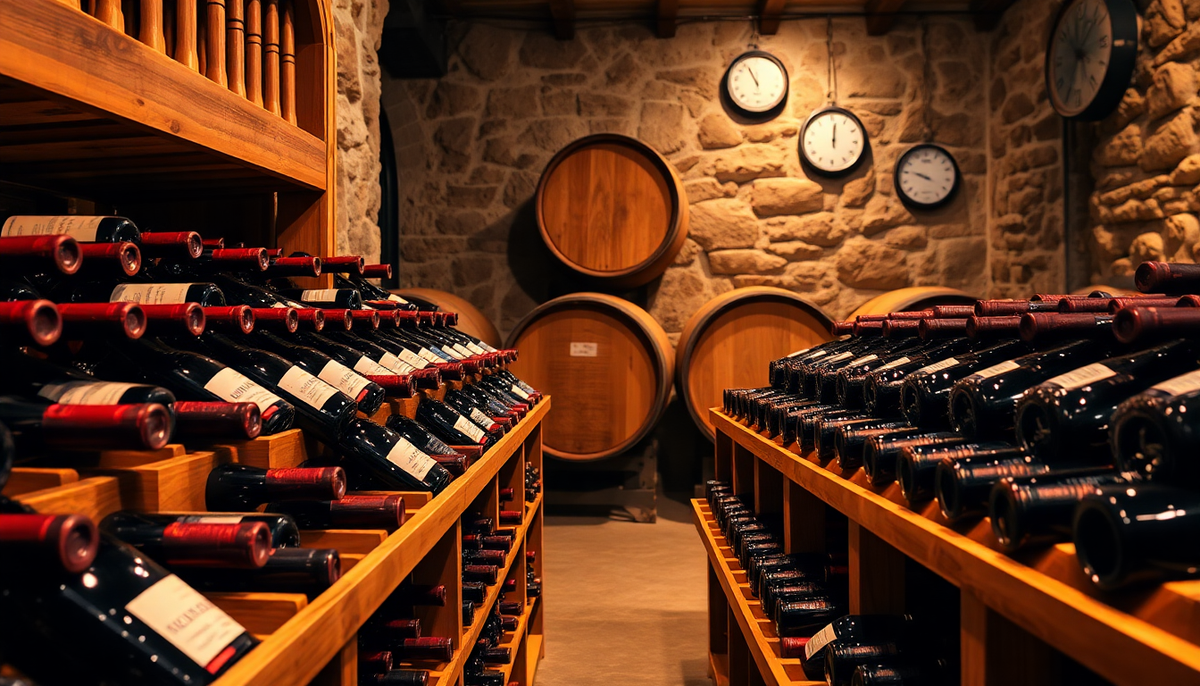
When you invest in a bottle of Curtis Family Vineyards' Limited Series Shiraz, you're not just purchasing a wine—you're acquiring a living, breathing product that will continue to evolve and improve over time. The art of cellaring and aging wine is one of the most rewarding aspects of wine appreciation, transforming a good wine into something truly extraordinary. This comprehensive guide will walk you through everything you need to know about properly storing and aging your Limited Series Shiraz to unlock its full potential and maximize the flavour profile that makes it so special.
Understanding the Fundamentals of Wine Aging
Before diving into the specific techniques for aging your Shiraz, it's essential to understand why wine ages and what happens during this process. Wine aging is a complex chemical process that involves the interaction of various compounds within the wine, including tannins, acids, and phenolic compounds. These elements work together over time to create more complex, integrated, and harmonious flavours.
The Chemistry Behind Wine Aging
The primary drivers of wine aging are oxidation and polymerization. When wine is sealed in a bottle with a cork, a small amount of oxygen can still interact with the wine through the cork's porous nature. This controlled oxidation is what allows the wine to develop and mature. The tannins in Shiraz, which come from the grape skins and seeds, undergo polymerization—a process where smaller tannin molecules bond together to form larger, more complex structures. This transformation is crucial for developing the wine's texture and mouthfeel.
During aging, the wine's colour may gradually shift from the deep purple of youth to more brick-red or garnet tones. The acidity may seem to soften as it integrates with other components, and the fruit flavours often become more subtle and complex, developing secondary notes of leather, tobacco, earth, and spice. For a Limited Series Shiraz from Curtis Family Vineyards, these transformations can be particularly dramatic and rewarding.
Why Shiraz is Ideal for Cellaring
Shiraz is one of the most age-worthy red wine varieties, making it an excellent choice for long-term cellaring. The grape's natural characteristics—high tannin content, good acidity, and concentrated flavours—provide the structural foundation necessary for extended aging. A well-made Limited Series Shiraz has the potential to age gracefully for 10, 15, or even 20 years or more, depending on the specific vintage and winemaking style.
The Limited Series designation from Curtis Family Vineyards indicates a wine of particular quality and care, suggesting that it has been crafted with aging potential in mind. These wines typically have the concentration, balance, and complexity needed to develop beautifully over decades.
Creating the Ideal Cellar Environment
The most critical factor in successfully aging wine is maintaining proper storage conditions. Even the finest wine will deteriorate rapidly if stored incorrectly, so investing time and effort into creating an appropriate cellar environment is absolutely essential.
Temperature Control and Stability
Temperature is perhaps the single most important factor in wine storage. The ideal temperature for aging wine is between 45 and 65 degrees Fahrenheit (7 to 18 degrees Celsius), with 55 degrees Fahrenheit (13 degrees Celsius) being considered the sweet spot. More important than the absolute temperature is consistency—temperature fluctuations can cause the wine to expand and contract, potentially pushing the cork out or allowing air to seep in.
If you live in a climate with significant temperature variations, you'll need to invest in temperature-controlled storage. This might mean using a wine refrigerator, a dedicated wine cellar, or even a climate-controlled storage unit. The investment in proper temperature control will pay dividends in the quality of your aged wine.
Avoid storing your Shiraz in places subject to temperature swings, such as kitchens, attics, or garages. These locations may experience daily or seasonal temperature fluctuations that can damage the wine. Even a few degrees of variation over extended periods can negatively impact the aging process.
Humidity Levels
While temperature gets most of the attention, humidity is also crucial for proper wine storage. The ideal humidity level for a wine cellar is between 50 and 80 percent. Humidity serves two important purposes: it keeps the cork from drying out, and it prevents the labels from deteriorating.
If the humidity is too low, the cork can dry out and shrink, allowing oxygen to enter the bottle and spoil the wine. If the humidity is too high, mold can develop on the labels and potentially on the cork itself. If you're using a wine refrigerator or climate-controlled storage, many models include humidity control features. For natural cellars, you can monitor humidity with an inexpensive hygrometer and adjust as needed.
Light Protection
Light, particularly ultraviolet light, can prematurely age wine and cause it to develop unpleasant flavours. This is why wine bottles are typically made from dark glass—to protect the wine from light exposure. When storing your Limited Series Shiraz, keep it in a dark location away from direct sunlight and fluorescent lighting.
If you're displaying your wine collection, consider using UV-protective glass or keeping the bottles in a dark cabinet. Even indirect sunlight over extended periods can damage wine, so err on the side of caution and store your bottles in complete darkness.
Air Quality and Vibration
The air quality in your storage area should be clean and free from strong odours. Wine can absorb odours through the cork, so avoid storing wine near chemicals, cleaning supplies, or anything with a strong smell. Additionally, minimize vibration and movement of the bottles. Constant vibration can disturb the sediment in the wine and potentially accelerate aging in undesirable ways.
Proper Bottle Positioning and Organization
How you position your bottles during storage can significantly impact the aging process and the wine's condition over time.
Horizontal Storage
For wines sealed with cork, horizontal storage is the gold standard. When a bottle is stored on its side, the wine remains in contact with the cork, keeping it moist and preventing it from drying out. A dry cork can shrink and allow oxygen to enter the bottle, which will oxidize and spoil the wine. This is why wine racks and wine fridges are designed to hold bottles horizontally.
If you're storing your Limited Series Shiraz for extended periods, make sure your storage solution accommodates horizontal positioning. Even if you plan to drink the wine within a few years, horizontal storage is still the best practice.
Organization Systems
Develop a system for organizing your collection so you can easily track which bottles you have and when they were purchased. This might be as simple as a spreadsheet or notebook, or you might use one of the many wine collection management apps available. Include information such as the vintage year, purchase date, tasting notes, and your projected drinking window.
Organizing your collection also helps you avoid accidentally opening a bottle before it's ready or keeping it too long past its peak. For a Limited Series Shiraz, knowing the vintage and having tasting notes from when you purchased it will help you determine the optimal time to open it.
Understanding the Aging Timeline for Shiraz
Different vintages and styles of Shiraz will have different aging curves, but understanding general timelines can help you plan when to open your bottles.
Short-Term Aging (2-5 Years)
Even young Shiraz can benefit from a few years of bottle age. During this period, the wine will begin to integrate its components, and the harsh edges of youth will soften. The fruit flavours will remain prominent but will become more refined. For many people, this is an ideal drinking window—the wine has developed complexity but still retains the vibrant fruit character that makes Shiraz so appealing.
Medium-Term Aging (5-10 Years)
As your Shiraz enters its second decade, more significant transformations occur. The primary fruit flavours become more subtle, and secondary flavours develop. You might notice notes of leather, tobacco, earth, and spice becoming more prominent. The tannins continue to polymerize and soften, creating a smoother, more integrated mouthfeel. Many wine enthusiasts consider this the sweet spot for aged Shiraz—complex enough to reward careful cellaring but still vibrant and enjoyable.
Long-Term Aging (10+ Years)
Premium Shiraz, particularly Limited Series wines from respected producers like Curtis Family Vineyards, can continue to develop and improve for 15, 20, or even 30 years. At this stage, the wine becomes increasingly complex and sophisticated. The fruit character may be quite subtle, with the wine dominated by earthy, spicy, and savory notes. The texture becomes silky and refined, and the overall impression is one of elegance and maturity.
However, it's important to note that not all wines improve indefinitely. Eventually, even the finest wines will begin to decline as the acidity decreases and the wine becomes over-oxidized. The key is to drink your wine during its optimal window, which requires paying attention to how it's developing.
Monitoring Your Wine During Aging
As your Shiraz ages, it's important to periodically check on it to ensure it's developing properly and to catch any problems early.
Visual Inspection
Periodically remove a bottle from storage and examine it visually. Look at the colour—it should gradually shift from deep purple toward brick-red or garnet tones. Check the fill level; it should remain at the neck of the bottle. If the level has dropped significantly, it might indicate a leaky cork or excessive evaporation, both of which could compromise the wine.
Examine the cork itself if you can see it. It should appear moist and intact. If you notice mold on the cork or label, this indicates excessive humidity, which you should address in your storage area.
Tasting Notes
Consider opening a bottle every few years to taste how it's developing. This serves two purposes: it gives you valuable information about the wine's progress, and it helps you determine when the wine has reached its peak. Keep detailed tasting notes, including the date, colour, aroma, flavour profile, and your overall impression. Over time, these notes will help you understand how your particular bottles are aging and when they're ready to drink.
Sediment Development
As Shiraz ages, it will develop sediment—a natural byproduct of the aging process. This sediment is harmless and actually indicates that the wine is aging properly. However, you'll want to be aware of it when you eventually open the bottle, as you'll need to decant the wine to separate it from the sediment.
Preparing Your Shiraz for Consumption
When you've decided the time is right to open your aged Shiraz, proper preparation will ensure you get the maximum enjoyment from the bottle.
Decanting Aged Wine
Aged Shiraz, particularly bottles that have been cellared for many years, will have developed sediment. Decanting separates the clear wine from this sediment and also allows the wine to aerate, which can enhance its flavours and aromas. To decant, slowly pour the wine into a decanter, watching the neck of the bottle as you pour. Stop pouring when you see sediment approaching the neck—this sediment-laden portion can be discarded or saved for cooking.
Even without visible sediment, decanting an aged Shiraz can be beneficial. The aeration helps to open up the wine's aromas and can soften any remaining harsh edges. Allow the wine to sit in the decanter for 30 minutes to an hour before serving.
Serving Temperature
Serve your aged Shiraz at a slightly cooler temperature than room temperature—ideally between 60 and 65 degrees Fahrenheit (15 to 18 degrees Celsius). This temperature range allows the wine's complex flavours and aromas to shine without being muted by excessive warmth. If your wine is stored in a cool cellar, it may already be at the ideal serving temperature.
Glassware Selection
Use large, bowl-shaped wine glasses that allow the wine to breathe and that concentrate the aromas toward your nose. The size of the glass is important—it allows you to swirl the wine gently, which further aerates it and releases additional aromas. Avoid small glasses or narrow flutes, which don't allow the wine to express itself fully.
Common Mistakes to Avoid When Cellaring Shiraz
Even with the best intentions, it's easy to make mistakes that can compromise your wine. Being aware of common pitfalls will help you avoid them.
Inconsistent Temperature Control
One of the most common mistakes is failing to maintain consistent temperature. Many people store wine in basements or closets without temperature control, assuming that cool is good enough. However, basements often experience seasonal temperature fluctuations, and closets near heating vents can get too warm. Invest in proper temperature control from the start—it's far less expensive than replacing ruined bottles.
Storing Bottles Upright
Storing cork-sealed bottles upright is a common mistake that can lead to cork deterioration. Always store your Limited Series Shiraz horizontally so the wine remains in contact with the cork. The only exception is if your bottles are sealed with screw caps, which don't require contact with the wine.
Excessive Light Exposure
Storing wine in visible locations where it receives any amount of light, even indirect light, can damage it over time. Wine stored in kitchen wine racks or on shelves in living areas is exposed to far too much light. Keep your collection in a dark location, even if it's less convenient or visible.
Ignoring Humidity Levels
While temperature gets most of the attention, ignoring humidity can be equally damaging. Too-dry conditions cause corks to shrivel, while excessive humidity promotes mold growth. Monitor your storage area's humidity and make adjustments as needed.
Opening Bottles Too Early or Too Late
Timing is crucial. Opening a wine too early means missing out on the complexity it could have developed. Opening it too late means the wine may have begun to decline. Pay attention to your wine's development and drink it during its optimal window. This is where tasting notes and periodic sampling become invaluable.
Building Your Cellar Infrastructure
If you're serious about aging wine, you'll eventually want to invest in proper cellar infrastructure. There are several options available at different price points.
Wine Refrigerators
Wine refrigerators are an excellent option for those with limited space or budget. They come in various sizes, from compact units holding 20-30 bottles to larger models holding 100+ bottles. Quality wine refrigerators maintain consistent temperature and humidity, protect from light, and minimize vibration. They're more affordable than building a dedicated cellar and require no construction or renovation.
Dedicated Wine Cellars
If you have the space and budget, a dedicated wine cellar is the ultimate solution. This might be a converted closet, basement room, or purpose-built structure. A proper cellar includes insulation, temperature and humidity control systems, proper racking, and lighting that won't damage the wine. While the initial investment is significant, a well-built cellar can house hundreds or thousands of bottles and will last for decades.
Wine Storage Services
If you don't have space for a home cellar, professional wine storage services offer climate-controlled facilities specifically designed for wine storage. These services typically charge monthly fees based on the number of bottles stored. They're an excellent option for serious collectors with large collections, though they're less convenient if you want to access your wine frequently.
DIY Cellar Solutions
For those on a budget, there are creative DIY solutions. A cool basement corner with proper insulation, a wine cooler, and appropriate racking can work well. The key is maintaining proper temperature and humidity while protecting the wine from light and vibration. Even a simple setup is better than storing wine in suboptimal conditions.
Pairing Your Aged Shiraz with Food
One of the great pleasures of aging wine is eventually opening it and enjoying it with food. Aged Shiraz pairs beautifully with a variety of dishes, particularly those with rich, savory flavours.
Meat Dishes
Aged Shiraz is a classic pairing with beef, lamb, and game meats. The wine's tannins complement the protein and fat in these dishes, while the wine's complex flavours enhance the dining experience. Consider pairing your aged Shiraz with a perfectly cooked steak, a rich lamb stew, or a game bird. The earthy and spicy notes that develop in aged Shiraz are particularly complementary to these proteins.
Savory and Umami-Rich Foods
As Shiraz ages, it develops savory, umami-rich flavours that pair wonderfully with foods featuring similar characteristics. Think mushroom-based dishes, aged cheeses, cured meats, and dishes with soy sauce or miso. These pairings highlight the wine's complexity and create a harmonious dining experience.
Spiced and Herb-Forward Dishes
The spice notes that develop in aged Shiraz make it an excellent pairing for dishes featuring similar spices. Mediterranean herbs like rosemary and thyme, as well as warming spices like black pepper and cinnamon, complement aged Shiraz beautifully. Consider pairing your wine with herb-roasted meats or dishes featuring these flavours.
The Investment Perspective
Beyond the pure pleasure of drinking fine wine, cellaring and aging wine can also be viewed as an investment. Limited Series wines from respected producers like Curtis Family Vineyards often appreciate in value over time, particularly if they're stored properly and the producer's reputation continues to grow.
Factors That Affect Wine Value
Several factors influence whether a wine will appreciate in value. The producer's reputation and track record are crucial—wines from well-respected producers are more likely to appreciate. The vintage year matters as well; wines from

Leave a comment
This site is protected by hCaptcha and the hCaptcha Privacy Policy and Terms of Service apply.