

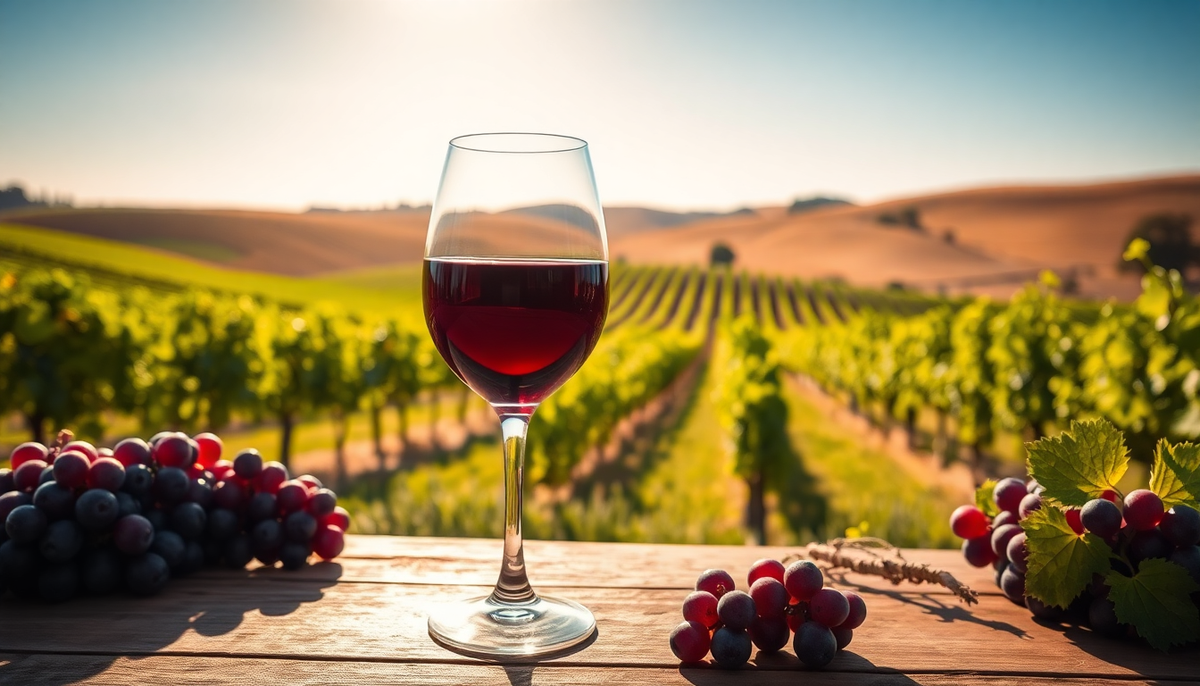
Cabernet Sauvignon stands as one of the world's most celebrated and recognizable wine varietals, and Australia has emerged as a powerhouse producer of this magnificent red wine. Whether you're a wine enthusiast looking to deepen your knowledge or a complete beginner curious about what makes Cabernet Sauvignon so special, this comprehensive guide will walk you through everything you need to know about this bold and captivating wine. At Curtis Family Vineyards, we're passionate about sharing our expertise and helping wine lovers discover the remarkable qualities that make Australian Cabernet Sauvignon truly exceptional.
Understanding Cabernet Sauvignon: The Basics
Cabernet Sauvignon is a dark-skinned grape variety that produces full-bodied red wines known for their depth, complexity, and aging potential. The grape itself is relatively small and thick-skinned, which contributes to the wine's characteristic bold flavors and robust tannin structure. The name "Cabernet Sauvignon" comes from its origins in the Bordeaux region of France, where it has been cultivated for centuries and remains the primary component of many prestigious Bordeaux blends.
The history of Cabernet Sauvignon is fascinating and deeply intertwined with European wine culture. The variety is believed to be a natural cross between Cabernet Franc and Sauvignon Blanc grapes, though this wasn't scientifically confirmed until relatively recently. What we do know is that Cabernet Sauvignon has been documented in Bordeaux since at least the 17th century, and it gradually became the dominant grape variety in the region's most celebrated wines.
The grape's journey to Australia is part of a larger story of European viticulture spreading across the globe during the colonial period. Early European settlers brought vine cuttings to Australia in the late 18th and early 19th centuries, and Cabernet Sauvignon was among the varieties that found a new home in the Southern Hemisphere. Over the past few decades, Australian winemakers have developed their own distinctive style of Cabernet Sauvignon, creating wines that reflect the unique terroir and climate of Australian wine regions.
The Characteristics of Cabernet Sauvignon
One of the most important things to understand about Cabernet Sauvignon is its distinctive flavor profile and structural characteristics. These wines are typically full-bodied, meaning they have a substantial weight and texture on the palate. This fullness comes from the grape's thick skin, which contains high levels of tannins, color compounds, and flavor precursors.
Tannins are a crucial element in understanding Cabernet Sauvignon. These are naturally occurring compounds found in grape skins, seeds, and stems that create a drying sensation in the mouth. In young Cabernet Sauvignon wines, tannins can be quite pronounced and even austere, but they soften and integrate beautifully as the wine ages. This is one reason why Cabernet Sauvignon is often considered a wine with excellent aging potential.
The flavor profile of Cabernet Sauvignon typically includes dark fruit notes such as blackcurrant, plum, and black cherry. Many Cabernet Sauvignons also display secondary flavors that might include herbs, tobacco, leather, or even hints of eucalyptus, depending on where the grapes were grown and how the wine was made. In Australian Cabernet Sauvignon, you'll often find riper fruit characteristics compared to cooler-climate versions, with flavors leaning toward cassis, dark plum, and sometimes even hints of mint or eucalyptus.
The color of Cabernet Sauvignon is typically deep ruby to garnet, and it can become increasingly brick-colored as the wine ages. This visual characteristic is one of the first clues that you're dealing with a full-bodied, age-worthy wine.
Australian Wine Regions and Cabernet Sauvignon
Australia's diverse climate and geography have created numerous regions where Cabernet Sauvignon thrives, each producing wines with distinct characteristics. Understanding these regions is essential for appreciating the range and quality of Australian Cabernet Sauvignon.
Coonawarra
Coonawarra, located in South Australia, is perhaps the most famous Australian region for Cabernet Sauvignon. This region is renowned for producing elegant, medium to full-bodied Cabernet Sauvignons with excellent structure and aging potential. The distinctive terra rossa soil, a red volcanic earth, is believed to contribute to the region's signature style. Coonawarra Cabernet Sauvignons typically display classic blackcurrant and plum flavors with subtle herbaceous notes and fine tannins. Many wine experts consider Coonawarra to produce some of the finest Cabernet Sauvignons in the Southern Hemisphere.
Margaret River
Margaret River in Western Australia has established itself as a world-class wine region, and Cabernet Sauvignon is one of its flagship varietals. The region's Mediterranean climate and diverse soil types create conditions ideal for producing rich, complex Cabernet Sauvignons. Margaret River Cabernet Sauvignons tend to be fuller-bodied than their Coonawarra counterparts, with riper fruit flavors and sometimes more pronounced oak influence. The wines often display notes of dark berries, chocolate, and spice, with a velvety texture and well-integrated tannins.
Barossa Valley
The Barossa Valley, also in South Australia, is famous for its Shiraz, but it also produces excellent Cabernet Sauvignon. The warm climate of the Barossa Valley results in riper, more fruit-forward Cabernet Sauvignons with higher alcohol levels, typically ranging from 14 to 15 percent. These wines are often bold and approachable, with flavors of ripe plum, blackberry, and sometimes hints of licorice or anise.
Yarra Valley
The Yarra Valley in Victoria is a cooler-climate region that produces more elegant, restrained Cabernet Sauvignons. The cooler temperatures allow for slower ripening, which can result in wines with more complexity and finesse. Yarra Valley Cabernet Sauvignons often display more herbaceous characteristics and finer tannins, making them appealing to those who prefer a more subtle expression of the varietal.
Other Notable Regions
Beyond these major regions, Australian Cabernet Sauvignon is also produced in areas such as the Limestone Coast, McLaren Vale, and the Hunter Valley. Each region brings its own unique characteristics to the wine, influenced by factors such as altitude, soil composition, and microclimate variations.
The Winemaking Process
Understanding how Cabernet Sauvignon is made can deepen your appreciation for the wine and help you understand why different bottles taste different. The winemaking process for Cabernet Sauvignon is complex and involves numerous decisions that influence the final product.
Harvesting
The first critical decision in winemaking is determining when to harvest the grapes. Winemakers must balance the desire for ripe fruit flavors with the need to maintain acidity and achieve optimal tannin maturity. In Australia's warm climate, this timing is particularly important, as grapes can ripen quickly. Harvest typically occurs in late summer or early autumn, and the exact timing can vary significantly from year to year depending on weather conditions.
Crushing and Destemming
Once harvested, the grapes are brought to the winery where they are crushed to break the skins and release the juice. Most winemakers also destem the grapes, removing them from the bunch, though some may retain a portion of the stems for additional tannin structure. The crushed grapes, including skins, seeds, and juice, are now called must.
Fermentation
Fermentation is where the magic happens. Yeast, either naturally occurring or added by the winemaker, converts the sugar in the grape juice into alcohol. During fermentation, which typically lasts one to three weeks, the must is kept in contact with the skins, allowing color, tannins, and flavor compounds to extract into the juice. Temperature control during fermentation is crucial, as it affects the rate of fermentation and the flavor compounds that develop.
Maceration
After fermentation is complete, many winemakers allow the wine to remain in contact with the skins for an additional period, called post-fermentation maceration. This extended contact can extract additional tannins and color, resulting in a more structured and age-worthy wine.
Malolactic Fermentation
Many Cabernet Sauvignons undergo a secondary fermentation called malolactic fermentation, where lactic acid bacteria convert malic acid into lactic acid. This process reduces the wine's acidity and can add complexity and a creamy texture to the wine.
Aging
After fermentation is complete, Cabernet Sauvignon is typically aged in oak barrels before being bottled. The duration and type of oak used significantly influence the wine's flavor and structure. French oak, American oak, and Hungarian oak are commonly used, each imparting different characteristics. French oak tends to add subtle vanilla and spice notes, while American oak can contribute more pronounced vanilla and coconut flavors. The length of aging in oak can range from several months to several years, depending on the winemaker's vision for the wine.
Tasting Cabernet Sauvignon: A Beginner's Guide
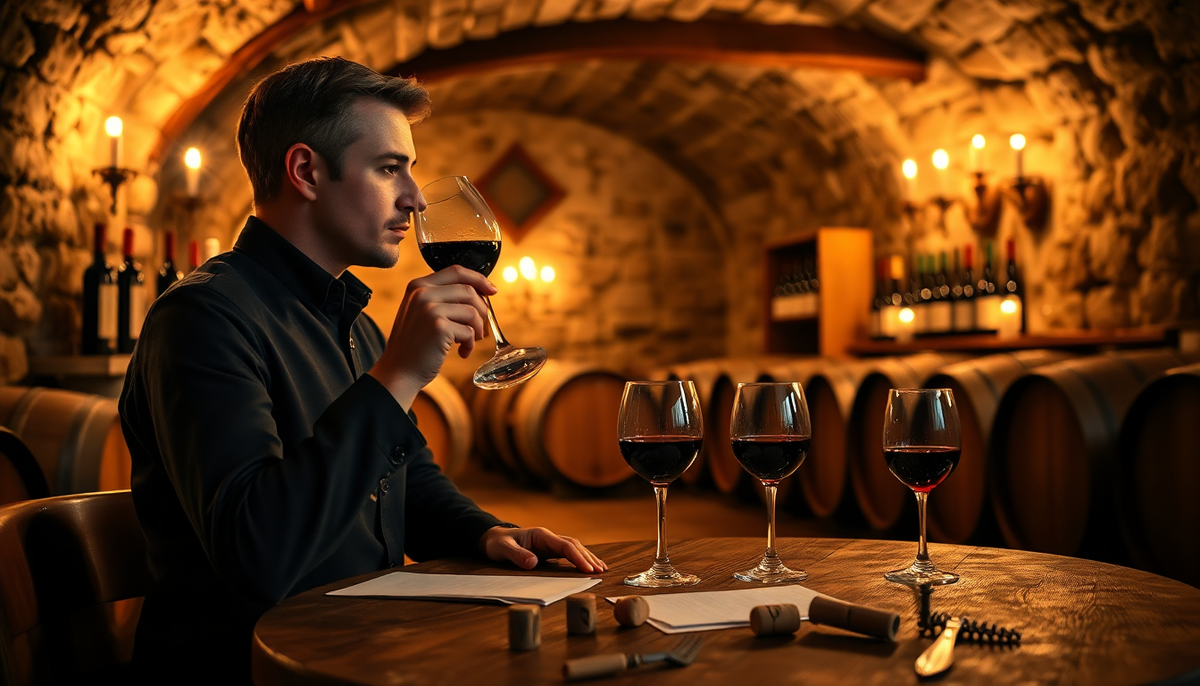
Learning to taste wine properly can significantly enhance your enjoyment and understanding of Cabernet Sauvignon. The process of wine tasting involves engaging multiple senses and paying attention to various aspects of the wine.
Appearance
Begin by examining the wine's color and clarity. Hold the glass up to the light and observe the wine's hue. Young Cabernet Sauvignons typically display a deep ruby or purple color, while older wines may show more garnet or brick-colored tones. The intensity of the color can provide clues about the wine's age, concentration, and alcohol level. Swirl the wine gently in the glass and observe how it coats the sides. These "legs" or "tears" that form on the glass indicate the wine's alcohol content and viscosity.
Aroma
Smell is perhaps the most important sense in wine tasting. Bring the glass to your nose and take a gentle sniff, then swirl the glass to aerate the wine and release more aromatic compounds. Take another deeper sniff. Try to identify specific aromas rather than just thinking "it smells good." Common aromas in Cabernet Sauvignon include blackcurrant, plum, cherry, herbs, tobacco, leather, and spice. Don't worry if you can't identify every aroma; wine tasting is a skill that improves with practice.
Taste
Take a small sip and let the wine coat your entire mouth. Pay attention to the wine's body, which refers to its weight and texture. Is it light, medium, or full-bodied? Notice the flavors, which may be similar to or different from the aromas you detected. Pay attention to the wine's acidity, which creates a refreshing sensation on the sides of your mouth. Consider the tannins, which create a drying sensation in your mouth and on your gums. Think about how the flavors evolve as the wine sits in your mouth. Finally, notice the finish, which is the flavor that remains after you swallow or spit out the wine.
Balance and Structure
As you taste, consider how the various components of the wine work together. A well-balanced Cabernet Sauvignon should have harmony between fruit, acidity, tannins, and alcohol. The tannins should feel integrated rather than harsh, and the alcohol should not dominate the palate.
Food Pairing with Cabernet Sauvignon
One of the great pleasures of wine appreciation is discovering how wine and food can enhance each other. Cabernet Sauvignon's bold flavors and structure make it an excellent pairing wine for many dishes.
Red Meat
The classic pairing for Cabernet Sauvignon is red meat, particularly beef. The wine's tannins and acidity cut through the richness of fatty meats, while the wine's dark fruit flavors complement the savory, umami qualities of beef. A perfectly aged Cabernet Sauvignon paired with a grilled steak is considered by many to be one of life's great pleasures.
Game and Venison
Cabernet Sauvignon also pairs beautifully with game meats such as venison, duck, and lamb. The wine's structure and complexity can stand up to the bold, sometimes gamey flavors of these meats.
Hearty Stews and Braises
Cabernet Sauvignon works wonderfully with slow-cooked dishes such as beef stews, braised short ribs, and pot roasts. The wine's tannins soften as it ages, making it particularly suitable for pairing with rich, slow-cooked dishes.
Aged Cheeses
Hard, aged cheeses such as cheddar, Gruyère, and Parmigiano-Reggiano pair nicely with Cabernet Sauvignon. The wine's acidity and tannins complement the cheese's complexity and saltiness.
Chocolate Desserts
For dessert, Cabernet Sauvignon can pair surprisingly well with dark chocolate desserts. The wine's dark fruit flavors and subtle tannins complement the richness and slight bitterness of dark chocolate.
Storing and Aging Cabernet Sauvignon
Proper storage is essential for maintaining the quality of Cabernet Sauvignon, particularly if you plan to age the wine for several years.
Storage Conditions
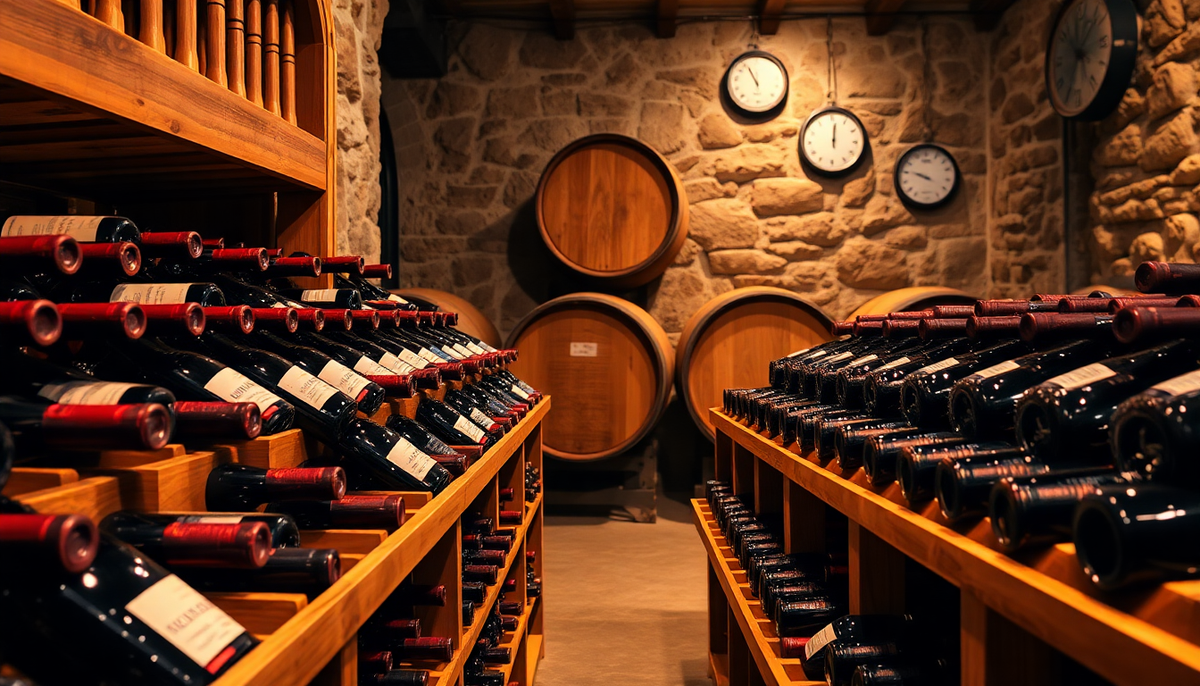
Wine should be stored in a cool, dark place with a consistent temperature. Ideally, the temperature should be around 45 to 65 degrees Fahrenheit, with 55 degrees being considered optimal. Fluctuating temperatures can cause the wine to expand and contract, potentially damaging the cork and allowing air to enter the bottle. Light, particularly ultraviolet light, can degrade wine and cause premature aging, so wine should be stored away from direct sunlight.
Bottle Position
Wine bottles with cork closures should be stored on their side, which keeps the cork moist and prevents it from drying out. A dried cork can shrink, allowing air to enter the bottle and oxidize the wine. Bottles with screw caps can be stored upright.
Humidity
While not as critical as temperature, humidity levels can affect wine storage. Ideally, humidity should be moderate, around 50 to 80 percent. Very low humidity can dry out corks, while very high humidity can damage labels.
Aging Potential
Not all Cabernet Sauvignons are meant to be aged. Many modern Cabernet Sauvignons are produced in a style that is approachable when young, with softer tannins and more immediate fruit flavors. However, high-quality Cabernet Sauvignons from premium producers and excellent vintages can improve significantly with age. As Cabernet Sauvignon ages, the tannins soften and integrate, the flavors become more complex and nuanced, and the wine develops secondary flavors such as leather, tobacco, and earth. A well-made Cabernet Sauvignon can continue to improve for 10, 20, or even 30 years or more, depending on the wine's structure and storage conditions.
Selecting and Purchasing Cabernet Sauvignon
With so many Cabernet Sauvignons available, knowing how to select a bottle that will suit your preferences and budget can be challenging. Here are some tips to help guide your purchasing decisions.
Price and Quality
While price is not always an indicator of quality, there is generally a correlation between price and quality in wine. Entry-level Cabernet Sauvignons, typically priced between $10 and $20, can offer excellent value and are often approachable and fruit-forward. Mid-range Cabernet Sauvignons, priced between $20 and $50, often offer more complexity and structure. Premium Cabernet Sauvignons, priced above $50, are typically from renowned producers and exceptional vintages, and they often have significant aging potential.
Producer Reputation
Learning about wine producers can help you make informed purchasing decisions. Established producers with a track record of quality are generally a safer bet than unknown producers. However, don't overlook smaller, emerging producers who may offer excellent quality at reasonable prices.
Vintage
The vintage, or year the grapes were harvested, can significantly influence a wine's quality and characteristics. In Australia, vintage variation is less pronounced than in cooler climates, but it still exists. Generally, warmer years produce riper, more fruit-forward wines, while cooler years produce wines with more acidity and structure. Consulting vintage charts or asking wine professionals about specific vintages can help you make informed decisions.
Tasting Notes and Reviews
Wine reviews and tasting notes from reputable sources can provide valuable information about a wine's characteristics and quality. However, remember that wine tasting is subjective, and your own preferences may differ from those of professional reviewers.
Personal Preferences
Ultimately, the best Cabernet Sauvignon is the one you enjoy drinking. If you prefer lighter, more delicate wines, you might opt for Cabernet Sauvignons from cooler regions such as Yarra Valley. If you prefer bolder, more fruit-forward wines, you might choose Cabernet Sauvignons from warmer regions such as Barossa Valley or Margaret River.

Leave a comment
This site is protected by hCaptcha and the hCaptcha Privacy Policy and Terms of Service apply.