

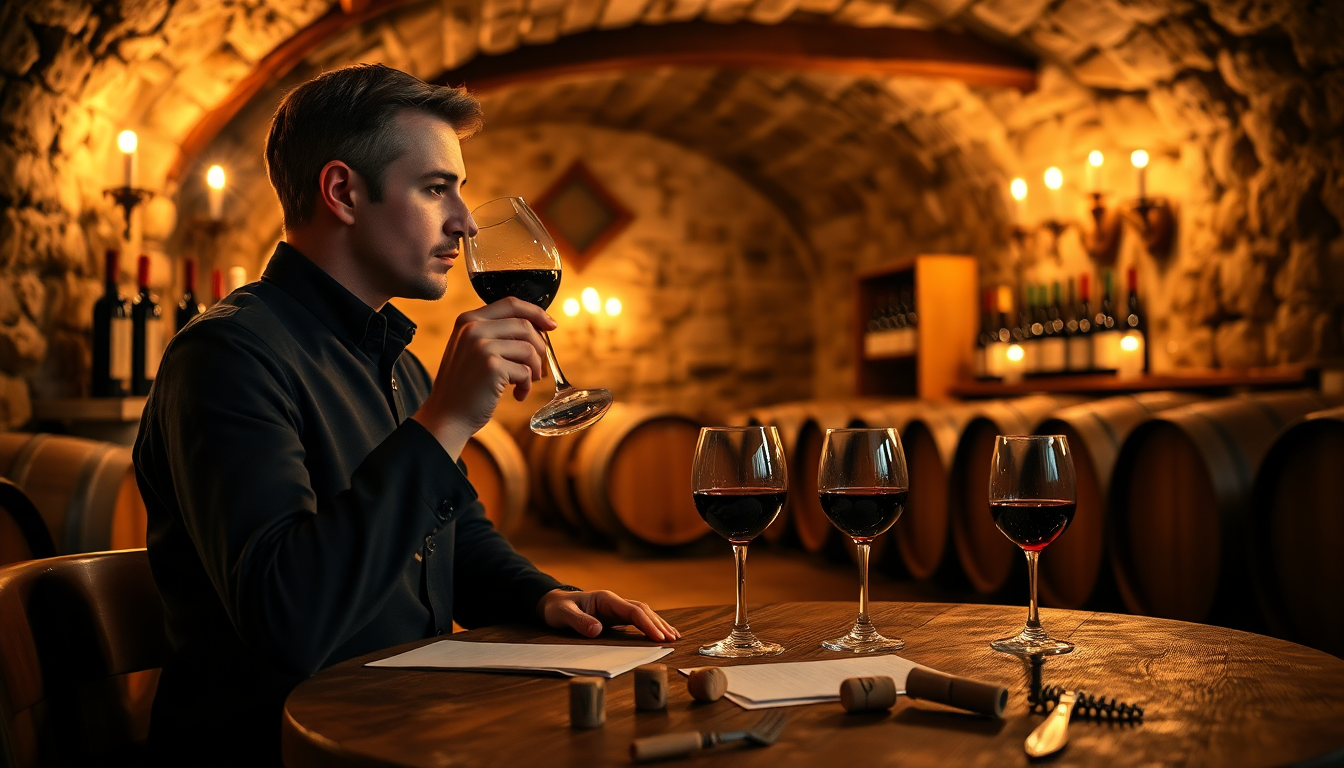
When it comes to wine, few varietals have suffered as much from undeserved criticism as Merlot. Once celebrated as a noble grape capable of producing world-class wines, Merlot has somehow become the punchline of wine jokes and the target of casual dismissal. Yet this perception couldn't be further from the truth. At Curtis Family Vineyards, we believe it's time to set the record straight and give Merlot the respect it truly deserves. This comprehensive exploration will delve into the history, characteristics, and exceptional qualities of Merlot, demonstrating why this soft red wine remains one of the most important and rewarding varietals in the wine world.
The Historical Significance of Merlot
To understand Merlot's current standing, we must first appreciate its rich history and the role it has played in winemaking for centuries. Merlot's origins trace back to the Bordeaux region of France, where it has been cultivated since at least the 18th century. The name itself is believed to derive from the French word "merle," meaning blackbird, possibly because blackbirds were attracted to the grape's dark berries.
In Bordeaux, Merlot was traditionally used as a blending grape, working in harmony with Cabernet Sauvignon, Cabernet Franc, and other varietals to create the complex, age-worthy wines that made the region famous. This blending tradition is crucial to understanding Merlot's character. Unlike Cabernet Sauvignon, which often takes center stage, Merlot was designed to complement and enhance other wines. It brought softness, roundness, and approachability to blends that might otherwise be too austere or tannic.
The grape's journey from Bordeaux to the rest of the world is a fascinating one. In the 1970s and 1980s, Merlot began gaining prominence in California and other New World wine regions. Winemakers discovered that Merlot could thrive in diverse climates and produce wines of remarkable quality. The varietal's versatility became one of its greatest strengths, allowing it to express itself differently depending on terroir, climate, and winemaking techniques.
Understanding Merlot's Characteristics
One of the primary reasons Merlot has been misunderstood is that many people don't fully appreciate what makes this varietal special. Merlot is characterized by its soft tannins, medium body, and fruit-forward profile. These qualities, which should be celebrated, are sometimes dismissed as lacking complexity or depth. This misconception couldn't be more wrong.
The soft tannins in Merlot are not a weakness but rather a defining characteristic that makes the wine approachable and elegant. Tannins are compounds found in grape skins, seeds, and stems that contribute to a wine's structure and aging potential. While Cabernet Sauvignon often displays bold, gripping tannins that can be austere in youth, Merlot's softer tannins create a wine that is immediately pleasurable while still possessing the structure to age gracefully.
The flavor profile of Merlot typically includes notes of dark cherry, plum, and blackberry, often complemented by hints of chocolate, herbs, and earth. Depending on the region and winemaking style, you might also detect notes of coffee, tobacco, or even floral elements. This complexity of flavors is often overlooked by those who dismiss Merlot as simple or one-dimensional.
The medium body of Merlot is another characteristic that deserves appreciation. This means the wine has more weight and substance than a light-bodied Pinot Noir but less intensity than a full-bodied Cabernet Sauvignon. This balance makes Merlot incredibly food-friendly and versatile in the dining experience. It's a wine that can stand up to hearty dishes without overwhelming them, and it can enhance lighter fare without disappearing.
The Terroir Factor: How Location Shapes Merlot
One of the most important aspects of understanding Merlot is recognizing how profoundly terroir influences the final product. Terroir encompasses the soil, climate, topography, and other environmental factors of a vineyard. The same grape variety can produce dramatically different wines when grown in different locations, and Merlot is an excellent example of this principle.
In Bordeaux's Right Bank, particularly in Pomerol and Saint-Julien, Merlot thrives in clay and iron-rich soils. These conditions produce wines with deeper color, richer texture, and more pronounced dark fruit flavors. The cool maritime climate of Bordeaux ensures that Merlot ripens at a measured pace, developing complexity and balance. Wines from these regions often display the elegance and sophistication that made Bordeaux famous.
In California, particularly in Napa Valley and Sonoma County, Merlot expresses itself quite differently. The warmer climate allows for fuller ripeness, resulting in wines with riper fruit flavors, higher alcohol content, and sometimes more pronounced oak influence. These New World Merlots often display bold cherry and plum flavors with hints of spice and vanilla from oak aging. While different from their Bordeaux counterparts, these wines are equally valid expressions of the varietal.
Washington State has emerged as another significant Merlot region, producing wines that often strike a beautiful balance between the elegance of Bordeaux and the fruit-forward character of California. The region's volcanic soils and moderate climate create conditions ideal for producing Merlot with excellent structure, aging potential, and complexity.
Even within these regions, individual vineyard sites produce distinct expressions of Merlot. A vineyard on a south-facing slope will produce different wine than one on a north-facing slope. Elevation, soil composition, and proximity to water all play crucial roles in shaping the final product. This diversity is one of Merlot's greatest strengths, offering wine enthusiasts an almost infinite variety of expressions to explore.
The Misunderstanding: How Merlot Became Unfashionable
The turning point in Merlot's reputation came in 2004 with the release of the film "Sideways." In one memorable scene, the main character passionately declares his disdain for Merlot while praising Pinot Noir. This single moment in popular culture had an outsized impact on wine consumption patterns and public perception. Suddenly, Merlot became associated with poor taste and lack of sophistication, while Pinot Noir was elevated to the status of the "thinking person's wine."
This cultural shift was reinforced by several other factors. During the 1990s and early 2000s, many producers, particularly in California, had planted Merlot extensively and produced large quantities of mediocre wine. These mass-produced, fruit-bomb Merlots lacked the complexity and balance that characterize truly excellent examples of the varietal. When consumers encountered these inferior wines, they formed negative impressions that unfortunately extended to all Merlot.
Additionally, the wine industry's marketing and critical establishment sometimes contributed to Merlot's decline. Wine critics and publications, influenced by trends and consumer preferences, began giving less attention to Merlot, focusing instead on Cabernet Sauvignon, Pinot Noir, and other varietals that were experiencing renewed popularity. This created a self-reinforcing cycle where less critical attention meant less consumer interest, which in turn meant less investment in quality Merlot production.
The irony is that many of the world's greatest wines contain significant proportions of Merlot. The legendary wines of Pomerol, such as Château Pétrus and Château Le Pin, are primarily Merlot-based. These wines command astronomical prices and are considered among the finest in the world. Yet somehow, the reputation of Merlot as a standalone varietal suffered while these prestigious blends maintained their status.
Merlot's Versatility in Winemaking
One of Merlot's greatest strengths is its versatility in the winemaking process. Different winemaking techniques can produce dramatically different styles of Merlot, each with its own merits and appeal. Understanding these variations helps explain why Merlot deserves recognition as a sophisticated and complex varietal.
Some winemakers choose to emphasize Merlot's fruit-forward characteristics, using techniques that highlight the grape's natural berry flavors. This might involve shorter maceration periods, cooler fermentation temperatures, or minimal oak aging. The result is a wine that is immediately approachable, with vibrant fruit flavors and soft tannins. These wines are perfect for casual drinking and pair beautifully with a wide range of foods.
Other winemakers take a more traditional approach, employing techniques designed to extract more color, tannin, and complexity from the grape. This might involve extended maceration, warmer fermentation temperatures, and aging in new oak barrels. The result is a wine with more structure, deeper color, and greater aging potential. These wines reward patience and careful cellaring, developing additional complexity and nuance over time.
Still other winemakers use Merlot as a blending component, combining it with other varietals to create wines greater than the sum of their parts. In these blends, Merlot often serves as the foundation, providing softness and roundness that allows other grapes to shine. This blending tradition, inherited from Bordeaux, continues to produce some of the world's finest wines.
The choice of oak is another crucial variable in Merlot production. Some winemakers use new oak, which imparts flavors of vanilla, spice, and toast. Others prefer older oak or avoid oak entirely, allowing the grape's natural flavors to take center stage. French oak, American oak, and Hungarian oak each contribute different characteristics. These choices reflect the winemaker's vision and philosophy, and they demonstrate the complexity involved in producing quality Merlot.
The Food Pairing Potential of Merlot
One of the most practical reasons to appreciate Merlot is its exceptional food-pairing potential. The wine's soft tannins, moderate body, and balanced acidity make it one of the most versatile wines for dining. Understanding these pairing possibilities can transform how you experience both wine and food.
Merlot's natural affinity for red meat is well-established. The wine's tannins and acidity cut through the richness of beef, lamb, and venison, while the wine's fruit flavors complement the savory qualities of the meat. A well-made Merlot with a grilled steak or a rich beef stew is a classic pairing that never disappoints. The softness of Merlot's tannins means it won't overpower the food, creating a harmonious balance on the palate.
But Merlot's versatility extends far beyond red meat. The wine pairs beautifully with poultry, particularly when the chicken or turkey is prepared with rich sauces or herbs. Duck, with its darker meat and higher fat content, is an excellent match for Merlot. The wine's acidity cuts through the richness while its fruit flavors echo the savory qualities of the meat.
Merlot also pairs wonderfully with a variety of vegetables and vegetarian dishes. Mushroom-based dishes, with their earthy flavors, complement Merlot's often-earthy undertones. Tomato-based sauces, common in Italian and Mediterranean cuisine, work beautifully with Merlot's acidity and fruit flavors. Even vegetable-forward dishes like ratatouille or roasted root vegetables can be enhanced by the right Merlot.
The wine's versatility extends to cheese pairings as well. Aged cheddar, gouda, and other hard cheeses pair beautifully with Merlot. The wine's tannins and acidity complement the cheese's richness and complexity. Softer cheeses, like brie or camembert, also work well, particularly if the Merlot has a fruit-forward character that won't overpower the delicate cheese.
Even some Asian cuisines pair well with Merlot. The wine's soft tannins and fruit flavors can complement the complex spice profiles of Thai or Vietnamese cuisine. The acidity helps cleanse the palate between bites, making the dining experience more enjoyable. This demonstrates Merlot's true versatility and its place at the table in diverse culinary contexts.
Exceptional Merlot Producers Around the World
To truly appreciate Merlot, one must explore the wines produced by dedicated, quality-focused producers. Around the world, there are winemakers who have committed themselves to producing exceptional Merlot, proving that the varietal is capable of producing wines of remarkable quality and complexity.
In Bordeaux, the Right Bank continues to produce some of the world's greatest Merlot-based wines. Château Pétrus, while technically a blend, is primarily Merlot and represents the pinnacle of what the varietal can achieve. Château Le Pin, another legendary Pomerol producer, similarly demonstrates Merlot's potential for complexity and elegance. These wines command prices that reflect their quality, but they also demonstrate that Merlot, when produced with care and expertise, can rival any other varietal in terms of quality and prestige.
In California, producers like Duckhorn Vineyards have built their reputation on producing exceptional Merlot. Duckhorn's commitment to quality and their focus on Merlot as a standalone varietal have helped elevate the reputation of California Merlot. Their wines demonstrate that New World Merlot can achieve the complexity and balance that characterize the world's finest wines.
Washington State has produced remarkable Merlots from producers like Leonetti Cellar and Woodward Canyon. These wines often display the structure and aging potential that characterize the world's greatest Merlots, while also showcasing the ripe fruit character that characterizes New World wines. The region's cool climate and volcanic soils create ideal conditions for producing Merlot of exceptional quality.
Even in regions not traditionally associated with Merlot, producers are creating outstanding examples of the varietal. In Australia, producers like Penfolds have created Merlot-based wines that demonstrate the varietal's potential in warmer climates. In South Africa, producers are exploring Merlot's possibilities in their unique terroir. This global exploration of Merlot demonstrates the varietal's versatility and its potential to produce exceptional wines in diverse locations.
The Science Behind Merlot's Softness
Understanding the science behind Merlot's characteristic softness provides insight into why this quality should be celebrated rather than dismissed. The softness of Merlot's tannins is not a flaw but rather a result of the grape's natural chemistry and how it interacts with winemaking techniques.
Tannins are polyphenolic compounds found in grape skins, seeds, and stems. Different grape varieties contain different types and concentrations of tannins. Merlot naturally contains lower concentrations of tannins than Cabernet Sauvignon, and the tannins it does contain tend to be less astringent. This is a result of the grape's genetic makeup and cannot be changed through winemaking alone.
The structure of Merlot's tannins also contributes to their softness. While Cabernet Sauvignon's tannins tend to be more angular and gripping, Merlot's tannins are more rounded and smooth. This difference in tannin structure means that Merlot wines are typically more approachable in their youth, while still possessing the structure to age and develop complexity over time.
Winemaking techniques can further influence the softness of Merlot's tannins. Shorter maceration periods, where the grape skins remain in contact with the juice for less time, result in softer tannins. Cooler fermentation temperatures also tend to produce softer tannins. Conversely, extended maceration and warmer fermentation temperatures extract more tannins, resulting in wines with more structure and grip.
The pH of the wine also plays a role in how tannins are perceived. Wines with higher pH tend to taste softer, while wines with lower pH taste more structured and acidic. Merlot typically has a slightly higher pH than Cabernet Sauvignon, which contributes to its softer character. This is not a flaw but rather a natural characteristic of the varietal.
Understanding these scientific principles helps explain why Merlot's softness is not a weakness but rather a defining characteristic that makes the wine approachable, elegant, and food-friendly. The softness is a feature, not a bug, and it's one of the reasons Merlot deserves appreciation and respect.
Aging Potential and Cellaring Merlot
Another common misconception about Merlot is that it doesn't age well and should be consumed young. This is simply not true. While some Merlots are indeed designed for early consumption, many examples of the varietal develop beautifully over time, gaining complexity and nuance with age.
The aging potential of Merlot depends on several factors, including the wine's tannin structure, acidity, alcohol content, and the winemaking techniques employed. Merlots with good acidity, moderate to high alcohol content, and sufficient tannin structure can age for decades, developing secondary flavors and greater complexity.
In Bordeaux, the greatest Merlot-based wines are known for their exceptional aging potential. Château Pétrus, for example, can age for 50 years or more, developing incredible complexity and nuance. These wines demonstrate that Merlot, when produced with care and expertise, can develop the


Leave a comment
This site is protected by hCaptcha and the hCaptcha Privacy Policy and Terms of Service apply.