

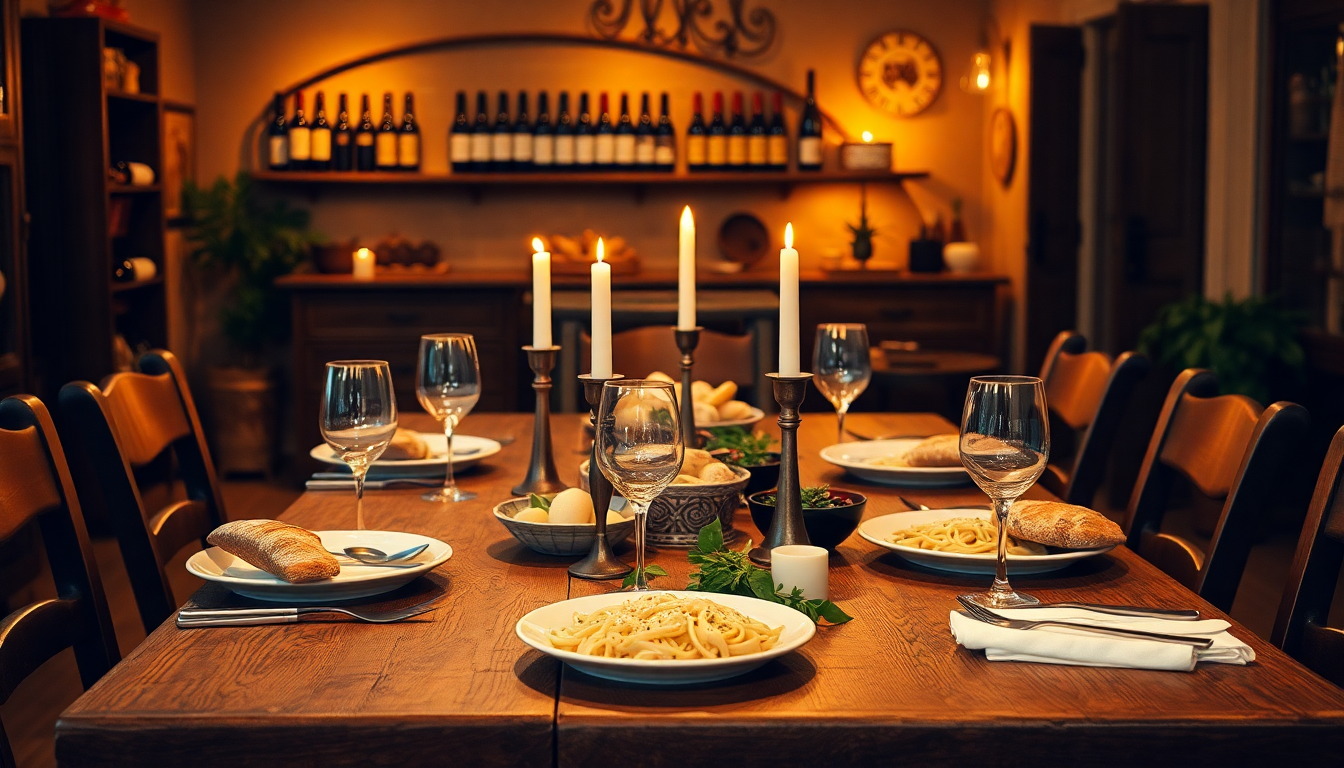
Pasta night is a cherished tradition in many households around the world. There's something magical about gathering around the table with loved ones, sharing a delicious meal, and enjoying good conversation. However, to truly elevate your pasta night experience, the right wine pairing can make all the difference. At Curtis Family Vineyards, we believe that understanding wine and food pairings is an art form that anyone can master. In this comprehensive guide, we'll explore the best wines to pair with various pasta dishes, helping you create memorable dining experiences that will impress your family and friends.
Understanding Wine and Pasta Pairings
Before we dive into specific recommendations, it's important to understand the fundamental principles behind wine and food pairings. The goal of pairing wine with food is to create a harmonious relationship where both the wine and the dish enhance each other's flavors, rather than competing for attention on your palate.
The Basic Principles of Wine Pairing
When considering wine pairings for pasta dishes, several key principles should guide your selection. First, consider the weight and intensity of both the wine and the sauce. A delicate, light pasta dish pairs beautifully with a crisp, refreshing white wine, while a rich, hearty pasta with a heavy sauce calls for a more robust red wine. Second, think about the acidity levels. Wines with higher acidity can cut through rich, fatty sauces and cleanse your palate between bites, making them excellent choices for creamy or oily pasta preparations.
Third, consider the tannin content in red wines. Tannins are compounds that create a drying sensation in your mouth and can either complement or clash with certain pasta sauces. Wines with softer tannins work well with lighter red sauces, while wines with more pronounced tannins pair nicely with bold, spicy, or meat-based sauces. Finally, don't overlook the importance of personal preference. While these guidelines are helpful, the best wine pairing is ultimately the one that you and your guests enjoy most.
The Role of Sauce in Pasta Pairing
The sauce is arguably the most important factor when selecting a wine to pair with pasta. The pasta itself is relatively neutral in flavor, so it's the sauce that will determine which wine works best. A light olive oil and garlic sauce requires a different wine than a rich tomato-based sauce or a creamy Alfredo. Understanding the characteristics of your sauce will help you make informed decisions about which wines from Curtis Family Vineyards will complement your meal perfectly.
White Wines for Pasta Night
White wines are incredibly versatile when it comes to pasta pairings, and they're often the go-to choice for lighter, more delicate pasta dishes. Let's explore some of the best white wine options for your pasta night.
Pinot Grigio: The Classic Choice
Pinot Grigio is perhaps the most popular white wine choice for pasta night, and for good reason. This Italian white wine is known for its crisp acidity, light body, and refreshing citrus and green apple notes. Pinot Grigio pairs beautifully with seafood-based pasta dishes, particularly those featuring clams, mussels, or shrimp. The wine's acidity cuts through the briny flavors of the seafood while its light body doesn't overpower the delicate flavors of the dish.
Pinot Grigio also works wonderfully with pasta dishes that feature light olive oil-based sauces, fresh herbs, and vegetables. If you're preparing a simple aglio e olio (garlic and oil) pasta or a light primavera with fresh seasonal vegetables, a chilled glass of Pinot Grigio will enhance the natural flavors of your ingredients without overwhelming them. The wine's mineral notes complement the earthiness of fresh vegetables, creating a balanced and satisfying pairing.
Sauvignon Blanc: Herbaceous and Bright
Sauvignon Blanc is another excellent white wine choice for pasta night, particularly if you're serving dishes with fresh herbs and bright, zesty flavors. This wine is characterized by its herbaceous notes, high acidity, and citrus flavors. Sauvignon Blanc pairs exceptionally well with pasta dishes that feature fresh basil, lemon, or other bright, acidic components.
Consider serving Sauvignon Blanc with a pasta dish featuring fresh tomatoes, basil, and garlic, or with a seafood pasta that includes white wine and fresh herbs. The wine's herbaceous qualities echo the fresh herbs in your dish, creating a cohesive and delightful flavor profile. Additionally, Sauvignon Blanc's high acidity makes it an excellent choice for cutting through richer sauces, making it versatile enough to pair with a variety of pasta preparations.
Vermentino: Mediterranean Freshness
If you're looking for a white wine that captures the essence of Mediterranean cuisine, Vermentino is an excellent choice. This Italian white wine hails from Sardinia and is known for its crisp acidity, mineral notes, and subtle citrus flavors. Vermentino pairs beautifully with seafood pasta dishes and light, vegetable-based sauces.
The wine's mineral character complements the briny flavors of seafood, while its acidity cleanses your palate between bites. If you're serving a pasta with clams, mussels, or a light seafood broth, Vermentino will enhance the natural flavors of the dish without overwhelming them. This wine is also an excellent choice if you're serving pasta with fresh herbs and light olive oil-based sauces.
Albariño: Spanish Elegance
Albariño is a Spanish white wine that deserves more attention when it comes to pasta pairings. This wine is known for its crisp acidity, stone fruit flavors, and subtle salinity. Albariño pairs wonderfully with seafood pasta dishes, particularly those featuring shellfish or white fish.
The wine's salinity complements the briny flavors of seafood, while its acidity cuts through any richness in the sauce. If you're preparing a pasta with shrimp, scallops, or a light seafood broth, Albariño will elevate your dish to new heights. The wine's stone fruit notes also pair nicely with pasta dishes that feature white wine-based sauces or light cream components.
Riesling: Sweet and Savory Balance
While Riesling is often associated with desserts, this versatile white wine can be an excellent choice for certain pasta dishes. A dry Riesling, in particular, offers a beautiful balance of sweetness and acidity that can complement pasta dishes with slightly spicy components or those featuring Asian-inspired flavors.
Consider serving a dry Riesling with a pasta dish that includes ginger, garlic, and a touch of heat, or with a sauce that features slightly sweet components like caramelized onions or roasted garlic. The wine's subtle sweetness balances the spice, while its acidity cleanses your palate. This pairing is particularly effective if you're experimenting with fusion cuisine that combines Italian pasta with Asian flavors.
Red Wines for Pasta Night
Red wines are the traditional choice for heartier pasta dishes, particularly those featuring meat-based sauces or rich, tomato-based preparations. Let's explore some of the best red wine options for your pasta night.
Chianti: The Italian Classic
Chianti is perhaps the most iconic Italian red wine, and it's an excellent choice for pasta night. This Tuscan wine is made primarily from Sangiovese grapes and is known for its bright acidity, medium body, and flavors of red cherry, plum, and subtle spice. Chianti pairs beautifully with traditional Italian pasta dishes, particularly those featuring tomato-based sauces.
The wine's acidity cuts through the richness of tomato sauce, while its medium body doesn't overpower the dish. If you're serving a classic spaghetti with marinara sauce, a hearty lasagna, or a pasta with a meat-based ragù, Chianti is an excellent choice. The wine's subtle spice notes complement the herbs typically used in Italian cooking, such as oregano and basil, creating a harmonious pairing that feels both traditional and satisfying.
Barbera: Bold and Fruity
Barbera is another Italian red wine that deserves a place on your pasta night table. This wine is known for its bold fruit flavors, high acidity, and low tannin content. Barbera pairs wonderfully with pasta dishes featuring rich, meat-based sauces or bold tomato preparations.
The wine's high acidity makes it particularly effective at cutting through fatty or rich sauces, while its low tannin content means it won't clash with the flavors of your dish. If you're serving a pasta with a hearty beef ragù, a spicy arrabbiata, or a sauce featuring sausage, Barbera will enhance the flavors of your dish without overwhelming them. The wine's fruity character also complements the umami flavors often found in meat-based pasta sauces.
Montepulciano: Earthy and Complex
Montepulciano is a red wine from central Italy that offers a wonderful combination of earthiness, complexity, and approachability. This wine is made from Montepulciano grapes and is known for its medium body, moderate tannins, and flavors of red cherry, plum, and earth. Montepulciano pairs beautifully with a wide variety of pasta dishes, from simple tomato-based sauces to more complex meat preparations.
The wine's earthy character complements the natural flavors of fresh ingredients, while its moderate tannins provide structure without overwhelming the dish. If you're serving a pasta with a traditional tomato sauce, a vegetable-based preparation, or a light meat sauce, Montepulciano is an excellent choice. This wine is also versatile enough to pair with slightly spicy or herb-forward dishes, making it a reliable option for various pasta preparations.
Valpolicella: Silky and Approachable
Valpolicella is a red wine from the Veneto region of Italy that's known for its silky texture, low tannin content, and flavors of red cherry and plum. This wine is an excellent choice for pasta night because it's approachable, food-friendly, and versatile enough to pair with a variety of dishes.
Valpolicella works particularly well with lighter red sauces, pasta dishes featuring herbs and garlic, and preparations that include both meat and vegetables. The wine's silky texture makes it easy to drink, while its low tannin content ensures it won't clash with your food. If you're looking for a red wine that's both elegant and unpretentious, Valpolicella is an excellent choice for your pasta night.
Sangiovese: The Heart of Italian Wine
Sangiovese is the grape variety that forms the backbone of many Italian red wines, and it deserves special attention when considering pasta pairings. This grape produces wines with bright acidity, medium to full body, and flavors of red cherry, plum, and subtle spice. Sangiovese-based wines pair beautifully with traditional Italian pasta dishes, particularly those featuring tomato-based sauces and herbs.
The wine's bright acidity makes it particularly effective at cutting through rich sauces, while its medium to full body provides enough structure to stand up to hearty pasta preparations. If you're serving a classic Italian pasta dish with a traditional sauce, a Sangiovese-based wine from Curtis Family Vineyards will enhance your meal and create a truly authentic dining experience.
Rosé Wines: The Versatile Middle Ground
Rosé wines are often overlooked when it comes to pasta pairings, but they can be an excellent choice for many dishes. These wines offer a beautiful middle ground between white and red wines, combining the refreshing qualities of white wine with some of the body and complexity of red wine.
Why Rosé Works for Pasta
Rosé wines are particularly versatile for pasta pairings because they can work with a wide variety of sauces and preparations. The wine's acidity helps cut through rich sauces, while its subtle fruit flavors complement both light and moderately hearty dishes. Rosé pairs beautifully with pasta dishes that feature tomato-based sauces, particularly those with a touch of creaminess or richness.
Consider serving a dry rosé with a pasta dish that features both tomato and cream, or with a sauce that includes both vegetables and a small amount of meat. The wine's delicate fruit flavors won't overpower the dish, while its acidity ensures a clean, refreshing pairing. Rosé is also an excellent choice if you're serving a variety of pasta dishes and want a wine that can work with multiple preparations.
Provence Rosé: The Gold Standard
When it comes to rosé wines, Provence rosé is often considered the gold standard. These wines are known for their pale color, crisp acidity, and delicate fruit flavors. Provence rosé pairs beautifully with a wide variety of pasta dishes, from light seafood preparations to moderately hearty meat-based sauces.
The wine's crisp acidity and delicate flavors make it an excellent choice for pasta night, particularly if you're serving multiple dishes or if you're unsure about which wine to choose. A chilled glass of Provence rosé will enhance your meal without overwhelming the flavors of your food.
Specific Pasta Dishes and Wine Pairings
Now that we've explored various wine options, let's discuss specific pasta dishes and the wines that pair best with them. This will help you make informed decisions when planning your pasta night menu.
Spaghetti Carbonara
Spaghetti carbonara is a classic Roman pasta dish made with eggs, cheese, and pancetta or guanciale. This rich, creamy dish requires a wine with enough acidity to cut through the richness of the sauce. A crisp white wine like Pinot Grigio or Sauvignon Blanc is an excellent choice, as the acidity will cleanse your palate between bites and prevent the dish from feeling too heavy.
Alternatively, a light-bodied red wine like Valpolicella can work beautifully with carbonara, particularly if you prefer red wine. The wine's silky texture and low tannin content won't clash with the creamy sauce, while its subtle fruit flavors complement the richness of the dish.
Pasta Bolognese
Pasta Bolognese, or ragù, is a hearty meat-based sauce that requires a wine with enough body and structure to stand up to the richness of the dish. A medium to full-bodied red wine like Chianti, Barbera, or Montepulciano is an excellent choice. These wines have enough acidity to cut through the richness of the meat sauce, while their tannin content provides structure and complexity.
If you prefer white wine, a fuller-bodied white like an Albariño or a dry Riesling can work, though a red wine is typically the more traditional choice for this hearty dish.
Pasta Primavera
Pasta primavera is a light, vegetable-based pasta dish that celebrates fresh, seasonal ingredients. This delicate dish pairs beautifully with crisp white wines like Pinot Grigio, Sauvignon Blanc, or Vermentino. The wine's acidity complements the fresh vegetables, while its light body doesn't overpower the delicate flavors of the dish.
A dry rosé can also be an excellent choice for pasta primavera, particularly if the dish includes a touch of cream or a light tomato component. The wine's delicate fruit flavors and crisp acidity create a refreshing pairing that enhances the natural flavors of the vegetables.
Seafood Pasta
Seafood pasta dishes, whether featuring clams, mussels, shrimp, or white fish, require wines that complement the briny, delicate flavors of the seafood. Crisp white wines like Pinot Grigio, Sauvignon Blanc, Vermentino, or Albariño are excellent choices. These wines have enough acidity to cut through any richness in the sauce, while their mineral notes complement the briny flavors of the seafood.
If your seafood pasta includes a tomato-based component, a dry rosé can also work beautifully. The wine's delicate flavors won't overpower the seafood, while its acidity ensures a clean, refreshing pairing.
Creamy Pasta Dishes
Creamy pasta dishes, such as Alfredo or those featuring a cream-based sauce, require wines with enough acidity to cut through the richness of the cream. A crisp white wine like Pinot Grigio or Sauvignon Blanc is an excellent choice, as the acidity will prevent the pairing from feeling too heavy.
Alternatively, a light-bodied red wine like Valpolicella can work beautifully with creamy pasta dishes, particularly if the dish includes a small amount of meat or herbs. The wine's silky texture complements the creaminess of the sauce, while its acidity cleanses your palate.
Spicy Pasta Dishes
Spicy pasta dishes, such as arrabbiata or those featuring chili peppers, require wines that can stand up to the heat and intensity of the spices. A high-acidity red wine like Barbera or Chianti is an excellent choice, as the acidity will cut through the spice and cleanse your palate. The wine's fruit flavors also complement the heat



Leave a comment
This site is protected by hCaptcha and the hCaptcha Privacy Policy and Terms of Service apply.