

When it comes to Australian wines, most people think of Shiraz, Cabernet Sauvignon, or perhaps a crisp Sauvignon Blanc. But there's a hidden gem in the Australian wine landscape that deserves far more attention than it currently receives: Durif. This bold, full-bodied red wine has been quietly gaining recognition among wine enthusiasts and sommeliers, yet it remains relatively unknown to the average wine drinker. At Curtis Family Vineyards, we believe it's time to change that narrative and introduce more people to the remarkable qualities of this distinctive varietal.
Durif is a wine that challenges conventions and rewards those willing to explore beyond the mainstream. It's a wine that tells a story of Australian terroir, winemaking innovation, and the courage to cultivate something different. Whether you're a seasoned wine collector or someone just beginning to explore the world of wine, Durif offers an experience that's both accessible and complex, approachable yet sophisticated.
The Origins and History of Durif
To truly understand Durif, we need to travel back in time to understand its origins. Durif is not a new varietal; in fact, it has a fascinating history that spans continents and centuries. The grape itself is believed to be a cross between Peloursin and Syrah, created in France during the 19th century. It was developed by a French botanist named François Durif, after whom the grape was eventually named.
In France, Durif never achieved the same level of prominence as its parent varieties. It was primarily grown in the Rhône Valley and a few other regions, where it was often used as a blending grape rather than a standalone varietal. The wine produced from Durif grapes in France tended to be quite tannic and austere, which limited its appeal to mainstream consumers. However, this is where the story takes an interesting turn.
French winemakers eventually brought Durif vines to Australia in the 19th century, where the grape found a new home and a new identity. In Australia, particularly in regions like Victoria and New South Wales, Durif discovered conditions that allowed it to thrive and express itself in ways that French winemakers had never quite achieved. The Australian climate, with its warm days and cool nights, proved to be ideal for cultivating Durif grapes that were riper, more fruit-forward, and ultimately more approachable than their French counterparts.
For much of the 20th century, Durif remained a relatively obscure varietal in Australia, overshadowed by the more popular Shiraz and Cabernet Sauvignon. However, in recent decades, a new generation of Australian winemakers has begun to recognize the potential of Durif and has started to champion this varietal with renewed enthusiasm. Today, Durif is experiencing a renaissance in Australia, with dedicated producers creating wines that showcase the unique characteristics of this bold red.
Understanding the Characteristics of Durif Wine
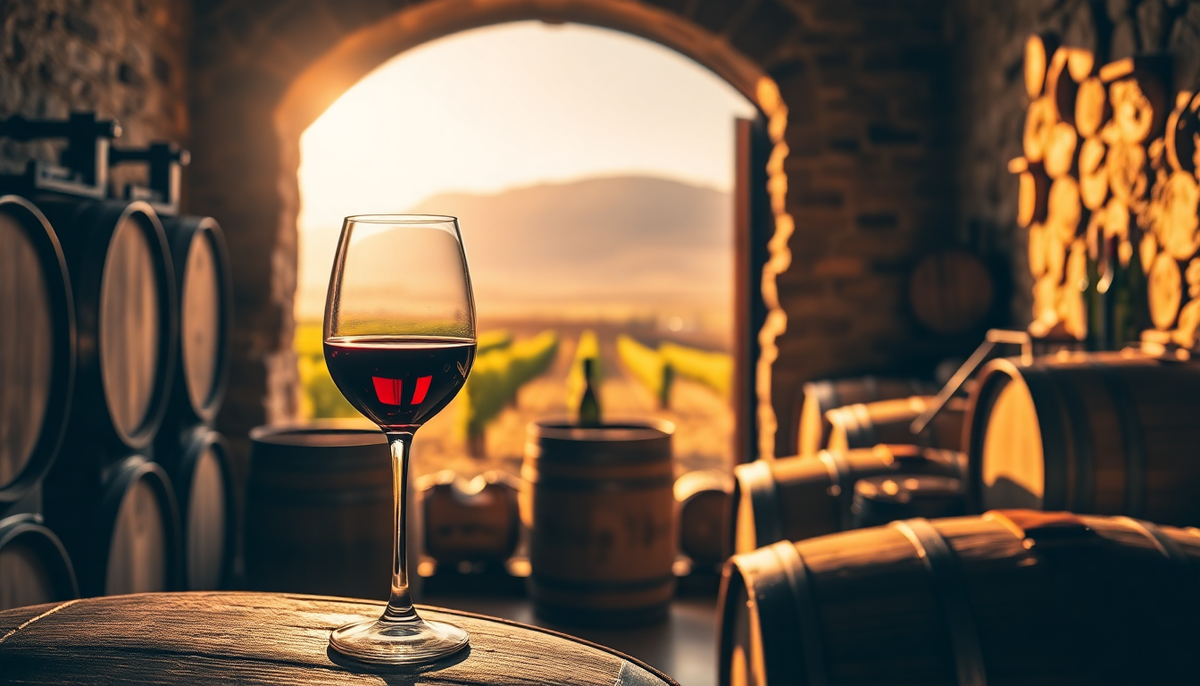
One of the most striking characteristics of Durif wine is its deep, dark color. When you pour a glass of Durif, you'll immediately notice its intense ruby-to-purple hue, which hints at the concentration of flavors and tannins within. This visual intensity is just the beginning of what makes Durif such a compelling wine.
On the nose, Durif wines typically display a complex bouquet of aromas. You'll often find dark fruit notes such as blackberry, plum, and black cherry, sometimes accompanied by hints of licorice, pepper, and spice. Some Durif wines also exhibit earthy undertones, with notes of leather, tobacco, and even a subtle minerality that speaks to the terroir from which they come. The aromatic profile can vary depending on the specific vineyard, the vintage, and the winemaking techniques employed.
When you take your first sip of Durif, you'll immediately understand why this wine is considered bold. Durif is characterized by its full body and robust tannin structure. These tannins are what give Durif its characteristic grip and structure, creating a wine that demands attention and respect. Unlike some lighter red wines that are meant to be consumed young and fresh, Durif is a wine that benefits from aging and develops greater complexity over time.
The flavor profile of Durif is equally impressive. The dark fruit flavors that you detected on the nose translate to the palate, where they're often joined by flavors of chocolate, coffee, and dark spices. The acidity in Durif is typically moderate to high, which helps to balance the wine's richness and prevents it from becoming overly heavy or cloying. This balance is crucial to what makes Durif such a food-friendly wine.
One of the most interesting aspects of Durif is its ability to express terroir. Depending on where the grapes are grown, Durif can take on different characteristics. Durif from warmer regions tends to be riper and more fruit-forward, with higher alcohol content, while Durif from cooler regions may display more structure, acidity, and earthy characteristics. This variability is part of what makes exploring different Durif wines so exciting.
The Australian Terroir and Durif Production
Australia's diverse wine regions have proven to be ideal locations for Durif production. The country's varied climates, soils, and altitudes create the perfect conditions for growing grapes that express the unique characteristics of their environment. Several Australian regions have become particularly known for their Durif production, and understanding these regions can help you appreciate the wines they produce.
Victoria, particularly the Rutherglen region, has become synonymous with quality Durif production. The region's warm climate and distinctive terroir produce Durif wines that are rich, full-bodied, and deeply flavored. The warm days allow the grapes to ripen fully, developing the concentrated fruit flavors that characterize Australian Durif, while the cool nights help to preserve acidity and freshness.
New South Wales, particularly regions like the Hunter Valley and Mudgee, also produces excellent Durif wines. These regions have slightly cooler climates than some other Australian wine areas, which can result in Durif wines with more structure and complexity. The elevation of some of these vineyards also plays a role in the character of the wines produced.
The soil composition in these regions is another crucial factor in Durif production. Many Australian Durif vineyards are planted in soils that are relatively poor in nutrients, which forces the vines to work harder and produce more concentrated fruit. This stress on the vines actually results in higher quality grapes and more interesting wines. The combination of warm climate, cool nights, and challenging soil conditions creates the perfect environment for Durif to express itself fully.
Australian winemakers have also developed distinctive approaches to Durif production. Some producers focus on creating wines that showcase the fruit-forward characteristics of the varietal, using techniques like temperature-controlled fermentation and careful oak aging to enhance the wine's complexity without overwhelming its natural fruit character. Others take a more traditional approach, allowing the wine to develop its full tannin structure and aging potential.
Durif vs. Other Australian Red Wines
To truly appreciate Durif, it's helpful to understand how it compares to other popular Australian red wines. While Durif shares some characteristics with other varietals, it has a distinct identity that sets it apart.
Compared to Shiraz, which is Australia's most famous red wine, Durif is typically more structured and tannic. While Shiraz can range from light and peppery to full-bodied and jammy, Durif tends to be consistently bold and powerful. Shiraz often displays more obvious fruit-forward characteristics, while Durif tends to be more complex and layered. Both wines can age well, but Durif's aging potential is often longer, and the wine tends to develop greater complexity over time.
When compared to Cabernet Sauvignon, Durif is often more approachable in its youth, despite its bold character. Cabernet Sauvignon, particularly from cooler regions, can be quite austere and tannic when young, requiring significant aging to become truly enjoyable. Durif, while still tannic, tends to have more immediate fruit appeal, making it more accessible to a wider range of drinkers. However, both wines benefit from aging and develop greater complexity over time.
Durif also differs from Grenache, another popular Australian red. Grenache tends to be lighter in body and lower in alcohol than Durif, with more delicate fruit flavors and softer tannins. While Grenache is often enjoyed young and fresh, Durif is a wine that demands more contemplation and patience.
What makes Durif unique among Australian reds is its combination of boldness and approachability. It's a wine that's not afraid to make a statement, yet it's still capable of being enjoyed by a broad audience. It's a wine that challenges the palate while still being fundamentally delicious and food-friendly.
The Tasting Experience: What to Expect
Tasting Durif for the first time can be an eye-opening experience. To get the most out of your Durif tasting, it's important to approach it with the right mindset and technique.
First, observe the wine visually. Pour a glass and hold it up to the light. Notice the deep color, the intensity of the hue, and any variations in color from the center of the glass to the edges. This visual assessment can give you clues about the wine's age, concentration, and potential complexity.
Next, bring the glass to your nose and take a gentle sniff. Don't inhale too forcefully; instead, let the aromas come to you. Try to identify the different scents you detect. Are there dark fruit aromas? Spice? Earth? Leather? Take your time with this step, as the aromatic profile can reveal much about the wine's character and quality.
When you finally take a sip, let the wine coat your entire mouth before swallowing. Pay attention to the initial flavors, the mid-palate development, and the finish. Notice the texture of the wine, the weight of the tannins, and how the flavors evolve as the wine sits in your mouth. A quality Durif will display complexity and development, with flavors that change and evolve as you drink it.
Pay particular attention to the balance of the wine. A well-made Durif should have a balance between fruit, tannins, acidity, and alcohol. No single element should dominate; instead, they should work together to create a harmonious whole. If you find that the tannins are overwhelming or the alcohol is too prominent, the wine may not be as well-balanced as it could be.
Finally, consider the finish. A quality Durif should have a long, lingering finish that continues to develop after you've swallowed the wine. The flavors should persist, and you should find yourself wanting to take another sip to explore the wine further.
Food Pairing with Durif
One of the greatest pleasures of drinking Durif is discovering how well it pairs with food. The wine's bold character, full body, and structured tannins make it an excellent companion to a wide variety of dishes, particularly those with rich, savory flavors.
Red meat is perhaps the most obvious pairing for Durif. A perfectly cooked steak, whether it's a ribeye, sirloin, or filet mignon, is an ideal match for Durif. The wine's tannins help to cut through the richness of the meat, while the wine's fruit flavors complement the savory, umami notes of the beef. Similarly, lamb dishes, particularly those with bold seasonings or rich sauces, pair beautifully with Durif.
But Durif's versatility extends far beyond red meat. Game meats such as venison, duck, and wild boar are excellent pairings for Durif. The wine's boldness stands up well to the strong, distinctive flavors of these meats. Hearty stews and braises, particularly those made with beef or lamb, are also wonderful matches for Durif.
Durif also pairs well with certain poultry dishes, particularly those that are richly prepared. A duck confit, for example, or a chicken dish with a dark, savory sauce, can be an excellent match for Durif. The key is to look for dishes that have depth of flavor and richness, rather than lighter, more delicate preparations.
For vegetarian options, Durif can pair well with hearty vegetable dishes, particularly those that feature mushrooms, eggplant, or other umami-rich vegetables. A vegetable gratin or a mushroom risotto, for example, can be an excellent match for Durif.
Cheese is another category where Durif shines. Hard, aged cheeses such as cheddar, gruyere, or parmesan are excellent pairings for Durif. The wine's tannins and acidity help to cleanse the palate between bites of cheese, while the wine's flavors complement the complex, savory notes of aged cheese.
When pairing Durif with food, the key principle is to match the boldness of the wine with the boldness of the dish. Durif is not a wine for delicate, subtle flavors; it's a wine for dishes that make a statement and demand attention, just as the wine itself does.
Aging Durif: Understanding Its Potential
One of the most exciting aspects of Durif is its aging potential. While some wines are meant to be consumed young and fresh, Durif is a wine that truly benefits from time in the bottle. Understanding how Durif ages can help you make the most of this wine.
Young Durif, typically wines that are less than three years old, display vibrant fruit flavors and a certain youthful exuberance. The tannins are often quite prominent, which can make the wine feel slightly austere or demanding. However, this youthful character is part of the appeal for many wine drinkers, and young Durif can be absolutely delicious when paired with the right food.
As Durif ages, several things happen. The tannins gradually soften and integrate into the wine, becoming less aggressive and more refined. The fruit flavors, while still present, become more subtle and complex, developing secondary flavors such as leather, tobacco, earth, and spice. The wine's overall structure becomes more elegant and sophisticated, and the wine develops greater depth and complexity.
Most quality Durif wines will continue to improve for at least five to ten years after the vintage, and many will continue to develop for fifteen to twenty years or more. Some exceptional Durif wines, particularly those from outstanding vintages and made by skilled winemakers, can age for thirty years or longer, continuing to develop and evolve throughout their lives.
The aging potential of a specific Durif wine depends on several factors. The quality of the vintage is important; wines from excellent vintages tend to have greater aging potential than those from less favorable years. The winemaking approach also matters; wines that are made with a focus on structure and aging potential will typically age better than those made for immediate consumption. The storage conditions are also crucial; wines stored in cool, dark conditions will age more gracefully than those exposed to heat and light.
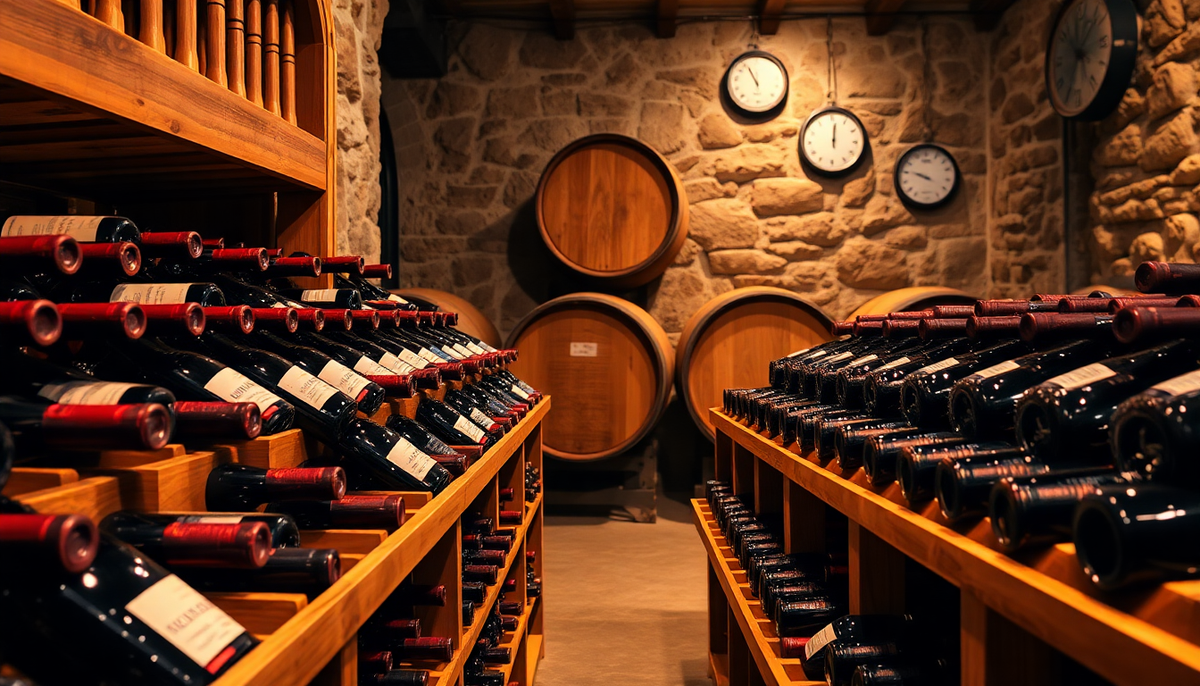
If you're interested in aging Durif, it's important to store the bottles properly. Wine should be stored on its side, in a cool environment (ideally between 45 and 65 degrees Fahrenheit), away from direct light and vibration. A wine refrigerator or a dedicated wine cellar is ideal, but even a cool closet or basement can work if the temperature remains relatively stable.
The Curtis Family Vineyards Approach to Durif
At Curtis Family Vineyards, we've developed a deep appreciation for Durif and a commitment to producing wines that showcase the very best of what this varietal has to offer. Our approach to Durif production is rooted in a respect for the grape itself and a dedication to quality at every stage of the winemaking process.
We begin with careful vineyard management. Our Durif vines are cultivated with attention to detail, with practices designed to produce the highest quality fruit. We believe that great wine begins in the vineyard, and we invest significant effort in ensuring that our grapes are as healthy and as concentrated as possible when they arrive at the winery.
When it comes to harvest, timing is crucial. We harvest our Durif grapes at optimal ripeness, carefully monitoring the sugar levels, acidity, and phenolic maturity of the fruit. This attention to detail ensures that we're working with grapes that have the potential to produce truly exceptional wine.
In the winery, we employ traditional winemaking techniques combined with modern technology. Our fermentation process is carefully controlled to extract the best characteristics from the grapes while maintaining the wine's balance and complexity. We use temperature control to manage the fermentation, ensuring that the wine develops the right color, flavor, and tannin structure.
Oak aging is an important part of our Durif production. We carefully select the oak that we use, considering factors such as the origin of the oak, the level of toast, and the age of the barrels. Our Durif wines typically spend twelve to eighteen months in oak, during which time they develop additional complexity and refinement. We believe in using oak as a tool to enhance the wine's natural characteristics, rather than allowing the oak to dominate the wine's flavor profile.
Finally, we bottle our Durif wines with care, ensuring that each bottle has the potential to age gracefully and develop over time. We believe that our Durif wines represent the best of what Australian winemaking has to offer, and we're proud to share them with wine enthusiasts around the world.
Why Durif Deserves More Recognition
Despite its many qualities, Durif remains relatively unknown to most wine drinkers. There are several reasons for


Leave a comment
This site is protected by hCaptcha and the hCaptcha Privacy Policy and Terms of Service apply.