

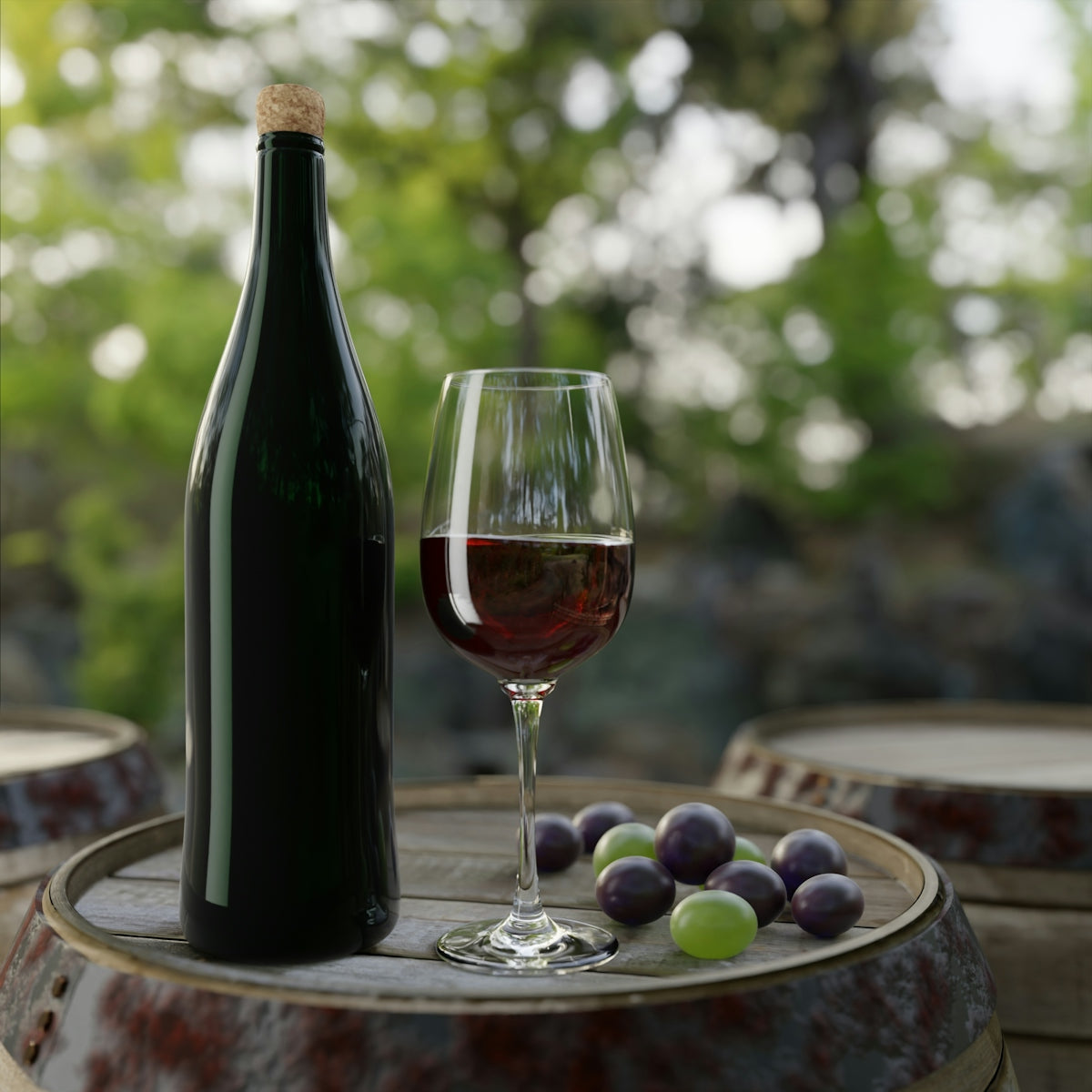
The art of winemaking is a tradition that dates back centuries, a craft that melds patience, science, and passion. While most of us enjoy a good bottle of wine, few consider the joy and satisfaction of crafting their own organic wine at home. For those inspired to embark on this oenological journey, this guide provides you with a detailed look at how to create your own organic wines.
The Basics of Organic Winemaking
Before diving into the step-by-step process, it is essential to understand what makes a wine organic. Organic wines are produced using grapes grown without synthetic pesticides, herbicides, or fertilisers. The absence of these chemicals means that organic winemaking is kinder to both the planet and the consumer.
Equipment You'll Need
To start crafting your homemade organic wine, you'll need some basic equipment:
- Fermentation Vessel: A glass or stainless steel container.
- Airlock: Allows gases to escape during fermentation while keeping the wine sealed.
- Hydrometer: Measures the sugar content and progress of fermentation.
- Siphoning Tube: For transferring wine between containers without disturbing the sediment.
- Bottles and Corks: For the final storage of your wine.
Choosing Your Grapes
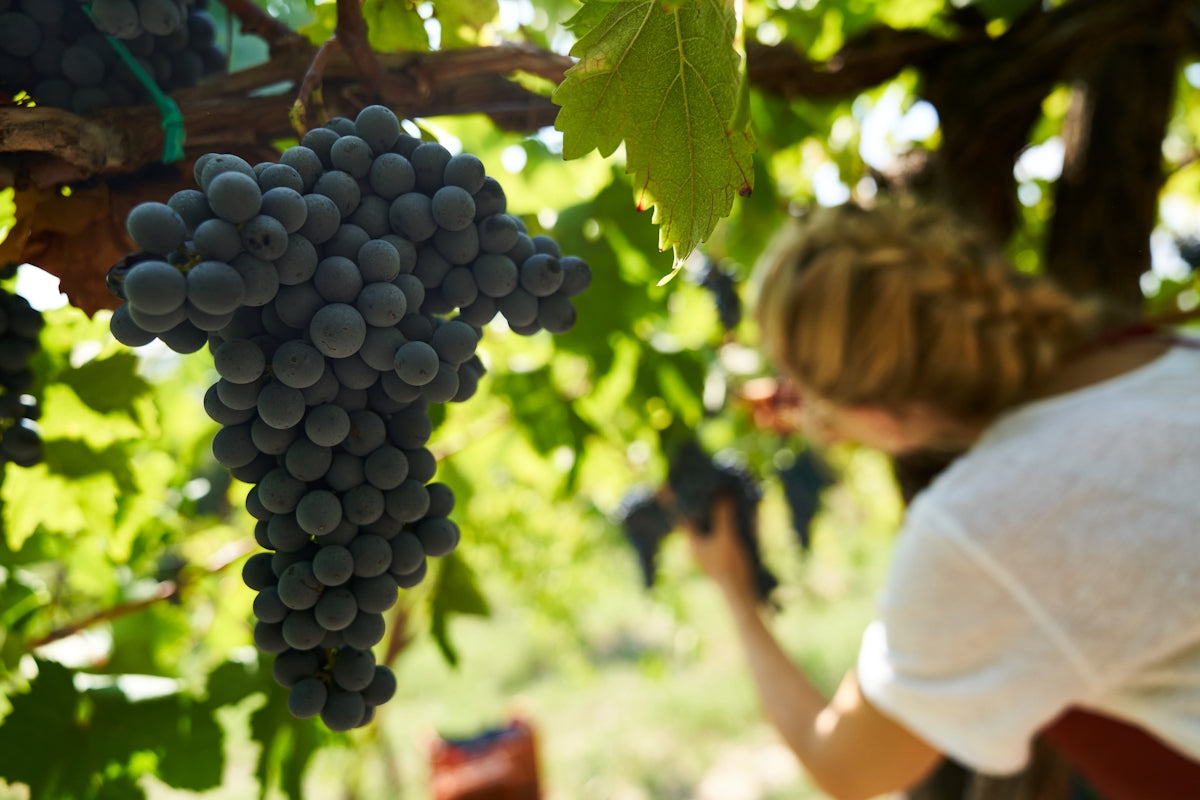
Opt for organic grapes from local vineyards or organic food stores. The variety of grape will undeniably influence the flavour of your wine. For instance, Cabernet Sauvignon and Shiraz grapes are known for their robust and full-bodied characteristics. If purchasing ready-made organic wine is preferred, consider exploring the Heritage Cabernet Sauvignon for an authentic experience.
Steps to Crafting Your Wine
- Cleaning and Sterilising: This is a crucial step to prevent spoilage. Clean all equipment with a suitable sterilising solution.
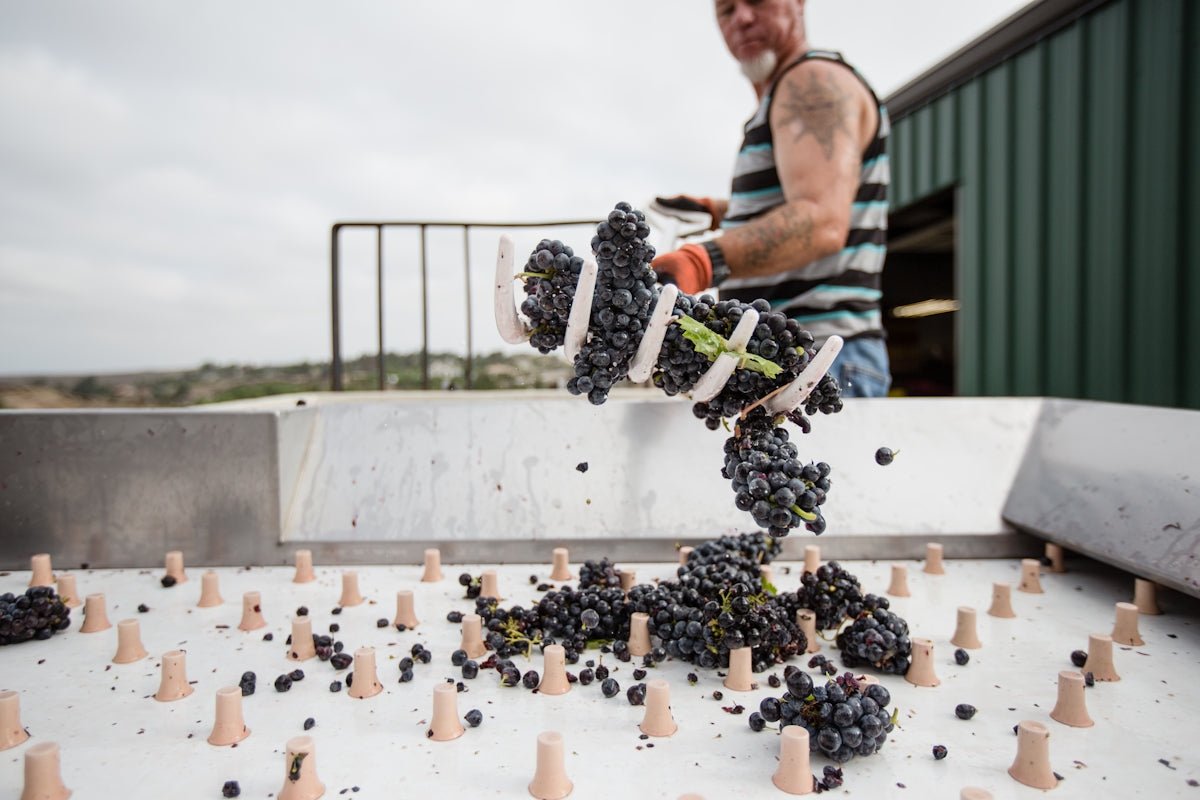
- Crushing and Pressing: Crush the grapes to extract juice. If using a red grape variety such as Shiraz, allow the pulp to ferment with the juice for a deeper colour and richer flavour.
- Fermentation: Pour the juice into your fermentation vessel, cover it and attach the airlock. The juice will need around four to six weeks to ferment.
- Racking and Bottling: Once fermentation is complete, use your siphoning tube to transfer the wine from the fermentation vessel to clean bottles, ensuring minimal disruption to the sediment.
- Ageing: Store your bottled wine in a cool, dark place for at least six months. Wines such as those from Curtis Family Vineyards - including their Terra Rossa Shiraz - prove that patience enhances flavour and complexity.
Exploring Curtis Family Vineyards
As you refine your winemaking skills, consider exploring the intriguing options provided by Curtis Family Vineyards. The Limited Series Shiraz offers an exemplary experience in robust flavour, crafted from select vineyards that embody the essence of McLaren Vale.
In conclusion, crafting your own organic wine at home is both an art and a science. It takes dedication, patience, and a love for viniculture. Through this journey, not only do you create a unique product but also gain a deeper appreciation for the wines that you enjoy from renowned vineyards such as Curtis Family Vineyards.
Happy winemaking!

Leave a comment
This site is protected by hCaptcha and the hCaptcha Privacy Policy and Terms of Service apply.