

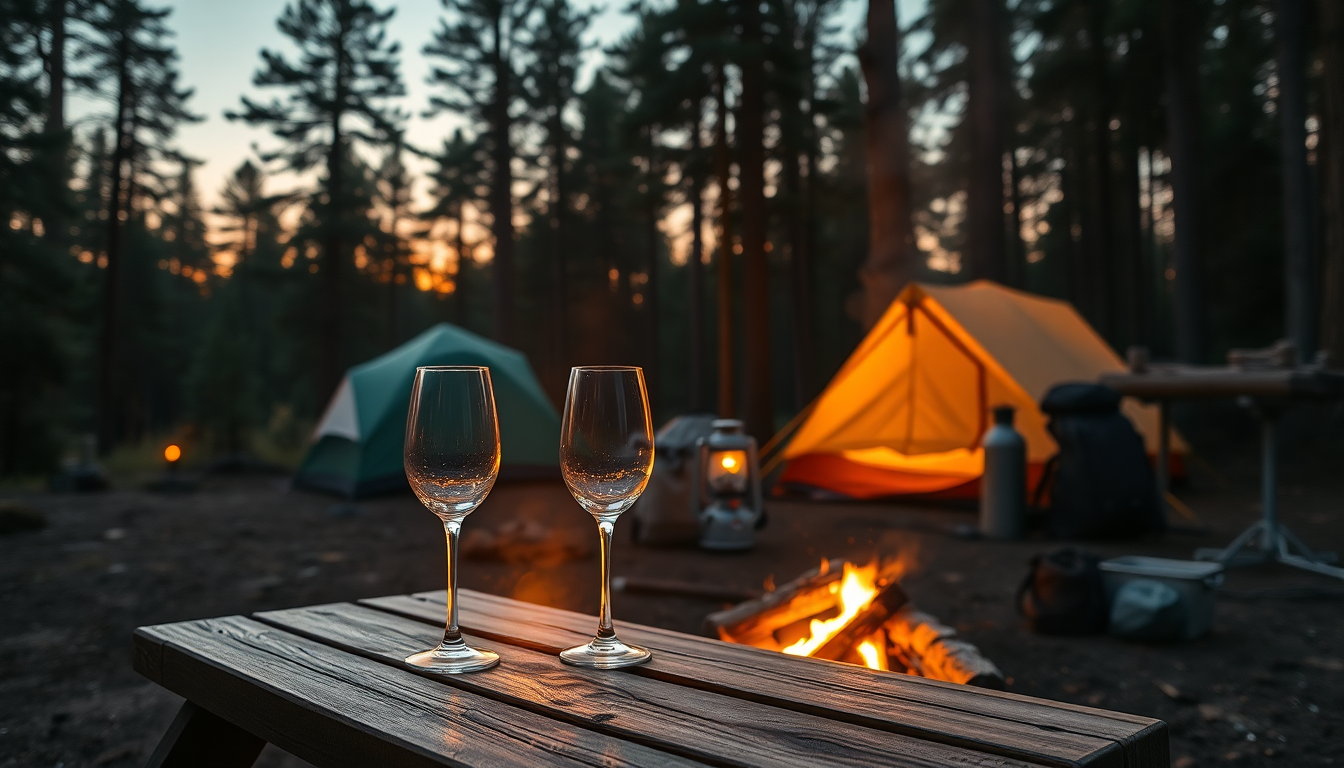
There's something magical about combining two of life's greatest pleasures: camping under the stars and enjoying a quality glass of wine. Whether you're a seasoned outdoor enthusiast or someone just beginning to explore the world of camping, understanding how to select and enjoy wine in the wilderness can elevate your experience from ordinary to extraordinary. This comprehensive guide will walk you through everything you need to know about choosing the perfect wines for your camping adventures, with insights from Curtis Family Vineyards and other expert sources.
Understanding Wine Selection for Outdoor Environments
When you're planning a camping trip, selecting the right wine requires a different approach than choosing bottles for your home wine cellar. The outdoor environment presents unique challenges and opportunities that demand careful consideration. Unlike the controlled temperature and humidity of your dining room, camping conditions can be unpredictable, with temperature fluctuations, exposure to sunlight, and varying altitudes all playing a role in how your wine will taste and perform.
The Impact of Temperature on Wine Quality
Temperature is perhaps the most critical factor when it comes to enjoying wine outdoors. Wine is a delicate beverage that responds dramatically to temperature changes. Ideally, most wines should be stored and served at specific temperatures to maintain their integrity and flavor profile. Red wines typically benefit from temperatures between 55 and 65 degrees Fahrenheit, while white wines and rosés prefer cooler temperatures between 45 and 55 degrees Fahrenheit.
When camping, you'll rarely have access to a temperature-controlled environment. This means you need to be strategic about your wine selection. Wines with higher alcohol content tend to be more forgiving in varying temperatures, as the alcohol acts as a preservative and stabilizer. Additionally, wines that are meant to be consumed young and fresh are often more resilient to temperature fluctuations than delicate, age-worthy bottles that require precise conditions.
The time of year you're camping also matters significantly. Summer camping trips present the challenge of keeping wine cool, while winter camping might actually provide natural refrigeration. Spring and fall camping offers more moderate temperatures that are generally favorable for wine enjoyment.
Altitude Considerations
Many popular camping destinations are located at higher elevations, and altitude can affect both how wine tastes and how your body processes alcohol. At higher altitudes, the lower oxygen levels can make alcohol affect you more quickly, so it's important to drink responsibly and stay hydrated. Additionally, some wine enthusiasts report that wines taste slightly different at elevation, with some flavors becoming more pronounced while others seem muted.
If you're camping at significant elevation, consider bringing wines that are bold and full-bodied, as these tend to maintain their character better in thinner air. Avoid delicate, subtle wines that rely on nuanced flavors, as these qualities may be lost at higher altitudes.
Best Wine Styles for Camping Adventures
Not all wines are created equal when it comes to outdoor enjoyment. Certain styles and varietals are naturally better suited to the camping environment, offering resilience, approachability, and the kind of straightforward pleasure that makes outdoor dining memorable.
Rosé Wines: The Camper's Best Friend
Rosé wines are arguably the perfect choice for camping expeditions. These beautiful pink wines offer the best of both worlds: they're refreshing like white wines but often have more body and complexity. Rosés are typically served chilled, which aligns well with camping conditions where keeping bottles cool is often easier than maintaining warmth.
One of the greatest advantages of rosé is its versatility with food. Whether you're cooking simple campfire meals, grilling vegetables, or enjoying charcuterie boards, rosé pairs beautifully with a wide range of flavors. The wine's natural acidity and fruit-forward character complement outdoor cooking styles perfectly.
Rosés are also forgiving wines that don't require perfect conditions to shine. They're meant to be enjoyed young and fresh, so you don't need to worry about aging them or maintaining ideal storage conditions. A slightly warmer rosé is still delicious, and a slightly cooler one won't suffer from the temperature variation.
Light and Fruity Red Wines
If you prefer red wine, consider bringing lighter, fruit-forward options rather than heavy, tannic wines. Beaujolais, particularly Beaujolais Nouveau, is an excellent choice for camping. These wines are low in tannins, meaning they won't feel harsh or astringent in your mouth, and they're meant to be enjoyed slightly chilled, which works perfectly for outdoor settings.
Pinot Noir is another excellent red wine option for camping. This varietal produces wines that are elegant yet approachable, with bright red fruit flavors and lower alcohol content than many other red wines. Pinot Noir's versatility with food makes it an excellent companion for various camping meals.
Spanish wines like Grenache or Tempranillo-based blends also work wonderfully for outdoor enjoyment. These wines often have a rustic charm that feels appropriate for camping, with flavors of red berries, herbs, and spices that complement outdoor cooking.
White Wines Worth Considering
While rosé and light reds are often better choices for camping, certain white wines can work beautifully in outdoor settings. Sauvignon Blanc, with its crisp acidity and herbaceous notes, pairs wonderfully with many camping foods and is refreshing on warm days. The wine's natural brightness makes it resilient to temperature variations.
Albariño, a Spanish white wine, is another excellent option. This wine has enough body to be interesting and complex while remaining refreshing and food-friendly. Its mineral qualities and citrus notes make it particularly appealing in outdoor settings.
Vermentino and other Mediterranean white wines also deserve consideration. These wines are designed for warm climates and outdoor enjoyment, with flavors that evoke sunshine and fresh air.
Natural and Orange Wines
For adventurous campers, natural wines and orange wines (white wines made with extended skin contact) offer unique experiences. These wines are often lower in sulfites, which can make them more unpredictable in varying conditions, but they offer distinctive flavors and a sense of authenticity that many outdoor enthusiasts appreciate.
Natural wines often have a rustic quality that feels appropriate for camping, and their lower alcohol content in many cases makes them suitable for outdoor consumption. However, be aware that natural wines can be more variable in quality and stability, so purchase from reputable sources.
Practical Tips for Transporting Wine to Your Campsite
Getting your wine to your campsite in good condition requires planning and the right equipment. Here are essential strategies for wine transportation.
Choosing the Right Containers
Glass bottles are the traditional choice for wine, but they're heavy and fragile. If you're hiking to your campsite, consider decanting wine into lightweight, durable containers designed for outdoor use. Many camping supply companies offer wine-specific carriers that protect bottles while minimizing weight.
Alternatively, consider purchasing wine in bag-in-box format for camping trips. While wine enthusiasts might turn their noses up at this option for home consumption, boxed wine is practical for camping. It's lightweight, doesn't require glasses, and the wine stays fresher longer once opened because the bag collapses as you pour, minimizing oxidation.
Some campers also bring powdered wine or wine concentrate, which can be mixed with water at the campsite. While this isn't ideal for wine connoisseurs, it's a practical solution for casual camping trips where wine is secondary to the outdoor experience.
Insulation and Cooling Strategies
If you're driving to your campsite, bring a quality cooler with ice or ice packs. Pack wine bottles in the center of the cooler, surrounded by ice, to maintain cool temperatures throughout your journey. Wrap bottles in towels or newspaper to provide additional insulation and protect them from direct contact with ice.
For camping trips where you'll be at the site for several days, consider bringing a collapsible cooler that you can refill with ice from a nearby store or natural water source. Some campers use creek water or snow (in winter) to keep wine cool throughout their stay.
If you're camping in cool weather, you might not need active cooling at all. Simply store bottles in the shadiest part of your campsite, away from direct sunlight, and they'll likely maintain appropriate temperatures naturally.
Protecting Wine from Sunlight
Ultraviolet light can damage wine, causing premature aging and off-flavors. Always store wine bottles in shade, preferably in a dark bag or cooler. Never leave wine sitting in direct sunlight, even for short periods. This is particularly important for lighter wines like whites and rosés, which are more susceptible to light damage than darker red wines.
Food Pairing Strategies for Campfire Cuisine
One of the joys of camping is the simplicity of outdoor cooking. Understanding how to pair wine with typical camping foods will enhance both your meals and your wine enjoyment.
Grilled Vegetables and Wine
Grilled vegetables are a camping staple, and they pair beautifully with many wines. Grilled zucchini, bell peppers, and asparagus work wonderfully with crisp white wines or rosés. The charred flavors from grilling complement the wine's acidity and fruit notes.
For heartier grilled vegetables like portobello mushrooms or eggplant, consider light red wines. The earthiness of these vegetables matches well with wines that have herbal or earthy undertones.
Campfire Grilled Meats
Grilled chicken pairs well with almost any wine you bring camping. Light reds, rosés, and even some white wines work beautifully with grilled poultry. The key is matching the wine's body to the preparation method and any sauces or seasonings you use.
Grilled fish and seafood, if you're camping near water and have access to fresh catches, pair wonderfully with white wines and rosés. The delicate flavors of fish require wines that won't overpower them.
For grilled red meats like steak or burgers, bring fuller-bodied wines. Even though you're camping, you can still enjoy wines with more structure and tannins with heartier meat dishes.
Charcuterie and Cheese Boards
Camping charcuterie boards are increasingly popular, and they're wonderfully versatile for wine pairing. Cured meats, cheeses, olives, and bread create a complete meal that works with virtually any wine style. Rosés are particularly excellent with charcuterie, as their acidity cuts through rich fats while their fruit notes complement cured flavors.
Simple Pasta and Rice Dishes
Many campers prepare simple pasta or rice dishes over the campfire. Light red wines and white wines both work well with these comfort foods. The key is choosing wines that complement any sauce or protein you include in your dish.
Curtis Family Vineyards: A Perfect Partner for Outdoor Wine Enjoyment
Curtis Family Vineyards represents the kind of winemaking philosophy that aligns beautifully with outdoor enjoyment and camping adventures. This family-owned vineyard produces wines that emphasize approachability, quality, and the joy of shared experiences in natural settings.
The Curtis Family Philosophy
The Curtis family has built their vineyard on principles of sustainability, quality, and community. Their approach to winemaking focuses on creating wines that bring people together, whether in formal dining settings or casual outdoor gatherings. This philosophy makes their wines particularly suitable for camping and outdoor adventures.
Curtis Family Vineyards produces a range of wines that cater to different preferences and occasions. Their rosés are particularly noteworthy for camping, offering beautiful color, refreshing character, and excellent food pairing versatility. The winery's commitment to quality means that even their more casual, approachable wines maintain excellent standards.
Recommended Curtis Family Wines for Camping
Several Curtis Family Vineyards selections are particularly well-suited for camping expeditions. Their rosé offerings provide the perfect balance of refreshment and complexity, making them ideal for outdoor settings. The wines are crafted to be enjoyed young and fresh, which aligns perfectly with the camping timeline.
Curtis Family's lighter red wines also deserve consideration for camping trips. These selections offer enough character to be interesting while remaining approachable and food-friendly. The winery's commitment to sustainable practices also appeals to environmentally conscious campers who appreciate knowing their wine comes from responsible sources.
Essential Gear for Enjoying Wine While Camping
Beyond the wine itself, having the right equipment makes the camping wine experience significantly more enjoyable.
Wine Glasses and Drinkware
Bringing actual wine glasses camping might seem impractical, but lightweight, unbreakable options are available. Plastic wine glasses designed for outdoor use allow you to enjoy wine properly without the fragility concerns of glass. Some campers prefer collapsible silicone wine glasses that pack down to almost nothing.
Alternatively, you can enjoy wine from camping mugs or even directly from the bottle in a casual, authentic camping style. The key is choosing whatever makes you most comfortable and allows you to enjoy your wine safely.
Corkscrews and Opening Tools
A reliable corkscrew is essential camping gear if you're bringing bottled wine. Multi-tools designed for camping often include corkscrews, making them practical additions to your gear. Ensure your corkscrew is sturdy and reliable, as struggling with a poor-quality opener can be frustrating in outdoor settings.
Wine Chillers and Coolers
Specialized wine chillers designed for camping are available, ranging from simple gel-filled sleeves that you freeze before your trip to more sophisticated portable wine coolers. These tools help maintain proper serving temperatures throughout your camping adventure.
For budget-conscious campers, a simple approach works well: wrap bottles in wet towels and place them in the shadiest part of your campsite. Evaporative cooling will help keep them reasonably cool, especially in dry climates.
Bottle Holders and Carriers
Specialized wine bottle carriers protect your bottles during transport and storage. These carriers often include insulation and secure straps to prevent bottles from shifting or breaking. They're particularly valuable if you're hiking to your campsite or traveling on rough terrain.
Seasonal Considerations for Camping Wine Selection
The season in which you camp significantly influences which wines you should bring and how you'll need to manage them.
Summer Camping Wine Strategies
Summer camping presents the challenge of keeping wine cool in warm temperatures. Focus on wines that are meant to be served chilled: rosés, white wines, and light reds. These wines are refreshing in warm weather and naturally suit the season.
Bring extra ice or ice packs for summer camping, and consider wines with slightly higher alcohol content, as these are more forgiving if they warm up slightly. Avoid delicate, subtle wines that might suffer from temperature fluctuations.
Summer is also the perfect time to enjoy wine outdoors during long daylight hours. Plan wine tastings or pairings for late afternoon or early evening when temperatures begin to cool.
Fall Camping Wine Selection
Fall camping offers moderate temperatures that are generally ideal for wine enjoyment. The cooler nights mean you won't need as much active cooling, while daytime temperatures are still pleasant for outdoor activities.
Fall is an excellent time to bring slightly fuller-bodied wines, including medium-bodied reds. The season's harvest themes pair beautifully with wines that have earthy, spiced, or fruity characteristics. Consider wines with flavors that evoke autumn: dried fruits, spices, and warm tones.
Winter Camping Wine Considerations
Winter camping presents unique wine challenges. Cold temperatures can make wine too cold to enjoy properly, and you'll need to be strategic about keeping bottles at appropriate serving temperatures. Consider bringing wines with higher alcohol content, which are more forgiving in cold conditions.
Winter camping also offers opportunities to enjoy wines in ways you might not in other seasons. Mulled wine, heated wine-based drinks, and wines served at slightly warmer temperatures than usual can be particularly enjoyable in cold weather.
Spring Camping Wine Ideas
Spring camping offers transitional weather that can vary significantly. Pack wines that work across temperature ranges, focusing on versatile options like rosés and light reds that aren't too sensitive to temperature variations.
Spring is also an excellent time to explore new wines and experiment with different styles, as the moderate temperatures are forgiving for wine that might not be stored at ideal conditions.
Budget-Friendly Approaches to Camping Wine
Enjoying quality wine while camping doesn't require spending a fortune. Strategic shopping and smart choices can help you enjoy excellent wines without breaking your budget.
Value Wine Selections
Many excellent wines are available at reasonable prices. Spanish wines, Portuguese wines, and wines from lesser-known regions often offer exceptional quality-to-price ratios. These wines are often designed for everyday enjoyment rather than aging, making them perfect for camping.
Look for wines from emerging wine regions that are building reputations for quality without the premium prices of established areas. Many of these wines offer excellent character and complexity at accessible price points.
Buying in Bulk for Group Camping
If you're camping with a group, buying wine in larger quantities can reduce per-bottle costs. Many wine retailers offer discounts for case purchases, allowing you to stock up on camping wines at better prices.
Group camping trips also allow you to share the cost of premium wines that you might not purchase individually, making it possible to enjoy higher-quality bottles without excessive personal expense.
Exploring Local Wines at Your Destination
Many camping destinations are located near wineries or wine regions. Exploring local wines not only supports regional producers but often results in discovering excellent wines at reasonable prices. Local wineries frequently offer wines that are specifically designed for the region's climate and food, making them particularly suitable for camping in that area.
Advanced Wine Appreciation in Outdoor Settings
For wine enthusiasts who want to deepen their appreciation while camping, several strategies can enhance the experience.
Hosting Wine Tastings at Your Campsite
Organize informal wine tastings at your campsite by bringing several bottles of different styles. Compare how wines

Leave a comment
This site is protected by hCaptcha and the hCaptcha Privacy Policy and Terms of Service apply.