


Bring Your Own Wine (BYO) events have become increasingly popular in recent years, offering a wonderful opportunity for wine enthusiasts to share their favorite bottles with friends, family, and fellow wine lovers. Whether you're attending a dinner party, a casual gathering, a restaurant that allows outside wine, or a wine tasting event, understanding the proper etiquette surrounding what to bring and how much to contribute is essential. This comprehensive guide will walk you through everything you need to know about BYO wine etiquette, ensuring you make the right choices and contribute appropriately to any occasion.
Understanding BYO Wine Events
Before diving into the specifics of what to bring and how much, it's important to understand what BYO wine events actually are and why they've become so popular. BYO wine events are gatherings where guests are invited to bring their own wine to share. These events can range from intimate dinner parties to larger celebrations, and they offer a unique opportunity for people to showcase their wine knowledge, share discoveries, and enjoy wines that might not otherwise be available at the event.
The beauty of BYO wine events lies in their flexibility and inclusivity. They allow hosts to avoid the expense of purchasing wine for all guests while giving attendees the freedom to choose bottles they genuinely enjoy. For wine lovers, these events provide an excellent platform to introduce others to wines they're passionate about and to learn from the selections others bring.
The Rise of BYO Wine Culture
The popularity of BYO wine events has grown significantly over the past decade. This growth can be attributed to several factors, including the increasing accessibility of quality wines at various price points, the rise of wine education and appreciation among the general public, and the desire for more personalized and interactive social gatherings. Wine bars, restaurants, and private venues have increasingly embraced the BYO model, recognizing that it creates a more engaging and memorable experience for guests.
The Golden Rules of BYO Wine Etiquette
Understanding the fundamental rules of BYO wine etiquette is crucial for being a respectful and appreciated guest at any wine event. These rules serve as the foundation for all other decisions you'll make about what to bring and how much to contribute.
Rule One: Always Confirm the BYO Policy
Before assuming you should bring wine to any event, always confirm with the host that bringing your own wine is appropriate and welcome. Some events may have specific wine selections already planned, or the host may prefer to provide all beverages. Asking beforehand prevents awkward situations and shows respect for the host's plans. When you receive an invitation, look for any mention of BYO wine. If it's not mentioned, a simple phone call or email asking, "Should I bring a bottle of wine?" is perfectly acceptable and appreciated.
Rule Two: Respect the Host's Guidelines
If the host provides specific guidelines about what type of wine to bring, the price range, or the quantity, follow these instructions carefully. These guidelines exist for good reasons, whether they're based on the menu being served, the overall theme of the event, or the host's budget considerations. Ignoring these guidelines, even with good intentions, can disrupt the carefully planned event.
Rule Three: Bring Wine You'd Actually Drink
One of the most important rules of BYO wine etiquette is to bring a bottle of wine that you would genuinely enjoy drinking yourself. This isn't the time to offload that questionable bottle someone gave you years ago or to bring something you've been meaning to get rid of. The wine you bring reflects your taste and respect for the other guests. Bringing quality wine shows that you value the occasion and the company.
Rule Four: Consider the Occasion and Menu
The type of wine you bring should be appropriate for the occasion and, if applicable, the food being served. A light, crisp white wine might be perfect for a summer garden party, while a full-bodied red could be ideal for a winter dinner featuring hearty dishes. Understanding these pairings demonstrates wine knowledge and consideration for the overall experience.
Determining How Much Wine to Bring
One of the most common questions about BYO wine etiquette is how much wine to bring. The answer depends on several factors, including the number of guests, the duration of the event, and the type of gathering.
The Standard Calculation
A general rule of thumb is to plan for approximately one glass of wine per person per hour for a casual gathering, and up to two glasses per person per hour for a more formal dinner party. A standard bottle of wine contains approximately five glasses, so you can use this as your baseline for calculations.
For example, if you're attending a four-hour casual gathering with twenty guests, the total consumption would be approximately eighty glasses of wine, which equals about sixteen bottles. If each guest is expected to bring wine, dividing this by the number of guests would give you a target amount per person.
However, this calculation assumes that wine is the only beverage being served. If other alcoholic beverages or non-alcoholic options are available, you might adjust your calculation downward.
Factors That Influence Quantity
Several specific factors should influence how much wine you decide to bring to a BYO event:
The Number of Guests: Larger gatherings typically require more wine per person to ensure adequate supply. At a party of fifty people, you might bring two bottles, whereas at a dinner party of six, one bottle might be sufficient.
The Duration of the Event: Longer events naturally require more wine. A two-hour cocktail party requires less wine per person than a four-hour dinner party or an all-day wine tasting event.
The Type of Event: Formal dinner parties typically involve more wine consumption than casual backyard barbecues. Wine tastings, by their nature, involve smaller pours but potentially more bottles overall.
The Host's Expectations: If the host has indicated that they'll be providing most of the wine and guests are just contributing, you might bring less than if everyone is expected to contribute equally.
The Season and Setting: Outdoor summer events might see higher wine consumption due to the casual nature and warm weather, while indoor winter gatherings might see more moderate consumption.
Specific Scenarios and Recommendations
Casual Dinner Party (6-8 guests): Bring one to two bottles. If you're close to the host and know they appreciate wine, two bottles is a safe choice. If you're less familiar with the host's preferences, one quality bottle is perfectly acceptable.
Larger Dinner Party (12-20 guests): Bring two to three bottles. This ensures you're contributing meaningfully without over-contributing. If the host has specifically asked for wine contributions, aim for the higher end of this range.
Casual Gathering or Cocktail Party (20+ guests): Bring two to four bottles. The exact amount depends on how many other guests are expected to bring wine and how long the event will last.
Wine Tasting Event: Follow the host's specific instructions, as these events often have particular requirements. Typically, you might bring one to three bottles depending on the format.
Restaurant with BYO Policy: Bring one to two bottles, depending on your party size and the length of your meal. Most restaurants have specific policies about how many bottles guests can bring.
Potluck Dinner with Wine Component: Bring one to two bottles, understanding that you're contributing to the overall wine selection rather than providing for the entire group.
Choosing the Right Wine to Bring
Selecting the appropriate wine to bring to a BYO event involves considering multiple factors beyond just the quantity. The type of wine you choose can significantly impact how much your contribution is appreciated and enjoyed.
Understanding Wine Categories and Styles
Before selecting a specific bottle, it's helpful to understand the basic categories of wine and their characteristics. This knowledge will help you make choices that complement the occasion and the other wines likely to be served.
Red Wines: These range from light and fruity to full-bodied and complex. Light reds like Pinot Noir are versatile and pair well with many foods. Medium-bodied reds like Merlot or Sangiovese offer good balance. Full-bodied reds like Cabernet Sauvignon or Syrah are rich and age-worthy.
White Wines: These can range from bone-dry to sweet. Crisp whites like Sauvignon Blanc or Albariño are refreshing and pair well with seafood and lighter dishes. Medium-bodied whites like Chardonnay or Viognier offer more complexity. Sweet whites like Riesling or Moscato work well as aperitifs or with dessert.
Rosé Wines: These pink wines offer a middle ground between red and white, with characteristics of both. They're increasingly popular and work well for casual gatherings and outdoor events.
Sparkling Wines: Champagne, Prosecco, and other sparkling wines add a celebratory element to any gathering and pair well with appetizers and lighter fare.
Matching Wine to the Occasion
The type of wine you bring should align with the nature of the event and the expected food pairings.
For Summer Gatherings: Light, refreshing wines work best. Consider bringing a crisp white wine like Sauvignon Blanc, a dry rosé, or a light red like Pinot Noir served slightly chilled. These wines are approachable, refreshing, and pair well with the lighter fare typically served at summer events.
For Winter Gatherings: Fuller-bodied wines are more appropriate. A Cabernet Sauvignon, Merlot, or other robust red wine complements hearty winter dishes and creates a warming, convivial atmosphere.
For Formal Dinner Parties: Choose wines that demonstrate some thought and quality. A well-regarded Bordeaux, Burgundy, or other classic wine shows respect for the occasion. Avoid overly trendy or experimental wines unless you know the host's preferences lean that direction.
For Casual Gatherings: You have more flexibility here. A reliable, well-made wine from a region or producer you enjoy is perfect. This is a great opportunity to share wines you're passionate about, even if they're less mainstream.
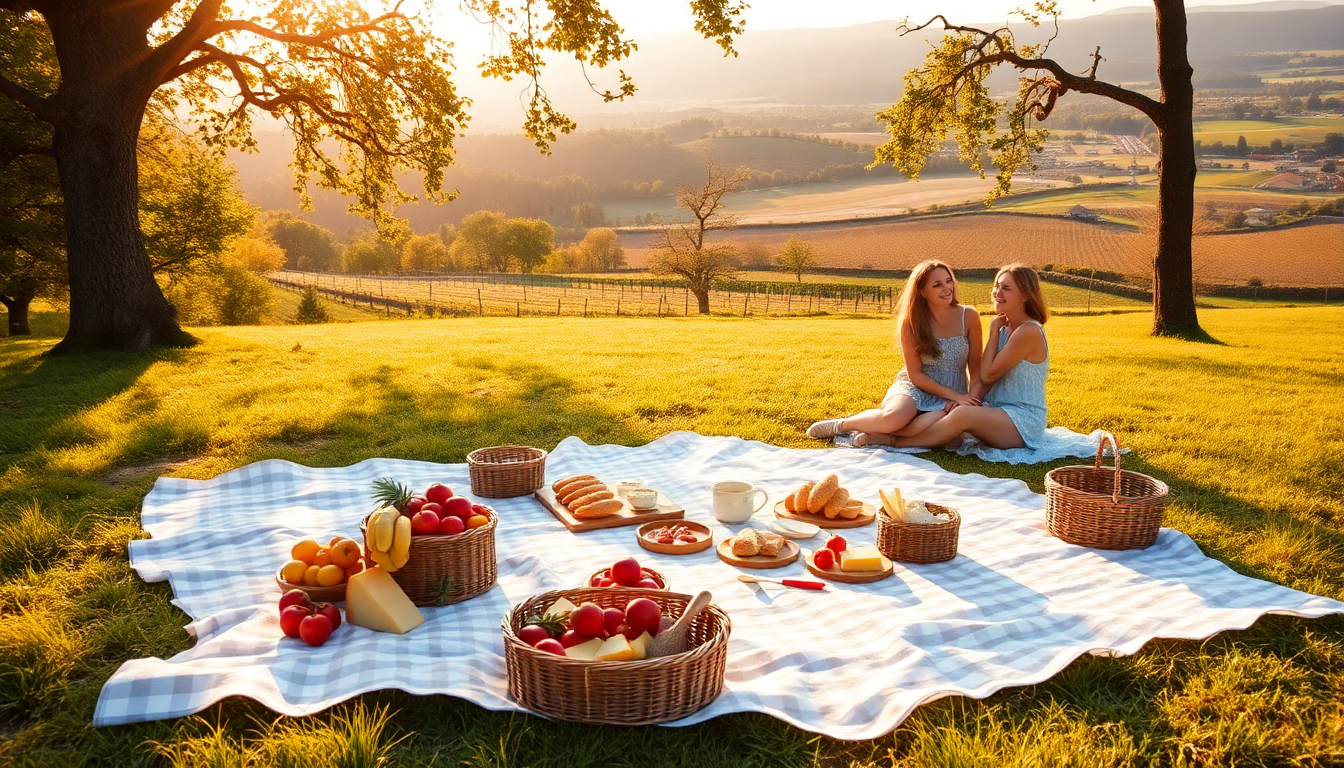
For Outdoor Picnics or Barbecues: Versatile wines that don't require specific food pairings work best. A dry rosé, a light red, or a crisp white are all excellent choices that won't clash with the variety of foods likely to be served.
Price Considerations
The price of the wine you bring should be appropriate for the occasion and your relationship with the host. This doesn't mean you need to spend a fortune, but it does mean avoiding wines that seem too cheap or too expensive relative to the event.
General Price Guidelines: For casual gatherings, a wine in the fifteen to twenty-five dollar range is typically appropriate. For more formal occasions, consider spending twenty-five to forty dollars. For very special occasions or if you're particularly close to the host, spending forty to sixty dollars or more might be appropriate.
The Goldilocks Principle: Avoid bringing wine that's significantly cheaper than what other guests are likely to bring, as it might seem like you didn't put much thought into your contribution. Conversely, avoid bringing extremely expensive wine to casual gatherings, as it can create an awkward dynamic or make other guests feel uncomfortable about their contributions.
Quality Over Price: Remember that price doesn't always correlate with quality or appropriateness. A twenty-dollar wine from a reputable producer might be far superior to a thirty-dollar wine from a less reliable source. Focus on finding quality wines at reasonable prices rather than simply buying the most expensive option.
Regional and Varietal Considerations
When choosing a specific wine, consider the region and varietal that would be most appropriate and appreciated.
Classic Choices: Wines from well-known regions like Bordeaux, Burgundy, Napa Valley, or Tuscany are always safe choices. These regions have established reputations for quality, and most wine drinkers are familiar with and appreciate wines from these areas.
Emerging Regions: If you're knowledgeable about wine, bringing a bottle from an emerging region or from a lesser-known producer can be a wonderful way to introduce others to new discoveries. However, ensure the wine is of good quality and that you can speak knowledgeably about it if asked.
Varietal Versatility: Certain varietals are more universally appreciated than others. Pinot Noir, Chardonnay, Cabernet Sauvignon, and Sauvignon Blanc are widely enjoyed and pair well with many foods. These are excellent choices if you're unsure about the other guests' preferences.
Personal Favorites: Don't be afraid to bring a wine you genuinely love, even if it's not a classic choice. Your enthusiasm for the wine will be apparent, and sharing your passion for wine is part of what makes BYO events special.
Special Considerations and Scenarios
Beyond the basic rules and guidelines, there are several special scenarios and considerations that might affect your BYO wine etiquette decisions.
Bringing Wine to Restaurants with BYO Policies
Many restaurants now allow guests to bring their own wine, though they typically charge a corkage fee. Understanding the etiquette for these situations is important.
Check the Policy: Before arriving, confirm that the restaurant allows outside wine and understand their corkage fee. Some restaurants have restrictions on the types of wine you can bring or limits on the number of bottles.
Choose Appropriately: Bring wine that complements the restaurant's cuisine and your meal. It's generally considered poor form to bring a wine that's significantly cheaper than what the restaurant offers, as it can seem insulting to the establishment.
Respect the Staff: Arrive with your wine clearly visible and inform your server immediately. Don't try to sneak wine in or hide it. The restaurant staff needs to know about outside wine for liability and service reasons.
Tip Appropriately: When a restaurant allows outside wine, tip generously for the additional service required. The staff will need to open your bottle, provide glasses, and manage the service accordingly.
Attending Wine Tastings and Educational Events
Wine tastings and educational events have their own specific etiquette considerations.
Follow the Format: Wine tastings often have a specific order and format. Bring wines that fit within the parameters set by the organizer. If it's a vertical tasting of a specific wine, bring bottles from different vintages. If it's a regional tasting, bring wines from that region.
Quantity: For wine tastings, you typically bring one to three bottles depending on the format. Tasting pours are smaller than regular pours, so one bottle can serve many people.
Labeling: Bring wines with clear labels so others can identify what they're tasting. If you're doing a blind tasting, be prepared to keep your wine's identity secret until the appropriate time.
Bringing Wine to Potluck Dinners
Potluck dinners that include a wine component require some special consideration.
Coordinate with the Host: Ask the host whether wine is needed and, if so, what type would be most helpful. Some hosts might already have wine covered and just need food contributions.
Bring Enough to Share: If you're bringing wine to a potluck, bring enough that everyone can have a glass or two. This typically means bringing one to two bottles for a gathering of six to eight people.
Consider the Menu: If you know what foods will be served, choose wine that pairs well with the overall menu. If you don't know the menu, choose a versatile wine that pairs well with many foods.
Bringing Wine to Casual Outdoor Events
Casual outdoor events like picnics, barbecues, and garden parties have their own etiquette considerations.
Choose Casual Wines: These events call for approachable, unpretentious wines. Avoid extremely rare or expensive bottles that might seem out of place in a casual setting.
Consider Practicality: Bring wines that are easy to serve and enjoy outdoors. Sparkling wines and rosés are excellent choices for outdoor events. Avoid wines that require extensive decanting or special glassware.
Bring Enough Ice: If you're bringing wine to an outdoor event, consider bringing a bottle of wine that's already chilled or offering to bring ice to keep wines at the appropriate temperature.
Bringing Wine to Formal Events
Formal events require more careful consideration and typically call for higher-quality wines.
Choose Prestigious Wines: Formal events call for wines from well-regarded producers and regions. This is the time to bring that special bottle you've been saving.
Consider the Menu: If you know the menu for a formal dinner, choose wine that pairs specifically with the planned courses. If you don't know the menu, choose a wine that's versatile enough to pair with multiple courses.
Presentation Matters: Ensure your bottle is clean and in good condition. The label should be intact and readable. If you're bringing an older wine, be prepared to discuss its provenance and characteristics.
What Not to Bring
Understanding what not to bring is just as important as knowing what to bring. Certain wines and beverages are generally considered inappropriate for BYO events.
Avoid Extremely Cheap Wines
While you don't need to spend a fortune, avoid wines that are obviously very inexpensive or of poor quality. Wines under ten dollars are generally considered too cheap for most BYO events, as they often lack the quality and complexity that make wine enjoyable. There are exceptions for very casual gatherings, but when in doubt, aim for a slightly higher price point.
Avoid Overly Trendy or Experimental Wines
Unless you know the host and guests appreciate experimental wines, avoid bringing wines that are extremely trendy, natural wines with unusual characteristics, or wines from producers known for unconventional methods. These wines can be polarizing, and not everyone

Leave a comment
This site is protected by hCaptcha and the hCaptcha Privacy Policy and Terms of Service apply.