

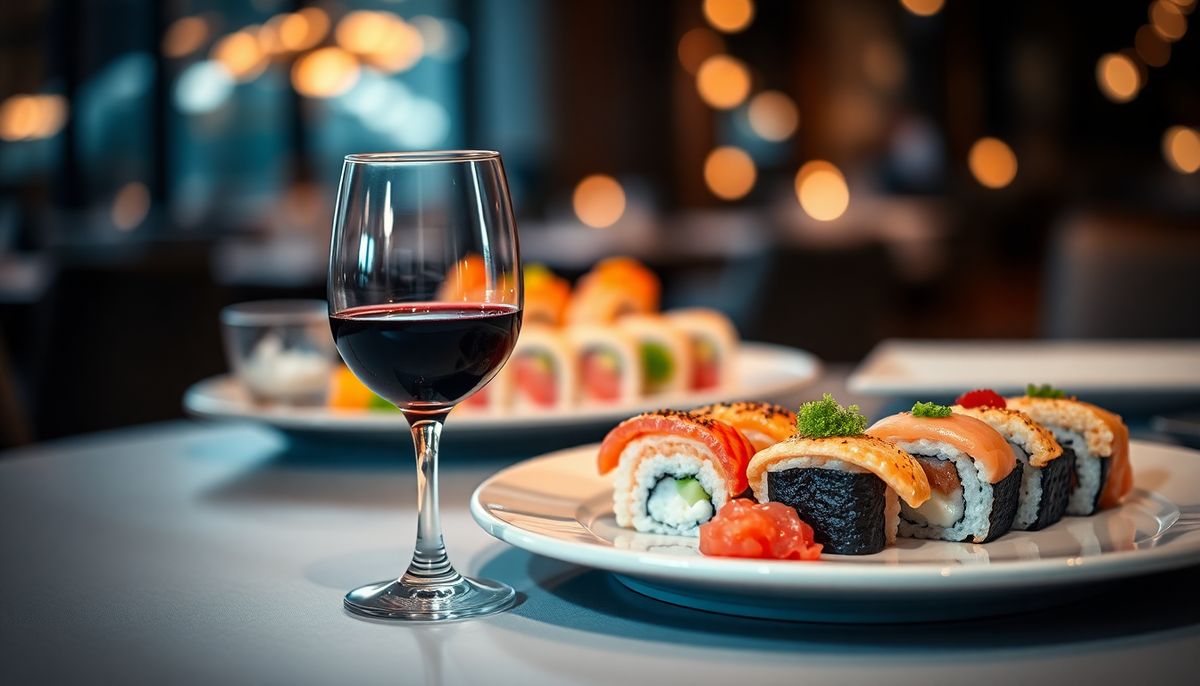
When most people think about pairing wine with food, their minds often drift to classic combinations: red wine with steak, white wine with fish, or perhaps a crisp Sauvignon Blanc with cheese. However, the world of culinary pairings has evolved dramatically over the past decade, and one of the most exciting and unexpected combinations gaining popularity is wine with sushi. At Curtis Family Vineyards, we've discovered that the delicate, nuanced flavors of quality wines can create extraordinary harmony with the intricate tastes of sushi. This comprehensive guide explores the surprising world of wine and sushi pairings, breaking down the principles that make these combinations work and offering specific recommendations that will elevate your dining experience.
Understanding the Fundamentals of Wine and Sushi Pairing
Before diving into specific pairings, it's essential to understand why wine and sushi work together at all. Traditionally, sushi has been paired with sake, the Japanese rice wine that has been the beverage of choice for centuries. While sake remains an excellent choice, the principles that make sake work with sushi can also apply to other wines, particularly those with specific characteristics that complement the delicate nature of raw fish, rice, and various accompaniments.
The Challenge of Pairing Wine with Sushi
Sushi presents unique challenges when it comes to wine pairing. The primary components of sushi—raw or cooked fish, vinegared rice, nori (seaweed), and various vegetables—create a complex flavor profile that can be easily overwhelmed by heavy or overly tannic wines. The acidity in sushi rice, the umami flavors in fish and seaweed, and the subtle sweetness of quality sushi rice all need to be considered when selecting an appropriate wine.
The key to successful wine and sushi pairing lies in understanding that you're not trying to match flavors directly, but rather creating a complementary relationship where the wine enhances the sushi without competing with it. The wine should cleanse the palate between bites, highlight the delicate flavors of the fish, and provide a pleasant contrast to the richness of ingredients like avocado or cream cheese sometimes found in modern sushi rolls.
Why Traditional Wine Pairing Rules Don't Always Apply
Traditional wine pairing wisdom often falls short when applied to sushi. The old adage of "white wine with fish" works for many preparations, but sushi is fundamentally different from cooked fish dishes. The raw nature of sushi, combined with the vinegar in the rice and the umami-rich components, requires a different approach. Additionally, many sushi preparations include ingredients that wouldn't typically be paired with wine, such as wasabi, pickled ginger, and soy sauce, all of which can significantly impact how wine tastes alongside the meal.
Understanding these differences is crucial for developing successful pairings. Rather than relying on conventional wisdom, we need to consider the specific characteristics of both the wine and the sushi components, looking for harmony in acidity, sweetness, body, and flavor intensity.
The Science Behind Successful Pairings
Acidity as the Foundation
One of the most important factors in pairing wine with sushi is acidity. Sushi rice is seasoned with vinegar, which gives it a subtle tartness. Wines with good acidity complement this characteristic beautifully. The acidity in wine helps to cleanse the palate between bites, cutting through the richness of ingredients like avocado or mayonnaise-based sauces, and preventing the palate from becoming fatigued.
Wines with higher acidity also tend to have a crisper, fresher taste that mirrors the clean, fresh flavors associated with quality sushi. This is why many of the best wine and sushi pairings feature wines from cooler climates, where grapes struggle to ripen fully and retain higher natural acidity levels.
Umami and Wine Interaction
Umami, often called the fifth taste, is present in many sushi ingredients, particularly in fish, seaweed, and soy sauce. This savory, mouth-filling flavor can interact with wine in interesting ways. Wines with lower tannin levels and moderate alcohol content tend to work better with umami-rich foods, as high tannins can create an unpleasant, drying sensation when combined with umami flavors.
Interestingly, some wines actually develop umami characteristics themselves, particularly aged wines and those made from certain grape varieties. These wines can create a particularly harmonious pairing with sushi, as they're essentially speaking the same flavor language as the food.
The Role of Sweetness
Many people are surprised to learn that slightly off-dry or even moderately sweet wines can work wonderfully with sushi. A touch of residual sugar in wine can balance the acidity of the sushi rice, complement the sweetness of certain fish preparations, and create a pleasant contrast with spicy elements like wasabi or sriracha-enhanced rolls.
However, the sweetness must be balanced carefully. An overly sweet wine will overpower the delicate flavors of sushi and can create a cloying sensation. The best sweet wines for sushi pairing are those where the sweetness is balanced by good acidity and complexity.
White Wines: The Primary Choice for Sushi Pairing
Sauvignon Blanc: A Classic Match
Sauvignon Blanc is perhaps the most versatile white wine for sushi pairing. The grape's naturally high acidity, crisp flavors, and mineral qualities make it an excellent companion to sushi. Sauvignon Blancs from cooler regions, such as the Loire Valley in France or New Zealand, tend to be particularly successful.
The herbaceous and citrus notes in Sauvignon Blanc complement the fresh, clean flavors of sushi beautifully. When paired with lighter sushi preparations, such as nigiri featuring delicate white fish or simple vegetable rolls, Sauvignon Blanc allows the subtle flavors of the fish to shine through without competition. The wine's acidity cuts through richer ingredients like avocado or cream cheese, preventing the palate from becoming overwhelmed.
At Curtis Family Vineyards, we particularly recommend Sauvignon Blancs with pronounced mineral characteristics. These wines have an almost crystalline quality that echoes the clean, fresh nature of quality sushi. Look for wines that emphasize citrus and green apple notes rather than tropical fruit flavors, as these tend to work better with sushi.
Riesling: The Versatile Performer
Riesling is another excellent choice for sushi pairing, though it's often overlooked in favor of Sauvignon Blanc. The beauty of Riesling lies in its versatility and the range of styles available. Dry Rieslings offer crisp acidity and mineral qualities similar to Sauvignon Blanc, while off-dry and slightly sweet Rieslings add an additional dimension that can work particularly well with spicy or complex sushi preparations.
German and Alsatian Rieslings are particularly noteworthy for sushi pairing. These wines often feature a perfect balance of acidity and subtle sweetness, with flavor profiles that include stone fruit, citrus, and floral notes. This combination works beautifully with both traditional and contemporary sushi preparations.
The slight sweetness in many Rieslings is particularly effective when paired with sushi that includes spicy elements. The sweetness helps to cool the palate and balance the heat from wasabi or spicy mayo, creating a more harmonious overall experience. Additionally, Riesling's lower alcohol content compared to many other white wines makes it less likely to overwhelm the delicate flavors of sushi.
Albariño: The Spanish Secret
Albariño, a white wine from Spain's Rías Baixas region, is an underrated choice for sushi pairing. This wine offers excellent acidity, saline qualities, and citrus flavors that create a wonderful match with sushi. The mineral, almost briny character of Albariño is particularly effective with seafood-based sushi preparations, as it echoes the oceanic qualities of the fish.
Albariño's medium body and crisp finish make it versatile enough to pair with a range of sushi types, from simple nigiri to more complex rolls. The wine's subtle complexity prevents it from being a one-note pairing, offering enough interest to make the dining experience engaging without distracting from the sushi itself.
Pinot Grigio: Accessibility and Reliability
While Pinot Grigio sometimes gets dismissed as a simple, everyday wine, quality examples can be excellent with sushi. The key is to seek out Pinot Grigio from regions known for producing more complex examples, such as northeastern Italy or Alsace. These wines offer better acidity and more interesting flavor profiles than many mass-produced versions.
A good Pinot Grigio provides a clean, crisp backdrop for sushi without adding unnecessary complexity. The wine's light body ensures it won't overpower delicate fish flavors, while its acidity helps cleanse the palate between bites. Pinot Grigio is particularly effective with lighter sushi preparations and vegetable-based rolls.
Grüner Veltliner: The Austrian Alternative
Grüner Veltliner, Austria's signature white wine, offers an exciting alternative for sushi pairing. This wine combines high acidity with distinctive flavor characteristics including citrus, green apple, and white pepper notes. The white pepper quality is particularly interesting with sushi, as it can complement spicy preparations without overwhelming them.
Austrian Grüner Veltliners tend to have a mineral quality and crisp finish that works beautifully with sushi. The wine's medium body and complex flavor profile make it suitable for both simple and more elaborate sushi preparations. For those looking to explore beyond the typical Sauvignon Blanc or Riesling choices, Grüner Veltliner offers an excellent option.
Sparkling Wines: Effervescence and Elegance
Champagne and Champagne-Style Wines
Champagne and other quality sparkling wines deserve serious consideration when pairing with sushi. The effervescence of sparkling wines provides a palate-cleansing effect that's particularly effective between bites of sushi. Additionally, the complexity of flavors in quality Champagne, including brioche, citrus, and mineral notes, can create interesting interactions with sushi components.
The acidity in Champagne is typically quite high, making it excellent for cutting through richer sushi preparations. The wine's elegance and refinement also make it an appropriate choice for special sushi dining experiences. Whether you're enjoying a simple sushi dinner or a more elaborate omakase experience, Champagne adds a touch of sophistication and celebration.
Vintage Champagnes, with their additional complexity and depth, can be particularly interesting with sushi. The toasted, nutty notes that develop with age in Champagne can complement the umami flavors in sushi, creating a more complex pairing experience.
Prosecco and Other Italian Sparkling Wines
For a more casual approach to sparkling wine and sushi pairing, Prosecco offers an excellent option. This Italian sparkling wine is typically lighter and fruitier than Champagne, with lower acidity and a more approachable price point. Prosecco's fruity character and gentle effervescence make it particularly suitable for lighter sushi preparations and casual dining situations.
Other Italian sparkling wines, such as Franciacorta, offer more complexity and can rival Champagne in quality. These wines provide an excellent middle ground between the accessibility of Prosecco and the prestige of Champagne, making them a smart choice for those seeking quality sparkling wine and sushi pairing without the premium price tag.
Rosé Wines: The Underrated Option
Rosé wines are often overlooked in discussions of wine and sushi pairing, but they deserve serious consideration. Quality dry rosés offer the acidity and crispness of white wines while adding additional complexity and flavor interest. The subtle fruit flavors in rosé, including strawberry, raspberry, and citrus, can complement sushi beautifully.
Provence rosés, known for their pale color and dry character, are particularly effective with sushi. These wines offer excellent acidity, mineral qualities, and a refreshing character that works well with both traditional and contemporary sushi preparations. The wine's subtle fruit flavors provide enough interest to make the pairing engaging without overwhelming the delicate flavors of sushi.
Rosé wines are particularly effective with sushi preparations that include fruit elements, such as rolls featuring mango or other tropical fruits. The wine's fruit character creates a harmonious relationship with these ingredients while maintaining the crisp, refreshing quality that makes rosé such an excellent pairing choice.
Light Red Wines: An Unexpected Success
Pinot Noir: The Red Wine Exception
While red wines are generally not recommended for sushi pairing, Pinot Noir is an exception that deserves attention. This light-bodied red wine, with its low tannin levels and bright acidity, can work surprisingly well with sushi, particularly preparations that include cooked fish or meat elements.
The key to successful Pinot Noir and sushi pairing is selecting wines from cooler climates, where the grape retains higher acidity and develops more delicate flavors. Burgundy Pinot Noirs, Oregon Pinot Noirs, and New Zealand Pinot Noirs all offer excellent options. These wines typically feature cherry, raspberry, and earthy notes that can complement sushi without the heavy tannins that would clash with raw fish.
Pinot Noir is particularly effective with sushi preparations that include cooked elements, such as rolls featuring cooked shrimp, crab, or other seafood. The wine's subtle complexity and elegant character make it suitable for more sophisticated sushi dining experiences.
Beaujolais: Light, Fruity, and Refreshing
Beaujolais, particularly the lighter Beaujolais Nouveau style, offers another red wine option for sushi pairing. The wine's low tannin levels, bright acidity, and fruity character make it more compatible with sushi than most red wines. The wine's light body ensures it won't overpower delicate fish flavors, while its acidity helps cleanse the palate.
Beaujolais is particularly effective with sushi preparations that include spicy elements or richer ingredients. The wine's fruity character can complement these elements while its acidity provides balance. For those who prefer red wine but want to maintain compatibility with sushi, Beaujolais offers an excellent compromise.
Specific Sushi Preparations and Their Ideal Wine Pairings
Nigiri Sushi: Simplicity Demands Subtlety
Nigiri sushi, the most traditional form of sushi featuring a piece of fish atop a small mound of rice, demands wines that won't overpower the delicate flavors of the fish. For nigiri featuring white fish such as flounder, halibut, or sea bream, crisp white wines with good acidity are ideal. Sauvignon Blanc, Albariño, and dry Riesling all work beautifully, allowing the subtle flavors of the fish to shine through.
For nigiri featuring richer fish such as salmon or tuna, wines with slightly more body and complexity work better. A quality Pinot Grigio or a mineral-driven Grüner Veltliner can complement these preparations nicely. The wine's acidity helps cut through the richness of the fish while its flavor profile provides an interesting contrast.
Nigiri featuring shellfish, such as scallop or shrimp, pairs well with wines that have a saline quality. Albariño and other coastal white wines work particularly well, as their briny character echoes the oceanic nature of the shellfish. The wine's acidity complements the delicate sweetness of shellfish beautifully.
Maki Rolls: Complexity Requires Versatility
Maki rolls, where ingredients are rolled in nori and rice, present more complex pairing challenges due to the variety of ingredients involved. A simple vegetable roll might pair well with a crisp Sauvignon Blanc, while a more elaborate roll featuring multiple ingredients requires a wine with enough complexity to handle the various flavors.
For rolls featuring cooked ingredients, such as California rolls with imitation crab and avocado, a slightly off-dry Riesling or a quality Pinot Grigio works well. The wine's subtle sweetness balances the richness of the mayonnaise-based sauces often used in these rolls, while its acidity cuts through the fat content.
For spicy rolls, such as those featuring sriracha or spicy mayo, an off-dry Riesling or a Gewürztraminer with a touch of residual sugar is ideal. The sweetness helps cool the palate and balance the heat, while the wine's acidity provides additional balance. The wine's flavor profile should be complex enough to stand up to the bold flavors in these preparations.
Sashimi: Purity Meets Elegance
Sashimi, which features sliced fish without rice, requires wines that can complement the pure flavors of the fish without distraction. For sashimi, the choice of wine depends entirely on the type of fish being served. For delicate white fish, a crisp, mineral-driven white wine such as Sauvignon Blanc or Albariño is ideal. For richer fish such as salmon or toro (fatty tuna), a wine with slightly more body and complexity works better.
The absence of rice in sashimi means there's no vinegar component to consider, which actually simplifies the pairing process. The wine can focus entirely on complementing the



Leave a comment
This site is protected by hCaptcha and the hCaptcha Privacy Policy and Terms of Service apply.