

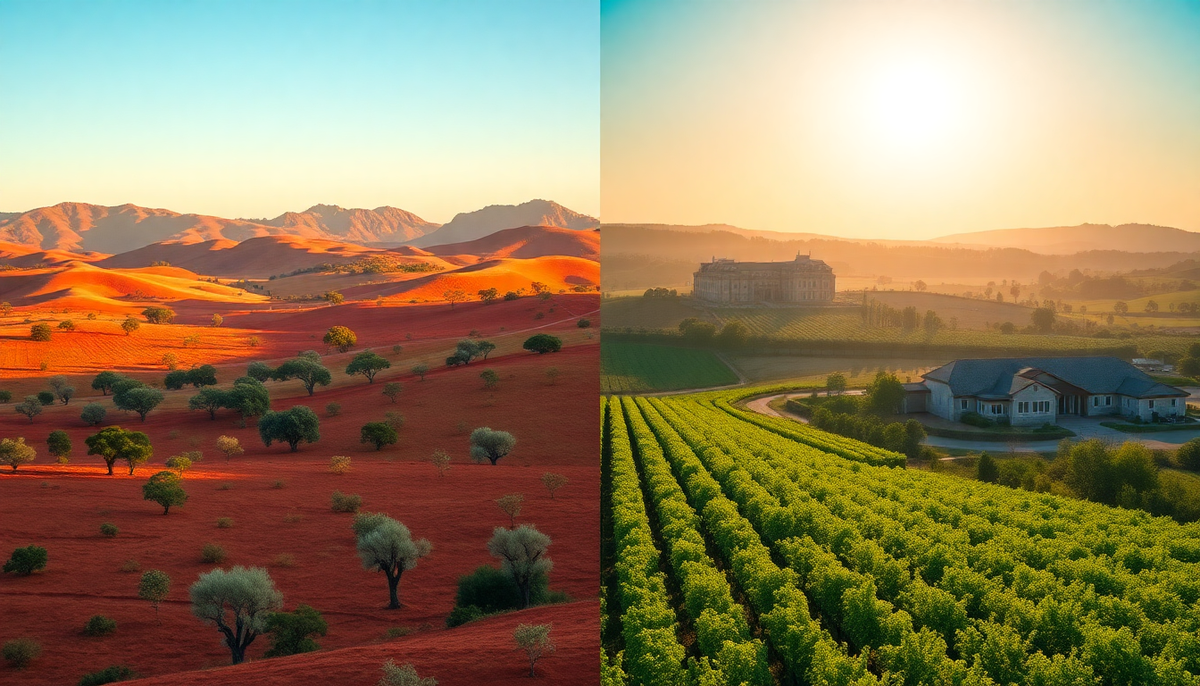
When it comes to Australian wine regions, few comparisons are as compelling as that between McLaren Vale and Barossa Valley. Both regions have established themselves as world-class wine producers, each with distinct characteristics, histories, and wine styles that appeal to different palates and preferences. Whether you're a seasoned wine enthusiast or just beginning your journey into Australian wines, understanding the differences and similarities between these two iconic regions can significantly enhance your appreciation and selection of quality wines.
McLaren Vale, located in South Australia just 40 kilometers south of Adelaide, and Barossa Valley, situated about 60 kilometers northeast of Adelaide, represent two of the most important wine-producing regions in Australia. While they share the same state and are relatively close in geographical terms, they offer remarkably different experiences, terroirs, and wine profiles. This comprehensive guide will explore every aspect of these two regions, from their climates and soil compositions to their signature grape varieties and the unique characteristics that define their wines.
Understanding McLaren Vale
McLaren Vale is a region with a rich winemaking heritage that dates back to the 1850s. The region covers approximately 240 square kilometers and is home to over 80 wineries, making it one of the most accessible and visitor-friendly wine regions in Australia. The landscape is characterized by rolling hills, coastal influences, and a Mediterranean climate that creates ideal conditions for growing a diverse range of grape varieties.
The Climate and Geography of McLaren Vale
The climate of McLaren Vale is one of its defining features. The region benefits from a temperate Mediterranean climate with warm, dry summers and mild winters. The average annual rainfall is around 600-700 millimeters, which is relatively moderate for wine production. What makes McLaren Vale particularly special is its proximity to the Gulf of St. Vincent, which provides a moderating influence on temperatures, preventing them from becoming excessively hot during the growing season.
The elevation in McLaren Vale varies considerably, ranging from sea level near the coast to approximately 300 meters in the inland areas. This variation in elevation creates different microclimates within the region, allowing producers to grow a wide variety of grape types. The coastal areas tend to be cooler, while the inland regions experience warmer conditions, providing flexibility for winemakers to choose locations that suit their desired wine styles.
The soils of McLaren Vale are equally diverse. The region features a mix of sandy loams, clay loams, and gravelly soils, often with significant limestone content. These varied soil types contribute to the complexity and diversity of wines produced in the region. The limestone-rich soils, in particular, are excellent for producing wines with good acidity and mineral characteristics.
Signature Grape Varieties and Wine Styles
McLaren Vale has become particularly renowned for its Shiraz production. The region's warm climate and diverse soils create ideal conditions for producing full-bodied, fruit-forward Shiraz wines with rich, ripe berry flavors and often a peppery spice character. The Shiraz from McLaren Vale is typically more approachable and fruit-driven compared to other Australian regions, making it popular with a broad audience of wine drinkers.
Beyond Shiraz, McLaren Vale produces excellent Cabernet Sauvignon, which benefits from the region's warm conditions and the ability to achieve full ripeness. The Cabernet Sauvignon from this region often displays rich cassis and dark cherry flavors with well-integrated tannins. The region also produces quality Grenache, Mourvèdre, and blends that showcase the Mediterranean character of the area.
White wine production in McLaren Vale is also significant, with Chardonnay being a standout variety. The cooler coastal areas of the region produce elegant, complex Chardonnay wines with good acidity and subtle oak influences. Sauvignon Blanc and Vermentino are also produced, taking advantage of the cooler microclimates within the region.
The Wine Industry and Tourism
McLaren Vale has developed a strong reputation as a wine tourism destination. The region is known for its welcoming atmosphere, with many wineries offering cellar door experiences, wine tastings, and food pairings. The proximity to Adelaide makes it easily accessible for visitors, and the region has invested significantly in infrastructure to support wine tourism.
The wine community in McLaren Vale is known for its collaborative spirit. Many producers work together to promote the region and share knowledge about winemaking techniques and vineyard management. This collaborative approach has helped elevate the overall quality of wines produced in the region and has contributed to McLaren Vale's growing international reputation.
Understanding Barossa Valley
Barossa Valley is one of Australia's most famous and historically significant wine regions. Located in South Australia, the region covers approximately 840 square kilometers and is home to over 150 wineries. The region has a deep cultural heritage, with many wineries being family-owned and operated for generations, some dating back to the 1800s.
The Climate and Geography of Barossa Valley
Barossa Valley experiences a warm, continental climate that is distinctly different from McLaren Vale. The region is situated inland, away from the moderating influence of the ocean, which results in warmer temperatures and greater temperature fluctuations between day and night. The average annual rainfall is around 500-550 millimeters, which is slightly lower than McLaren Vale, and the region experiences hot, dry summers and cool winters.
The elevation in Barossa Valley ranges from approximately 200 meters in the valley floor to over 500 meters in the higher regions, particularly in the Barossa Ranges. This elevation variation creates distinct microclimates, with the higher elevations being cooler and more suitable for producing wines with higher acidity and more elegant styles.
The soils of Barossa Valley are predominantly red loams and clay loams, often with iron oxide content that gives the soil its distinctive reddish color. These soils are well-draining and retain good water-holding capacity, making them ideal for viticulture. The soil composition varies throughout the region, with some areas featuring more sandy soils and others having heavier clay content, contributing to the diversity of wines produced.
Signature Grape Varieties and Wine Styles
Barossa Valley is world-renowned for its Shiraz production. The region's warm climate and distinctive soils produce Shiraz wines that are characteristically full-bodied, with high alcohol content, rich, dark fruit flavors, and often a distinctive peppery or licorice character. Barossa Valley Shiraz is considered among the finest in the world and has established the region's international reputation.
The Shiraz from Barossa Valley tends to be more powerful and concentrated than that from McLaren Vale, with higher alcohol levels and more intense flavors. The region's warm climate allows the grapes to achieve high sugar levels, resulting in wines with alcohol content often exceeding 14 percent. This style of Shiraz has become iconic and is highly sought after by wine collectors and enthusiasts worldwide.
Beyond Shiraz, Barossa Valley produces excellent Cabernet Sauvignon, Grenache, and Mourvèdre. The region's warm conditions are ideal for these Mediterranean varieties, producing wines with rich, concentrated flavors. Grenache, in particular, has become increasingly important in Barossa Valley, with many producers creating single-varietal Grenache wines and blends that showcase the variety's potential in the region.
White wine production in Barossa Valley is less prominent than red wine production, but the region does produce quality Riesling, particularly from the cooler Barossa Ranges area. Barossa Valley Riesling is known for its aromatic character and good acidity, often displaying citrus and stone fruit flavors with a distinctive mineral quality.
The Wine Industry and Heritage
Barossa Valley has a strong cultural identity tied to its winemaking heritage. Many of the region's wineries are family-owned businesses with deep roots in the community, and several have been producing wine for over 150 years. This long history of winemaking has created a strong sense of tradition and continuity in the region.
The region is also known for its German heritage, which has influenced both the winemaking traditions and the cultural character of the area. Many of the early settlers in Barossa Valley were German immigrants who brought their winemaking knowledge and traditions with them, and this heritage continues to influence the region's wine culture today.
Climate Comparison: McLaren Vale vs Barossa Valley
When comparing the climates of McLaren Vale and Barossa Valley, several key differences emerge that significantly impact the wines produced in each region.
Temperature Patterns
McLaren Vale benefits from a moderating maritime influence due to its proximity to the Gulf of St. Vincent. This results in more moderate temperatures throughout the growing season, with cooler nights that help preserve acidity in the grapes. The average maximum temperature during the growing season is around 25-27 degrees Celsius, with cooler coastal areas experiencing temperatures several degrees lower.
Barossa Valley, being inland, experiences warmer and more extreme temperatures. The average maximum temperature during the growing season is around 28-30 degrees Celsius, with some inland areas experiencing even higher temperatures. The greater temperature variation between day and night in Barossa Valley can actually be beneficial for wine production, as the cool nights allow grapes to retain acidity while the warm days promote ripening.
Rainfall and Water Availability
Both regions experience Mediterranean-style rainfall patterns, with most precipitation occurring during the winter months. McLaren Vale receives slightly more rainfall on average, around 600-700 millimeters annually, while Barossa Valley receives around 500-550 millimeters. This difference, while not dramatic, can influence irrigation requirements and the overall water stress experienced by vines.
The distribution of rainfall throughout the year is also important. In both regions, the critical growing season from spring through early autumn is relatively dry, which is ideal for producing high-quality wines. The dry conditions during harvest help concentrate flavors in the grapes and reduce the risk of fungal diseases.
Sunshine Hours
Both regions enjoy abundant sunshine, which is essential for grape ripening and sugar accumulation. McLaren Vale receives approximately 2,800-2,900 hours of sunshine annually, while Barossa Valley receives around 2,900-3,000 hours. This difference is relatively minor, but the slightly higher sunshine hours in Barossa Valley contribute to the region's warmer overall climate and the ability to produce riper, higher-alcohol wines.
Soil Composition and Terroir
The soils of McLaren Vale and Barossa Valley are distinctly different, and these differences significantly influence the character of the wines produced in each region.
McLaren Vale Soils
McLaren Vale features a diverse range of soil types, which is one of the region's defining characteristics. The soils include sandy loams, clay loams, and gravelly soils, often with significant limestone content. The limestone-rich soils are particularly important for producing wines with good acidity and mineral characteristics. The sandy soils in some areas provide excellent drainage, while the clay loams in other areas provide better water retention.
This soil diversity allows producers in McLaren Vale to choose vineyard locations that suit their desired wine styles. Producers seeking to make more elegant, mineral-driven wines can plant in limestone-rich areas, while those seeking riper, more fruit-forward styles can choose warmer, sandier locations.
Barossa Valley Soils
Barossa Valley is characterized by predominantly red loams and clay loams, with iron oxide content that gives the soil its distinctive reddish color. These soils are well-draining and retain good water-holding capacity, making them ideal for viticulture. The soil composition is more uniform across the region compared to McLaren Vale, which contributes to a more consistent wine style across different producers.
The red loam soils of Barossa Valley are particularly well-suited to Shiraz production, and many believe that the distinctive character of Barossa Valley Shiraz is partly attributable to these soils. The iron content in the soils may contribute to the mineral and spice characteristics often found in Barossa Valley wines.
Grape Varieties and Wine Styles
While both regions produce a range of grape varieties, their strengths and signature styles differ considerably.
Red Wine Production
Both regions are renowned for their red wine production, but the styles differ significantly. McLaren Vale Shiraz tends to be more fruit-forward and approachable, with ripe berry flavors, moderate alcohol levels, and softer tannins. The maritime influence and cooler coastal areas help preserve acidity, resulting in wines that are elegant and balanced.
Barossa Valley Shiraz, by contrast, is characteristically full-bodied and powerful, with high alcohol content, concentrated dark fruit flavors, and often a distinctive peppery or licorice character. The warm inland climate allows grapes to achieve higher sugar levels, resulting in wines with greater intensity and complexity.
Cabernet Sauvignon production in both regions is strong, but again, the styles differ. McLaren Vale Cabernet Sauvignon tends to be more elegant and structured, with good acidity and well-integrated tannins. Barossa Valley Cabernet Sauvignon is typically richer and more concentrated, with higher alcohol levels and more pronounced tannins.
Both regions produce excellent Grenache and Mourvèdre, and these varieties are increasingly important in both regions. The warm climate of both regions is ideal for these Mediterranean varieties, and producers in both regions are creating increasingly sophisticated blends that showcase the potential of these varieties.
White Wine Production
White wine production is less prominent in both regions compared to red wine production, but both regions produce quality white wines. McLaren Vale is known for producing elegant Chardonnay, with good acidity and subtle oak influences. The cooler coastal areas of the region are particularly suited to white wine production.
Barossa Valley produces quality Riesling, particularly from the cooler Barossa Ranges area. The region's Riesling is known for its aromatic character and good acidity, often displaying citrus and stone fruit flavors with a distinctive mineral quality. Some producers in Barossa Valley also produce Chardonnay and other white varieties, though these are less prominent than in McLaren Vale.
Wine Quality and International Recognition
Both McLaren Vale and Barossa Valley have achieved significant international recognition for their wines, but their paths to prominence have been somewhat different.
Barossa Valley's International Reputation
Barossa Valley has long been recognized as one of Australia's premier wine regions, with a reputation that extends back over a century. The region's Shiraz wines, in particular, have achieved iconic status in the international wine market. Many of the world's most prestigious and expensive Australian wines come from Barossa Valley, and the region's wines command premium prices in international markets.
The region's long history of winemaking and the presence of many historic, family-owned wineries have contributed to its prestige. Several Barossa Valley producers have become household names in the wine world, and their wines are sought after by collectors and enthusiasts worldwide.
McLaren Vale's Growing Recognition
While McLaren Vale may not have the same level of international prestige as Barossa Valley, the region has been gaining increasing recognition for the quality of its wines. The region's more approachable wine styles and the emphasis on quality and innovation have helped establish McLaren Vale as an important wine region in its own right.
McLaren Vale has benefited from a reputation for producing high-quality wines at reasonable prices, making the region's wines accessible to a broader audience. The region's collaborative spirit and emphasis on sustainability and innovation have also contributed to its growing reputation.
Visiting the Regions: Wine Tourism
Both regions offer excellent wine tourism experiences, but the character and style of tourism differ between the two regions.
McLaren Vale Wine Tourism
McLaren Vale is known for its welcoming and accessible approach to wine tourism. The region has invested significantly in infrastructure to support visitors, including numerous cellar doors, restaurants, and accommodation options. The region's proximity to Adelaide makes it easily accessible for day trips or longer visits.
Many wineries in McLaren Vale offer casual, friendly cellar door experiences, with staff who are knowledgeable and enthusiastic about sharing their wines. The region is also known for its food and wine experiences, with many wineries offering food pairings and collaborations with local restaurants and producers.
Barossa Valley Wine Tourism
Barossa Valley offers a more traditional and heritage-focused wine tourism experience. The region's many historic wineries and family-owned businesses provide visitors with a sense of the region's long winemaking tradition. Many wineries offer more formal tasting experiences and have invested in impressive facilities and restaurants.
The region's cultural heritage is also a significant draw for visitors, with the German heritage of the region evident in the architecture, food, and wine culture. Visitors to Barossa Valley often experience a more immersive cultural experience, with opportunities to learn about the region's history and traditions.
Price Points and Value
The price points for wines from McLaren Vale and Barossa Valley differ considerably, reflecting their different market positions and reputations.
McLaren Vale Pricing
McLaren Vale wines are generally positioned at the mid-range to premium price points, with many quality wines available at reasonable prices. The region's reputation for producing high-quality wines at accessible prices has made McLaren Vale wines popular with consumers seeking good value. Entry-level wines from McLaren Vale can often be found at $15-25 per bottle, while premium wines from established producers may command $50-100 or more per bottle.
Barossa Valley Pricing
Barossa Valley wines, particularly Shiraz from prestigious producers, command premium to luxury price points. The region's iconic status and the prestige of many of its producers mean that wines from Barossa Valley are often priced higher than comparable wines from other regions. Entry-level wines from Barossa Valley may start around $20-30 per bottle, while premium wines from established producers can easily exceed $100 per bottle, with some iconic wines commanding prices of


Leave a comment
This site is protected by hCaptcha and the hCaptcha Privacy Policy and Terms of Service apply.