

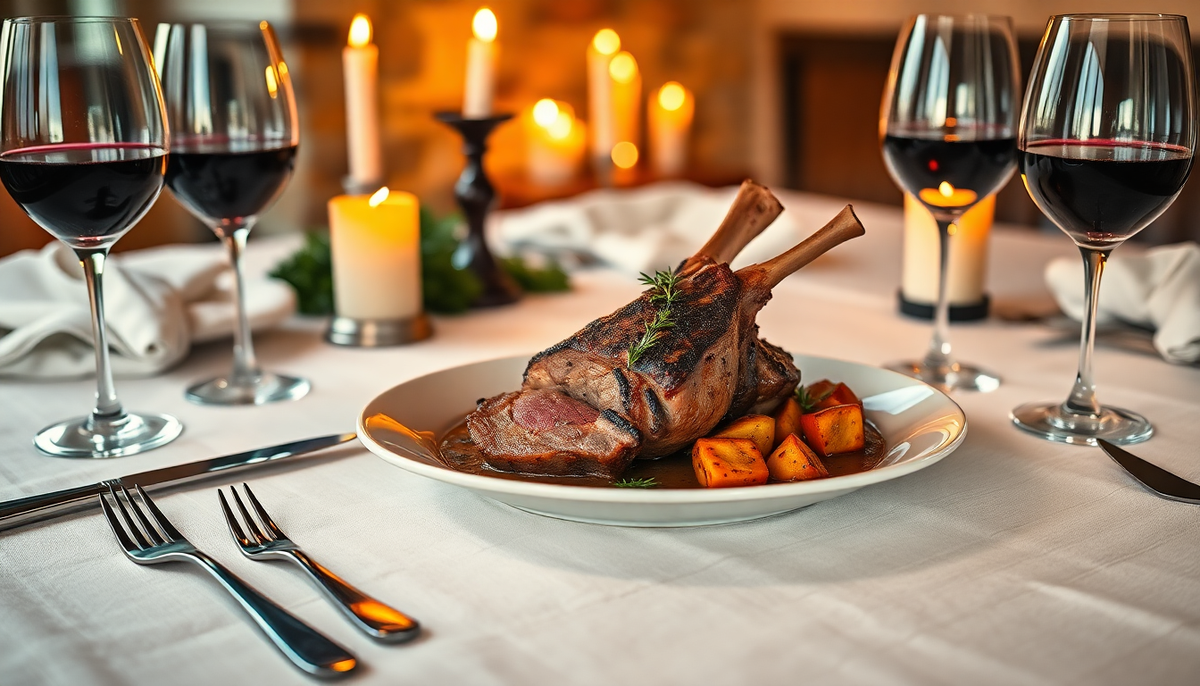
Roast lamb is one of the most elegant and flavorful dishes you can prepare for a special dinner, and selecting the right wine to accompany it can elevate your meal from good to absolutely extraordinary. At Curtis Family Vineyards, we understand that wine pairing is both an art and a science, and we're passionate about helping our customers discover the perfect combinations that will delight their palates and impress their guests. In this comprehensive guide, we'll explore the nuances of pairing wine with roast lamb, examining the characteristics of different wines, the flavor profiles of various lamb preparations, and the principles that guide successful pairings.
Understanding Roast Lamb and Its Flavor Profile
Before we dive into specific wine recommendations, it's essential to understand what makes roast lamb such a distinctive and challenging ingredient to pair with wine. Lamb is a meat with a rich, distinctive flavor that's quite different from chicken, pork, or beef. The flavor intensity of lamb can vary significantly depending on several factors, including the age of the animal, the cut of meat, the diet the lamb was raised on, and the cooking method employed.
The Characteristics of Lamb Meat
Lamb meat contains higher levels of certain amino acids and compounds that create its characteristic gamey flavor. This flavor is often described as earthy, slightly mineral, and sometimes with hints of herbs and grass, particularly in grass-fed lamb. The fat content in lamb is also distinctive, with a higher proportion of saturated fats compared to other meats, which contributes to its rich mouthfeel and lingering flavors on the palate.
When lamb is roasted, the heat causes the Maillard reaction to occur on the surface of the meat, creating a flavorful crust and developing complex savory notes. The interior of the roast remains tender and juicy, with the fat rendering slowly during the cooking process. This combination of a flavorful crust and tender, fatty interior creates a complex flavor profile that requires careful consideration when selecting a wine pairing.
How Cooking Methods Affect Lamb's Flavor
The way you prepare your roast lamb significantly impacts which wines will pair best with it. A simple roast with just salt, pepper, and perhaps rosemary will have a different flavor profile than a lamb roast that's been marinated in Mediterranean spices, garlic, and olive oil. A roast that's cooked to rare or medium-rare will taste quite different from one that's cooked to medium or well-done, as the degree of doneness affects the intensity of the flavors and the texture of the meat.
Herbs used in the preparation also play a crucial role. Rosemary, thyme, oregano, and mint are common accompaniments to lamb, and these herbs can influence which wines pair best. A lamb roast heavily seasoned with Mediterranean herbs might pair differently than one prepared with Middle Eastern spices like cumin, coriander, and cinnamon.
The Principles of Wine and Food Pairing
To understand which wines go best with roast lamb, we need to understand the fundamental principles that guide successful wine and food pairings. These principles have been developed over centuries of culinary tradition and refined through modern understanding of flavor chemistry.
Matching Intensity and Weight
One of the most important principles in wine pairing is matching the intensity and weight of the wine to the intensity and weight of the food. Roast lamb is a relatively heavy, intensely flavored dish, so it generally pairs best with wines that have sufficient body, alcohol content, and flavor intensity to stand up to the meat without being overwhelmed.
Light, delicate wines like Pinot Grigio or Sauvignon Blanc would likely be overpowered by the rich, savory flavors of roast lamb. Instead, you want wines with more structure, tannins, and flavor complexity that can complement and enhance the lamb's natural characteristics.
Complementary and Contrasting Flavors
Wine pairings work through two main mechanisms: complementary flavors and contrasting flavors. Complementary pairings occur when the wine and food share similar flavor notes, creating a harmonious and unified taste experience. For example, a wine with herbal notes might pair beautifully with a lamb roast seasoned with rosemary and thyme, as these flavors echo each other.
Contrasting pairings work by offering flavors that are different from but compatible with the food. For instance, the acidity in wine can cut through the richness of lamb fat, cleansing the palate and preparing it for the next bite. This is why wines with good acidity often pair well with fatty meats.
The Role of Tannins
Tannins are compounds found primarily in red wines that create a drying sensation in the mouth. Many people find this sensation unpleasant when tannins are too aggressive, but moderate tannins can actually enhance food pairings by interacting with proteins in the meat. The tannins bind with proteins in lamb, softening their perception and creating a more integrated flavor experience.
This is why red wines, which typically contain more tannins than white wines, are generally better choices for pairing with roast lamb. The tannins in the wine interact with the proteins in the meat in a way that enhances both the wine and the food.
Red Wines: The Classic Choice for Roast Lamb
Red wines are the traditional and most reliable choice for pairing with roast lamb. The combination of tannins, acidity, and flavor complexity in red wines makes them ideal for complementing the rich, savory characteristics of lamb.
Bordeaux and Bordeaux-Style Wines
Bordeaux wines, particularly those from the Left Bank of Bordeaux, are among the finest choices for roast lamb. These wines are typically made from a blend of Cabernet Sauvignon, Merlot, Cabernet Franc, Petit Verdot, and Malbec. The structure and complexity of Bordeaux wines make them excellent partners for roast lamb.
Cabernet Sauvignon-based wines have firm tannins, good acidity, and often display flavors of dark berries, plums, and herbs. These characteristics complement lamb beautifully, with the wine's herbal notes echoing any herbs used in the roast preparation. The tannins in Cabernet Sauvignon are robust enough to stand up to the richness of lamb without being overwhelmed.
Merlot-based Bordeaux wines tend to be slightly softer and more approachable than those based on Cabernet Sauvignon, with riper fruit flavors and slightly lower tannin levels. These wines are excellent choices if you prefer a slightly more elegant, less assertive pairing.
Burgundy and Pinot Noir
While Pinot Noir is generally lighter in body than Cabernet Sauvignon, high-quality Burgundy wines and other premium Pinot Noirs can be excellent choices for roast lamb, particularly if the lamb is prepared in a more delicate manner or cooked to a lighter doneness.
Burgundy wines from the Côte de Nuits region tend to have more structure and aging potential than those from the Côte de Beaune, making them particularly suitable for roast lamb. The earthy, mineral characteristics of Burgundy wines complement the gamey flavors of lamb, while the wine's acidity helps cut through the richness of the meat.
Pinot Noir from other regions, such as Oregon, California, or New Zealand, can also be excellent choices. These wines often have good acidity and complexity, with flavors of red berries, cherries, and sometimes earthy or mineral notes that pair well with lamb.
Rhône Valley Wines
Wines from the Rhône Valley in France offer excellent options for pairing with roast lamb. Northern Rhône wines, made primarily from Syrah, are particularly well-suited to lamb. Syrah wines have dark fruit flavors, peppery spice notes, and firm tannins that complement lamb's rich, savory character beautifully.
Southern Rhône wines, such as Châteauneuf-du-Pape, are typically blends that may include Grenache, Syrah, Mourvèdre, and other varieties. These wines often have higher alcohol content and riper fruit flavors, with complex spice and herb notes that pair wonderfully with roast lamb, especially if the lamb has been prepared with Mediterranean herbs.
Spanish Wines: Tempranillo and Beyond
Spanish wines, particularly those made from Tempranillo, are excellent choices for roast lamb. Rioja wines, made primarily from Tempranillo, have good structure, moderate tannins, and flavors of dark berries, plums, and sometimes vanilla or oak. These wines are elegant and food-friendly, making them ideal for pairing with roast lamb.
Ribera del Duero wines, also made primarily from Tempranillo, tend to be slightly more powerful and structured than Rioja wines, with darker fruit flavors and firmer tannins. These wines are excellent choices if you're serving a particularly rich or heavily seasoned roast lamb.
Priorat wines from Catalonia are made from Grenache and Carignan, and they offer bold, complex flavors with good structure and tannins. These wines are excellent for pairing with roast lamb, particularly if the lamb has been prepared with Mediterranean or Spanish-influenced seasonings.
Italian Wines: Nebbiolo and Sangiovese
Italian wines offer several excellent options for pairing with roast lamb. Nebbiolo, grown primarily in the Piedmont region, produces wines with high tannins, good acidity, and complex flavors of dark berries, roses, and sometimes tar or leather. These wines are powerful and structured, making them excellent choices for roast lamb.
Sangiovese, the primary grape of Tuscany, produces wines with good acidity, moderate tannins, and flavors of red berries, cherries, and sometimes earthy or mineral notes. Brunello di Montalcino and Vino Nobile di Montepulciano, both made from Sangiovese, are particularly well-suited to roast lamb.
Barolo and Barbaresco, both made from Nebbiolo, are among the finest Italian wines and excellent choices for special occasions when you're serving roast lamb. These wines have the structure, complexity, and aging potential to complement a fine roast lamb dinner.
Australian and New World Red Wines
Shiraz from Australia is an excellent choice for roast lamb, particularly Australian lamb. Shiraz wines have dark fruit flavors, peppery spice notes, and good tannin structure. The wine's boldness and complexity complement the rich flavors of roast lamb beautifully.
Cabernet Sauvignon from California, particularly from regions like Napa Valley and Sonoma, can be excellent choices for roast lamb. These wines often have good structure, ripe fruit flavors, and moderate to firm tannins that pair well with lamb.
New Zealand Pinot Noir has gained recognition in recent years as an excellent food wine, and it can pair beautifully with roast lamb, particularly if the lamb is prepared in a relatively simple manner without heavy spicing.
White Wines: An Underrated Option
While red wines are the traditional choice for roast lamb, certain white wines can also pair beautifully with lamb, particularly if the lamb is prepared in a lighter manner or served with lighter accompaniments.
Full-Bodied White Wines
Full-bodied white wines with good acidity and complexity can work well with roast lamb. White Burgundy, made from Chardonnay, has the structure and complexity to stand up to lamb. The wine's mineral characteristics and subtle oak aging can complement the flavors of roast lamb, particularly if the lamb is prepared with herbs like thyme and rosemary.
Alsatian wines, particularly those made from Riesling or Gewürztraminer, can pair surprisingly well with roast lamb, especially if the lamb has been prepared with aromatic spices. The wine's aromatic qualities and good acidity can complement the lamb's flavors while cutting through its richness.
Rosé Wines
Rosé wines are often overlooked in wine pairing discussions, but they can be excellent choices for roast lamb. A dry rosé with good acidity and some body can bridge the gap between red and white wines, offering the freshness and acidity of white wine with some of the structure and flavor complexity of red wine.
Provence rosé, with its pale color and delicate flavors, can pair beautifully with lighter preparations of roast lamb. The wine's acidity helps cut through the richness of the meat, while its subtle fruit flavors complement the lamb without overwhelming it.
Specific Wine Recommendations from Curtis Family Vineyards
At Curtis Family Vineyards, we've carefully selected wines that we believe pair beautifully with roast lamb. Our recommendations are based on years of experience and a deep understanding of how wine and food interact.
For Classic Roast Lamb with Herbs
For a traditional roast lamb prepared with rosemary, thyme, and garlic, we recommend a Cabernet Sauvignon or Cabernet Sauvignon-based blend. The wine's herbal notes will echo the herbs in the dish, while its tannins and acidity will complement the rich, savory flavors of the meat. A Bordeaux wine from a good vintage would be an excellent choice for a special occasion.
If you prefer a slightly softer, more elegant pairing, a high-quality Pinot Noir or Burgundy wine would be wonderful. The wine's earthy characteristics will complement the lamb's gamey flavors, while its acidity will cleanse the palate between bites.
For Mediterranean-Spiced Roast Lamb
If your roast lamb has been prepared with Mediterranean spices, garlic, and olive oil, we recommend a Rhône Valley wine, such as a Côtes du Rhône or a Châteauneuf-du-Pape. These wines have the spice and complexity to complement Mediterranean flavors, while their structure and tannins pair well with the richness of lamb.
A Spanish wine, such as a Rioja or Priorat, would also be an excellent choice. These wines have the structure and flavor complexity to complement Mediterranean-spiced lamb, and their slightly higher alcohol content can enhance the wine's richness and body.
For Middle Eastern or Spiced Roast Lamb
If your roast lamb has been prepared with Middle Eastern spices such as cumin, coriander, cinnamon, or sumac, we recommend a wine with good structure and slightly higher alcohol content. An Australian Shiraz or a California Cabernet Sauvignon would be excellent choices. These wines have the boldness and complexity to stand up to assertive spicing, while their fruit-forward characteristics can complement the warm spices in the dish.
A Rhône Valley Syrah would also be an excellent choice, as the wine's peppery spice notes can echo the spices in the lamb preparation.
For Lighter Preparations
If you're serving a lighter preparation of roast lamb, such as lamb cooked to rare or medium-rare with minimal seasoning, a lighter-bodied red wine might be more appropriate. A Pinot Noir from Oregon or New Zealand, or a lighter Burgundy wine, would be excellent choices. These wines have enough structure and complexity to complement lamb without overwhelming the delicate flavors of a lightly cooked roast.
Pairing Wine with Lamb Accompaniments
The sides and sauces served with roast lamb can significantly influence which wines pair best with your meal. When selecting a wine, it's important to consider not just the lamb itself, but the entire dish as it will be served.
Mint Sauce and Mint Accompaniments
Mint is a classic accompaniment to roast lamb, and it can influence wine pairing. Mint's fresh, herbaceous characteristics can work well with wines that have herbal notes or good acidity. A Sauvignon Blanc with herbaceous characteristics might work surprisingly well with roast lamb served with mint sauce, as the wine's acidity and herbal notes will complement both the lamb and the mint.
However, if you're serving roast lamb with mint sauce, a red wine with good acidity and some herbal characteristics, such as a Cabernet Sauvignon or a Bordeaux blend, would still be an excellent choice.
Red Wine Reductions and Gravies
If you're serving roast lamb with a red wine reduction or gravy, you should consider the wine used in the sauce when selecting a wine to serve with the meal. If the sauce is made with a Bordeaux wine, serving a similar wine with the meal would create a harmonious pairing. The flavors of the sauce and the wine will echo each other, creating a unified taste experience.
Root Vegetables and Hearty Sides
Roast lamb is often served with roasted root vegetables such as potatoes, carrots, parsnips, and turnips. These vegetables are relatively neutral in flavor and won't significantly impact wine pairing. However, if the vegetables are prepared with herbs or spices, these should be considered when selecting a wine.
Creamy or buttery side dishes, such as mashed potatoes or cauliflower gratin, can influence wine pairing. The richness of these sides suggests a wine with good acidity to cut through the fat and cleanse the palate. A wine with firm tannins and good acidity, such as a Cabernet Sauvignon or a Bordeaux blend, would be an excellent choice.

Leave a comment
This site is protected by hCaptcha and the hCaptcha Privacy Policy and Terms of Service apply.