

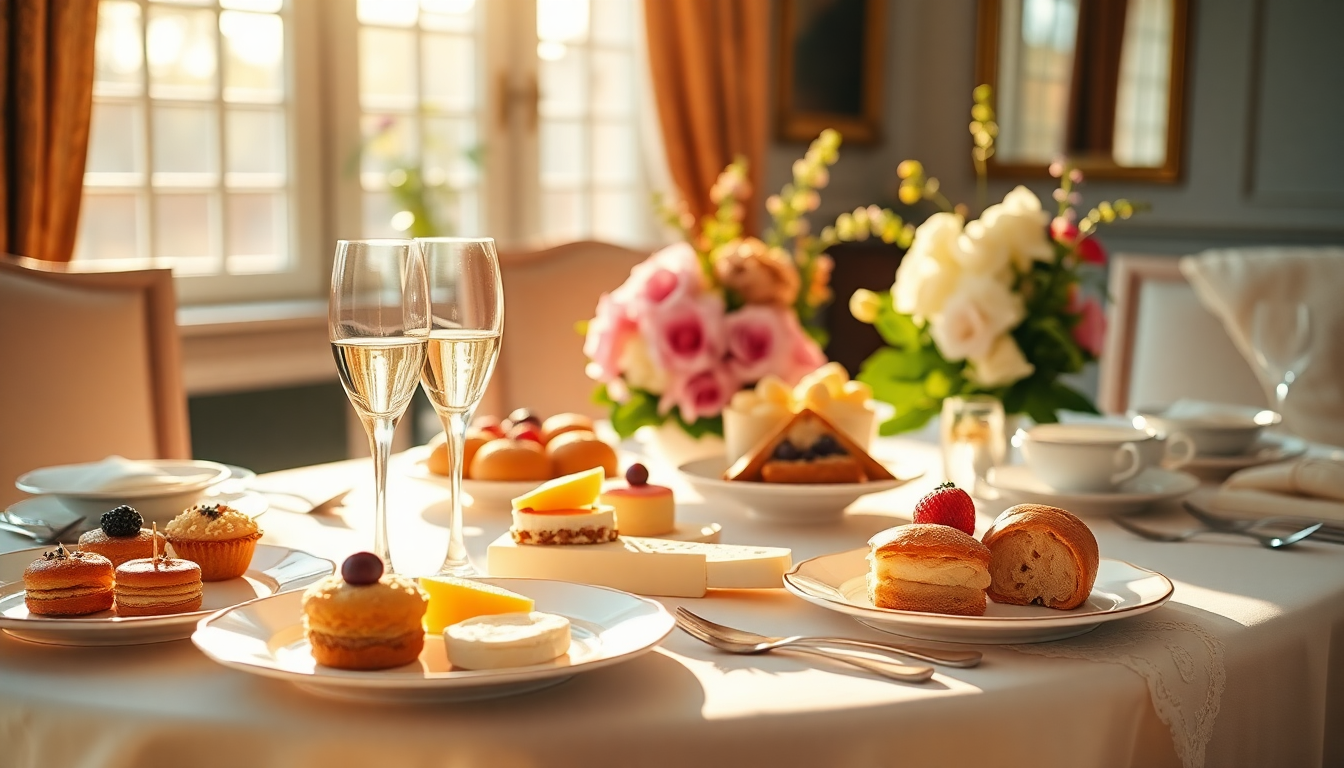
Brunch has become one of the most beloved dining occasions in modern culture, and there's no better way to elevate this leisurely meal than with the perfect sparkling wine pairing. Whether you're hosting an intimate gathering at home or enjoying a special celebration at your favorite restaurant, understanding how to match sparkling wines with brunch dishes can transform an ordinary meal into an extraordinary experience. At Curtis Family Vineyards, we believe that sparkling wine is the ultimate brunch companion, and we're excited to share our comprehensive guide to creating the perfect sparkling wine and brunch pairing experience.
Understanding Sparkling Wine Basics
Before diving into specific pairings, it's essential to understand the fundamentals of sparkling wine. Sparkling wine is any wine that contains significant levels of carbon dioxide, which creates the characteristic bubbles and effervescence. The most famous sparkling wine is Champagne, which comes exclusively from the Champagne region of France. However, sparkling wines are produced all around the world, each with its own unique characteristics and flavor profiles.
The Different Types of Sparkling Wine
The world of sparkling wine is incredibly diverse, with numerous styles and production methods creating distinct flavor profiles. Understanding these differences will help you select the perfect bottle for your brunch occasion.
Champagne remains the gold standard of sparkling wines, produced using the traditional méthode champenoise. This labor-intensive process involves a secondary fermentation in the bottle, which creates fine, persistent bubbles and complex flavors. Champagne typically exhibits notes of brioche, nuts, and citrus, with a crisp acidity that makes it incredibly food-friendly.
Prosecco, produced in the Veneto region of Italy, offers a more approachable and often more affordable option. Made using the charmat method, where secondary fermentation occurs in large tanks rather than individual bottles, Prosecco tends to be lighter and fruitier than Champagne, with prominent notes of green apple, pear, and white flowers. Its lower alcohol content and slightly sweeter profile make it particularly well-suited to brunch applications.
Cava, Spain's answer to Champagne, is produced using the traditional method in the Catalonia region. Cava offers excellent value for money and typically displays flavors of green apple, citrus, and almonds. The production method creates a similar complexity to Champagne, but at a more accessible price point.
Crémant wines come from various regions throughout France outside of Champagne and are produced using the traditional method. These wines offer quality comparable to Champagne at lower price points, making them excellent choices for larger brunch gatherings.
American sparkling wines, particularly those from California, have gained significant recognition in recent years. These wines often display riper fruit characteristics than their European counterparts, with flavors of stone fruits and tropical notes alongside the traditional brioche and citrus elements.
Understanding Sweetness Levels
Sparkling wines are classified by their residual sugar content, which significantly impacts how they pair with food. Understanding these classifications will help you make informed pairing decisions.
Brut Nature or Brut Zero contains virtually no added sugar, making it the driest option available. These wines are ideal for pairing with savory brunch dishes and showcase the pure character of the wine itself.
Extra Brut contains minimal residual sugar, typically less than 6 grams per liter. These wines are still very dry and work beautifully with most brunch applications.
Brut, the most common classification, contains up to 12 grams per liter of residual sugar. This slight sweetness provides balance and approachability while maintaining enough acidity for food pairing.
Extra Dry, despite its name, actually contains more sugar than Brut, typically between 12 and 17 grams per liter. This category offers a slightly sweeter profile that works well with certain brunch dishes.
Dry sparkling wines contain between 17 and 32 grams per liter of residual sugar, offering noticeably more sweetness. These wines pair well with lighter, fruit-forward brunch dishes.
Demi-Sec sparkling wines contain between 32 and 50 grams per liter of residual sugar, making them distinctly sweet. These wines are excellent with desserts and fruit-based brunch items.
Doux sparkling wines contain more than 50 grams per liter of residual sugar, making them the sweetest option. While less common, these wines can be delightful with certain brunch desserts.
The Art of Pairing Sparkling Wine with Brunch Foods
The key to successful sparkling wine pairing lies in understanding the fundamental flavor profiles of both the wine and the food, then identifying complementary or contrasting elements that create harmony on the palate.
Pairing with Egg Dishes
Eggs are a brunch staple, and their delicate, slightly rich flavor profile pairs beautifully with sparkling wine. The acidity in sparkling wine cuts through the richness of eggs while the wine's complexity complements the subtle flavors of the dish.
For classic scrambled eggs, a Brut Champagne or high-quality Cava works wonderfully. The wine's acidity and mineral notes complement the creamy texture of the eggs without overwhelming them. If your scrambled eggs include additions like herbs, cheese, or smoked salmon, the wine's complexity provides enough substance to stand up to these additional flavors.
Eggs Benedict, with its rich hollandaise sauce, pairs exceptionally well with sparkling wine. The acidity in the wine cuts through the butter and egg yolk richness of the sauce, while the wine's subtle fruit notes complement the English muffin and ham or bacon. A Brut or Extra Brut sparkling wine is ideal here, as the dryness prevents the pairing from becoming too heavy.
Frittatas, particularly those loaded with vegetables and cheese, benefit from the versatility of sparkling wine. A Prosecco or lighter-styled sparkling wine works well with vegetable-forward frittatas, while a more structured Champagne or Cava pairs beautifully with cheese-heavy versions. The wine's bubbles and acidity refresh the palate between bites of the rich, savory dish.
Omelets present an excellent opportunity for creative pairing. Simple cheese omelets pair well with Brut sparkling wines, while herb-filled omelets benefit from the floral notes often found in Prosecco. Seafood omelets, particularly those featuring smoked salmon or crab, pair beautifully with Champagne, where the wine's complexity matches the sophistication of the filling.
Shakshuka, the Middle Eastern dish of eggs poached in spiced tomato sauce, presents an interesting pairing challenge. The spices and acidity of the tomato sauce require a sparkling wine with enough body and acidity to stand up to these bold flavors. A Brut Champagne or a more structured Cava works well, with the wine's complexity complementing the warm spices.
Pairing with Seafood Dishes
Seafood is a classic pairing partner for sparkling wine, and brunch offers numerous opportunities to explore this combination.
Smoked salmon, a brunch favorite, pairs beautifully with sparkling wine. The delicate, slightly smoky flavor of the salmon is complemented by the wine's acidity and subtle fruit notes. A Brut Champagne is the traditional choice, but a crisp Prosecco or Cava also works wonderfully. The wine's bubbles provide a refreshing contrast to the richness of the salmon, particularly when served with cream cheese and bagels.
Oysters and sparkling wine represent one of the most classic and elegant pairings. The briny, mineral character of oysters is enhanced by the mineral notes in sparkling wine, while the wine's acidity cleanses the palate between bites. Whether you prefer raw oysters or cooked preparations, a Brut or Extra Brut sparkling wine is the ideal choice. The dryness of the wine ensures that no sweetness interferes with the delicate oyster flavor.
Crab cakes, a beloved brunch item, pair excellently with sparkling wine. The sweet, delicate crab meat is complemented by the wine's subtle fruit notes and acidity. A Brut sparkling wine provides enough structure to stand up to the richness of the crab cake, while the wine's bubbles refresh the palate. If your crab cakes include spicy elements, consider a slightly fuller-bodied sparkling wine like a California Blanc de Blancs.
Shrimp preparations, whether grilled, sautéed, or served in a salad, benefit from sparkling wine's versatility. The wine's acidity complements the slightly sweet flavor of shrimp, while the bubbles provide a refreshing contrast. A Prosecco or lighter-styled sparkling wine works well with lighter shrimp preparations, while a more structured Champagne pairs beautifully with richer preparations involving butter or cream sauces.
Lobster, when featured in brunch dishes like lobster eggs Benedict or lobster salad, pairs wonderfully with premium sparkling wines. The sweet, delicate flavor of lobster is enhanced by the wine's complexity and subtle fruit notes. A vintage Champagne or high-quality Cava provides the sophistication needed to complement this luxurious ingredient.
Pairing with Meat and Poultry Dishes
While sparkling wine is often associated with lighter fare, it pairs beautifully with many meat and poultry dishes commonly served at brunch.
Bacon and sparkling wine create an interesting pairing dynamic. The smoky, salty character of bacon is complemented by the wine's acidity and subtle fruit notes. The bubbles in the wine help cleanse the palate of the bacon's richness, making each bite feel fresh. A Brut sparkling wine is ideal, as the dryness prevents the pairing from becoming too heavy.
Sausage, particularly breakfast sausage, pairs well with sparkling wine. The wine's acidity cuts through the richness of the sausage, while the wine's subtle flavors complement the meat's savory character. A Prosecco or lighter-styled sparkling wine works well with milder sausages, while a more structured Champagne pairs beautifully with spiced or herb-infused varieties.
Ham, a classic brunch ingredient, pairs elegantly with sparkling wine. The slightly sweet, salty character of ham is complemented by the wine's acidity and subtle fruit notes. A Brut sparkling wine is the traditional choice, providing enough structure to stand up to the ham's bold flavor without overwhelming it.
Chicken dishes, particularly lighter preparations like chicken salad or poached chicken, pair beautifully with sparkling wine. The delicate flavor of chicken is complemented by the wine's subtle fruit notes and acidity. A Prosecco or lighter-styled sparkling wine works well with lighter preparations, while a more structured Champagne pairs beautifully with richer preparations involving cream sauces.
Duck, when featured in brunch dishes, pairs wonderfully with sparkling wine. The rich, slightly gamey flavor of duck is complemented by the wine's acidity and complexity. A vintage Champagne or high-quality Cava provides the sophistication needed to complement this luxurious ingredient.
Pairing with Bread and Pastry Items
Brunch wouldn't be complete without fresh bread and pastries, and sparkling wine pairs beautifully with these items.
Croissants, with their buttery, flaky texture, pair wonderfully with sparkling wine. The wine's acidity cuts through the richness of the butter, while the bubbles provide a refreshing contrast. A Brut sparkling wine is ideal, as the dryness prevents the pairing from becoming too heavy. The wine's subtle fruit notes complement the delicate, slightly sweet flavor of the croissant.
Bagels, particularly when served with cream cheese and smoked salmon, benefit from sparkling wine's versatility. The wine's acidity complements the richness of the cream cheese, while the bubbles refresh the palate between bites. A Brut Champagne or crisp Prosecco works beautifully.
Scones, particularly when served with clotted cream and jam, present an interesting pairing opportunity. The richness of the clotted cream and the sweetness of the jam require a sparkling wine with enough acidity to cut through these elements. A Brut sparkling wine works well, though a slightly sweeter style like an Extra Dry might be preferred if you enjoy a more harmonious sweetness pairing.
Pain au chocolat and other chocolate pastries pair beautifully with sparkling wine. The wine's acidity complements the richness of the chocolate, while the bubbles provide a refreshing contrast. A Brut sparkling wine is ideal, though a slightly sweeter style might be preferred if you enjoy a more harmonious pairing.
Muffins, whether blueberry, chocolate chip, or other varieties, pair well with sparkling wine. The wine's acidity complements the sweetness of the muffin, while the bubbles provide a refreshing contrast. A Brut or Extra Dry sparkling wine works well, depending on the sweetness level of your muffin.
Pairing with Fruit and Salad Dishes
Fresh fruits and salads are essential components of a well-rounded brunch, and sparkling wine pairs beautifully with these lighter items.
Fresh fruit platters, featuring berries, melons, and citrus, pair wonderfully with sparkling wine. The wine's subtle fruit notes complement the fresh fruit flavors, while the acidity and bubbles refresh the palate. A Prosecco or lighter-styled sparkling wine works beautifully, as the wine's fruitiness echoes the flavors of the fruit platter.
Berry-based dishes, whether fresh berries with cream or berry-filled pastries, pair excellently with sparkling wine. The wine's acidity complements the tartness of berries, while the wine's subtle fruit notes echo the berry flavors. A Brut or Extra Dry sparkling wine works well, depending on the sweetness level of the dish.
Citrus salads, featuring grapefruit, orange, or lemon, pair beautifully with sparkling wine. The wine's acidity and citrus notes create a harmonious pairing, while the bubbles refresh the palate. A Brut sparkling wine is ideal, as the dryness prevents the pairing from becoming too heavy.
Green salads with vinaigrette dressing pair well with sparkling wine. The wine's acidity complements the acidity of the vinaigrette, while the wine's subtle flavors don't overpower the delicate greens. A Brut sparkling wine is the ideal choice.
Composed salads featuring proteins like chicken, seafood, or cheese benefit from sparkling wine's versatility. The wine's acidity and complexity work with the various components of the salad, creating a harmonious pairing. A Brut sparkling wine is ideal for most composed salads.
Pairing with Cheese
Cheese is a brunch staple, and sparkling wine pairs beautifully with numerous varieties.
Soft cheeses like brie and camembert pair wonderfully with sparkling wine. The wine's acidity cuts through the richness of the cheese, while the wine's subtle flavors complement the delicate, creamy character of the cheese. A Brut sparkling wine is ideal.
Hard cheeses like cheddar and gruyere pair beautifully with sparkling wine. The wine's acidity complements the sharpness of the cheese, while the wine's complexity stands up to the bold flavors. A Brut sparkling wine works well, though a slightly fuller-bodied sparkling wine might be preferred.
Blue cheeses, with their bold, pungent character, pair interestingly with sparkling wine. The wine's acidity cuts through the richness of the cheese, while the wine's subtle flavors provide a refreshing contrast. A Brut sparkling wine is ideal, as the dryness prevents the pairing from becoming too heavy.
Goat cheese, with its tangy, slightly acidic character, pairs beautifully with sparkling wine. The wine's acidity echoes the cheese's tartness, creating a harmonious pairing. A Brut sparkling wine is ideal.
Fresh mozzarella, particularly when served with tomatoes and basil, pairs wonderfully with sparkling wine. The wine's acidity complements the freshness of the mozzarella and the acidity of the tomatoes, while the bubbles refresh the palate. A Brut sparkling wine is ideal.
Creating the Perfect Brunch Sparkling Wine Experience
Beyond simply pairing wine with food, creating the perfect brunch sparkling wine experience involves attention to detail in several areas.
Selecting the Right Bottle
When selecting a sparkling wine for your brunch, consider several factors. First, think about your budget. Champagne, while excellent, can be expensive. Prosecco, Cava, and other sparkling wines offer excellent quality at more accessible price points. Second, consider the specific dishes you'll be serving. A versatile Brut sparkling wine works well with most brunch foods, but if you're planning a menu with specific themes, you might choose a wine that particularly complements those dishes. Third, consider the preferences of your guests. If you have guests who prefer sweeter wines, an Extra Dry or Demi-Sec might be more appreciated than a Brut.
Proper Serving Temperature
Serving sparkling wine at the correct temperature is essential

Leave a comment
This site is protected by hCaptcha and the hCaptcha Privacy Policy and Terms of Service apply.