

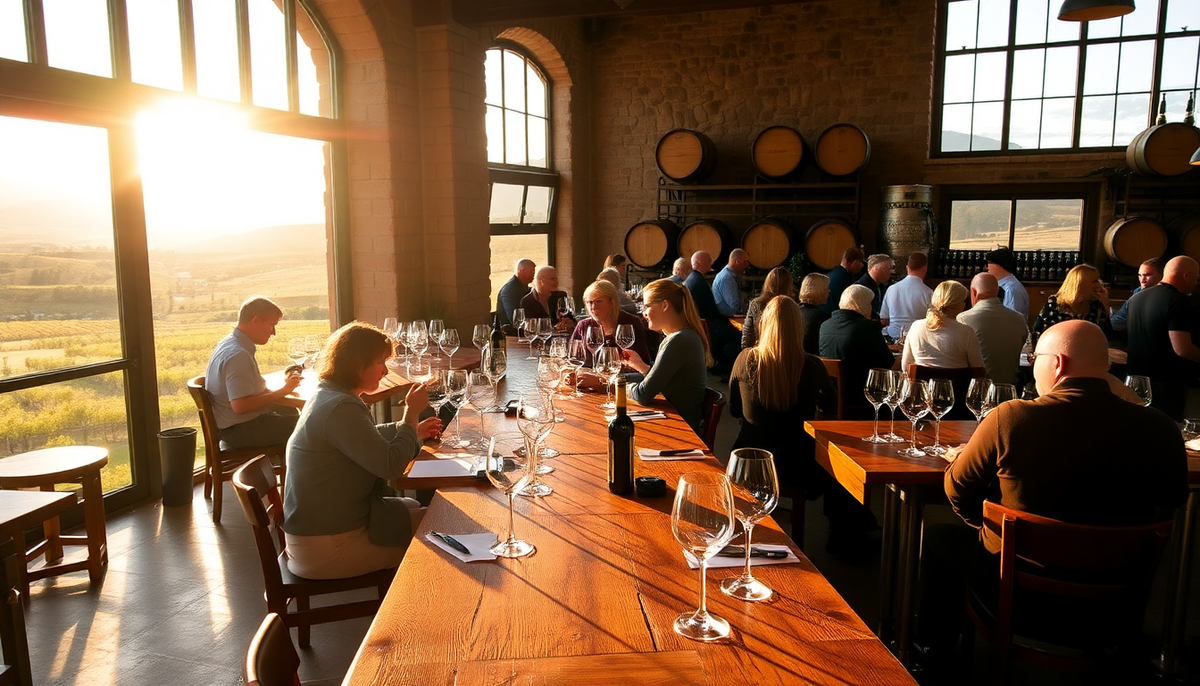
McLaren Vale, located in South Australia, is one of the country's most celebrated wine regions, renowned for its diverse range of premium wines and welcoming cellar door experiences. Whether you're a seasoned wine enthusiast or a curious beginner, visiting a cellar door in McLaren Vale offers a unique opportunity to explore exceptional wines in their place of origin. Curtis Family Vineyards, a distinguished establishment in this region, exemplifies the quality and hospitality that visitors can expect when they step through the doors of a McLaren Vale cellar door.
A cellar door tasting is far more than simply sampling wine. It's an immersive experience that combines education, sensory exploration, and genuine hospitality. This comprehensive guide will walk you through everything you need to know before, during, and after your visit to a McLaren Vale cellar door, ensuring you make the most of this memorable experience.
Understanding the Cellar Door Experience
The term "cellar door" refers to the tasting room or visitor facility at a winery where guests can sample wines directly from the producer. Unlike purchasing wine from a retail store, a cellar door visit connects you directly with the winemakers, vineyard owners, and passionate staff who dedicate their lives to crafting exceptional wines.
At Curtis Family Vineyards and similar establishments throughout McLaren Vale, the cellar door serves as the gateway to understanding the winery's philosophy, production methods, and the unique terroir that defines their wines. The experience is designed to be educational, enjoyable, and memorable, offering insights that transform how you appreciate and understand wine.
The History of Cellar Door Culture in McLaren Vale
McLaren Vale's cellar door culture has evolved significantly over the past few decades. What began as simple farm visits has transformed into sophisticated wine tourism experiences. The region's commitment to hospitality and education has made it one of Australia's premier wine destinations.
The tradition of opening cellar doors to the public reflects the winemakers' desire to share their passion and knowledge with wine lovers. This openness creates a unique dynamic where visitors can engage directly with the people responsible for creating the wines they're tasting. Curtis Family Vineyards, like many establishments in the region, has embraced this tradition wholeheartedly, creating welcoming spaces where visitors feel valued and appreciated.
Preparing for Your Visit
Proper preparation ensures you'll have the best possible cellar door experience. Taking time to plan ahead demonstrates respect for the winery and maximizes your enjoyment.
Researching the Winery
Before visiting, spend time researching the winery's background, wine styles, and specialties. Most McLaren Vale wineries, including Curtis Family Vineyards, maintain comprehensive websites with information about their wines, vineyard practices, and tasting room facilities. Reading reviews from previous visitors provides valuable insights into what to expect and helps you set appropriate expectations.
Understanding the winery's history and philosophy enhances your tasting experience significantly. When you know the story behind the vineyard, the wines taste better because you're connecting with the narrative and passion that created them. Many wineries in McLaren Vale have fascinating histories spanning generations, and learning these stories enriches your visit immeasurably.
Making Reservations
While some cellar doors accept walk-in visitors, making a reservation is increasingly recommended, especially during peak seasons. Reservations ensure that the tasting room staff can dedicate appropriate time and attention to your group. They also allow the winery to prepare for your visit, potentially arranging special tastings or experiences tailored to your interests.
When making a reservation, communicate any specific interests or preferences. If you're particularly interested in learning about the winemaking process, have dietary restrictions, or want to focus on specific wine styles, mentioning these details helps the staff prepare an experience perfectly suited to your needs.
Timing Your Visit
The timing of your visit significantly impacts your experience. Weekday visits typically offer a more relaxed atmosphere with fewer crowds, allowing for more personal interaction with staff. Weekends and public holidays tend to be busier, which can mean shorter tasting times and less individual attention, though the social atmosphere may be more lively.
Consider visiting during the quieter months if you prefer a more intimate experience. However, if you enjoy the energy of a busy tasting room and the opportunity to meet other wine enthusiasts, weekend visits might be more appealing. McLaren Vale's pleasant climate makes it a year-round destination, though spring and autumn offer particularly comfortable visiting conditions.
Dressing Appropriately
While McLaren Vale cellar doors are generally casual environments, dressing appropriately shows respect for the experience. Comfortable, casual clothing is perfectly acceptable. However, avoid wearing strong perfumes or colognes, as these can interfere with your ability to smell the wines properly and may distract other visitors.
If you're visiting during warmer months, wear light, breathable clothing and bring sunscreen, as many cellar doors feature outdoor tasting areas. During cooler months, a light jacket ensures comfort, particularly if you're visiting a cellar door with temperature-controlled underground cellars.
Arriving at the Cellar Door
Your arrival sets the tone for the entire experience. Understanding what to expect when you first arrive helps you feel confident and prepared.
First Impressions
As you enter a McLaren Vale cellar door, you'll typically be greeted warmly by staff members. This initial greeting reflects the winery's commitment to hospitality. The tasting room environment varies from winery to winery, ranging from rustic and intimate to modern and spacious. Curtis Family Vineyards, like many quality establishments, creates an inviting atmosphere that immediately makes visitors feel welcome.
Take a moment to observe your surroundings. Notice the décor, the view of the vineyard if available, and the overall ambiance. These elements contribute to the sensory experience and often reflect the winery's personality and values.
Registration and Tasting Fees
Most McLaren Vale cellar doors charge a tasting fee, which typically ranges from fifteen to thirty dollars per person, though premium or extended tastings may cost more. This fee usually includes a selection of wines and a tasting glass to take home. Some wineries waive the tasting fee if you purchase wine, while others offer it as a credit toward your purchase.
The tasting fee supports the winery's operations and reflects the quality of the experience provided. It's an investment in education and hospitality, not merely a charge for wine samples. Understanding this perspective helps you appreciate the value of the experience.
During registration, staff will ask about your preferences and any dietary restrictions. They may also inquire about your wine knowledge level, allowing them to tailor their explanations and recommendations accordingly. This information helps create a personalized experience suited to your interests and expertise.
The Tasting Experience
The actual tasting represents the heart of your cellar door visit. Understanding the process and etiquette ensures you get the most from this experience.
Understanding the Tasting Order
Wines are typically presented in a specific order designed to maximize your palate's ability to appreciate each wine. Generally, tastings progress from lighter to fuller-bodied wines, from dry to sweet, and from white wines to red wines. This sequence prevents heavier wines from overwhelming your palate and affecting your perception of lighter wines.
A typical McLaren Vale tasting might begin with a crisp white wine, progress through a rosé or additional white varieties, then move to lighter red wines before concluding with fuller-bodied reds. If the tasting includes dessert wines, these are usually presented last. Understanding this logic helps you appreciate why wines are presented in a particular order.
The Proper Tasting Technique
Proper tasting technique involves four key steps: observing, smelling, tasting, and reflecting.
Observing involves examining the wine's color and clarity. Hold your glass up to the light and observe the wine's hue, intensity, and any variations in color. The color provides clues about the wine's age, grape variety, and production methods. Younger wines typically display brighter colors, while aged wines often show more complex color variations.
Smelling is perhaps the most important step in wine tasting. Bring the glass to your nose and take a gentle sniff, then swirl the glass slightly and smell again. Swirling aerates the wine, releasing additional aromatic compounds. Try to identify specific aromas rather than simply noting that the wine smells good. Is it fruity, floral, earthy, or spicy? Can you identify specific fruits or other elements?
Tasting involves taking a small sip and letting it coat your mouth. Rather than swallowing immediately, hold the wine in your mouth for a few seconds, allowing your taste buds to fully engage with the flavors. Some tasters gently draw air through the wine while it's in their mouth, which enhances flavor perception. Notice the wine's texture, acidity, tannins, and flavor profile.
Reflecting means considering what you've experienced. Think about how the wine's aromas relate to its flavors, how the different elements balance, and how the wine finishes. Does it leave a pleasant aftertaste? Does the finish linger or fade quickly?
Engaging with the Staff
The staff at McLaren Vale cellar doors are typically passionate about wine and eager to share their knowledge. Don't hesitate to ask questions about the wines, the winemaking process, or the vineyard. Staff members can explain the characteristics of specific wines, discuss food pairings, and provide context about McLaren Vale's unique terroir.
Engaging in genuine conversation with staff members often leads to richer experiences. They can share stories about specific vintages, explain the reasoning behind certain winemaking decisions, and offer recommendations based on your preferences. This personal interaction is one of the most valuable aspects of a cellar door visit.
Taking Notes
Bringing a small notebook to jot down your impressions helps you remember which wines you enjoyed and why. Note the wine's name, vintage, and your tasting notes. These records become invaluable when you're deciding which wines to purchase or when you want to revisit your impressions later.
Many visitors find that writing notes enhances their tasting experience by encouraging them to think more carefully about what they're experiencing. It also provides a useful reference when you're shopping for wine in the future or recommending wines to friends.
Understanding McLaren Vale Wines
McLaren Vale is renowned for producing exceptional wines across multiple varieties. Understanding the region's specialties enhances your appreciation of the wines you're tasting.
The Region's Terroir
Terroir, a French term encompassing soil, climate, and topography, fundamentally shapes the character of wines produced in a region. McLaren Vale's Mediterranean climate, with warm, dry summers and mild winters, creates ideal conditions for growing premium wine grapes. The region's diverse soils, ranging from sandy loams to clay-based compositions, contribute to the complexity and variety of wines produced here.
The proximity to the Southern Ocean moderates temperatures, preventing excessive heat that could stress vines or produce overly alcoholic wines. This balance creates conditions where grapes can ripen fully while maintaining acidity and freshness. Understanding these environmental factors helps you appreciate why McLaren Vale wines possess their distinctive character.
Signature Grape Varieties
While McLaren Vale produces excellent wines from numerous varieties, certain grapes have become particularly associated with the region.
Shiraz is arguably McLaren Vale's signature grape. The region's warm climate and diverse soils produce Shiraz wines with rich fruit flavors, balanced tannins, and excellent aging potential. McLaren Vale Shiraz typically displays dark berry flavors, peppery spice notes, and a full body that appeals to many wine enthusiasts.
Cabernet Sauvignon thrives in McLaren Vale's conditions, producing wines with classic cassis flavors, structured tannins, and excellent cellaring potential. The region's Cabernet Sauvignon often displays the elegance and complexity associated with premium examples of this variety.
Grenache has gained prominence in McLaren Vale in recent years. The region's warm climate suits this variety well, producing wines with bright red fruit flavors, silky tannins, and excellent food-pairing potential.
Chardonnay represents the region's white wine excellence. McLaren Vale Chardonnay typically displays stone fruit flavors, subtle oak influence, and a creamy texture that appeals to many palates.
Sauvignon Blanc and Riesling round out the region's white wine offerings, each bringing distinctive characteristics shaped by McLaren Vale's unique terroir.
Vintage Variations
Understanding vintage variations helps you appreciate differences between wines from different years. Vintage refers to the year the grapes were harvested. Weather conditions during the growing season significantly impact grape quality and wine characteristics.
Warmer vintages typically produce riper grapes, resulting in wines with higher alcohol content and riper fruit flavors. Cooler vintages produce wines with higher acidity and more restrained fruit expression. Neither is inherently better; they simply represent different expressions of the same wine.
During your cellar door visit, staff can explain how specific vintages differed and how these differences manifest in the wines. This knowledge helps you understand why a wine from one vintage might taste noticeably different from the same wine produced in another year.
The Educational Component
Beyond tasting, cellar door visits offer valuable educational opportunities that deepen your wine knowledge and appreciation.
Learning About Winemaking
Many cellar doors provide information about the winemaking process, from vineyard management through fermentation and aging. Understanding these processes helps you appreciate the skill and decision-making involved in creating quality wines.
Winemakers make countless decisions that impact the final product: when to harvest grapes, which yeast strains to use for fermentation, how long to age wines in oak, and when to bottle. Each decision reflects the winemaker's philosophy and desired wine style. Learning about these choices helps you understand why wines taste the way they do.
Vineyard Management Practices
Many modern wineries, including those in McLaren Vale, employ sustainable or organic vineyard management practices. Learning about these approaches provides insight into the winery's values and commitment to environmental stewardship. Some wineries practice biodynamic viticulture, which incorporates holistic farming principles. Others focus on water conservation or minimal chemical use.
Understanding these practices often increases appreciation for the wines, as you recognize the care and consideration invested in every bottle.
Food and Wine Pairing
Cellar door staff can provide valuable guidance on pairing wines with food. Learning which wines complement specific dishes enhances your enjoyment of both the wine and the meal. Staff can explain the principles behind successful pairings, such as matching wine acidity with food richness or complementing flavor profiles.
Many cellar doors offer food and wine pairing experiences, where small food portions are served alongside wines. These experiences provide practical demonstrations of pairing principles and often inspire new culinary and wine combinations to try at home.
The Social Aspect
Cellar door visits offer valuable social opportunities, whether you're visiting with friends, family, or meeting fellow wine enthusiasts.
Meeting Other Wine Enthusiasts
Cellar doors attract visitors from diverse backgrounds and with varying levels of wine knowledge. These shared spaces often facilitate conversations between visitors, creating opportunities to meet people who share your interest in wine. Many lasting friendships and wine club memberships have begun with chance encounters at cellar doors.
The communal tasting experience creates a natural setting for conversation. You might find yourself discussing wines with someone at the next tasting station, sharing recommendations, or exchanging contact information with fellow enthusiasts.
Group Experiences
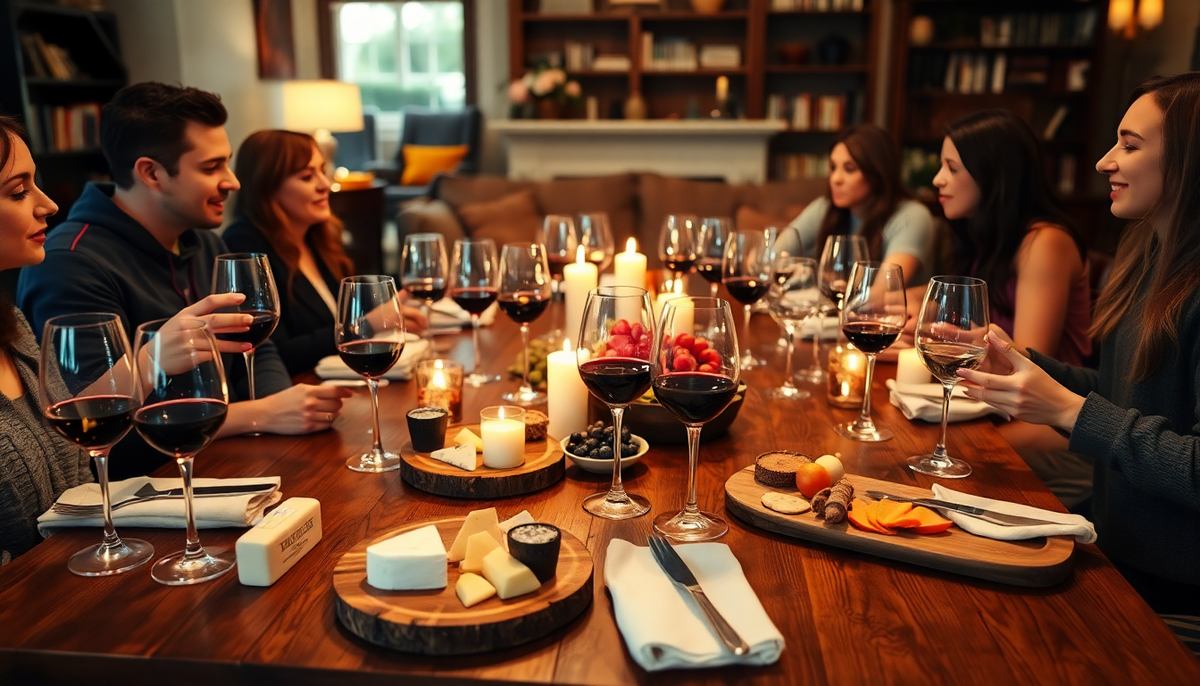
Visiting with friends or family members creates shared memories and allows you to compare tasting notes and impressions. Different people often perceive wines differently, and discussing these variations can be enlightening and entertaining. What one person identifies as blackberry, another might describe as plum, and these different perspectives enrich the experience for everyone.
Group visits also allow you to support each other's wine education. More experienced wine drinkers can help novices understand what they're tasting, while newcomers often ask questions that prompt more experienced visitors to think more deeply about their own perceptions.
Special Events and Experiences
Many McLaren Vale wineries host special events, including wine release parties, harvest celebrations, and educational seminars. These events offer enhanced experiences beyond standard cellar door tastings. Curtis Family Vineyards and other quality establishments frequently organize events that bring together wine enthusiasts for memorable celebrations.
Participating in these special events deepens your connection to the winery and provides opportunities to meet winemakers and other staff members in more relaxed settings.
Making Purchases
Most cellar door visits conclude with wine purchases. Understanding how to navigate this aspect ensures you make choices you'll enjoy.
Evaluating Your Preferences
As you taste through the lineup, pay attention to which wines resonate most with you. Don't feel obligated to purchase wines simply because they're well-regarded or because staff recommend them. Your personal preferences matter most. If you prefer lighter wines to fuller-bodied ones, or if you're drawn to specific flavor profiles, honor those preferences in your purchasing decisions.
Consider how wines will fit into your lifestyle and entertaining style. If you typically enjoy wine with weeknight dinners, lighter, more approachable wines might suit you better than complex, age-worthy bottles requiring special occasions.
Understanding Pricing
Cellar door prices typically reflect the wine's quality, production costs, and the winery's positioning in the market. Premium wineries charge more because they invest more in quality grapes, production techniques, and aging. Understanding this relationship helps you appreciate why prices vary.
Many wineries offer discounts for purchasing multiple bottles or for wine club members. These discounts can provide significant savings if you're planning to purchase several bottles. Ask about available discounts and membership benefits.
Building a Collection
If you're interested in building a wine collection, cellar door staff can provide guidance on which wines have aging potential and how long they should be cellared before drinking. Some wines are meant to be enjoyed immediately

Leave a comment
This site is protected by hCaptcha and the hCaptcha Privacy Policy and Terms of Service apply.