

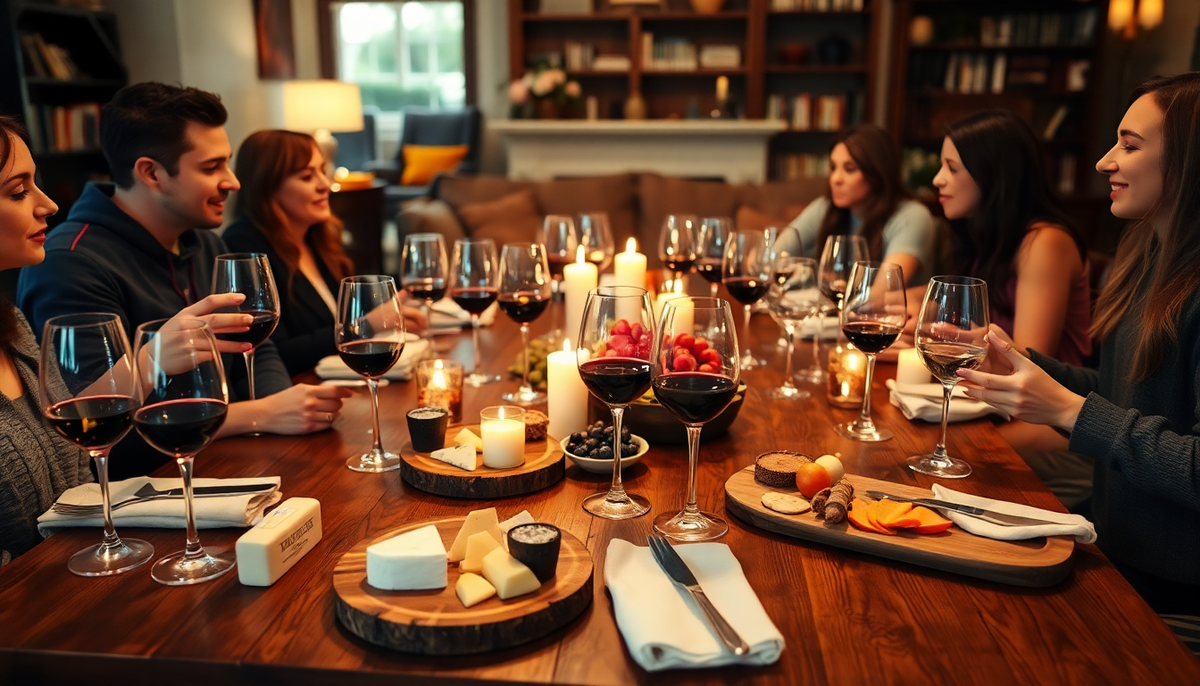
Hosting a wine tasting night at home is one of the most rewarding and enjoyable ways to explore the world of wine with friends and family. Whether you're a seasoned wine enthusiast or just beginning your journey into viticulture, organizing a wine tasting event in your own space offers a unique opportunity to learn, discover new flavors, and create lasting memories. This comprehensive guide will walk you through every aspect of planning and executing a successful wine tasting night that your guests will talk about for years to come.
Understanding the Basics of Wine Tasting
Before diving into the logistics of hosting your event, it's essential to understand what makes a wine tasting truly special. Wine tasting is more than simply drinking wine; it's a sensory experience that engages all your senses and encourages mindful appreciation of the beverage. When you host a wine tasting night, you're creating an educational and social experience that allows participants to develop their palates, learn about different wine regions and varietals, and enjoy quality time together.
The Five S's of Wine Tasting
The traditional approach to wine tasting involves five key steps that help you fully appreciate each wine. Understanding these steps will help you guide your guests through the tasting process and ensure everyone gets the most from the experience.
The first S is See. This involves observing the wine's appearance, color, and clarity. Hold the glass up to the light and examine the wine's hue, which can tell you a lot about its age and quality. Younger wines typically display brighter colors, while older wines may show more amber or brick-red tones. The clarity of the wine should be noted as well; most quality wines are clear and bright, though some natural wines may have slight sediment.
The second S is Swirl. Gently rotating the wine in your glass aerates it and releases aromatic compounds. This simple action allows the wine's bouquet to develop and become more pronounced. As you swirl, you'll notice the wine coating the sides of the glass, leaving behind what wine enthusiasts call "legs" or "tears." These indicate the wine's alcohol content and viscosity.
The third S is Sniff. Bring the glass to your nose and take a deep breath to identify the wine's aromas. Try to identify specific scents rather than just thinking "it smells like wine." You might detect notes of berries, citrus, flowers, spices, or earth. Don't worry if you can't identify every aroma; wine tasting is a skill that develops over time.
The fourth S is Sip. Take a small amount of wine into your mouth and let it coat your palate. Try to identify the flavors, which may differ from the aromas you detected earlier. Pay attention to the wine's body, acidity, tannins, and finish. The finish is the lingering taste that remains after you've swallowed the wine.
The fifth S is Savor. Take a moment to reflect on your overall impression of the wine. Consider how all the elements you've observed come together to create the complete experience. This is also a good time to discuss your thoughts with other tasters and compare notes.
Planning Your Wine Tasting Event
Successful wine tasting nights don't happen by accident; they require thoughtful planning and attention to detail. The more preparation you do beforehand, the more smoothly your event will run and the more enjoyable it will be for everyone involved.
Setting a Date and Time
Choose a date and time that works well for your guests. Evening tastings, typically starting between 6 and 8 PM, are popular because they allow people to attend after work. However, afternoon tastings can also be wonderful, particularly on weekends. Avoid scheduling your tasting too late in the evening, as alcohol consumption on an empty stomach can lead to intoxication and diminish the tasting experience.
Consider the season when planning your event. Spring and fall often provide ideal weather for entertaining, though wine tastings can be enjoyable year-round. If you're hosting during warmer months, ensure you have adequate cooling systems in place to maintain proper wine temperatures.
Determining Your Guest List
The ideal size for a wine tasting is typically between 6 and 12 people. This number allows for intimate conversation and meaningful discussion without becoming overwhelming. If you're planning a larger gathering, consider dividing guests into smaller groups or extending the event to accommodate everyone comfortably.
When inviting guests, be clear about the nature of the event. Let them know it's a wine tasting, provide the date and time, and mention any specific dress code or theme if applicable. If you're asking guests to contribute wines or dishes, communicate this clearly in your invitation.
Selecting Your Wines
The wines you choose will set the tone for your entire event. There are several approaches you can take when selecting wines for your tasting.
One popular option is to focus on a specific region. You might choose wines exclusively from Curtis Family Vineyards or another winery you admire, allowing guests to explore the range of wines produced by a single producer. This approach helps guests understand how terroir and winemaking techniques influence the final product.
Another approach is to select wines by varietal. You could host a Pinot Noir tasting, for example, featuring different expressions of this popular grape from various regions. This allows guests to appreciate how the same grape can produce vastly different wines depending on where it's grown and how it's made.
You might also choose a theme based on price point, wine style, or a specific characteristic like "wines under $30" or "natural wines." Some hosts prefer to create a progressive tasting that moves from lighter to fuller-bodied wines, or from dry to sweet wines.
When selecting wines, aim for quality over quantity. It's better to feature five excellent wines than to serve ten mediocre ones. Consider the preferences of your guests and try to include a variety of styles to appeal to different tastes. If you have guests who don't drink alcohol, be sure to include some non-alcoholic options as well.
Creating a Tasting Order
The order in which you present wines significantly impacts the tasting experience. Generally, you should follow these guidelines:
Start with lighter, crisper wines before moving to fuller-bodied wines. White wines typically come before red wines. Dry wines should be tasted before sweet wines, as sweetness can coat the palate and make it difficult to appreciate the subtleties of subsequent dry wines. Lower alcohol wines should precede higher alcohol wines.
If you're tasting multiple wines from the same varietal or region, arrange them in a logical progression. You might start with a younger vintage and progress to older ones, or begin with wines from a cooler climate and move to warmer regions.
Preparing Your Space
Creating the right environment is crucial for a successful wine tasting. Your space should be comfortable, well-lit, and conducive to conversation and concentration.
Choosing the Right Location
Select a room in your home that's spacious enough to accommodate your guests comfortably. A dining room, living room, or even a kitchen can work well. Avoid areas with strong cooking smells, as these can interfere with your ability to smell and taste the wines properly. If you have a wine cellar or temperature-controlled room, this is ideal, but not necessary.
Ensure the space has adequate lighting. Natural light is preferable for examining wine colors, but if you're hosting in the evening, make sure you have good artificial lighting as well. Avoid harsh fluorescent lights, which can make it difficult to see wine colors accurately. Soft, warm lighting creates a more pleasant atmosphere.
Setting Up Your Tasting Station
Designate a specific area where you'll present and serve the wines. This could be a table, counter, or sideboard. Arrange your wines in the order you'll be tasting them, keeping them at appropriate temperatures. White wines and rosés should be chilled to between 45 and 55 degrees Fahrenheit, while red wines are best served at 60 to 65 degrees Fahrenheit.
Have all your necessary supplies organized and easily accessible. You'll need wine glasses, water glasses, napkins, a bucket or pitcher for spitting out wine if guests prefer not to swallow everything, and a water pitcher for rinsing palates between tastings. Some hosts also provide bread or crackers to cleanse the palate, though water is typically sufficient.
Temperature Control
Proper temperature management is essential for wine tasting. Wines served at incorrect temperatures won't taste their best. If you're serving multiple wines at different temperatures, you might need to use ice buckets for white wines and ensure red wines are at room temperature.
If your home tends to be warm, consider chilling your glasses in the freezer for 15 minutes before the tasting begins. This helps keep white wines at the proper temperature longer. For red wines, you can use wine sleeves or simply allow them to warm slightly in the glass as they're consumed.
Gathering Essential Supplies
Beyond the wines themselves, you'll need various supplies to conduct a proper tasting. Having everything prepared in advance ensures your event runs smoothly.
Glassware
Invest in proper wine glasses for your tasting. Ideally, use ISO standard tasting glasses, which are specifically designed for wine evaluation. These glasses have a tulip shape that concentrates aromas and allows you to observe the wine's color and clarity easily. If you don't have tasting glasses, use regular wine glasses, but avoid novelty glasses or stemware that's too small or oddly shaped.
Plan for at least two glasses per person—one for white wines and one for red wines. Having separate glasses prevents flavor contamination between different wine styles. If you're tasting many wines, you might want to have additional glasses available so guests can compare wines side by side.
Water and Palate Cleansers
Provide plenty of still water for your guests to drink between tastings. This helps cleanse the palate and keeps everyone hydrated. Some people prefer sparkling water, so you might offer both options. Avoid serving water that's too cold, as extreme temperatures can numb the palate.
Neutral palate cleansers like unsalted crackers, plain bread, or apple slices can help reset the palate between wines. These should be mild and not strongly flavored, as you don't want them to interfere with the wine tasting. Avoid cheese, cured meats, or heavily seasoned foods during the tasting itself, as these can overpower the wines' subtle flavors.
Tasting Notes and Materials
Provide your guests with tasting note sheets and pens. These sheets should include space for guests to record their observations about each wine's appearance, aroma, flavor, and overall impression. Tasting notes help guests engage more deeply with the wines and provide a record of their experience.
You might create simple note sheets with lines for each wine, or you could use more detailed forms that guide guests through the tasting process. Some hosts prefer to keep things informal and simply encourage conversation rather than written notes.
Spittoon or Dump Bucket
While not always necessary, having a spittoon or dump bucket available is a thoughtful touch. Some guests may prefer not to swallow every wine they taste, particularly if there are many wines to sample. A simple bucket or pitcher works well for this purpose. Place it discreetly but accessibly so guests can use it without drawing attention.
Preparing Food Pairings
While wine tasting can be enjoyed on its own, thoughtful food pairings enhance the experience and provide sustenance for your guests.
Light Appetizers
Serve light appetizers that complement your wines without overwhelming them. Good options include:
Cheese and charcuterie boards featuring mild cheeses and cured meats. Avoid strongly flavored cheeses that might dominate the wines' subtle flavors. Aged cheddar, brie, gouda, and prosciutto are excellent choices.
Nuts and dried fruits provide texture and subtle flavors that pair well with many wines. Almonds, walnuts, and dried apricots are particularly good options.
Bread and crackers offer a neutral base that helps cleanse the palate between tastings. Serve plain or lightly salted varieties.
Olives, both green and black, provide a briny flavor that pairs beautifully with many wines, particularly whites and rosés.
Fresh fruits like grapes, berries, and apple slices offer refreshing palate cleansers and complement many wine styles.
Timing Your Food Service
Consider when to serve food during your tasting. Some hosts prefer to serve appetizers before the tasting begins, allowing guests to enjoy food while learning about the wines. Others serve food throughout the tasting, making it available as guests wish. A third approach is to serve a more substantial meal after the tasting concludes, allowing guests to enjoy the wines on a relatively empty palate during the formal tasting portion.
If you're serving a full meal, keep it simple and avoid heavily spiced or strongly flavored dishes that might interfere with wine appreciation. Pasta dishes, roasted vegetables, grilled chicken, and fish are all excellent choices that pair well with most wines.
Creating an Educational Experience
One of the most rewarding aspects of hosting a wine tasting is the opportunity to educate your guests about wine. Even if you're not an expert yourself, you can create an engaging learning experience.
Researching Your Wines
Before your tasting, spend time learning about each wine you'll be serving. Research the winery, the vintage, the grape varietals, and the region where the wine was produced. Understanding the winemaking process, the climate conditions of the vintage year, and the producer's philosophy will give you interesting information to share with your guests.
Read tasting notes from wine critics and other sources, but remember that these are just suggestions. Your own tasting experience and that of your guests is equally valid. Wine appreciation is subjective, and there's no single "correct" way to taste a wine.
Preparing Talking Points
Develop brief talking points for each wine that you can share with your guests. These might include:
Information about the winery or producer, including their history and philosophy.
Details about the grape varietals used, including their characteristics and growing requirements.
Information about the region where the wine was produced, including climate, soil, and other factors that influence the wine's character.
The vintage year and any notable weather conditions that affected that year's harvest.
Suggested food pairings and serving suggestions.
The winemaker's intended style and any special techniques used in production.
Keep your presentations brief and conversational. You want to provide interesting information without lecturing your guests. Encourage questions and discussion, and be honest if you don't know something. Wine tasting is a learning experience for everyone, including the host.
Encouraging Discussion
Create an atmosphere where guests feel comfortable sharing their thoughts and observations. Ask open-ended questions like "What aromas do you detect?" or "How would you describe the wine's body?" rather than leading questions that suggest a particular answer.
Acknowledge that everyone's tasting experience is valid. If one guest detects cherry flavors while another tastes plum, both observations are correct. Our individual sensory experiences and memories influence how we perceive flavors and aromas.
Encourage guests to compare their notes and discuss their impressions. These conversations often lead to interesting discoveries and help everyone develop their tasting skills.
Executing Your Wine Tasting
When the day of your event arrives, proper execution ensures everything runs smoothly and your guests have a wonderful experience.
Greeting Your Guests
Welcome your guests warmly and help them feel comfortable. Offer them a glass of water and explain the format of the evening. Let them know how many wines you'll be tasting, approximately how long the tasting will take, and whether you'll be serving food during or after the tasting.
If some guests are new to wine tasting, reassure them that there's no pressure to be an expert. Emphasize that wine tasting is about enjoyment and exploration, not about having the "right" answers.
Presenting Each Wine
When you're ready to begin, present the first wine. Start by showing the bottle and sharing basic information about it. You might mention the producer, the region, the grape varietals, and the vintage year. Then pour a small amount—about two ounces—into each guest's glass.
Guide your guests through the tasting process using the five S's. Ask them to observe the wine's color and clarity, then swirl their glasses gently. Encourage them to smell the wine and identify aromas. Then invite them to take a sip and notice the flavors, body, acidity, and finish.
Allow time for guests to form their own impressions before sharing your thoughts. This ensures their tasting experience isn't influenced by your suggestions. After everyone has had a chance to taste and reflect, you can share your observations and any interesting facts about the wine.
Managing the Pace
Keep the tasting moving at a comfortable pace. Spend about 10 to 15 minutes on each wine, allowing time for tasting, discussion, and note-taking. If your guests are particularly engaged with a wine, allow extra time for discussion. If energy is flagging, you might move more quickly through subsequent wines.
Between wines, encourage guests to drink water and cleanse their palates. This ensures each wine is tasted with a fresh palate and prevents flavors from previous wines from influencing your perception of the current wine.
Handling Difficult Situations
Despite your best planning, unexpected situations may arise. If a guest doesn't like a particular wine, acknowledge their opinion respectfully. Wine preferences are personal, and not everyone will enjoy every wine. Use it as an opportunity to discuss why they didn't enjoy it and what characteristics they prefer in wines.
If a guest becomes intoxicated, gently suggest they slow down or switch to water. You might also offer food to help slow alcohol absorption. It's your responsibility as host to ensure everyone's safety and comfort.

Leave a comment
This site is protected by hCaptcha and the hCaptcha Privacy Policy and Terms of Service apply.