

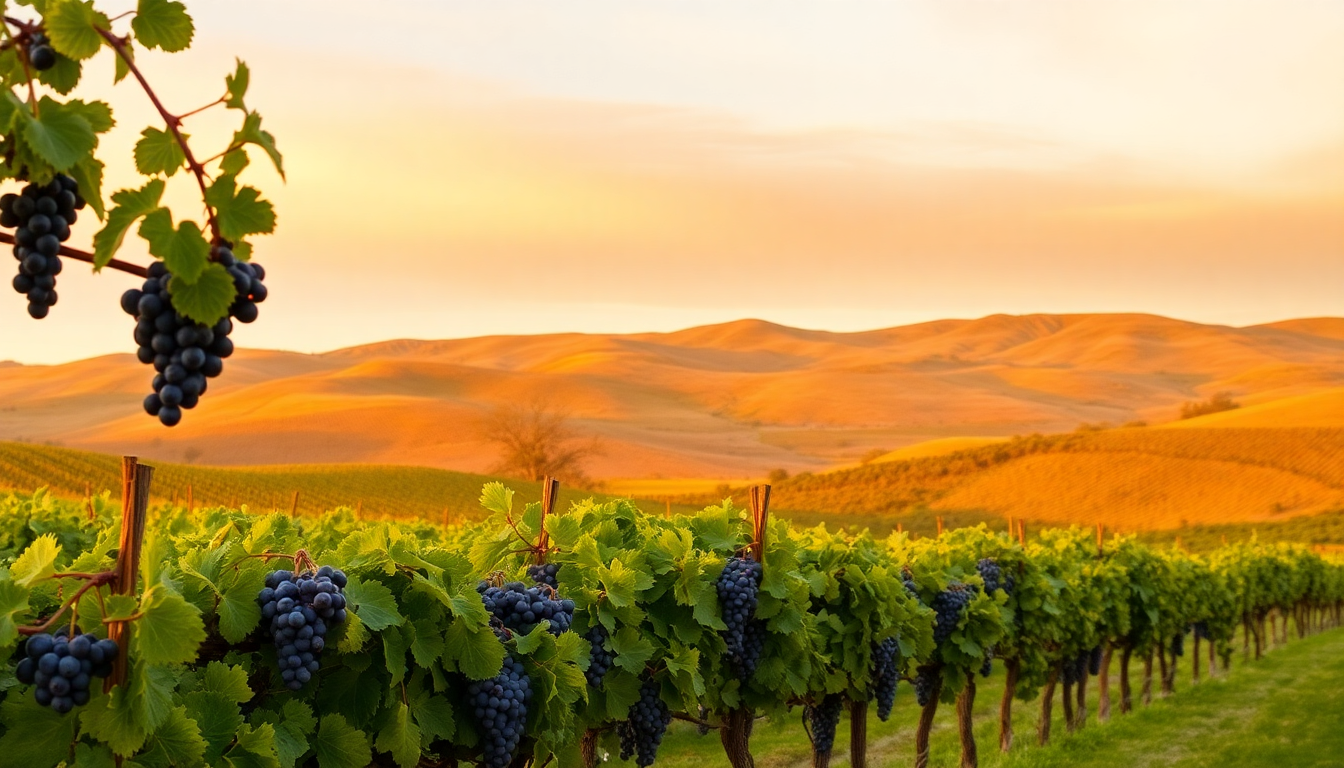
When it comes to Australian Shiraz, two regions stand out as titans in the wine world: McLaren Vale and the Barossa Valley. Both produce exceptional wines that have gained international recognition and devoted followings among wine enthusiasts. However, despite their geographical proximity within South Australia, these two regions create distinctly different expressions of Shiraz that reflect their unique terroir, climate, and winemaking philosophies. Understanding these differences not only enhances your appreciation of Australian wine but also helps you make more informed choices when selecting a bottle for your table.
At Curtis Family Vineyards, we've spent considerable time studying and appreciating the nuances that distinguish McLaren Vale Shiraz from its Barossa counterpart. This exploration has deepened our understanding of how geography, climate, soil composition, and winemaking techniques combine to create wines with unique characteristics. In this comprehensive guide, we'll explore the fascinating differences between these two iconic Australian wine regions and their signature Shiraz styles.
Understanding the Geographic and Climatic Differences
The foundation of any wine's character begins with where it's grown. McLaren Vale and the Barossa Valley, while both located in South Australia, occupy distinctly different geographic positions that profoundly influence the grapes they produce.
McLaren Vale's Coastal Influence
McLaren Vale is situated approximately 40 kilometers south of Adelaide, positioned between the Mount Lofty Ranges and the Gulf of St. Vincent. This proximity to the ocean creates a maritime climate that significantly influences the region's wine production. The cooling effect of the ocean breezes moderates temperatures throughout the growing season, preventing the extreme heat that can sometimes overwhelm other regions.
The region experiences a Mediterranean climate characterized by warm, dry summers and mild winters. However, the coastal influence means that temperatures rarely reach the extreme highs found in inland regions. Average January temperatures in McLaren Vale hover around 21-22 degrees Celsius, while the ocean provides a natural air conditioning system that becomes increasingly important as the growing season progresses.
This moderate climate allows grapes to ripen more gradually, developing complex flavors while maintaining natural acidity. The extended growing season means that Shiraz grapes can achieve optimal ripeness without becoming overripe, resulting in wines with better balance and freshness.
The Barossa Valley's Continental Climate
In contrast, the Barossa Valley, located approximately 60 kilometers northeast of Adelaide, sits in a more continental climate zone. The valley is sheltered from coastal influences by the Mount Lofty Ranges, creating a warmer, drier environment. Average January temperatures in the Barossa can reach 22-23 degrees Celsius, but more importantly, the region experiences greater temperature extremes and less moderating influence from ocean breezes.
The Barossa Valley's continental climate means that grapes ripen faster and often achieve higher sugar levels. The region's elevation varies, with some vineyards positioned at higher altitudes that provide some cooling influence, but overall, the Barossa is a warmer region than McLaren Vale. This warmth has historically made the Barossa ideal for producing riper, more fruit-forward wines.
Soil Composition and Terroir
Beyond climate, the soil composition of each region plays a crucial role in shaping the character of the wines produced there.
McLaren Vale's Diverse Soil Profile
McLaren Vale boasts remarkable soil diversity across its relatively compact area. The region features a complex mosaic of soil types, including red loams, sandy loams, clay loams, and limestone-based soils. This diversity means that different vineyard sites can produce distinctly different expressions of Shiraz, even within the same region.
The presence of limestone and calcrete in many McLaren Vale vineyards influences the mineral character of the wines. These soils tend to produce wines with more pronounced minerality and a distinctive chalky or flinty character. The sandy and loamy soils in other parts of the region allow for good drainage, which helps prevent waterlogging during the region's occasional wet periods.
The red volcanic soils found in some McLaren Vale vineyards contribute to wines with particular elegance and structure. These soils, rich in iron oxide, are believed to impart certain mineral qualities that enhance the complexity of the wines produced from them.
Barossa Valley's Consistent Soil Character
The Barossa Valley, by contrast, features more consistent soil types across the region. The valley floor and lower slopes are characterized by red loams and clay loams, while the higher elevations feature more sandy soils. The consistency of soil types across the region contributes to a more uniform style of Shiraz, though individual vineyard sites still produce variations.
The Barossa's soils are generally deeper and richer in organic matter than McLaren Vale's, which can contribute to the region's tendency toward riper, more voluptuous wines. The clay content in many Barossa soils helps retain moisture, which can be beneficial during dry periods but requires careful management to prevent excessive vigor in the vines.
Climate Patterns and Growing Season Dynamics
The differences in climate between these two regions extend beyond simple temperature averages. The patterns of temperature variation throughout the growing season significantly influence how grapes develop and ripen.
McLaren Vale's Moderate Growing Season
In McLaren Vale, the growing season is characterized by gradual temperature increases and consistent moderating influences from the ocean. Spring arrives gently, with temperatures gradually warming as the season progresses. This gentle warming allows for even bud break and consistent flowering, reducing the risk of frost damage or uneven fruit set.
Throughout the summer months, ocean breezes provide regular cooling, preventing the extreme heat spikes that can stress vines and accelerate ripening. These cooling breezes are particularly important in the afternoon, when temperatures would otherwise reach their peaks. The result is a growing season where grapes ripen steadily but not excessively, allowing for the development of complex flavors and the retention of natural acidity.
Autumn in McLaren Vale tends to be mild and extended, allowing for a longer ripening period. This extended season means that winemakers have greater flexibility in determining harvest timing, allowing them to pick grapes at optimal ripeness rather than being forced to harvest quickly due to approaching bad weather or excessive heat.
Barossa Valley's Intense Growing Season
The Barossa Valley's growing season is more intense and compressed. Spring temperatures rise more quickly, leading to earlier bud break and flowering. While this earlier start to the season can be advantageous in some years, it also increases the risk of frost damage if late spring frosts occur.
Summer in the Barossa is hot and intense, with temperatures regularly exceeding those in McLaren Vale. The lack of coastal moderation means that heat spikes are more pronounced and more frequent. While Shiraz vines are well-adapted to warm conditions, the intensity of Barossa heat can push ripening to occur more quickly, sometimes before optimal flavor complexity has developed.
The Barossa's autumn is typically shorter and drier than McLaren Vale's, which can be advantageous for achieving full ripeness but leaves less room for extended ripening periods. Winemakers in the Barossa often face the decision of harvesting ripe fruit before potential rain or other adverse weather conditions arrive.
Rainfall and Water Availability
Water availability is another critical factor that distinguishes these two regions and influences the character of their wines.
McLaren Vale's Moisture Patterns
McLaren Vale receives approximately 550-650 millimeters of annual rainfall, distributed relatively evenly throughout the year. While the region experiences dry summers, the ocean's moderating influence and occasional summer storms provide some moisture relief. The region's proximity to the Gulf of St. Vincent also means that morning fogs and dews are common, providing some moisture to the vines during the growing season.
This relatively consistent moisture availability allows vines to maintain steady growth and development throughout the season. The moderate water stress that occurs during dry periods encourages deeper root growth without causing excessive stress that would compromise fruit quality.
Barossa Valley's Drier Conditions
The Barossa Valley receives approximately 500-550 millimeters of annual rainfall, slightly less than McLaren Vale. More importantly, the Barossa's rainfall is more concentrated in winter months, with summers being significantly drier. This creates a more pronounced dry season during the critical ripening period.
The drier conditions in the Barossa can lead to greater water stress on the vines, which can be beneficial in moderation as it concentrates flavors and reduces excessive vigor. However, in particularly dry years, this water stress can become excessive, requiring careful irrigation management to maintain vine health and fruit quality.
Grape Ripeness and Sugar Levels
The differences in climate and growing conditions between McLaren Vale and the Barossa Valley result in distinctly different ripeness profiles for Shiraz grapes harvested from each region.
McLaren Vale's Balanced Ripeness
McLaren Vale Shiraz typically achieves ripeness at slightly lower sugar levels than Barossa fruit. This doesn't mean the fruit is underripe; rather, it means that optimal flavor complexity is achieved before sugar levels become excessively high. Typical harvest Brix levels in McLaren Vale range from 13.5 to 14.5 percent alcohol potential, though some premium fruit may reach 15 percent.
This moderate ripeness level allows for the development of complex secondary flavors while maintaining the natural acidity that provides structure and freshness to the wine. The result is a wine that feels balanced and elegant, with ripe fruit flavors complemented by mineral and spice notes.
Barossa Valley's Riper Fruit
Barossa Valley Shiraz typically achieves higher sugar levels at harvest, with Brix levels often ranging from 14.5 to 15.5 percent alcohol potential, and premium fruit sometimes exceeding 15.5 percent. This higher ripeness level reflects the region's warmer climate and the winemakers' philosophy of harvesting fully ripe fruit.
The higher sugar levels in Barossa fruit result in wines with higher alcohol content and riper, more voluptuous fruit flavors. While this style has many admirers, it also means that the wines tend to be more fruit-forward and less focused on mineral or herbal complexity.
Flavor Profile Differences
The culmination of all these environmental and viticultural factors results in distinctly different flavor profiles for McLaren Vale and Barossa Shiraz.
McLaren Vale's Elegant Expression
McLaren Vale Shiraz is characterized by a more elegant, refined expression of the variety. The wines typically display dark berry fruits—blackberry, plum, and dark cherry—but these are balanced with mineral notes, peppery spice, and sometimes herbal or leafy undertones. The moderate ripeness and retained acidity give these wines a sense of freshness and vibrancy.
The mineral character is particularly distinctive in McLaren Vale Shiraz, reflecting the region's limestone and calcrete soils. This minerality adds complexity and sophistication, creating wines that reward contemplation and food pairing. The peppery spice notes, derived from the Shiraz variety itself, are often more pronounced in McLaren Vale wines, adding another layer of complexity.
Many McLaren Vale Shiraz wines display secondary flavors of licorice, anise, and sometimes even floral notes. These complex flavors develop during ripening and are preserved by the moderate climate that allows for gradual flavor development without excessive heat stress.
Barossa Valley's Voluptuous Expression
Barossa Valley Shiraz, by contrast, presents a more voluptuous, fruit-forward expression of the variety. The wines are typically dominated by ripe dark fruit flavors—blackberry, plum, and dark cherry—with these fruit flavors taking center stage. The higher alcohol content and riper fruit create wines that feel fuller-bodied and more powerful on the palate.
While Barossa Shiraz certainly displays complexity, this complexity is often secondary to the primary fruit expression. The wines may show notes of licorice, chocolate, and spice, but these tend to be integrated into the overall fruit-forward profile rather than standing as distinct flavor elements.
The higher alcohol content in Barossa Shiraz contributes to a warmer, more voluptuous mouthfeel. These wines often display a richness and intensity that appeals to many wine drinkers, particularly those who enjoy full-bodied, fruit-driven wines.
Tannin Structure and Texture
The tannin structure of wines from these two regions differs significantly, reflecting both the ripeness of the fruit and the winemaking philosophies employed.
McLaren Vale's Refined Tannins
McLaren Vale Shiraz typically displays fine-grained, elegant tannins. The moderate ripeness of the fruit means that the tannins achieve good maturity without becoming excessively ripe or soft. These tannins provide structure and aging potential without overwhelming the palate with astringency.
The texture of McLaren Vale Shiraz on the palate is typically smooth and refined, with the tannins integrating seamlessly with the fruit and acidity. The wines often display a silky mouthfeel that belies their complexity and structure. This refined texture makes McLaren Vale Shiraz particularly appealing for food pairing, as the wines don't overpower delicate dishes.
Barossa Valley's Powerful Tannins
Barossa Valley Shiraz typically displays more powerful, assertive tannins. The higher ripeness of the fruit means that the tannins are often very ripe, contributing to a softer, more voluptuous mouthfeel. However, the sheer concentration of fruit in Barossa Shiraz means that the tannins are substantial and provide significant structure.
The texture of Barossa Shiraz on the palate is typically fuller and more powerful than McLaren Vale Shiraz. The wines often display a rich, velvety mouthfeel that comes from the combination of ripe tannins, high alcohol, and concentrated fruit. This powerful texture appeals to those who enjoy wines with significant presence and impact on the palate.
Acidity Levels and Freshness
Acidity plays a crucial role in the character and aging potential of wine, and the differences in acidity between McLaren Vale and Barossa Shiraz are significant.
McLaren Vale's Preserved Acidity
McLaren Vale Shiraz typically retains higher natural acidity than Barossa Shiraz. The moderate climate and gradual ripening process allow grapes to achieve optimal ripeness while maintaining the acidity that develops during the growing season. Typical titratable acidity levels in McLaren Vale Shiraz range from 6.5 to 7.5 grams per liter.
This higher acidity provides several benefits. First, it contributes to the sense of freshness and vibrancy that characterizes McLaren Vale Shiraz. Second, it provides better balance with the fruit and alcohol, preventing the wines from feeling flabby or one-dimensional. Third, the higher acidity contributes to better aging potential, as acidity acts as a natural preservative that helps wines develop complexity over time.
Barossa Valley's Lower Acidity
Barossa Valley Shiraz typically displays lower natural acidity, with titratable acidity levels often ranging from 5.5 to 6.5 grams per liter. The warmer climate and faster ripening process mean that acidity is consumed more quickly as the grapes ripen, resulting in lower final acidity levels.
While lower acidity doesn't necessarily indicate inferior wine, it does result in a different character. Barossa Shiraz tends to feel richer and more voluptuous on the palate, with less of the crisp, fresh quality that characterizes McLaren Vale wines. The lower acidity also means that these wines are often best enjoyed in their youth, as the acidity that would help them age gracefully is less pronounced.
Winemaking Philosophies and Techniques
Beyond the natural differences created by climate and terroir, the winemaking philosophies and techniques employed in each region contribute to the distinctive styles of Shiraz produced.
McLaren Vale's Balanced Approach
Winemakers in McLaren Vale tend to embrace a philosophy that emphasizes balance and elegance. The region's natural advantages—moderate ripeness, retained acidity, and mineral character—are seen as assets to be preserved and highlighted rather than masked or altered.
Many McLaren Vale winemakers employ relatively gentle extraction techniques, using shorter maceration periods and lower fermentation temperatures to preserve the delicate flavors and aromas that develop in the region's moderate climate. The use of whole-bunch fermentation is common, as it can add complexity and preserve freshness.
Oak aging in McLaren Vale is often more restrained than in the Barossa, with many winemakers using a combination of new and older oak to add complexity without overwhelming the wine's natural character. The emphasis is on allowing the fruit and terroir to shine through, with oak playing a supporting rather than starring role.
Barossa Valley's Extraction-Focused Approach
Winemakers in the Barossa Valley tend to embrace a philosophy that emphasizes extraction and power. The region's ripe fruit is seen as an asset to be fully expressed, with winemaking techniques designed to maximize extraction and concentration.
Barossa winemakers often employ more aggressive extraction techniques, including longer maceration periods, higher fermentation temperatures, and more extensive use of new oak. These techniques are designed to maximize the extraction of color, tannins, and flavor compounds from the grape skins, resulting in wines with greater concentration and power.
The use of new oak is more prevalent in Barossa Shiraz, with many winemakers using 50-100 percent new oak to add vanilla, spice, and toasted notes that complement the wine's ripe fruit character. This oak-forward approach has become somewhat iconic of the Barossa style, though some winemakers are moving toward more restrained oak usage.



Leave a comment
This site is protected by hCaptcha and the hCaptcha Privacy Policy and Terms of Service apply.