

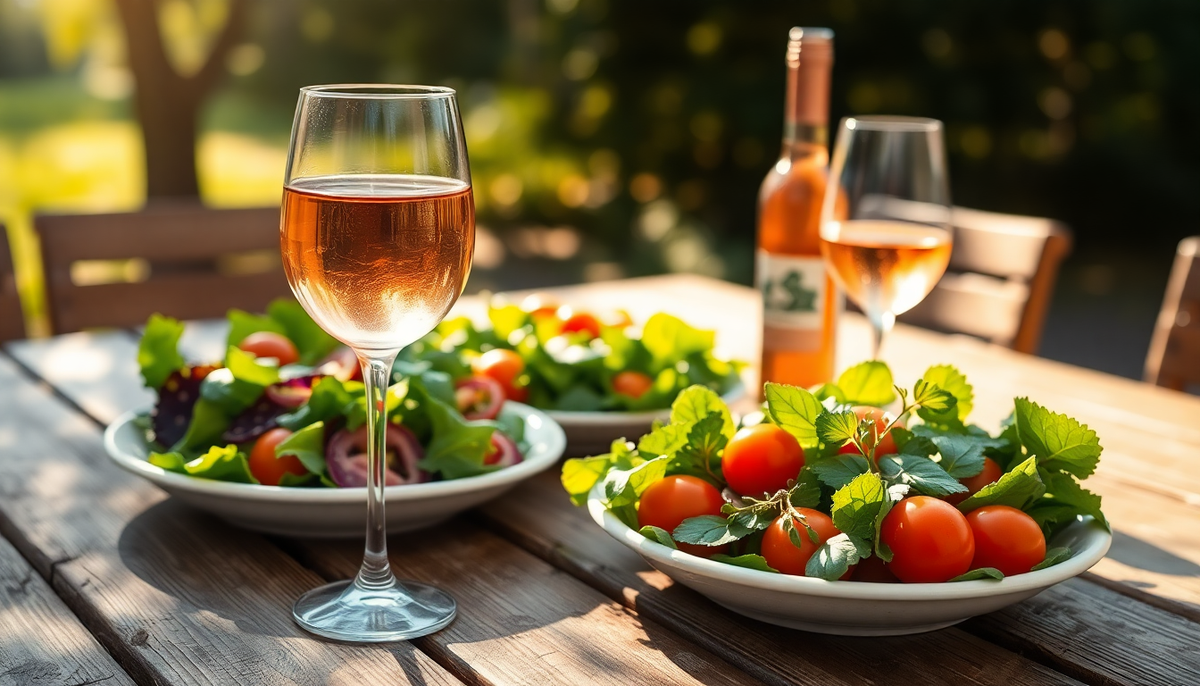
When the warm summer sun beats down and the temperature rises, there's nothing quite like reaching for a chilled glass of rosé wine. This delightful pink wine has become synonymous with summer entertaining, casual outdoor gatherings, and leisurely meals enjoyed in the sunshine. At Curtis Family Vineyards, we understand that rosé is more than just a refreshing beverage—it's a versatile companion to some of the season's most delicious culinary creations. In this comprehensive guide, we'll explore the nuances of pairing rosé with summer salads and light meals, helping you discover why this wine has captured the hearts of wine enthusiasts and casual drinkers alike.
Understanding Rosé Wine
Before we dive into the specifics of pairing, it's essential to understand what makes rosé wine unique and why it's so well-suited to summer dining. Rosé wine is produced from red wine grapes, but unlike red wine, the grape skins are removed early in the fermentation process. This brief contact with the skins gives rosé its characteristic pink color, ranging from pale salmon to deeper coral hues, depending on the grape variety and how long the skins remain in contact with the juice.
The production method results in a wine that sits beautifully between white and red wines in terms of flavor profile and characteristics. Rosé typically exhibits the freshness and acidity of white wines while incorporating some of the fruit-forward characteristics of red wines. This unique positioning makes rosé exceptionally versatile when it comes to food pairing.
The Flavor Profile of Rosé
Rosé wines from Curtis Family Vineyards showcase a delightful array of flavors that make them perfect for summer entertaining. You'll typically find notes of strawberry, watermelon, citrus, and sometimes even tropical fruits like pineapple and mango. The acidity in rosé is usually crisp and refreshing, with alcohol content typically ranging from 11 to 13 percent, making it lighter than many red wines.
The beauty of rosé lies in its approachability. It doesn't demand the same level of contemplation as a complex Burgundy or Bordeaux, yet it offers enough complexity to be genuinely interesting. This balance makes it perfect for casual summer meals where the focus is on enjoying good food, good wine, and good company.
The Summer Salad Renaissance
Summer salads have evolved far beyond the simple iceberg lettuce and tomato combinations of decades past. Today's summer salads are vibrant, colorful, and packed with fresh seasonal ingredients that celebrate the bounty of the season. From grain-based salads to vegetable-forward compositions, modern summer salads are culinary creations worthy of pairing with quality wine.
Classic Green Salads
A simple green salad with fresh lettuce, herbs, and a light vinaigrette is a timeless summer staple. When pairing with rosé, the key is considering the vinaigrette's acidity and flavor profile. A salad dressed with a delicate lemon vinaigrette pairs beautifully with a crisp, dry rosé. The citrus notes in both the dressing and the wine create a harmonious relationship that enhances both elements.
For green salads with creamy dressings like Caesar or ranch, you might opt for a slightly richer rosé with more body. The wine's acidity will cut through the richness of the dressing while the fruit notes complement the herbs and vegetables.
Tomato-Based Salads
Tomatoes are quintessential summer ingredients, and tomato-based salads are among the most popular warm-weather dishes. A classic Caprese salad with fresh mozzarella, basil, and tomatoes is an absolute dream pairing with rosé. The wine's acidity complements the acidity of the tomatoes, while its delicate fruit notes don't overpower the subtle flavors of fresh mozzarella and basil.
A more robust tomato salad with additional vegetables like cucumbers, red onions, and bell peppers also pairs wonderfully with rosé. The wine's refreshing nature cleanses the palate between bites, making each forkful taste as fresh as the first.
Grain and Legume Salads
Quinoa salads, couscous bowls, and lentil salads have become increasingly popular as people seek more substantial salad options. These grain-based salads often incorporate vegetables, herbs, and sometimes nuts or seeds. When pairing with rosé, consider the specific ingredients and dressing.
A Mediterranean-inspired grain salad with olives, feta cheese, and fresh herbs pairs excellently with a dry rosé. The wine's acidity balances the saltiness of the olives and cheese, while its fruit notes complement the herbs. If your grain salad includes citrus in the dressing, you've found a perfect match for a crisp rosé.
Fruit-Based Salads
Summer fruit salads, particularly those that combine greens with fresh berries, stone fruits, or melons, create interesting pairing opportunities with rosé. A salad featuring strawberries, spinach, and a light balsamic vinaigrette is particularly lovely with a strawberry-forward rosé. The wine echoes the fruit flavors in the salad, creating a cohesive and delightful experience.
Salads incorporating peaches, nectarines, or apricots also pair beautifully with rosé. The stone fruit flavors in the salad find their counterpart in the wine, creating a natural affinity that makes both components taste better.
Light Meals Beyond Salads
While salads are certainly a summer staple, rosé's versatility extends to numerous other light meals perfect for warm weather dining. These dishes share the characteristic of being fresh, not overly heavy, and often featuring seasonal ingredients.
Seafood Preparations
Rosé wine has a natural affinity with seafood, making it an excellent choice for light fish and shellfish dishes. A delicate white fish like flounder or sole, prepared simply with lemon and herbs, is a classic pairing with dry rosé. The wine's acidity enhances the delicate flavors of the fish without overwhelming them.
Shrimp dishes, whether grilled, sautéed, or served cold in a salad, pair wonderfully with rosé. The wine's fruit notes complement the slightly sweet flavor of shrimp, while its acidity cuts through any richness from butter or oil used in preparation.
Ceviche, the South American dish of raw fish cured in citrus juice, is an inspired pairing with rosé. The wine's acidity mirrors the citrus in the dish, and its refreshing nature complements the bright, fresh flavors of this light preparation.
Grilled or baked scallops, particularly when served with a light sauce or simply with herbs and lemon, are excellent with rosé. The delicate sweetness of scallops finds a perfect match in the wine's fruit-forward profile.
Poultry Dishes
Light chicken preparations are ideal for summer entertaining and pair beautifully with rosé. A simple grilled chicken breast with herbs, served alongside fresh vegetables, is a classic pairing. The wine's acidity complements the lean protein while its fruit notes add interest to the meal.
Chicken salads, whether served on greens or in a sandwich, pair well with rosé. The wine's refreshing nature makes it perfect for these lighter poultry preparations that are popular during warm months.
Turkey, particularly ground turkey in lighter preparations, also works well with rosé. A turkey burger topped with fresh vegetables and a light sauce is an excellent casual pairing with a chilled glass of rosé.
Vegetable-Forward Dishes
Summer vegetables deserve their moment in the spotlight, and rosé is an excellent wine to accompany vegetable-forward dishes. Grilled vegetables like zucchini, eggplant, bell peppers, and asparagus, when prepared simply with olive oil and herbs, pair beautifully with rosé.
Vegetable-based pasta dishes, particularly those with light tomato sauces or olive oil-based preparations, are wonderful with rosé. A pasta primavera featuring fresh summer vegetables is an ideal pairing. The wine's acidity complements the vegetables while its fruit notes add complexity to the meal.
Ratatouille, the classic French vegetable stew, is an excellent pairing with rosé. The wine's acidity balances the richness of the olive oil, while its fruit notes complement the various vegetables in this rustic dish.
Cheese and Charcuterie
A summer cheese board featuring fresh cheeses, cured meats, and fresh fruits is a perfect vehicle for rosé. The wine's acidity pairs well with both soft and hard cheeses, while its fruit notes complement cured meats and fresh fruits on the board.
Fresh mozzarella, goat cheese, and ricotta are particularly lovely with rosé. The wine's delicate nature doesn't overpower these subtle cheeses, allowing their flavors to shine. Harder cheeses like aged Gouda or Gruyère also work well, with the wine's acidity cutting through the richness.
Prosciutto, serrano ham, and other cured meats are classic pairings with rosé. The wine's fruit notes complement the salty, savory flavors of these meats, while its acidity cleanses the palate between bites.
The Science Behind Successful Pairings
Understanding the principles behind successful wine and food pairings can help you make excellent choices even with unfamiliar dishes. Several key factors influence how wine and food interact on the palate.
Acidity and Balance
Acidity is one of the most important factors in wine and food pairing. Rosé wines typically have good acidity, which makes them excellent for pairing with acidic foods like tomatoes, citrus, and vinegar-based dressings. When the acidity levels are similar, the wine and food enhance each other rather than competing.
This principle explains why a tomato-based salad with a vinaigrette pairs so beautifully with rosé. The acidity in the wine mirrors the acidity in the food, creating a harmonious balance that makes both taste better.
Flavor Echoing
Flavor echoing occurs when the wine and food share similar flavor notes. A strawberry-forward rosé paired with a salad containing strawberries is an example of flavor echoing. The shared fruit notes create a sense of cohesion and harmony that enhances the overall dining experience.
This principle doesn't require exact matches. A rosé with citrus notes pairs well with dishes featuring lemon or lime, even if the specific citrus fruit isn't identical. The general flavor family creates the connection.
Complementary Flavors
While flavor echoing involves shared notes, complementary flavors involve different notes that work well together. The slight sweetness often found in rosé complements savory elements in food. A rosé with stone fruit notes pairs beautifully with herbs like basil or mint, creating an interesting flavor combination that's greater than the sum of its parts.
Weight and Body
The weight and body of a wine should generally match the weight and richness of the food. Lighter rosés pair better with delicate salads and light fish preparations, while fuller-bodied rosés can handle slightly richer dishes like creamy dressings or butter-based sauces.
Curtis Family Vineyards produces rosés in various styles, from very light and delicate to slightly fuller-bodied options, allowing you to find the perfect match for your specific dish.
Specific Pairing Recommendations from Curtis Family Vineyards
At Curtis Family Vineyards, we've carefully crafted our rosé selections to offer versatility for summer entertaining. Here are some specific pairing recommendations based on our wine styles.
Light and Delicate Rosés
Our lightest rosés, with their pale salmon color and delicate fruit profile, are perfect for the most delicate summer dishes. These wines showcase subtle strawberry and citrus notes with crisp acidity.
These rosés are ideal for:
- Simple green salads with lemon vinaigrette
- Delicate white fish preparations
- Fresh mozzarella and tomato dishes
- Light vegetable preparations
- Ceviche and other raw fish preparations
Medium-Bodied Rosés
Our medium-bodied rosés offer more fruit-forward profiles with notes of strawberry, watermelon, and sometimes tropical fruits. These wines have good acidity but slightly more body than our lightest options.
These rosés pair beautifully with:
- Grain and legume salads
- Grilled chicken dishes
- Shrimp preparations
- Vegetable-based pasta dishes
- Cheese boards with a variety of cheeses
Fuller-Bodied Rosés
Our fuller-bodied rosés, while still maintaining the refreshing characteristics that make rosé perfect for summer, offer more complexity and structure. These wines can handle slightly richer preparations.
These rosés work well with:
- Creamy salad dressings
- Richer seafood preparations
- Herb-forward dishes
- Vegetable stews like ratatouille
- Cured meats and aged cheeses
Temperature and Serving Considerations
The way you serve rosé significantly impacts its ability to pair with food. Proper temperature and presentation can enhance the pairing experience.
Optimal Serving Temperature
Rosé should be served well-chilled, typically between 45 and 50 degrees Fahrenheit. At this temperature, the wine's acidity is crisp and refreshing, and its fruit flavors are bright and vibrant. Serving rosé too warm can make it taste flabby and less refreshing, diminishing its ability to pair with light summer foods.
To achieve the proper temperature, place your bottle in the refrigerator for at least two hours before serving, or use an ice bucket during your meal. If you're serving rosé at an outdoor summer gathering, you may need to refresh the ice bucket periodically to maintain the ideal temperature.
Glassware Selection
The glass you use to serve rosé can impact both the wine's presentation and its flavor profile. A standard wine glass or a slightly smaller white wine glass works well for rosé. These glasses allow you to appreciate the wine's beautiful color while directing the aromas toward your nose.
Avoid serving rosé in oversized red wine glasses, which can make the wine appear less substantial and may not direct the aromas as effectively. Similarly, avoid very small glasses that don't allow you to appreciate the wine's characteristics fully.
Decanting Considerations
Unlike many red wines, rosé typically doesn't require decanting. The wine is meant to be enjoyed fresh and vibrant, and decanting can actually diminish these qualities. Simply chill the bottle and serve it directly from the bottle into your glass.
Creating the Perfect Summer Entertaining Experience
Pairing rosé with summer salads and light meals is about more than just matching flavors. It's about creating an experience that celebrates the season and brings people together.
Planning Your Summer Menu
When planning a summer meal featuring rosé, consider the overall flow of the meal and how each course will pair with the wine. A light appetizer like a cheese board or crudités can be followed by a salad course, then a light main course. This progression allows you to enjoy the rosé throughout the meal while maintaining the light, refreshing theme.
Consider the time of day as well. Rosé is perfect for lunch, afternoon gatherings, and early evening meals. Its refreshing nature makes it ideal for daytime entertaining, though it certainly works for dinner as well.
Outdoor Entertaining Tips
Rosé is the quintessential wine for outdoor entertaining. Its beautiful color adds visual appeal to your table, and its refreshing nature makes it perfect for warm weather. When serving rosé outdoors, keep these tips in mind:
Keep your bottles in an ice bucket or cooler to maintain proper temperature. The sun and warm air can quickly warm a bottle of rosé, diminishing its refreshing qualities.
Consider the setting when planning your menu. Picnics and casual outdoor gatherings call for slightly different pairings than a more formal outdoor dinner party. Casual settings might feature heartier salads and sandwiches, while formal settings might include more refined preparations.
Use proper glassware even for casual outdoor entertaining. While plastic cups might seem convenient, proper wine glasses enhance the experience and allow you to fully appreciate the wine's characteristics.
Seasonal Ingredient Considerations
Summer offers an abundance of fresh ingredients that pair beautifully with rosé. When planning your menu, consider what's in season in your area. Local, seasonal ingredients are not only more flavorful but also more sustainable.
Early summer might feature asparagus, peas, and fresh herbs. Mid-summer brings tomatoes, berries, and stone fruits. Late summer offers peppers, eggplant, and melons. Building your menu around these seasonal ingredients ensures that your pairings will be harmonious and delicious.
Common Pairing Mistakes to Avoid
While rosé is quite forgiving and versatile, there are a few pairing mistakes that can diminish the experience.
Overly Heavy Dishes
Rosé is best suited to light and fresh dishes. Pairing it with heavy, rich foods like cream-based sauces or fatty cuts of meat can overwhelm the wine's delicate characteristics. If you're serving a heavier dish, consider a fuller-bodied red wine instead.
Overly Spicy Foods
While rosé can handle some spice, extremely spicy dishes can clash with the wine's fruit-forward profile. The heat from chili peppers can make the wine taste thin and less pleasant. If you're serving spicy food, consider a wine with more body and



Leave a comment
This site is protected by hCaptcha and the hCaptcha Privacy Policy and Terms of Service apply.