

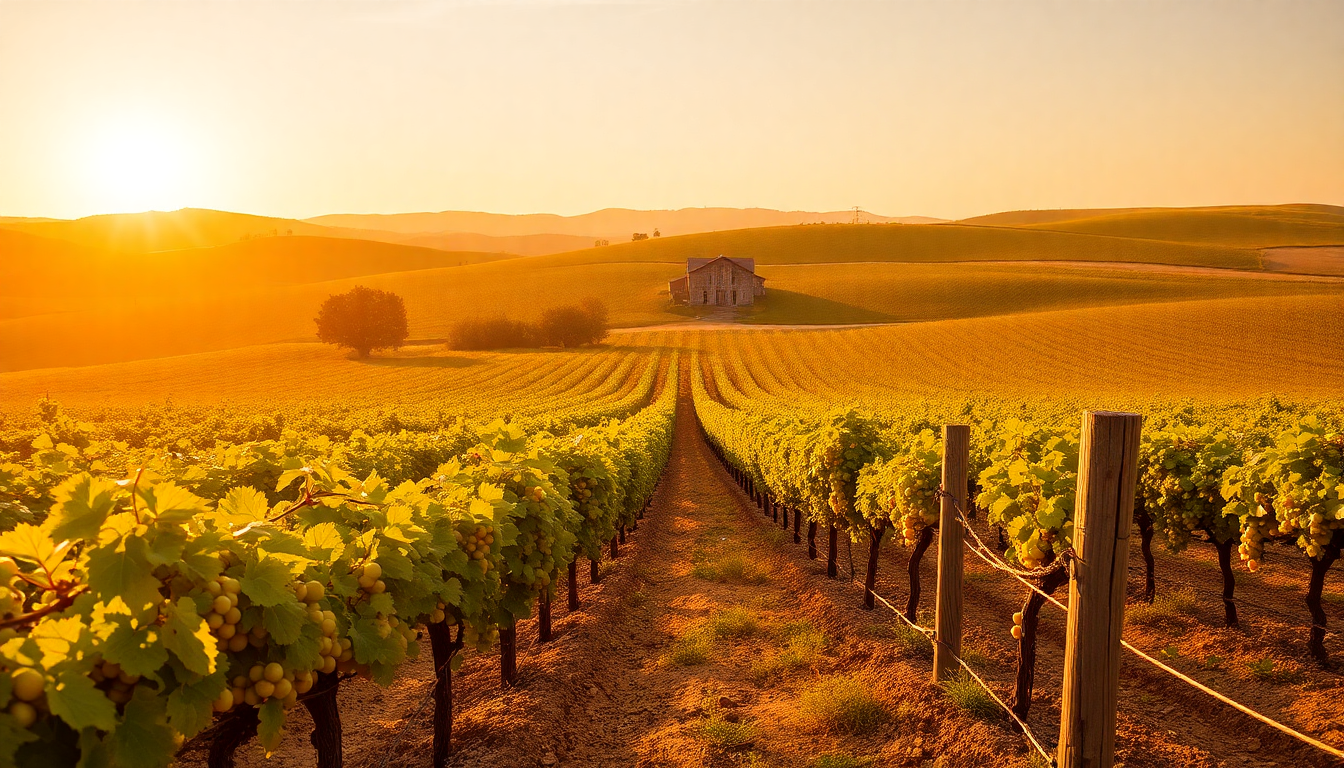
When you walk into a wine shop or browse a wine list at a restaurant, you'll often encounter the term "estate-grown" on labels. But what does this designation really mean, and why should it matter to you as a wine enthusiast or casual drinker? At Curtis Family Vineyards, we believe that understanding the concept of estate-grown wine is fundamental to appreciating quality winemaking and making informed purchasing decisions. This comprehensive guide will explore everything you need to know about estate-grown wines, their significance in the wine industry, and why they often command premium prices and loyal followings among wine lovers worldwide.
Understanding Estate-Grown Wine
The Basic Definition
Estate-grown wine refers to wine produced from grapes that are grown on vineyards owned or controlled by the winery itself. This means that the same company that produces the wine also cultivates the grapes used to make it. While this might seem like a straightforward concept, the implications are profound and far-reaching throughout the winemaking process.
The term "estate" in wine terminology carries specific meaning. According to regulations in many wine-producing regions, including those governed by the American Viticultural Area (AVA) system in the United States, an estate-grown wine must meet certain criteria. Typically, at least 95 percent of the grapes used in the wine must come from vineyards owned or controlled by the winery, and these vineyards must be located within the same designated wine region as the winery itself.
This distinction is important because it sets estate-grown wines apart from wines made from purchased grapes. Many wineries, particularly smaller operations or those in regions where vineyard ownership is fragmented, purchase grapes from independent growers. While this practice is entirely legitimate and can produce excellent wines, it differs fundamentally from the estate-grown model.
Historical Context
The concept of estate-grown wine has deep historical roots, particularly in Europe. In regions like Bordeaux, Burgundy, and Tuscany, the tradition of owning vineyards and producing wine from those vineyards dates back centuries. These estates, or "châteaux" and "poderi" as they're known in their respective regions, became synonymous with quality and consistency.
The European model of estate ownership created a direct link between the land, the grapes, and the final product. This vertical integration meant that winemakers had complete control over every aspect of production, from soil management and vine cultivation to harvest timing and winemaking techniques. This level of control became a hallmark of quality and authenticity.
In the New World, particularly in regions like California's Napa Valley, the estate-grown model became increasingly popular during the latter half of the twentieth century. As American winemakers sought to establish themselves and create distinctive wines, many chose to invest in their own vineyards. This allowed them to build brand identity and ensure consistent quality, much like their European counterparts.
The Advantages of Estate-Grown Wine
Complete Quality Control
One of the most significant advantages of estate-grown wine is the comprehensive quality control that comes with owning your vineyards. When a winery controls its own vineyards, every decision affecting grape quality falls under its purview. This includes soil management, irrigation practices, pest control methods, canopy management, and harvest timing.
At Curtis Family Vineyards, we understand that great wine begins in the vineyard. Our winemakers work closely with our vineyard managers throughout the growing season, monitoring vine health, sugar development, and phenolic ripeness. This collaboration ensures that grapes are harvested at the optimal moment, which is crucial for producing wines with balanced flavors, appropriate alcohol levels, and desired aromatic profiles.
The ability to make real-time decisions about vineyard management is invaluable. If a particular block of vines shows signs of stress, the estate team can immediately implement corrective measures. If weather conditions suggest an early harvest is necessary, the decision can be made quickly without negotiating with external grape suppliers. This responsiveness to vineyard conditions often results in superior fruit quality.
Consistency and Terroir Expression
Terroir, a French term that encompasses the complete natural environment in which grapes are grown, is fundamental to wine quality and character. Terroir includes soil composition, topography, climate, and even the specific microorganisms present in the vineyard. Estate-grown wines allow winemakers to develop a deep understanding of their terroir and express it consistently in their wines.
When a winery owns its vineyards, the winemaking team becomes intimately familiar with the land. They understand how different blocks respond to various weather conditions, which areas produce the most concentrated fruit, and how to manage the vineyard to highlight the unique characteristics of their terroir. This knowledge accumulates over years and decades, creating wines that authentically reflect their place of origin.
This consistency is particularly important for building brand reputation. Consumers who purchase an estate-grown wine from a particular producer develop expectations based on previous experiences. They expect certain flavor profiles, quality levels, and characteristics. Estate ownership enables winemakers to meet these expectations year after year, even as vintage variations occur.
Sustainability and Environmental Stewardship
Estate-owned vineyards often benefit from long-term sustainability practices. When a winery owns its vineyards, the company has a vested interest in maintaining soil health, protecting water resources, and preserving the land for future generations. This perspective encourages sustainable farming practices that might not be prioritized by grape growers focused solely on annual yields.
Many estate wineries have implemented organic or biodynamic farming practices, reduced chemical inputs, and invested in water conservation technologies. These practices not only benefit the environment but often result in higher-quality grapes. Healthier soils produce more balanced vines, which in turn produce grapes with better flavor concentration and complexity.
The long-term perspective of estate ownership also encourages investment in vineyard infrastructure. Estate wineries might install advanced irrigation systems, implement precision viticulture technologies, or replant older vineyard blocks with improved rootstocks and clones. These investments pay dividends over many years and demonstrate a commitment to quality that extends beyond immediate financial returns.
Brand Authenticity and Storytelling
Estate-grown wines carry an inherent authenticity that resonates with consumers. There's something compelling about a wine that comes from a single source, produced by people who have deep roots in the land. This authenticity becomes part of the wine's story and marketing narrative.
Consumers increasingly value transparency and connection in their food and wine purchases. Estate-grown wines offer this connection. When you purchase an estate wine, you're not just buying a product; you're buying a piece of a place and the vision of the people who steward that land. This narrative is powerful and meaningful to many wine enthusiasts.
Estate wineries often leverage their stories effectively. They invite visitors to tour vineyards and winemaking facilities, share the history of their land, and explain their winemaking philosophy. This direct connection between producer and consumer builds loyalty and justifies premium pricing in ways that wines made from purchased grapes often cannot.
The Challenges of Estate-Grown Wine Production
Capital Investment Requirements
Owning vineyards requires substantial capital investment. Land acquisition, vineyard development, irrigation infrastructure, and ongoing maintenance represent significant financial commitments. For a new winery, these costs can be prohibitive, which is why many smaller producers choose to purchase grapes rather than develop their own vineyards.
The financial burden extends beyond initial establishment. Vineyards require continuous investment in maintenance, replanting, and equipment. A mature vineyard might need significant replanting every twenty to thirty years as vines age and productivity declines. These long-term capital requirements mean that estate ownership is most feasible for well-capitalized operations or established family businesses.
This financial reality has important implications for the wine industry. It means that estate-grown wines are often produced by larger, more established wineries or wealthy individuals with the resources to invest in vineyard ownership. Smaller, emerging producers often cannot afford to own vineyards, which is why they rely on purchased grapes.
Vineyard Risk and Variability
While owning vineyards provides control, it also concentrates risk. A winery that depends entirely on its own vineyards is vulnerable to vineyard-specific challenges. Pest infestations, diseases, frost events, or other environmental stresses can devastate a vineyard and significantly impact wine production.
Vintage variation is another consideration. Some years produce excellent grapes with ideal sugar and acid balance, while other years present challenges. A winery with diverse grape sources can blend grapes from different regions to achieve desired flavor profiles and balance. An estate winery with limited vineyard acreage might have fewer options for blending and must work with what the vintage provides.
Climate change is increasingly affecting vineyard management. Shifting growing seasons, unexpected frost events, and changing disease pressures require constant adaptation. Estate wineries must invest in new technologies and practices to address these challenges, adding to operational complexity and cost.
Limited Flexibility in Production
Estate ownership can limit production flexibility. If a winery's vineyards produce a particular style of wine, the winery is somewhat constrained in the wines it can produce. A producer with access to diverse grape sources can experiment with different varietals and styles, but an estate winery is limited by what grows on its land.
This limitation can be particularly challenging during difficult vintages. If a vineyard produces lower-quality fruit in a particular year, the winery must decide whether to produce a lower-quality wine, blend with purchased grapes (if regulations allow), or not produce wine that year. These decisions can impact cash flow and brand consistency.
Estate-Grown Wine Regulations and Standards
American Viticultural Area (AVA) Requirements
In the United States, the Alcohol and Tobacco Tax and Trade Bureau (TTB) establishes regulations for wine labeling, including rules for estate-grown designations. To label a wine as "estate-grown" or "estate-bottled," specific requirements must be met.
The primary requirement is that at least 95 percent of the grapes used in the wine must come from vineyards owned or controlled by the winery. Additionally, these vineyards must be located within the same AVA as the winery's production facility. The winery must also bottle the wine at its own facility.
These regulations ensure that "estate-grown" claims have real meaning and prevent misleading marketing. However, the 95 percent threshold allows for some flexibility, permitting wineries to blend small amounts of purchased grapes if necessary due to vintage challenges or production needs.
European Regulations
European wine regions have their own regulations governing estate-grown wines, though terminology varies. In Bordeaux, the term "château" indicates estate ownership and production. In Burgundy, "domaine" serves a similar function. These designations carry centuries of tradition and specific regulatory requirements that vary by region.
European regulations are often more stringent than American standards. In some regions, 100 percent of grapes must come from the estate's vineyards. Additionally, European regulations often specify production methods, aging requirements, and other quality standards that go beyond simple grape sourcing.
Other Wine Regions
Wine-producing regions worldwide have established their own standards for estate-grown wines. Australia, New Zealand, South Africa, and other regions have specific regulations that define what constitutes an estate wine. Understanding these regional variations is important for consumers seeking to identify genuine estate-grown wines.
The Economics of Estate-Grown Wine
Pricing and Value Proposition
Estate-grown wines typically command premium prices compared to wines made from purchased grapes. This premium reflects the additional costs associated with vineyard ownership and the perceived quality benefits of estate production. Consumers generally accept these higher prices because they understand the value proposition: greater quality control, terroir expression, and authenticity.
The price premium for estate wines varies depending on the region, the winery's reputation, and the specific wine. In prestigious regions like Napa Valley or Bordeaux, estate wines might sell for significantly more than non-estate wines from the same area. In emerging wine regions, the premium might be more modest.
Understanding the economics of estate wine production helps consumers make informed purchasing decisions. When you pay a premium for an estate wine, you're investing in the benefits of vineyard ownership: quality control, consistency, and the story of the place. Whether this premium is justified depends on your personal preferences and budget.
Return on Investment
For winery owners, the financial return on vineyard investment is complex and long-term. Vineyards require many years to mature and produce high-quality fruit. A newly planted vineyard might not produce premium-quality grapes for five to ten years. During this establishment period, the winery generates no revenue from the vineyard while incurring significant expenses.
Once established, a well-managed vineyard can be profitable for decades. However, profitability depends on grape prices, wine prices, and production costs. In regions where grape prices are high, owning vineyards can be economically advantageous. In regions where grapes are inexpensive, the financial case for vineyard ownership is weaker.
Many winery owners view vineyard ownership as a long-term investment rather than a short-term profit center. They accept lower financial returns in exchange for quality control, brand building, and the satisfaction of stewarding land. This perspective is particularly common among family-owned wineries with multi-generational time horizons.
Estate-Grown Wine and Quality
Does Estate Ownership Guarantee Quality?
A common misconception is that estate-grown wines are automatically superior to wines made from purchased grapes. While estate ownership provides advantages for quality control, it does not guarantee superior wine. Many excellent wines are produced from purchased grapes, and some estate wines are mediocre.
The quality of wine depends on numerous factors: grape quality, winemaking skill, cellar management, aging conditions, and many others. A winery with excellent winemakers and careful attention to detail can produce outstanding wines regardless of grape sourcing. Conversely, poor winemaking practices can result in mediocre wine even from premium estate-grown grapes.
That said, estate ownership does provide structural advantages for quality production. The ability to control vineyard practices, harvest timing, and grape handling creates conditions favorable to quality. Wineries that leverage these advantages effectively often produce wines of exceptional quality. But the advantage is potential, not guaranteed.
Quality Indicators Beyond Estate Status
When evaluating wine quality, consumers should look beyond the estate-grown designation. Other factors provide better indicators of quality:
Winemaker Reputation: The skill and experience of the winemaking team significantly impacts wine quality. Wineries with renowned winemakers often produce superior wines regardless of grape sourcing.
Vineyard Reputation: Certain vineyards are known for producing exceptional fruit. A wine made from grapes sourced from a prestigious vineyard might be superior to an estate wine from a less distinguished vineyard.
Production Practices: Specific winemaking techniques, aging in oak, and other production decisions impact quality. Understanding a winery's production philosophy provides insight into likely quality.
Vintage Conditions: The growing season significantly impacts grape quality. Wines from excellent vintages are likely to be superior to wines from challenging vintages, regardless of estate status.
Price Point: While price doesn't guarantee quality, wines at higher price points are generally produced with greater care and attention to detail.
Estate-Grown Wine Around the World
Napa Valley and California
California's Napa Valley is renowned for estate-grown wines. Many of the region's most prestigious producers own substantial vineyard acreage and produce wines exclusively from estate-grown grapes. The combination of ideal growing conditions, wealthy investors, and a culture that values quality has made estate ownership common in Napa.
Other California regions, including Sonoma County, Santa Barbara County, and the Central Coast, also have significant estate-grown wine production. The diversity of microclimates and soil types across California allows producers to develop distinctive estate wines that reflect their specific terroir.
Bordeaux and Burgundy
The historic wine regions of France remain the gold standard for estate-grown wine production. Bordeaux châteaux and Burgundy domaines have been producing estate wines for centuries. These regions' regulations, traditions, and reputation for quality have made estate ownership the norm rather than the exception.
The prestige associated with Bordeaux and Burgundy estate wines commands premium prices globally. Collectors and enthusiasts seek out wines from specific estates, viewing them as investments and expressions of terroir that cannot be replicated elsewhere.
Other European Regions
Beyond Bordeaux and Burgundy, numerous European regions emphasize estate-grown wine production. Tuscany's Chianti region, Spain's Rioja, Germany's Rhine Valley, and Portugal's Douro Valley all have strong traditions of estate ownership and production.
Each region has developed its own terminology and regulations for estate wines. Understanding these regional variations helps consumers identify genuine estate wines and appreciate the traditions that inform their production.
New World Regions
Australia, New Zealand, South Africa, and other New World wine regions have increasingly embraced estate-grown wine production. These regions often combine modern winemaking techniques with estate ownership, creating distinctive wines that reflect their unique terroirs.
New World estate wineries often emphasize innovation and experimentation while maintaining the quality control benefits of vineyard ownership. This combination has produced some of the world's most exciting wines in recent decades.
The Future of Estate-Grown Wine
Sustainability and Climate Change
As climate change impacts wine production globally, estate-grown wines may become increasingly valuable. Wineries that own their vineyards can implement adaptive strategies more quickly and comprehensively than those relying on purchased grapes. Estate ownership enables investment in climate-resilient rootstocks, irrigation technologies, and vineyard management practices designed to address changing conditions.
Sustainability will likely become an increasingly important factor in wine production. Consumers are increasingly interested in environmentally responsible wines, and estate ownership facilitates long-term sustainability commitments. Wineries invested in their land have strong incentives to maintain soil health, protect water resources, and minimize environmental impact.
Technology and Precision Viticulture
Advancing technology is

Leave a comment
This site is protected by hCaptcha and the hCaptcha Privacy Policy and Terms of Service apply.