

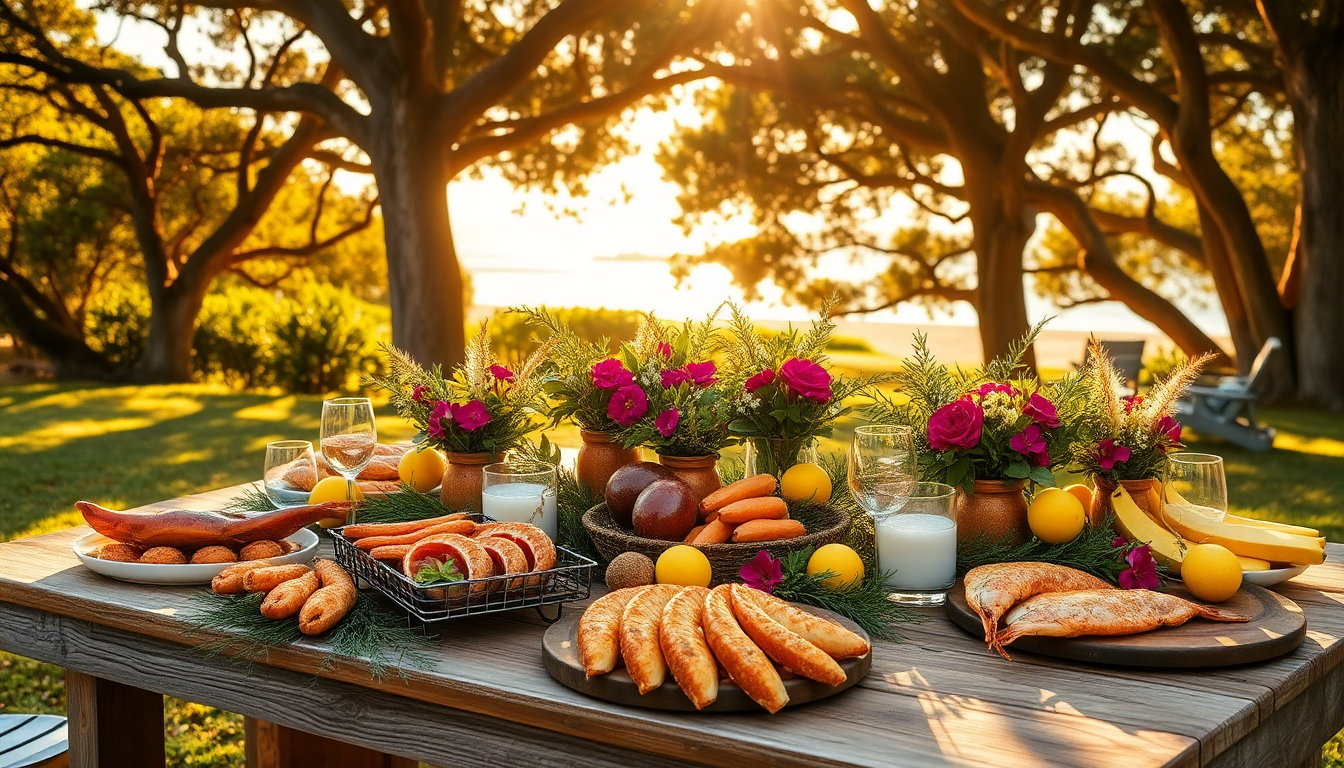
Christmas lunch in Australia is a unique celebration that differs significantly from traditional Christmas dinners in the Northern Hemisphere. With summer temperatures, outdoor gatherings, and fresh seasonal produce, Australian Christmas meals call for thoughtful wine pairings that complement both the food and the festive atmosphere. At Curtis Family Vineyards, we understand the importance of selecting the perfect wine to enhance your holiday meal, and we're delighted to guide you through the best options available for your Australian Christmas lunch.
Understanding Australian Christmas Dining
Christmas in Australia falls during the summer season, which fundamentally changes the nature of the celebration. Rather than heavy, warming dishes served indoors, Australian Christmas lunches often feature lighter fare that takes advantage of the season's fresh produce. Seafood, salads, fresh fruits, and grilled meats are common choices, creating a dining experience that's quite different from traditional European Christmas meals.
The outdoor setting of many Australian Christmas celebrations also influences wine selection. The warm weather means that wines served at slightly warmer temperatures than usual can still be refreshing, and lighter, crisper wines often perform better in the heat. Understanding these unique characteristics of Australian Christmas dining is essential for making the right wine pairing choices.
The Importance of Wine Pairing
Wine pairing is both an art and a science. The right wine can elevate a meal, enhance flavors, and create memorable dining experiences. Poor pairings, conversely, can clash with food and leave an unpleasant taste. When hosting a Christmas lunch, the stakes are high because you want everything to be perfect for your guests.
The fundamental principle of wine pairing is balance. You want the wine to complement the food without overpowering it, and the food to enhance the wine's characteristics rather than mask them. This balance becomes even more important during special occasions like Christmas, where multiple courses and diverse dishes might be served.
Classic White Wine Options
White wines are often the go-to choice for Australian Christmas lunches, particularly given the warm weather and lighter food selections typical of summer celebrations. Several white wine varieties stand out as excellent choices for this occasion.
Sauvignon Blanc
Sauvignon Blanc is a crisp, refreshing white wine that pairs beautifully with many traditional Australian Christmas dishes. Its high acidity and herbaceous notes complement seafood dishes perfectly, making it an excellent choice if your Christmas lunch features prawns, oysters, or grilled fish. The wine's citrus and tropical fruit notes also pair well with fresh salads and lighter appetizers.
Australian Sauvignon Blancs, particularly those from regions like Adelaide Hills and Margaret River, offer excellent quality and distinctive character. These wines typically have more body and complexity than their New Zealand counterparts, making them versatile enough to handle various dishes throughout your meal.
Semillon
Semillon is a classic Australian white wine that deserves serious consideration for your Christmas lunch. This grape variety produces wines with excellent aging potential and remarkable versatility at the table. Young Semillons offer crisp acidity and citrus flavors, while older examples develop honeyed, toasty characteristics.
For Christmas lunch, a young, unoaked Semillon provides refreshing acidity that cuts through rich foods beautifully. If your meal includes creamy dishes or buttery sauces, Semillon's structure and complexity make it an ideal partner. The wine's subtle stone fruit flavors complement both seafood and poultry dishes, making it one of the most versatile options for a multi-course meal.
Chardonnay
While Chardonnay might seem like a heavier choice for summer dining, Australian Chardonnays offer a range of styles suitable for Christmas lunch. Unoaked or lightly oaked Chardonnays from cooler regions provide elegant, mineral-driven wines with good acidity and subtle fruit flavors. These styles work particularly well with grilled fish, chicken, and lighter pasta dishes.
More richly oaked Chardonnays, if your meal includes richer dishes or creamy sauces, can provide wonderful complexity and depth. The key is selecting a Chardonnay with sufficient acidity to remain refreshing in the summer heat while offering enough body to stand up to more substantial dishes.
Riesling
Riesling is often overlooked for special occasions, but Australian Rieslings offer remarkable versatility and elegance. The variety's natural acidity and aromatic qualities make it excellent for pairing with diverse dishes. Dry Rieslings work beautifully with seafood and Asian-influenced dishes, while off-dry styles can complement spicy foods and desserts.
The wine's floral and citrus aromatics add a festive quality to the meal, and its refreshing nature makes it perfect for warm weather drinking. If your Christmas lunch includes ham or other cured meats, Riesling's acidity and slight sweetness create a particularly harmonious pairing.
Rosé Wines for Summer Celebrations
Rosé has become increasingly popular for summer entertaining, and for good reason. These wines offer the refreshing qualities of white wines with some of the complexity and body of red wines, making them remarkably versatile for Christmas lunch.
Provence-Style Rosé
While not Australian, Provence-style rosés have influenced Australian winemakers, and many local producers now create similar dry, elegant rosés. These wines offer pale color, crisp acidity, and subtle red fruit flavors. They pair beautifully with a wide range of Christmas lunch dishes, from seafood to grilled meats to fresh salads.
Australian Rosé
Australian rosés, particularly those made from Grenache, Shiraz, or Pinot Noir, offer excellent quality and distinctive character. These wines tend to have more body and flavor intensity than their European counterparts, making them particularly suitable for pairing with the diverse dishes often served at Christmas lunch.
Rosé's versatility is one of its greatest strengths. It bridges the gap between white and red wines, offering enough acidity to refresh the palate while providing enough structure to complement richer dishes. For a Christmas lunch where you're uncertain about the exact menu, rosé is often the safest choice that will work well with most dishes.
Light Red Wine Options
Some guests prefer red wine even in summer, and several lighter red varieties work beautifully for Australian Christmas lunch. These wines offer more complexity and body than whites or rosés while remaining refreshing enough for warm weather drinking.
Pinot Noir
Pinot Noir is an excellent choice for Christmas lunch, offering elegant red fruit flavors, silky tannins, and good acidity. Australian Pinot Noirs, particularly those from cooler regions like Tasmania, Yarra Valley, and Adelaide Hills, provide excellent quality and distinctive character.
The wine's light to medium body makes it refreshing even in summer heat, while its complexity and structure allow it to pair with a variety of dishes. Pinot Noir works particularly well with grilled chicken, turkey, and lighter meat dishes. The wine's earthy undertones also complement vegetable-based dishes beautifully.
Grenache
Grenache is a versatile red variety that produces lighter, fruit-forward wines perfect for summer entertaining. Australian Grenaches offer vibrant red fruit flavors, spicy notes, and refreshing acidity. These wines are particularly suitable for outdoor dining and warm weather consumption.
Grenache pairs beautifully with Mediterranean-style dishes, grilled meats, and fresh salads. The wine's natural spiciness complements herbs and seasonings commonly used in summer cooking. If your Christmas lunch features Spanish or Italian influences, Grenache is an excellent choice.
Gamay
Gamay is a lesser-known but excellent choice for summer wine pairing. This light-bodied red offers bright red fruit flavors, low tannins, and refreshing acidity. While not widely produced in Australia, imported Gamays from regions like Beaujolais offer excellent value and remarkable versatility.
Gamay's light nature makes it suitable for serving slightly chilled, which is perfect for warm weather. The wine pairs well with poultry, lighter meat dishes, and even some seafood preparations. Its approachable nature makes it an excellent choice for guests who might be uncertain about red wine preferences.
Sparkling Wines for Festive Toasts
No Christmas celebration is complete without sparkling wine for toasts and aperitifs. Australian sparkling wines offer excellent quality and distinctive character, making them perfect for your festive occasion.
Australian Champagne-Style Sparkling
Australian producers create excellent sparkling wines using traditional Champagne methods. These wines offer fine bubbles, complex flavors, and excellent aging potential. Serving sparkling wine as an aperitif sets a festive tone for your Christmas lunch and provides a refreshing start to the meal.
The acidity in sparkling wines makes them excellent palate cleansers between courses, and their celebratory nature adds to the festive atmosphere. Consider serving a quality Australian sparkling wine throughout the meal, not just for toasts.
Moscato and Dessert Sparkling
For a lighter, more playful option, Australian Moscatos and dessert sparkling wines offer fruity, slightly sweet flavors that appeal to many guests. These wines work beautifully as aperitifs or paired with lighter desserts, adding a festive and fun element to your celebration.
Pairing Wines with Specific Christmas Lunch Dishes
Understanding how to pair wines with specific dishes is essential for creating a harmonious meal. Let's explore some common Australian Christmas lunch dishes and their ideal wine pairings.
Seafood Dishes
Seafood is a staple of Australian Christmas lunches, and several wines pair beautifully with these dishes. For oysters and raw seafood, crisp Sauvignon Blanc or unoaked Semillon provide excellent acidity and mineral qualities that complement the briny flavors. For grilled fish or prawns, Chardonnay or Riesling offer more body while maintaining refreshing acidity.
If your seafood dish includes rich sauces or butter, consider a fuller-bodied white like oaked Chardonnay or a dry Riesling. The wine's richness will balance the sauce while its acidity cuts through the fat, cleansing the palate between bites.
Poultry and Game
Turkey, chicken, and duck are common Christmas lunch proteins. For lighter poultry preparations, Pinot Noir or Grenache offer excellent pairings with their silky tannins and red fruit flavors. For richer preparations with creamy sauces, a fuller-bodied Chardonnay or even a light Shiraz might be more appropriate.
Game birds like quail or duck require wines with more structure and complexity. A medium-bodied Pinot Noir or a Grenache-based blend works beautifully, offering enough tannin to stand up to the game's rich flavors while maintaining enough acidity to refresh the palate.
Ham and Cured Meats
Ham is a traditional Christmas dish in Australia, and its salty, slightly sweet character requires careful wine pairing. Riesling, with its slight sweetness and high acidity, creates a particularly harmonious pairing. Alternatively, a crisp Sauvignon Blanc or rosé offers enough acidity to cut through the richness while remaining refreshing.
Salads and Vegetable Dishes
Fresh salads are essential to Australian Christmas lunches, and their acidity and freshness require wines with good acidity. Sauvignon Blanc, Semillon, or rosé work beautifully with green salads. For salads with creamy dressings, a fuller-bodied white like Chardonnay provides better balance.
Vegetable-based dishes, particularly those with herbs and seasonings, pair well with aromatic whites like Riesling or Sauvignon Blanc. The wine's aromatics complement the dish's flavors, creating a harmonious pairing.
Desserts and Sweet Treats
For Christmas desserts, consider wines specifically designed for pairing with sweet dishes. Moscato, dessert Rieslings, and fortified wines like tawny port offer excellent options. These wines' sweetness and complexity complement desserts without overwhelming them.
Temperature and Service Considerations
Proper temperature and service are crucial for maximizing wine enjoyment during your Christmas lunch. In Australia's summer heat, maintaining proper serving temperatures can be challenging but essential.
White Wine Temperature
White wines should be served between 8-12 degrees Celsius, depending on the style. Lighter, crisper whites like Sauvignon Blanc benefit from cooler temperatures, while fuller-bodied whites like oaked Chardonnay can be served slightly warmer. In summer heat, you may need to chill wines more aggressively or use ice buckets to maintain proper temperature throughout the meal.
Red Wine Temperature
Light red wines like Pinot Noir and Grenache should be served slightly cooler than traditional room temperature, around 14-16 degrees Celsius. In summer, you might even consider lightly chilling these wines to enhance their refreshing qualities. Avoid serving them at the warm temperatures suitable for heavier reds.
Sparkling Wine Temperature
Sparkling wines should be served between 6-9 degrees Celsius to maintain their effervescence and prevent excessive carbonation loss. Keep bottles in ice buckets throughout the meal to maintain proper temperature.
Selecting Wines from Curtis Family Vineyards
Curtis Family Vineyards offers an excellent selection of wines suitable for your Christmas lunch. Our commitment to quality and distinctive character ensures that you'll find perfect pairings for your festive meal.
Our White Wine Selection
Our Sauvignon Blancs offer crisp acidity and vibrant fruit flavors perfect for seafood and light dishes. Our Semillons provide versatility and complexity suitable for multi-course meals. Our Chardonnays range from elegant, unoaked styles to richer, more complex expressions, offering options for various dishes and preferences.
Our Rosé and Sparkling Options
Our rosés offer the versatility and refreshing qualities perfect for summer entertaining. Our sparkling wines, crafted using traditional methods, provide the celebratory quality essential for Christmas toasts and aperitifs.
Our Red Wine Selection
Our Pinot Noirs and Grenaches offer lighter, fruit-forward styles perfect for warm weather drinking. These wines provide enough complexity and structure to pair with various dishes while remaining refreshing in summer heat.
Planning Your Wine Selection
When planning your Christmas lunch wine selection, consider several factors to ensure you have the right wines for your guests and menu.
Know Your Guest Preferences
Understanding your guests' wine preferences is essential. Some guests prefer white wines, others red, and many enjoy rosé or sparkling. Having a variety of styles ensures everyone finds something they enjoy. Consider surveying guests beforehand or selecting wines that offer broad appeal.
Plan Your Menu First
Your menu should guide your wine selection. Once you know what dishes you'll serve, you can select wines that pair beautifully with those specific items. If your menu is still flexible, consider selecting wines first and building your menu around them.
Consider Quantity
Plan for approximately one bottle of wine per two guests for a lunch lasting several hours. If you're serving multiple wines, adjust quantities accordingly. Having extra wine is better than running short during your celebration.
Budget Considerations
Quality wines for special occasions don't need to be expensive. Many excellent wines suitable for Christmas lunch are available at reasonable prices. Focus on selecting wines that offer good value and pair well with your menu rather than simply choosing the most expensive options.
Purchase in Advance
Buy your wines well in advance of Christmas to ensure availability and allow time for proper storage. This also gives you time to taste wines and make adjustments if needed. Avoid last-minute purchases that might limit your selection.
Wine Storage and Preparation
Proper storage and preparation ensure your wines are in perfect condition for your Christmas lunch.
Storage Conditions
Store wines in a cool, dark place away from direct sunlight and heat sources. Ideal storage temperature is around 10-15 degrees Celsius. If you don't have a wine fridge, a cool closet or basement works well. Avoid storing wines in warm kitchens or areas subject to temperature fluctuations.
Opening and Decanting
Open white wines and rosés shortly before serving to preserve their freshness. Light red wines like Pinot Noir benefit from brief decanting, which allows them to breathe and develop their flavors. Decant these wines 15-30 minutes before serving.
Chilling Strategy
Plan your chilling strategy in advance. Remove white wines and rosés from storage 30-45 minutes before serving to reach proper temperature. Use ice buckets to maintain temperature throughout the meal. For red wines, remove them from cool storage 15-20 minutes before serving.
Creating a Wine-Focused Christmas Lunch
If you're passionate about wine, consider creating a wine-focused Christmas lunch where wines take center stage.
Wine Pairing Menu
Design your menu specifically to showcase different wines. Start with lighter dishes and wines, progressing to richer dishes and fuller-bodied wines. This progression allows guests to experience how wines evolve and how they interact with different foods.
Tasting Notes and Education
Provide tasting notes for each wine, explaining its characteristics and why it pairs with specific dishes. This educational approach enhances guests' appreciation and enjoyment of the wines.
Wine Discussion
Encourage guests to discuss the wines, share their impressions, and explore how flavors change with different foods. This interactive approach transforms wine from a beverage into a focal point of conversation and connection.
Common Wine Pairing Mistakes to Avoid
Understanding common mistakes helps you make better pairing decisions.
Overpowering Wines
Selecting wines that are too bold or complex can overpower delicate

Leave a comment
This site is protected by hCaptcha and the hCaptcha Privacy Policy and Terms of Service apply.