

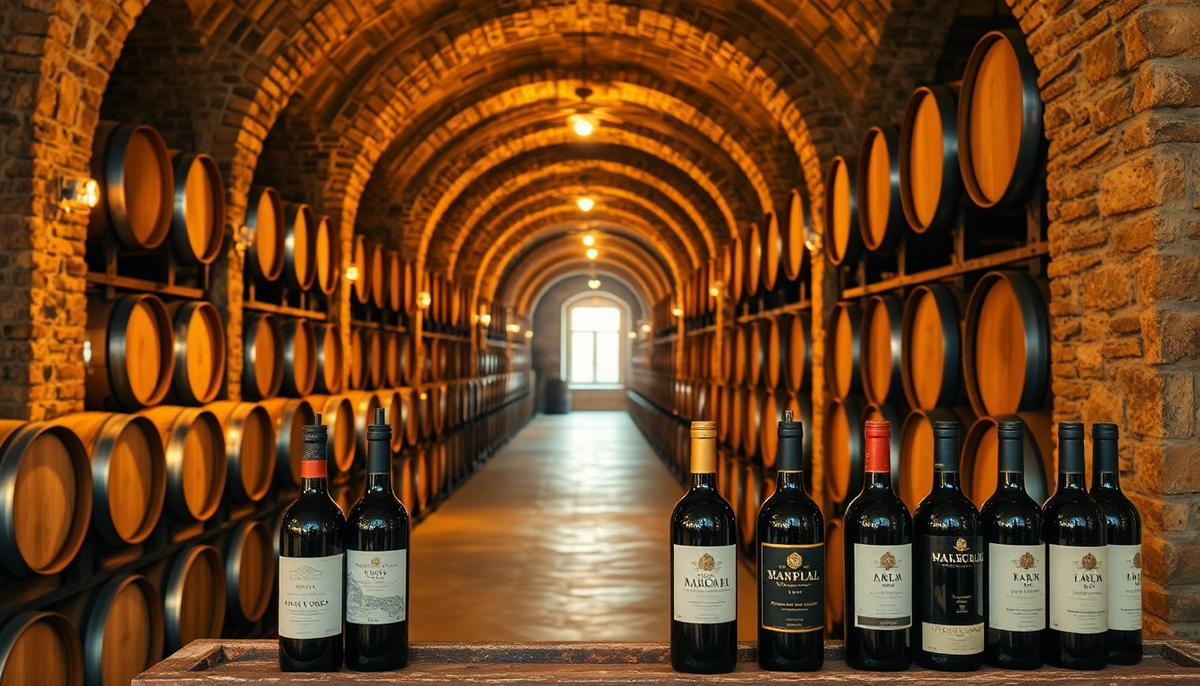
When you walk into a wine shop or browse an online wine retailer, you'll inevitably encounter bottles labeled with the word "Reserve." At Curtis Family Vineyards, we understand that this term can be confusing for both novice and experienced wine enthusiasts. The word "Reserve" appears on wine labels across the globe, yet its meaning varies significantly depending on where the wine is produced. This comprehensive guide will help you understand what "Reserve" really means, how it's regulated in different countries, and what you should expect when you purchase a reserve wine.
Understanding the Basics of Wine Reserve Designations
The term "Reserve" on a wine label is meant to indicate that a wine is somehow special or superior to a producer's standard offerings. However, unlike many other wine label terms, "Reserve" is not strictly regulated in most wine-producing countries. This lack of standardization is one of the primary sources of confusion among consumers. Some producers use "Reserve" to denote wines made from the best grapes in their vineyard, while others use it to indicate wines that have been aged longer in oak barrels or in the bottle before release.
At its core, a reserve wine should represent a winemaker's best work or a special selection of grapes. The philosophy behind reserve wines dates back centuries to European winemaking traditions, where producers would set aside their finest wines for special occasions or for aging in their cellars. Today, the concept has evolved, but the underlying principle remains: a reserve wine should offer something distinctive and noteworthy compared to a producer's standard bottlings.
The confusion surrounding reserve wines stems from the fact that different countries, regions, and even individual producers have their own definitions and standards. In some places, reserve wines must meet specific aging requirements. In others, there are no legal requirements whatsoever. This means that a "Reserve" label from one producer might represent a genuinely superior wine, while the same label from another producer might simply be a marketing tool with little substantive difference from their standard wines.
Reserve Wine Regulations by Country and Region
France and the European Tradition
France, the birthplace of modern winemaking, has a complex system of wine classification that predates the widespread use of the term "Reserve." Instead of using "Reserve," French wines are classified through the Appellation d'Origine Contrôlée (AOC) system, which designates specific regions and establishes rules for grape varieties, production methods, and aging requirements. However, some French producers, particularly in Bordeaux and Burgundy, do use terms like "Réserve" or "Cuvée Spéciale" to indicate special selections.
In France, when a producer uses the term "Réserve," it typically indicates a wine that has been aged longer than the standard requirements for that appellation. For example, a Bordeaux wine labeled as "Réserve" might have spent additional time in oak barrels or in the bottle before release. However, this is not a legal requirement, and the term remains largely unregulated at the national level.
The French approach emphasizes the importance of terroir and appellation over marketing terms. The idea is that a wine from a prestigious appellation like Bordeaux or Burgundy should already represent quality, regardless of whether it carries a "Reserve" designation. This philosophy has influenced how French wines are perceived globally, and many wine enthusiasts view French wines through the lens of their appellation rather than special designations.
Spain and the Rioja System
Spain has one of the most clearly defined reserve wine systems in the world, particularly in the Rioja region. Spanish wine law establishes specific aging requirements for wines labeled as "Reserva" or "Gran Reserva." These requirements vary depending on the type of wine and the region of production.
For red wines in Rioja, a wine must be labeled "Reserva" if it has been aged for a minimum of three years, with at least one year in oak barrels. A "Gran Reserva" red wine must be aged for a minimum of five years, with at least two years in oak barrels. White wines have different requirements: "Reserva" whites must be aged for at least two years with six months in oak, while "Gran Reserva" whites must be aged for at least four years with six months in oak.
These specific requirements make Spanish reserve wines relatively easy to understand. When you purchase a Spanish wine labeled "Reserva" or "Gran Reserva," you know exactly what aging requirements have been met. This clarity is one reason why Spanish wines have become increasingly popular among consumers who want to understand what they're buying.
The Rioja system also emphasizes quality control through the Consejo Regulador, the regulatory body that oversees wine production in the region. This organization ensures that producers meet the established standards and maintains the reputation of Rioja wines in the global market.
Italy and Regional Variations
Italy, like France, has a complex classification system that emphasizes appellation and region over marketing terms. The Denominazione di Origine Controllata (DOC) and Denominazione di Origine Controllata e Garantita (DOCG) systems establish rules for wine production in specific regions. However, Italy also uses terms like "Riserva" to indicate special selections.
In Italy, "Riserva" wines must meet specific aging requirements that vary by region and wine type. For example, a Barolo wine labeled "Riserva" must be aged for a minimum of five years before release, with at least two years in oak barrels. A Chianti Classico "Riserva" must be aged for at least three years. These requirements are established by regional wine authorities and provide consumers with some assurance about what they're purchasing.
The Italian system demonstrates how different regions within a country can have their own standards for reserve wines. Understanding these regional variations is important for consumers who want to make informed purchasing decisions.
Portugal and the Douro Valley
Portugal uses the term "Reserva" to indicate wines that have been aged longer than standard requirements. In the Douro Valley, one of Portugal's most prestigious wine regions, "Reserva" wines typically indicate superior quality and extended aging. However, the specific requirements can vary, and Portugal's reserve wine system is less standardized than Spain's.
Portuguese winemakers have a long tradition of producing aged wines, and the concept of reserve wines fits naturally into their winemaking philosophy. Many Portuguese producers use "Reserva" to indicate wines that have been carefully selected and aged to develop complexity and depth.
United States and the Lack of Regulation
In the United States, the term "Reserve" is essentially unregulated. There are no federal requirements for what constitutes a reserve wine, and producers can use the term however they choose. This lack of regulation has led to significant variation in how American producers use the term.
Some American wineries use "Reserve" to indicate wines made from the best grapes in their vineyard. Others use it to denote wines that have been aged longer in oak barrels. Still others use it simply as a marketing tool to justify a higher price point. This inconsistency makes it challenging for consumers to understand what they're purchasing when they buy an American reserve wine.
However, some American wine regions have attempted to establish their own standards. For example, some producers in Napa Valley have adopted informal guidelines suggesting that reserve wines should represent the winemaker's best work and should be aged longer than standard bottlings. These guidelines are voluntary and not legally binding, but they do provide some consistency within the region.
The lack of federal regulation in the United States means that consumers must rely on their knowledge of individual producers to understand what "Reserve" means for a particular wine. Building relationships with wine retailers and learning about specific producers' philosophies can help you make better purchasing decisions.
Australia and New World Approaches
Australia, like the United States, does not have strict legal requirements for reserve wines. However, Australian producers have developed their own traditions and standards. Many Australian winemakers use "Reserve" to indicate wines made from premium fruit and aged longer than their standard bottlings.
The Australian wine industry has a relatively short history compared to European wine regions, but it has quickly established itself as a producer of high-quality wines. Australian producers often use "Reserve" to indicate wines that showcase the unique characteristics of their vineyards and winemaking techniques.
What Reserve Wines Actually Represent
Beyond the legal definitions and regulations, reserve wines generally represent one or more of the following characteristics:
Superior Fruit Selection
Many reserve wines are made from grapes that have been carefully selected from the best parts of a vineyard. Winemakers might choose grapes from older vines, which often produce more concentrated flavors. They might select grapes from specific vineyard blocks that have shown exceptional quality in previous vintages. This careful selection process can result in wines with greater complexity and depth than standard bottlings.
Extended Aging
Reserve wines often spend more time aging in oak barrels or in the bottle before release. This extended aging allows the wine to develop additional complexity and allows harsh tannins to soften and integrate with the wine's other components. A wine aged for two years in oak will taste quite different from the same wine aged for six months, and many producers use extended aging as a key component of their reserve wine program.
Limited Production
Some producers use "Reserve" to indicate wines produced in limited quantities. These wines might be made only in exceptional vintages or might represent a small percentage of the producer's total production. The limited availability can make reserve wines more desirable and can justify higher price points.
Special Winemaking Techniques
Reserve wines might be made using special winemaking techniques that differ from standard production methods. A producer might use wild yeast fermentation, extended maceration, or other techniques that require more time and attention. These special techniques can result in wines with distinctive characteristics that set them apart from standard bottlings.
Vineyard Designation
Some reserve wines are made from grapes grown in specific vineyard blocks or specific vineyards. These vineyard-designated wines can showcase the unique characteristics of particular locations within a larger wine region. A producer might have several vineyard blocks, each with different soil types, elevations, or microclimates, and might produce separate reserve wines from each block.
The Price Premium of Reserve Wines
One of the most noticeable characteristics of reserve wines is their higher price. Reserve wines typically cost significantly more than a producer's standard bottlings. This price premium reflects several factors:
Production Costs
The careful selection of grapes, extended aging, and special winemaking techniques all increase production costs. When a winemaker spends more time and resources on a wine, those costs are reflected in the final price.
Market Positioning
Producers use "Reserve" as a marketing tool to position their wines at a higher price point. The term suggests quality and exclusivity, which allows producers to charge more. This is particularly true in countries like the United States where the term is unregulated.
Aging Potential
Reserve wines are often designed to age well in the bottle. A wine that can improve over ten or twenty years is worth more than a wine meant to be consumed within a few years. Consumers who understand the aging potential of reserve wines are often willing to pay a premium for wines that will improve over time.
Brand Reputation
Established producers with strong reputations can command higher prices for their reserve wines. Consumers trust that these producers use the term "Reserve" meaningfully and that their reserve wines represent genuine quality improvements over standard bottlings.
How to Evaluate Reserve Wines
When you're considering purchasing a reserve wine, there are several strategies you can use to evaluate whether the wine is worth the premium price:
Research the Producer
Learn about the specific producer's philosophy regarding reserve wines. Do they have a clear definition of what "Reserve" means for their wines? Are they transparent about their production methods and aging requirements? Producers who are clear and transparent about their reserve wine program are more likely to be producing genuinely superior wines.
Understand the Vintage
Reserve wines can vary significantly from vintage to vintage. A reserve wine from an exceptional vintage might be truly outstanding, while a reserve wine from a challenging vintage might be less impressive. Understanding the characteristics of the vintage can help you evaluate whether a particular reserve wine is worth purchasing.
Compare with Standard Bottlings
If possible, taste a reserve wine alongside the producer's standard bottling. This side-by-side comparison can help you understand what the producer considers to be the key differences between their reserve and standard wines. If the difference is significant, the premium price might be justified.
Read Reviews and Ratings
Wine critics and reviewers often evaluate reserve wines and compare them to other wines in the same price range. Reading professional reviews can provide valuable insights into whether a particular reserve wine is worth the premium price.
Consider Your Own Preferences
Ultimately, the value of a reserve wine depends on your own preferences and budget. If you enjoy aged wines with complex flavors and you have the budget for premium wines, a reserve wine might be an excellent choice. If you prefer younger, fruitier wines or if you're on a tighter budget, a standard bottling might be more suitable.
Reserve Wines and Food Pairing
Reserve wines, particularly red reserve wines, are often excellent choices for food pairing. The extended aging and careful production methods typically result in wines with greater complexity and structure, which can complement a wider range of foods.
Red Reserve Wines
Red reserve wines, particularly those from regions like Bordeaux, Rioja, and Barolo, often have the structure and complexity to pair well with rich, flavorful foods. A Bordeaux reserve might pair beautifully with a grilled steak or a rich beef stew. A Rioja reserve could complement Spanish dishes like paella or chorizo. A Barolo reserve might pair well with Italian pasta dishes or roasted meats.
White Reserve Wines
White reserve wines are less common than red reserves, but they can be excellent choices for pairing with seafood and lighter dishes. A white Burgundy reserve, for example, might pair beautifully with roasted fish or creamy pasta dishes.
Aging and Food Pairing
The aging potential of reserve wines also affects their food pairing characteristics. Younger reserve wines might have more pronounced fruit flavors and can pair well with lighter foods. Older reserve wines develop more complex, tertiary flavors and can pair with richer, more flavorful foods.
Building a Reserve Wine Collection
For wine enthusiasts interested in building a collection of reserve wines, there are several strategies to consider:
Start with Known Producers
Begin by learning about producers with established reputations for quality reserve wines. Producers like Château Lafite Rothschild in Bordeaux, Marqués de Murrieta in Rioja, and Gaja in Piedmont have long histories of producing exceptional reserve wines.
Explore Different Regions
Different wine regions have different traditions and standards for reserve wines. Exploring reserve wines from various regions can help you develop a broader understanding of wine and discover new favorites.
Consider Aging Potential
When building a collection, consider the aging potential of different reserve wines. Some reserve wines are designed to be consumed within a few years, while others can improve over decades. Understanding the aging potential of wines you're collecting can help you decide when to open them.
Invest in Storage
Proper storage is crucial for reserve wines, particularly if you're planning to age them. Invest in a wine cooler or wine cellar that maintains consistent temperature and humidity levels. Proper storage can significantly impact the quality of your reserve wines over time.
Keep Detailed Notes
As you collect and taste reserve wines, keep detailed notes about your experiences. Record the producer, vintage, tasting notes, and your impressions. These notes can help you make better purchasing decisions in the future and can enhance your enjoyment of your collection.
The Future of Reserve Wine Designations
The wine industry continues to evolve, and the use of reserve designations is likely to change in the coming years. Several trends are emerging:
Increased Transparency
Consumers are increasingly demanding transparency about what "Reserve" means. Producers are responding by being more explicit about their reserve wine standards and production methods. This increased transparency is likely to continue as consumers become more educated about wine.
Regional Standards
Some wine regions are developing more standardized definitions of "Reserve." These regional standards help consumers understand what they're purchasing and help producers differentiate their wines based on quality rather than marketing terms.
Direct-to-Consumer Sales
Many producers are selling wines directly to consumers through their websites and wine clubs. This direct relationship allows producers to communicate clearly about what "Reserve" means for their wines and to build stronger relationships with consumers.
Sustainability and Natural Winemaking
Some producers are using reserve designations to indicate wines made using sustainable or natural winemaking methods. These wines might not necessarily be aged longer or made from superior fruit, but they represent the producer's commitment to environmentally responsible winemaking.
Common Misconceptions About Reserve Wines
There are several common misconceptions about reserve wines that are worth addressing:
Misconception 1: All Reserve Wines Are Better
While reserve wines are generally intended to be superior to standard bottlings, this is not always the case. In countries where "Reserve" is unregulated, some producers use the term simply as a marketing tool. A standard bottling from a quality producer might be superior to a reserve wine from a less reputable producer.
Misconception 2: Reserve Wines Must Be Aged
While many reserve wines benefit from aging, not all reserve wines are designed to be aged. Some reserve wines are made to be consumed relatively young, while others are designed to improve over decades. Understanding the specific wine's aging potential is important.
Misconception 3: Reserve Wines Are Always More Expensive
While reserve wines are typically more expensive than standard bottlings from the same producer, they're not always the most expensive wines available. Some producers might have multiple tiers above "Reserve," such as "Grand Reserve" or "Collector's Reserve." Additionally, a standard bottling from a prestigious producer might cost more than a reserve wine from a less well-known producer.

Leave a comment
This site is protected by hCaptcha and the hCaptcha Privacy Policy and Terms of Service apply.