

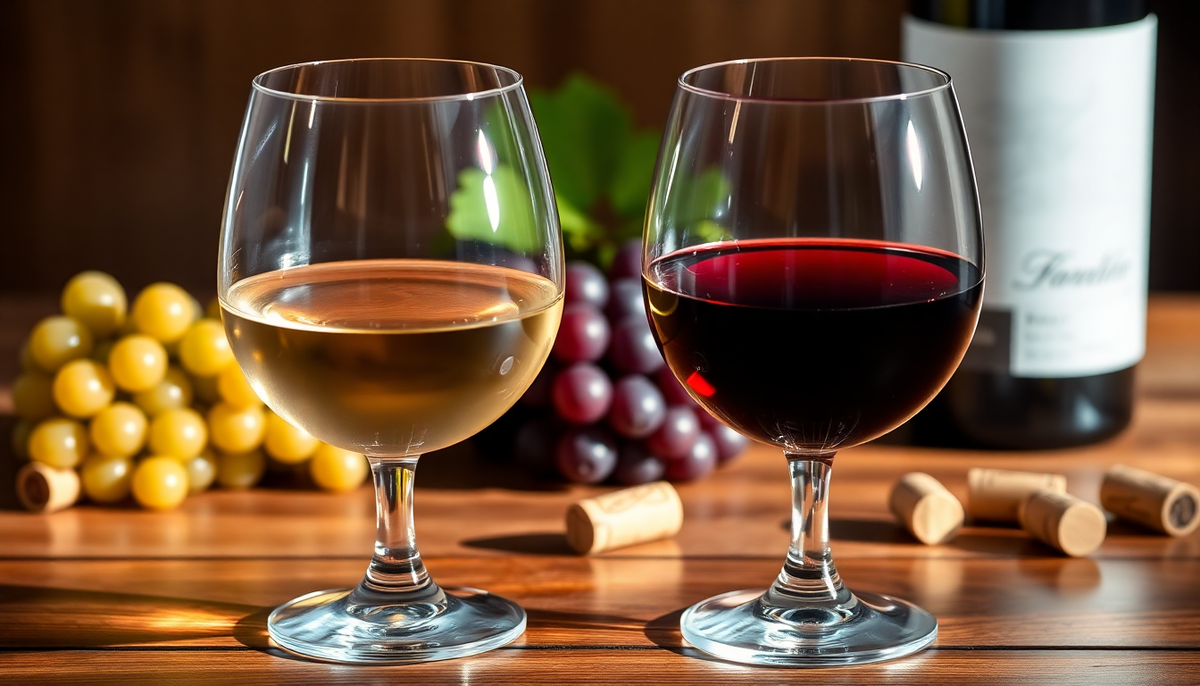
When you're browsing the wine section at Curtis Family Vineyards or any wine shop, you've probably encountered the terms "light-bodied" and "full-bodied" wine. These descriptors are fundamental to understanding wine, yet many people find them confusing. What exactly does body mean when we're talking about wine? How does it affect the taste, and more importantly, how should it influence your purchasing decisions? This comprehensive guide will walk you through everything you need to know about light-bodied versus full-bodied wines, helping you make informed choices that suit your palate and preferences.
Understanding Wine Body: The Basics
Wine body refers to the weight and texture of wine in your mouth. When wine experts talk about body, they're describing how the wine feels when you drink it, not necessarily how it tastes. Think of it like the difference between skim milk and whole milk – both are milk, but they have different weights and textures on your tongue. This sensation comes from several components in the wine, including alcohol content, tannins, glycerin, and other dissolved compounds.
The body of a wine is one of the most important characteristics to understand because it influences food pairings, serving temperatures, and overall enjoyment. A light-bodied wine might feel delicate and crisp, while a full-bodied wine might feel rich and substantial. Understanding this distinction can dramatically improve your wine-drinking experience and help you discover wines you'll genuinely love.
What Creates Wine Body?
Several factors contribute to a wine's body. The primary factor is alcohol content. Wines with higher alcohol percentages tend to feel heavier and fuller in your mouth. This is because alcohol has a warming sensation and adds weight to the wine. A wine with 15% alcohol will feel noticeably heavier than one with 11% alcohol.
Tannins also play a significant role in creating body. Tannins are compounds found primarily in red wines that come from grape skins, seeds, and stems. They create a drying sensation in your mouth, similar to what you experience when you bite into the skin of a grape. Wines with higher tannin levels typically feel fuller-bodied because of this astringent quality.
Glycerin is another important component. This natural sugar compound contributes to the viscosity and sweetness of wine. Wines with higher glycerin content feel smoother and more substantial on the palate. Residual sugar, the natural sugars left in the wine after fermentation, also contributes to body and mouthfeel.
Finally, the concentration of flavor compounds and extract – the non-volatile compounds that give wine its character – influences body. Wines made from riper grapes or those that have undergone extended aging often have more extract, contributing to a fuller body.
Light-Bodied Wines: Characteristics and Examples
Light-bodied wines are characterized by their delicate, crisp, and refreshing qualities. These wines typically have lower alcohol content, usually ranging from 8% to 12.5% ABV (alcohol by volume). They feel almost weightless on the palate, with a clean finish that doesn't linger heavily in your mouth.
What Makes a Wine Light-Bodied?
Light-bodied wines are typically produced from grapes grown in cooler climates or harvested earlier in the season when sugar levels are lower. This results in lower alcohol content and higher acidity, which contributes to their crisp character. The fermentation process is often designed to preserve the wine's delicate flavors and fresh qualities rather than extract maximum flavor and body.
Light-bodied wines often have minimal oak aging or no oak aging at all. Oak aging adds weight and complexity to wine, so wines aged in stainless steel or concrete tend to be lighter. These wines are usually meant to be consumed young, while their fresh, vibrant qualities are at their peak.
Popular Light-Bodied White Wines
Sauvignon Blanc is one of the most popular light-bodied white wines. Known for its crisp acidity and herbaceous notes, Sauvignon Blanc from regions like the Loire Valley in France or Marlborough in New Zealand offers bright, refreshing qualities. These wines typically have alcohol content between 10% and 13%, making them perfect for warm weather drinking.
Pinot Grigio is another classic light-bodied white wine. Originating from Italy, Pinot Grigio is known for its pale color, delicate flavors of green apple and citrus, and refreshing acidity. It's one of the most approachable wines for beginners and pairs well with light appetizers and seafood.
Albariño, a Spanish white wine from the Rías Baixas region, is a wonderful light-bodied option with mineral qualities and citrus notes. It's slightly more substantial than Sauvignon Blanc or Pinot Grigio but still maintains that light, refreshing character.
Riesling, particularly dry versions from Germany and Alsace, offers light body with aromatic qualities. While some Rieslings can be sweeter and fuller-bodied, the dry versions are delicate and crisp, with beautiful floral and fruit notes.
Vinho Verde, a Portuguese wine, is perhaps the ultimate light-bodied white wine experience. With low alcohol content (often around 9-10%) and slight carbonation, it's incredibly refreshing and perfect for casual drinking.
Light-Bodied Red Wines
While red wines are often associated with full body, several light-bodied red options exist. Pinot Noir is the quintessential light-bodied red wine. With lower tannins than other red varieties and elegant fruit flavors, Pinot Noir from regions like Burgundy, Oregon, or New Zealand offers complexity without heaviness.
Gamay, the grape used to make Beaujolais, is another light-bodied red option. Known for its fruity character and low tannins, Gamay is perfect for those who find heavier reds overwhelming. Beaujolais Nouveau, released each November, is a celebration of this light, fresh style.
Barbera, an Italian red wine, offers light to medium body with bright acidity and cherry flavors. It's less tannic than many red wines, making it accessible and food-friendly.
Grenache, particularly from regions like Châteauneuf-du-Pape or Spain's Priorat, can be light to medium-bodied depending on the winemaking style. Lighter versions offer red fruit flavors with spicy notes and moderate tannins.
Full-Bodied Wines: Characteristics and Examples
Full-bodied wines are the opposite of their light-bodied counterparts. These wines feel substantial, rich, and complex in your mouth. They typically have higher alcohol content, ranging from 13% to 15% or even higher. Full-bodied wines often have more pronounced flavors, higher tannin levels, and a longer finish that lingers on your palate.
What Makes a Wine Full-Bodied?
Full-bodied wines are typically produced from riper grapes, often grown in warmer climates or during warm vintages. Riper grapes have higher sugar content, which ferments into higher alcohol levels. This increased alcohol content is the primary factor that makes these wines feel fuller and heavier in your mouth.
Full-bodied wines often undergo oak aging, which adds complexity, vanilla notes, and additional tannins. The extended contact with oak also allows for oxidation, which concentrates flavors and adds depth. Many full-bodied wines are designed for aging, developing more complexity and integration over time.
The production methods for full-bodied wines often emphasize extraction – pulling maximum flavor, color, and tannins from the grape skins. This might involve extended maceration (skin contact), higher fermentation temperatures, or other techniques designed to create a more powerful wine.
Popular Full-Bodied Red Wines
Cabernet Sauvignon is perhaps the most iconic full-bodied red wine. With high tannin levels, dark fruit flavors, and the ability to age for decades, Cabernet Sauvignon from Bordeaux, Napa Valley, or other prestigious regions is the definition of a full-bodied wine. These wines often have alcohol content between 13% and 15%, with rich, complex flavors that evolve over time.
Syrah, also known as Shiraz in Australia, is another full-bodied red wine. Known for its dark fruit flavors, peppery spice, and substantial tannins, Syrah from regions like the Rhône Valley or Australia offers powerful, complex wines that demand attention.
Malbec, an Argentine red wine, has gained popularity in recent years. With deep color, full body, and flavors of dark plum and blackberry, Malbec offers excellent value and impressive quality. These wines typically have higher alcohol content and substantial tannins.
Nebbiolo, an Italian red wine from Piedmont, is known for its high tannins and full body. Wines like Barolo and Barbaresco, made from Nebbiolo grapes, are among the most age-worthy and complex wines in the world. They require patience and proper cellaring but reward with incredible complexity.
Tempranillo, the primary grape in Spanish Rioja wines, offers full body with earthy, tobacco, and dark fruit notes. Aged in oak, these wines develop complexity and elegance while maintaining their substantial character.
Full-Bodied White Wines
While white wines are often lighter, several full-bodied white options exist. Chardonnay, particularly when aged in oak, is a full-bodied white wine. Burgundian Chardonnay or California Chardonnay offers rich, complex flavors with buttery, vanilla notes from oak aging. These wines can have alcohol content of 13% to 14.5% or higher.
Viognier, a white wine from the Rhône Valley, is known for its full body and aromatic qualities. With higher alcohol content and rich, stone fruit flavors, Viognier offers a fuller white wine experience.
Marsanne, another Rhône white wine, offers full body with nutty, honeyed flavors. These wines age well and develop complexity over time.
Grüner Veltliner, an Austrian white wine, can range from light to full-bodied depending on the producer and vintage. Fuller versions offer white pepper spice, stone fruit flavors, and substantial body.
Gewürztraminer, particularly from Alsace, offers full body with aromatic qualities. These wines often have higher alcohol content and residual sugar, creating a rich, complex experience.
The Spectrum: Medium-Bodied Wines
It's important to note that body exists on a spectrum. Not all wines are strictly light or full-bodied; many fall somewhere in the middle. Medium-bodied wines offer a balance between the delicate qualities of light-bodied wines and the richness of full-bodied wines.
Examples of Medium-Bodied Wines
Merlot is often considered a medium-bodied red wine. With moderate tannins and alcohol content typically between 12% and 14%, Merlot offers approachable, fruit-forward flavors without the heaviness of Cabernet Sauvignon.
Sangiovese, the primary grape in Chianti, is a medium-bodied red wine with bright acidity, moderate tannins, and cherry flavors. These wines are food-friendly and versatile.
Zinfandel can range from medium to full-bodied depending on the producer, but many examples fall in the medium range. With jammy fruit flavors and moderate tannins, Zinfandel offers a fun, approachable wine experience.
Rosé wines are typically medium-bodied, offering more substance than light white wines but less weight than full-bodied reds. The color comes from brief skin contact, giving rosé its characteristic pink hue and moderate tannin levels.
Sauvignon Blanc from warmer regions or older vintages can be medium-bodied, offering more richness than typical light-bodied versions while maintaining crisp acidity.
How to Identify Wine Body When Tasting
Learning to identify wine body is a skill that improves with practice. Here are some techniques to help you develop this ability.
Visual Cues
While you can't determine body solely from appearance, visual inspection offers some clues. Full-bodied wines often have deeper color intensity. A full-bodied red wine will appear darker and more opaque than a light-bodied red. Similarly, full-bodied white wines often have deeper golden or amber hues compared to the pale yellow of light-bodied whites.
When you swirl the wine in your glass, observe the legs or tears that form on the inside of the glass. Wines with higher alcohol content and glycerin tend to form more pronounced legs that move slowly down the glass. However, this isn't a definitive indicator, as some light-bodied wines with high acidity can also show legs.
Aromatic Clues
The intensity and type of aromas can suggest body. Full-bodied wines often have more intense, complex aromas. Light-bodied wines typically have fresher, more delicate aromas. However, this is subjective and depends on the specific wine and your sensitivity to aromas.
Taste and Mouthfeel
The most reliable way to identify body is through taste and mouthfeel. Take a sip and pay attention to how the wine feels in your mouth. Does it feel light and crisp, or does it feel heavy and substantial? Does it coat your mouth, or does it feel clean and refreshing?
Pay attention to the finish – how long the flavors linger after you swallow. Light-bodied wines typically have shorter finishes, while full-bodied wines have longer, more persistent finishes.
Consider the alcohol warmth. Higher alcohol wines create a warming sensation in your mouth and throat. This is a key indicator of body, as alcohol content is the primary factor determining body.
Food Pairing: Matching Wine Body to Your Meal
Understanding wine body is crucial for successful food pairing. The general principle is to match the weight of the wine to the weight of the food.
Light-Bodied Wines with Food
Light-bodied wines pair beautifully with delicate, light foods. Fresh seafood like oysters, clams, and white fish pairs wonderfully with light-bodied white wines like Sauvignon Blanc or Pinot Grigio. The crisp acidity of these wines complements the briny, delicate flavors of seafood.
Salads, particularly those with vinaigrette dressings, pair well with light-bodied wines. The acidity in both the wine and the dressing creates a harmonious combination.
Light appetizers, cheese boards with mild cheeses, and fresh fruits pair nicely with light-bodied wines. These wines won't overpower delicate flavors.
Light-bodied red wines like Pinot Noir pair well with lighter meat dishes like chicken, turkey, and pork. They also work with mushroom-based dishes and lighter pasta preparations.
Full-Bodied Wines with Food
Full-bodied wines pair with rich, hearty foods. Grilled steaks, roasted beef, and other red meat dishes are classic pairings for full-bodied red wines like Cabernet Sauvignon or Syrah. The tannins in these wines cut through the richness of the meat, creating a balanced pairing.
Heavy cream sauces, rich cheeses, and fatty foods pair well with full-bodied wines. The wine's weight and tannins complement the richness of the food.
Spicy foods can pair well with full-bodied wines, particularly those with higher alcohol content. The alcohol helps cool the heat of spices.
Full-bodied white wines pair with rich seafood preparations, creamy pasta dishes, and poultry with rich sauces. The weight of the wine matches the richness of the food.
Medium-Bodied Wines: The Versatile Option
Medium-bodied wines are incredibly versatile for food pairing. They work with a wide range of foods, from light to moderately rich dishes. This versatility makes them excellent choices for meals where you're uncertain about the wine pairing or when serving multiple dishes.
Serving Temperature and Wine Body
Wine body also influences serving temperature. Light-bodied wines are typically served colder than full-bodied wines.
Light-Bodied Wine Serving Temperatures
Light-bodied white wines should be served between 45°F and 50°F (7°C to 10°C). This cold temperature enhances their crisp, refreshing qualities and suppresses any off-flavors that might be present.
Light-bodied red wines like Pinot Noir are often served slightly chilled, between 55°F and 60°F (13°C to 15°C). This temperature preserves their delicate fruit flavors and acidity.
Full-Bodied Wine Serving Temperatures
Full-bodied white wines should be served between 50°F and 55°F (10°C to 13°C). This slightly warmer temperature allows their complex flavors to shine without being masked by excessive cold.
Full-bodied red wines are served at room temperature, typically between 60°F and 65°F (15°C to 18°C). This temperature allows the wine's tannins to integrate properly and the complex flavors to develop fully.
Wine Body and Aging Potential
Wine body often correlates with aging potential. Full-bodied wines, particularly those with high tannin levels and good acidity, often age well and develop complexity

Leave a comment
This site is protected by hCaptcha and the hCaptcha Privacy Policy and Terms of Service apply.