

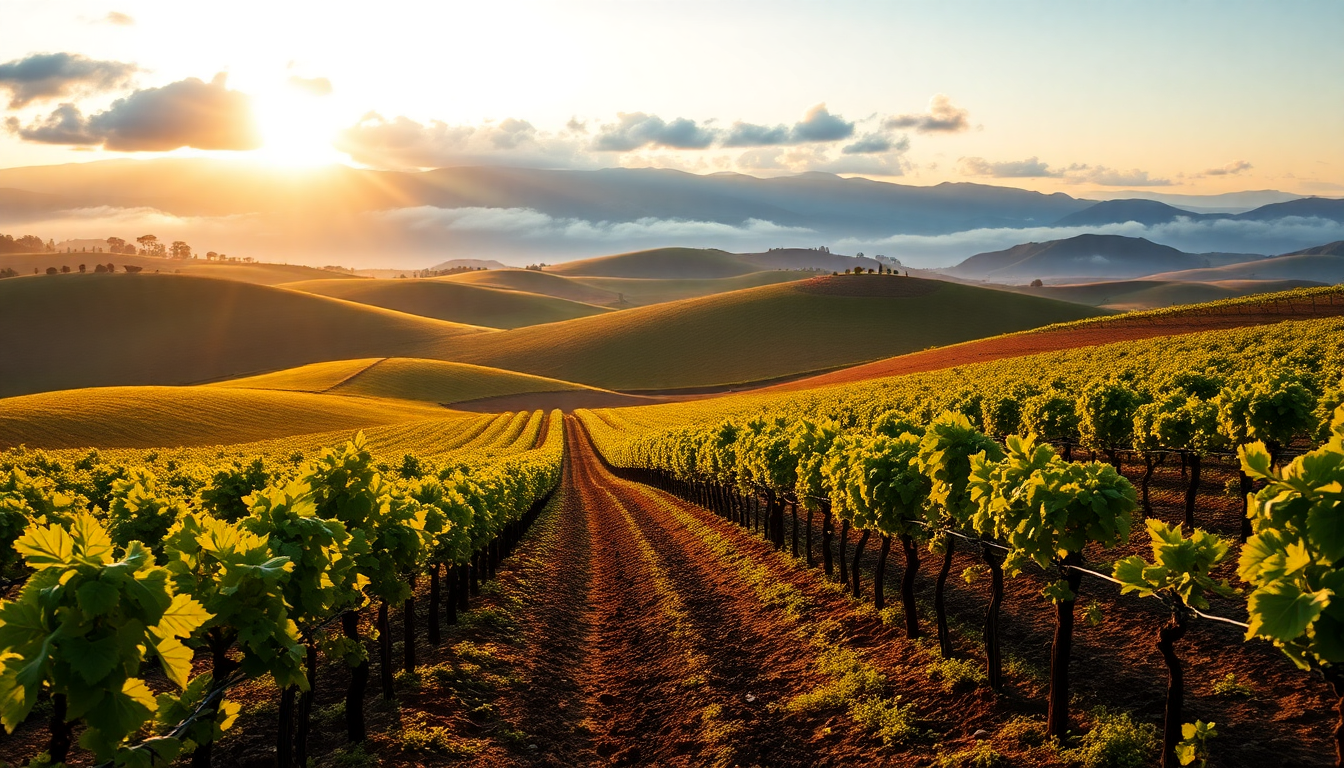
When wine enthusiasts gather to discuss their favorite bottles, you'll inevitably hear the word "terroir" mentioned with reverence and passion. It's a term that seems to carry almost mystical significance in the wine world, yet many people who encounter it remain puzzled about what it truly means. At Curtis Family Vineyards, we believe that understanding terroir is essential to appreciating wine at a deeper level. This comprehensive guide will explore the concept of terroir, its components, its impact on wine production, and why it matters so much to winemakers and wine lovers alike.
Understanding the Basics of Terroir
The word "terroir" comes from the French term "terre," which simply means "earth" or "land." However, the concept of terroir extends far beyond just the soil beneath the vines. Terroir encompasses the complete natural environment in which grapes are grown, including the soil composition, topography, climate, and even the microorganisms present in the vineyard. It's a holistic concept that recognizes how every element of a vineyard's environment contributes to the final character of the wine produced there.
The French have long understood that the same grape variety grown in different locations will produce distinctly different wines. This observation led to the development of the concept of terroir, which has become fundamental to how wine is produced, classified, and appreciated throughout the world. The idea is that terroir imparts a sense of place to the wine, making it a direct expression of where it comes from.
The French Perspective on Terroir
The French wine industry has built its entire classification system around the concept of terroir. In France, the Appellation d'Origine Contrôlée (AOC) system is designed to protect and promote wines based on their geographic origin. The French believe so strongly in terroir that they often consider it more important than the winemaker's skill or the grape variety itself. This perspective has shaped European wine law and influenced wine production practices around the globe.
The French term "goût de terroir," which means "taste of the earth," perfectly captures this philosophy. French winemakers strive to create wines that reflect their specific vineyard location, believing that this connection to place is what makes wine truly special and valuable. This approach has resulted in some of the world's most prestigious and sought-after wines, from the Burgundies of France to the Bordeaux blends that command premium prices at auction.
The Components of Terroir
To truly understand terroir, we need to examine its various components and how each one influences the final product. While terroir is often discussed as a single concept, it's actually composed of several distinct elements that work together to create the unique characteristics of a wine.
Soil Composition
The soil is perhaps the most fundamental component of terroir. Different soil types have dramatically different properties that affect how grapevines grow and how the grapes develop. The mineral content of soil, its pH level, its water retention capacity, and its nutrient composition all play crucial roles in determining the characteristics of the grapes grown in it.
Limestone-rich soils, for example, tend to produce wines with higher acidity and more mineral characteristics. Slate soils, found in regions like the Mosel Valley in Germany, impart a distinctive mineral quality to white wines. Clay soils retain more water and tend to produce fuller-bodied wines with riper fruit characteristics. Sandy soils drain quickly and are often used in regions where water stress is desirable to concentrate grape flavors.
The concept of "minerality" in wine is directly related to soil composition. When wine tasters describe a wine as having mineral notes, they're often referring to characteristics that come from the specific minerals present in the vineyard's soil. These minerals are absorbed by the grapevines and incorporated into the grapes, eventually influencing the flavor profile of the finished wine.
Climate and Weather Patterns
Climate is another crucial component of terroir. The temperature, rainfall, humidity, and sunshine hours in a vineyard region all significantly impact grape development. Cool climate regions produce wines with higher acidity and more delicate fruit flavors, while warm climate regions tend to produce wines with higher alcohol content and riper fruit characteristics.
The concept of "vintage variation" is directly related to climate. Each year brings slightly different weather conditions, which affects how the grapes develop and ultimately influences the character of the wine produced that year. A particularly warm year might produce riper grapes and fuller-bodied wines, while a cooler year might result in wines with more acidity and lighter body.
Microclimates within a vineyard region can also be significant. A vineyard on a south-facing slope might receive more direct sunlight than one on a north-facing slope, resulting in riper grapes and different wine characteristics. Proximity to water bodies, elevation, and wind patterns all contribute to the microclimate of a specific vineyard.
Topography and Elevation
The physical geography of a vineyard location plays an important role in terroir. Elevation affects temperature, with higher elevations generally being cooler. This can slow grape ripening and result in wines with higher acidity and more delicate flavors. Slope and aspect (the direction a slope faces) determine how much sunlight the vines receive throughout the day and season.
Vineyards on steep slopes often produce exceptional wines because the angle of the slope maximizes sun exposure and the steep terrain naturally limits vine vigor, forcing the plant to focus its energy on producing quality fruit rather than excessive vegetative growth. The famous terraced vineyards of regions like the Douro Valley in Portugal and the Mosel Valley in Germany demonstrate how topography can be leveraged to create ideal growing conditions.
Biodiversity and Microorganisms
The living ecosystem within and around a vineyard also contributes to terroir. The microorganisms in the soil, including bacteria and fungi, influence nutrient availability and soil health. The insects, birds, and other fauna in the vineyard ecosystem all play roles in maintaining balance and health.
The yeast present in a vineyard is particularly important. Wild yeasts naturally present on grape skins and in the vineyard environment can influence fermentation and contribute unique characteristics to the wine. Some winemakers deliberately use these native yeasts rather than commercial yeast strains to preserve the unique character of their terroir.
How Terroir Influences Wine Characteristics
Understanding how terroir influences wine is essential to appreciating why this concept is so important to winemakers and wine enthusiasts. The components of terroir work together to influence virtually every aspect of the final wine.
Flavor Profile Development
The flavor characteristics of a wine are directly influenced by terroir. Grapes grown in cooler climates tend to develop more herbaceous and citrus flavors, while those grown in warmer climates develop riper fruit flavors and higher sugar content. The mineral content of the soil influences the mineral notes that appear in the finished wine.
Different soil types produce distinctly different flavor profiles even when the same grape variety is grown. Pinot Noir from limestone soils tastes different from Pinot Noir grown in volcanic soils or sandy soils. These differences are so pronounced that experienced wine tasters can often identify the terroir of a wine simply by tasting it.
Acidity and pH Levels
Terroir significantly influences the acidity of wine. Cooler climate regions produce grapes with higher natural acidity, which results in wines with more vibrant, crisp characteristics. This is why Rieslings from cool climate regions like Germany and Alsace are known for their high acidity and longevity.
The pH of the soil influences the pH of the grapes and ultimately the wine. Acidic soils tend to produce grapes with higher acidity, while alkaline soils produce grapes with lower acidity. This is why winemakers in warm regions sometimes struggle to maintain adequate acidity in their wines, while those in cool regions often have the opposite problem.
Alcohol Content
The ripeness of grapes, which is heavily influenced by climate and terroir, determines the sugar content of the grapes at harvest. Higher sugar content results in higher alcohol content in the finished wine. This is why wines from warm climate regions typically have higher alcohol content than those from cool climate regions.
Tannin Structure
For red wines, terroir influences the development of tannins in the grape skins. Cooler climates tend to produce grapes with more structured, firm tannins, while warmer climates produce softer, riper tannins. The soil composition also influences tannin development, with certain soil types producing grapes with more pronounced tannin structures.
Terroir in Different Wine Regions
To truly understand how terroir works, it's helpful to examine how it manifests in different wine regions around the world. Each region has unique terroir characteristics that influence the wines produced there.
Burgundy, France
Burgundy is perhaps the most famous example of terroir-driven winemaking. The region is divided into hundreds of small vineyard parcels, each with its own classification based on terroir. The concept of "climat," which refers to a specific vineyard site with consistent terroir characteristics, is central to Burgundy's wine classification system.
The limestone-rich soils of Burgundy impart distinctive mineral characteristics to the Pinot Noir and Chardonnay wines produced there. The cool continental climate results in wines with high acidity and elegant, refined characteristics. The subtle variations in soil composition, elevation, and aspect between neighboring vineyard parcels result in wines with distinctly different characteristics, even though they're made from the same grape varieties by neighboring winemakers.
Bordeaux, France
Bordeaux demonstrates how terroir influences the blending decisions of winemakers. The Left Bank of Bordeaux, with its gravel soils and warmer microclimate, is ideal for Cabernet Sauvignon, while the Right Bank, with its clay and limestone soils and slightly cooler conditions, is better suited to Merlot. These terroir differences have shaped the wine styles of each region.
The Médoc region on the Left Bank produces wines with firm tannins and structured characteristics, while the Pomerol region on the Right Bank produces softer, more voluptuous wines. These differences are directly attributable to terroir variations between the two regions.
Napa Valley, California
Napa Valley demonstrates how terroir operates in the New World. The valley has numerous distinct microclimates and soil types, each suited to different grape varieties. The cooler Carneros region at the southern end of the valley produces elegant Pinot Noir and Chardonnay, while the warmer Rutherford area produces full-bodied Cabernet Sauvignon.
The volcanic soils of certain Napa Valley locations impart distinctive characteristics to wines grown there. Winemakers in Napa have increasingly recognized the importance of terroir and have begun focusing on expressing the unique characteristics of their specific vineyard locations rather than trying to produce a standardized style.
Tuscany, Italy
Tuscany's Chianti region demonstrates how terroir influences traditional wine regions. The region's clay and limestone soils, combined with its Mediterranean climate, create ideal conditions for Sangiovese grapes. The terroir of Chianti produces wines with distinctive acidity, earthy characteristics, and moderate alcohol content.
The higher elevation vineyards of Chianti Classico produce wines with more acidity and structure than those from lower elevations, demonstrating how even small topographic variations influence terroir and wine characteristics.
Mosel Valley, Germany
The Mosel Valley is famous for its steep slate soils and cool climate, which combine to produce exceptional Riesling wines. The slate soils impart a distinctive mineral quality to the wines, while the cool climate preserves high acidity and delicate fruit flavors. The steep south-facing slopes maximize sun exposure despite the cool climate, allowing grapes to ripen adequately while maintaining the high acidity that characterizes Mosel Rieslings.
The Debate Around Terroir
While terroir is widely accepted as an important concept in wine, there is ongoing debate about its significance and how much it actually influences wine characteristics compared to other factors like winemaking technique and grape variety.
Critics of Terroir
Some wine experts argue that terroir is overemphasized in wine discussions and that winemaking technique and grape variety are actually more important in determining wine quality and characteristics. They point out that modern winemaking technology allows winemakers to manipulate wine characteristics significantly, potentially overriding terroir influences.
Others argue that the concept of terroir is too vague and difficult to measure scientifically. How do you quantify the influence of terroir versus other factors? Can you really taste the difference between wines from different terroirs, or are you simply experiencing the power of suggestion?
Defenders of Terroir
Supporters of terroir argue that while winemaking technique is important, it cannot completely override the fundamental characteristics imparted by terroir. They point to blind tastings where experienced tasters can identify wines by their terroir characteristics, suggesting that terroir effects are real and measurable.
They also argue that the greatest wines in the world come from regions with exceptional terroir, and that winemakers in these regions have learned to work with their terroir rather than against it. The success of traditional wine regions like Burgundy and Bordeaux is attributed to their exceptional terroir and the winemakers' understanding of how to express it.
The Middle Ground
Most modern wine professionals recognize that both terroir and winemaking technique are important. The best wines typically come from regions with good terroir that are made by skilled winemakers who understand how to work with their terroir. Neither factor alone is sufficient to guarantee quality.
Terroir and Wine Classification Systems
Understanding terroir is essential to understanding how wines are classified and regulated in different regions around the world. Many wine classification systems are based on the principle that terroir is the primary determinant of wine quality and characteristics.
The French AOC System
The French Appellation d'Origine Contrôlée (AOC) system is the most famous terroir-based classification system. The AOC system designates specific geographic regions and establishes rules about which grape varieties can be grown, how they must be cultivated, and how the wine must be produced. The underlying philosophy is that wines from a specific region with specific terroir characteristics should be made in a consistent way to preserve the expression of that terroir.
The Italian DOCG System
Italy's Denominazione di Origine Controllata e Garantita (DOCG) system is similar to the French AOC system and is also based on the principle that terroir is fundamental to wine quality. The DOCG system includes even stricter regulations than the DOC system, with the goal of ensuring that wines from designated regions truly express their terroir.
The Spanish DO System
Spain's Denominación de Origen (DO) system similarly recognizes the importance of terroir in wine production. Spanish wine regions are classified based on their terroir characteristics, and regulations are designed to ensure that wines from each region express the unique characteristics of that region's terroir.
New World Classification Systems
New World wine regions have been slower to adopt terroir-based classification systems, but this is changing. In the United States, the American Viticultural Area (AVA) system designates specific regions based on geographic and climatic characteristics. While the AVA system is less restrictive than European systems, it recognizes the importance of terroir in determining wine characteristics.
The Science Behind Terroir
While terroir has long been understood intuitively by winemakers, modern science is beginning to provide explanations for how terroir influences wine characteristics.
Soil Science and Grape Nutrition
Research has shown that soil composition directly influences the mineral content of grapes and ultimately the mineral characteristics of wine. Different soil types provide different nutrient profiles, which influences how grapes develop and what characteristics they express.
Studies have shown that grapes grown in limestone-rich soils have different mineral compositions than those grown in volcanic soils or sandy soils. These mineral differences are reflected in the finished wine, contributing to the distinctive characteristics associated with different terroirs.
Climate Science and Grape Ripening
Climate science has provided detailed explanations for how temperature, rainfall, and sunshine hours influence grape ripening and sugar accumulation. Growing degree days (GDD), a measure of cumulative heat during the growing season, is used to predict grape ripeness and wine characteristics.
Research has shown that cooler climate regions produce grapes with higher acidity and more delicate flavors, while warmer regions produce riper grapes with higher sugar content and fuller-bodied wines. This scientific understanding confirms what winemakers have long known intuitively about how climate influences wine.
Microbiology and Fermentation
Research into the microorganisms present in vineyards has revealed that different regions have different populations of wild yeasts and bacteria. These microorganisms influence fermentation and can contribute unique characteristics to wines fermented with native yeasts rather than commercial yeast strains.
Studies have shown that the microbial communities in vineyards are influenced by soil composition, climate, and other environmental factors. This means that the microorganisms present in a vineyard are themselves an expression of terroir, contributing to the unique characteristics of wines from that region.
Expressing Terroir in Winemaking
Understanding terroir is one thing; expressing it in the finished wine is another. Winemakers who want to showcase their terroir must make deliberate choices throughout the winemaking process.
Minimal Intervention Winemaking
Many winemakers who prioritize terroir expression practice minimal intervention winemaking. This approach involves making as few manipulations as possible during fermentation and aging, allowing the natural characteristics of the grapes and terroir to shine through.
Minimal intervention might include using native yeasts for fermentation, avoiding excessive filtration, and using minimal sulfite additions. The goal is to preserve the unique characteristics imparted by terroir rather than imposing a standardized winemaking style.
Harvest Timing
The



Leave a comment
This site is protected by hCaptcha and the hCaptcha Privacy Policy and Terms of Service apply.