

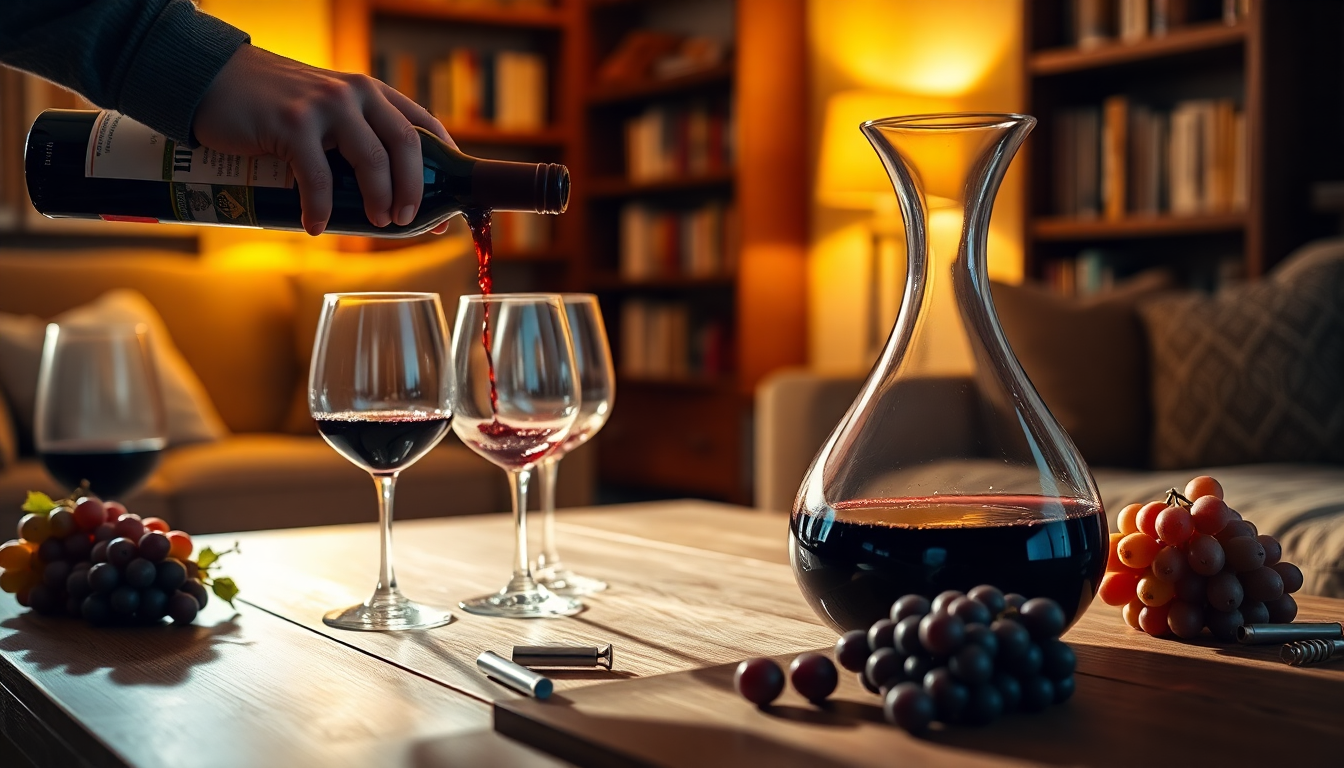
Wine decanting is one of those practices that often seems shrouded in mystery and tradition. Walk into any wine shop, and you'll likely see elegant decanters displayed prominently. Visit a fine dining restaurant, and you might witness a sommelier carefully pouring wine into a crystal vessel with ceremonial precision. But for the average wine enthusiast enjoying a bottle at home, the question remains: is decanting really necessary, or is it simply an unnecessary ritual that adds complexity to what should be a straightforward pleasure?
At Curtis Family Vineyards, we believe in demystifying wine and helping our customers enjoy their purchases to the fullest. Whether you're a seasoned collector or someone who simply enjoys a glass of wine with dinner, understanding the true purpose and benefits of decanting can help you make informed decisions about how to serve your wines. This comprehensive guide will explore everything you need to know about decanting wine at home, from the science behind it to practical advice on whether you actually need to do it.
Understanding What Decanting Actually Does
Before we can answer whether you need to decant wine, we first need to understand what decanting actually accomplishes. Many people assume decanting is purely for aesthetic purposes or to show off fancy glassware, but the practice actually serves several legitimate functions.
The Science of Aeration
The primary purpose of decanting is to expose wine to oxygen. When wine is first opened, it has been sealed away from air for months or even years. The wine that emerges from the bottle is in a relatively reduced state, meaning it hasn't had much contact with oxygen. By pouring the wine into a decanter and allowing it to sit, you're increasing the surface area of the wine exposed to air, which allows oxidation to occur.
This oxidation process can have several effects on wine. For young, tannic wines, aeration can help soften harsh tannins and open up the wine's aromatics. The wine may smell more complex and taste smoother after just a few minutes of aeration. For older wines, aeration can sometimes revive tired aromatics and bring the wine back to life. However, it's important to note that excessive aeration can also damage delicate wines, causing them to lose their subtle characteristics.
Separation of Sediment
Another important function of decanting is the separation of sediment from the wine. As red wines age, they develop sediment—tiny particles that settle to the bottom of the bottle. This sediment consists of tannins, color compounds, and other elements that have precipitated out of the liquid over time. While sediment isn't harmful to drink, it can create a gritty texture and bitter taste that detracts from the wine's enjoyment.
By carefully pouring wine into a decanter, you can leave the sediment behind in the bottle. This requires a gentle hand and some attention, but it's a straightforward process that can significantly improve the drinking experience, especially with older wines that have developed substantial sediment.
Allowing Wine to Breathe
Beyond the technical aspects of aeration and sediment removal, decanting simply allows wine to breathe. This is a more poetic way of describing what happens when wine is exposed to air, but it's a real phenomenon. Many wines benefit from a period of aeration before drinking, during which the wine's flavors and aromas can develop and evolve.
Types of Wines That Benefit from Decanting
Not all wines benefit equally from decanting. Understanding which wines are good candidates for decanting can help you decide whether to use a decanter for any particular bottle.
Young, Tannic Red Wines
Young red wines, particularly those from regions like Bordeaux, Barossa Valley, or Napa Valley, often have high tannin levels that can make them taste harsh and astringent when first opened. These wines are typically meant to age for years or even decades, and when you open them young, they can benefit significantly from aeration. Decanting a young Cabernet Sauvignon or Bordeaux blend for thirty minutes to an hour can noticeably soften the tannins and make the wine more approachable.
Wines from Curtis Family Vineyards that fall into this category would benefit from decanting. If you've purchased a young, full-bodied red wine from our collection, giving it some time in a decanter before serving can enhance your experience.
Older Red Wines
Paradoxically, older red wines can also benefit from decanting, but for different reasons. As wines age, they develop sediment and can become somewhat tired or closed off. A careful decanting can separate the sediment and allow the wine to wake up, revealing secondary flavors and aromas that have developed over the years. However, older wines are also more delicate, so decanting should be done gently and the wine should be consumed relatively soon after decanting to avoid over-oxidation.
Full-Bodied White Wines
While red wines are the most common candidates for decanting, some full-bodied white wines can also benefit from aeration. Oaked Chardonnays, white Burgundies, and other complex white wines sometimes open up nicely with a bit of air exposure. However, white wines are generally more delicate than reds, so any decanting should be brief—just fifteen to twenty minutes.
Wines That Don't Need Decanting
Light-bodied red wines, rosés, and most white wines don't typically need decanting. These wines are meant to be enjoyed fresh and bright, and excessive aeration can actually diminish their appeal. Similarly, very old and fragile wines should be approached with caution; while they might benefit from decanting to remove sediment, they can also be damaged by too much air exposure.
The Practical Aspects of Decanting at Home
If you've decided that decanting might be beneficial for a particular wine, it's helpful to understand the practical aspects of the process. Decanting doesn't require special training or expensive equipment, though having the right tools can make it easier.
Choosing a Decanter
Decanters come in many shapes and sizes, from simple cylindrical vessels to elaborate artistic creations. For practical purposes, what matters most is that your decanter has a wide base and a relatively narrow neck. The wide base provides maximum surface area for aeration, while the narrow neck helps prevent excessive splashing when pouring.
You don't need an expensive decanter. A simple glass pitcher or even a large bowl can serve the purpose of aerating wine. The fancy crystal decanters you see in wine shops are beautiful and can enhance the presentation of wine, but they're not necessary for the actual function of decanting.
The Decanting Process
The actual process of decanting is straightforward. First, stand the bottle upright for a few hours before decanting if it's an older wine with sediment. This allows the sediment to settle to the bottom. Then, carefully pour the wine into your decanter, holding the bottle at a slight angle. If you're trying to separate sediment, pour slowly and watch the neck of the bottle; stop pouring when you see sediment starting to come out.
If you're decanting a young wine simply for aeration, you can pour more freely. Some people even pour the wine from a height to increase aeration, though this is more theatrical than necessary.
How Long to Decant
The amount of time wine should spend in a decanter varies depending on the wine. Young, tannic wines might benefit from thirty minutes to two hours of aeration. Some people use the rule of thumb that wine should decant for one hour per decade of age, though this is more of a guideline than a hard rule.
Older wines should generally be decanted for shorter periods—perhaps fifteen to thirty minutes—to avoid over-oxidation. White wines should rarely spend more than twenty minutes in a decanter.
The best approach is to taste the wine as it aerates. Open a bottle, pour some into a decanter, and taste it every fifteen minutes or so. You'll quickly learn how much aeration your preferred wines need.
The Case for Decanting: Real Benefits You'll Experience
Now that we've covered the mechanics of decanting, let's discuss the real, tangible benefits you might experience when you decant wine at home.
Enhanced Aromatics
One of the most noticeable benefits of decanting is the enhancement of a wine's aroma. When wine first emerges from the bottle, its aromatic compounds are somewhat muted. As the wine aerates, these compounds become more volatile and more readily perceived by your nose. This is why wine professionals often recommend smelling wine multiple times during a tasting—the aroma changes as the wine opens up.
If you've ever noticed that a wine smells better after it's been sitting in your glass for a few minutes, you've experienced this phenomenon. Decanting simply accelerates this process, allowing you to enjoy the full aromatic complexity of the wine sooner.
Smoother Tannins
For young red wines with high tannin levels, decanting can make a dramatic difference in how the wine tastes. Harsh, astringent tannins can soften noticeably after just thirty minutes of aeration. This doesn't change the wine's fundamental character, but it makes it more pleasant to drink. If you've ever had a young wine that seemed too aggressive or mouth-puckering, decanting might have been the solution.
Improved Flavor Development
Beyond just softening tannins, aeration can help flavors develop and integrate. Young wines often have flavors that seem somewhat disjointed—you might taste fruit in one moment and oak in the next, without the flavors seeming to work together. As wine aerates, these flavors begin to meld and develop into a more cohesive whole.
Removal of Off-Flavors
Sometimes wine develops off-flavors or aromas that dissipate with aeration. A wine that smells slightly sulfurous or funky when first opened might smell clean and pleasant after a few minutes of air exposure. This is because some volatile compounds that create these unpleasant aromas will dissipate when exposed to oxygen.
The Ritual and Presentation
While not a technical benefit, there's also value in the ritual and presentation aspects of decanting. Taking time to decant wine, to smell it as it opens up, and to present it beautifully can enhance the overall experience of drinking wine. Wine is meant to be enjoyed, and if the process of decanting adds to your enjoyment, that's a legitimate benefit.
The Case Against Decanting: When It's Not Necessary
While decanting has real benefits, it's also important to acknowledge that it's not always necessary and can sometimes be counterproductive.
Time and Convenience
Let's be honest: decanting adds an extra step to the process of enjoying wine. If you want to open a bottle and drink it immediately, decanting requires you to wait. For many people, especially on weeknights when you just want to relax with a glass of wine after work, this extra step isn't worth it.
Risk of Over-Oxidation
While aeration can be beneficial, too much of it can be harmful. Some wines, particularly delicate older wines or light-bodied wines, can be damaged by excessive aeration. If you decant a wine and then let it sit for hours, you might end up with a wine that's lost its freshness and vitality. This is a real risk, especially if you're experimenting with decanting and aren't yet familiar with how specific wines respond to aeration.
Unnecessary for Many Wines
Many wines don't need decanting at all. Light-bodied red wines, most white wines, and rosés are all best enjoyed fresh and don't benefit from aeration. If you're drinking a wine that falls into these categories, decanting is simply an unnecessary step.
The Myth of Decanting
There's also a certain amount of mythology around decanting that can make it seem more important than it actually is. Some people feel obligated to decant wine because they believe it's the "proper" way to drink wine. In reality, there's no wine police coming to check whether you decanted your wine. If you prefer to drink wine straight from the bottle, that's perfectly fine.
Storage and Cleanup
Decanters also require storage space and need to be cleaned after use. If you're short on space or simply don't want to deal with the extra cleanup, this is another reason to skip decanting.
Making the Decision: Do You Really Need to Decant?
So, after all this discussion, do you really need to decant wine at home? The honest answer is: it depends.
Consider Your Wine
The first factor to consider is what wine you're drinking. If you've just opened a young, full-bodied red wine with high tannin levels, decanting is likely to improve your experience. If you're drinking a light-bodied wine or a white wine, decanting is probably unnecessary. If you're drinking an older wine with sediment, decanting can help separate the sediment and improve clarity.
Consider Your Preferences
Your personal preferences matter. Some people love the ritual of decanting and enjoy watching wine open up over time. Others find the whole process fussy and unnecessary. Neither perspective is wrong—it's about what brings you pleasure.
Consider Your Timeline
If you're planning to drink the wine over the course of an evening, decanting makes sense. If you're planning to drink it immediately, you might skip decanting. If you're planning to drink it over several hours, you might decant it and then enjoy watching it evolve in the glass.
Consider the Occasion
For casual weeknight drinking, decanting might be overkill. For a special dinner or wine tasting, taking the time to decant and properly present your wine can enhance the experience.
Consider Your Experience Level
If you're new to wine, you might want to experiment with decanting to see how it affects different wines. As you gain experience, you'll develop intuitions about which wines benefit from decanting and which don't.
Practical Tips for Decanting Success
If you've decided to try decanting, here are some practical tips to help you get the best results.
Invest in a Good Decanter
While you don't need an expensive decanter, investing in a decent one can make the process more enjoyable. Look for a decanter with a wide base and a shape that allows you to easily pour wine in and out. A decanter with a stopper is useful if you want to store wine in it for extended periods.
Use Proper Technique
When decanting, pour slowly and deliberately. If you're trying to separate sediment, watch the neck of the bottle carefully and stop pouring when sediment appears. If you're simply aerating, you can pour more freely, but avoid splashing excessively.
Taste as You Go
Don't just decant and wait a predetermined amount of time. Taste the wine periodically as it aerates. This will help you understand how the wine is changing and when it has reached its optimal point.
Consider Temperature
Wine tastes different at different temperatures. Make sure your wine is at the appropriate serving temperature before decanting. Red wines are generally best served at around 60-65 degrees Fahrenheit, while white wines are best at around 45-50 degrees.
Don't Decant Too Early
If you're decanting for aeration, don't decant hours before you plan to drink the wine. Decant thirty minutes to an hour before serving for most wines. If you decant too early, the wine might over-oxidize and lose its freshness.
Clean Your Decanter Properly
After using your decanter, clean it promptly. Wine can stain glass, and dried wine can be difficult to remove. Rinse the decanter with water immediately after use, and use a decanter brush or bottle brush to clean the inside thoroughly.
Common Decanting Mistakes to Avoid
Even with the best intentions, it's easy to make mistakes when decanting. Here are some common errors to avoid.
Decanting Too Early
As mentioned above, decanting too far in advance can lead to over-oxidation. Unless you're specifically trying to soften tannins in a young wine, avoid decanting more than an hour or so before serving.
Decanting Too Aggressively
Pouring wine from a great height or splashing it around excessively can introduce too much oxygen too quickly. This can be particularly damaging to delicate wines. Decant gently and deliberately.
Forgetting About the Wine
If you decant wine and then get distracted, you might forget about it and let it sit for hours. This can result in a wine that's lost its freshness. Set a reminder on your phone if you're worried about this.
Using the Wrong Decanter
While almost any vessel can technically serve as a decanter, using one that's too narrow or has a small base won't provide much aeration benefit. Choose a decanter with a wide base for maximum surface area.
Not Tasting the Wine
Some people decant wine and then drink it without ever tasting it to see if the decanting actually made a difference. Take a moment to taste the wine and notice how it's changed. This will help you learn which wines benefit from decanting and which don't.
Decanting Wines That Don't Need It
Perhaps the most common mistake is decanting wines that don't benefit from the process. Light-bodied wines, most white wines, and very old, delicate wines often don't need decanting and can actually be harmed by it.
The Science Behind Wine Evolution in the Glass
Understanding what happens to wine as it aerates can help you make better decisions about decanting. Wine is a complex chemical system, and exposure to oxygen triggers a series of chemical reactions that change the wine's flavor and aroma.
Oxidation and Reduction
Wine exists in a balance between oxidation and reduction. Oxidation occurs when wine is exposed to oxygen,

Leave a comment
This site is protected by hCaptcha and the hCaptcha Privacy Policy and Terms of Service apply.