

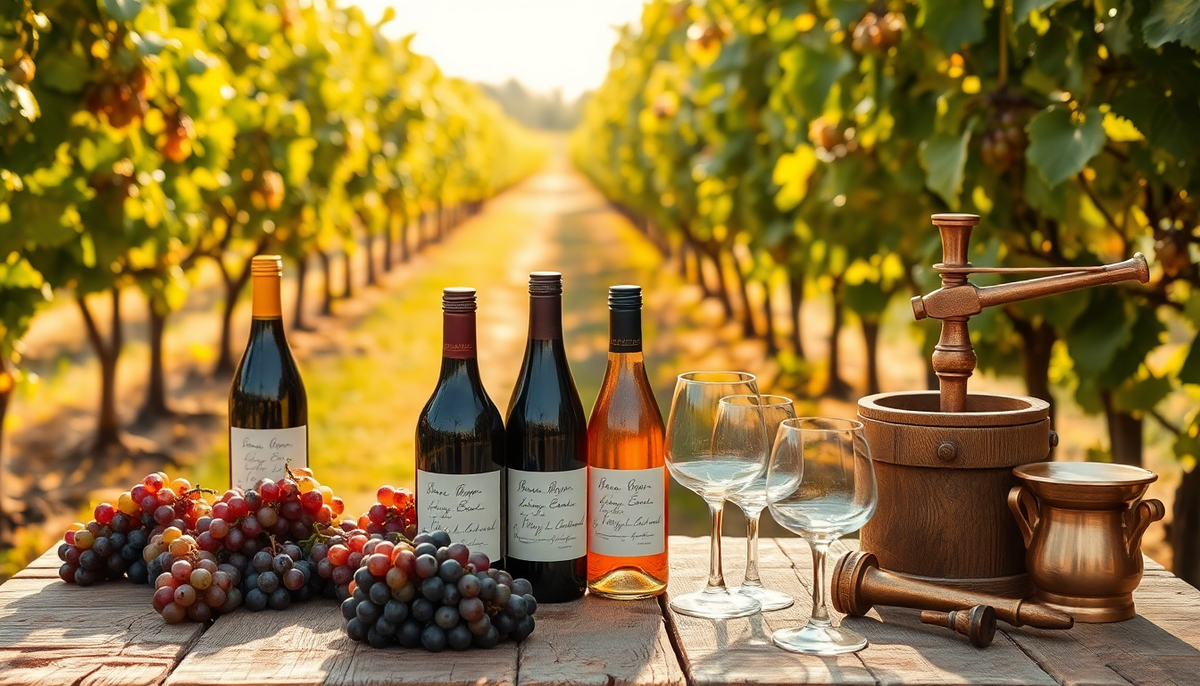
When you walk into a wine shop or browse an online wine retailer, you've likely encountered the term "small batch" wine. It's a phrase that appears on labels, in marketing materials, and in conversations between wine enthusiasts. But what does it really mean? Is it just marketing speak, or does it indicate something genuinely different about the wine you're purchasing? At Curtis Family Vineyards, we believe in transparency and education when it comes to wine production, which is why we're diving deep into this important topic.
The term "small batch" has become increasingly popular in the wine industry, much like it has in craft beer, spirits, and artisanal food production. However, unlike some regulated terms in the wine world, "small batch" doesn't have a strict legal definition set by government agencies like the TTB (Alcohol and Tobacco Tax and Trade Bureau) in the United States or similar organizations in other countries. This lack of standardization means that the term can be interpreted in various ways, and understanding what it truly means requires looking beyond the label.
Understanding the Basics of Wine Production Scale
Before we can fully understand what "small batch" means, we need to understand the different scales at which wine is produced. The wine industry encompasses everything from massive industrial operations producing millions of bottles annually to tiny garage wineries producing just a few hundred bottles per year. Each scale of production has its own characteristics, advantages, and challenges.
Industrial Wine Production
Large-scale wine production, often called industrial or commercial wine production, involves wineries that produce hundreds of thousands or even millions of bottles annually. These operations typically have significant capital investments in equipment, facilities, and technology. They often source grapes from multiple vineyards, sometimes across different regions or even different countries. The goal of industrial production is consistency, efficiency, and profit maximization.
Industrial wineries employ sophisticated technology to monitor fermentation, temperature control, and other critical aspects of wine production. They have dedicated quality control teams and often use additives and processing techniques to ensure that every bottle tastes the same. While this might sound negative, it's important to note that many excellent wines are produced at this scale. The consistency and reliability of industrial production have made quality wine accessible to millions of people worldwide.
However, industrial production does come with trade-offs. The focus on efficiency and consistency can sometimes come at the expense of individuality and character. Additionally, the sourcing of grapes from multiple locations means that the wine may not have the same sense of place, or terroir, as wines produced from a single vineyard or region.
Boutique and Artisanal Wine Production
On the opposite end of the spectrum, we have boutique and artisanal wine producers. These are typically smaller operations that produce anywhere from a few hundred to a few thousand cases annually. Many of these wineries are family-owned and operated, with a focus on quality over quantity. The winemakers at these operations often have a hands-on approach, making decisions about fermentation, aging, and blending based on their experience and intuition as much as on scientific measurements.
Boutique wineries often source their grapes from a single vineyard or a small group of carefully selected vineyards. This allows them to maintain a strong connection to the land and to produce wines that reflect the unique characteristics of their specific terroir. The smaller scale of production also allows for more experimentation and innovation, as the financial risk of trying new techniques or blends is more manageable.
Small Batch Wine Production
Small batch wine production falls somewhere in the middle of this spectrum, though the exact position depends on how you define "small batch." Generally speaking, small batch wines are produced in quantities larger than boutique operations but smaller than industrial operations. The term typically refers to wines produced in limited quantities, often with a focus on quality and character rather than maximum profit.
The key characteristics of small batch wine production include limited production volume, often with an emphasis on specific vineyard sources or regions, a focus on quality and distinctive character, and frequently a more hands-on approach to winemaking. However, it's important to note that these characteristics are not universal, and some producers use the term more loosely than others.
The Marketing Aspect of Small Batch Wine
It's important to acknowledge that "small batch" has become a marketing term, and like many marketing terms, it can be used in ways that are technically accurate but potentially misleading. The appeal of small batch products extends far beyond wine. In our modern economy, consumers often associate "small batch" with authenticity, quality, craftsmanship, and exclusivity. These are powerful associations, and they influence purchasing decisions.
When a winery labels their wine as "small batch," they're tapping into these positive associations. They're suggesting that their wine is made with care, in limited quantities, and with a focus on quality rather than profit. And in many cases, this is absolutely true. However, in some cases, the term might be used more liberally, applied to wines that are produced in relatively large quantities but are still smaller than the winery's other products.
This is not necessarily dishonest or unethical. A winery might produce a large volume of their flagship wine, which is their main product, and then produce a smaller volume of a special release or experimental wine. The special release might legitimately be called "small batch," even if the production volume is still quite substantial in absolute terms.
However, it's worth being aware of this marketing aspect when evaluating wines. The term "small batch" should be one factor among many that you consider when deciding whether a wine is worth purchasing. Other factors, such as the reputation of the winery, the specific vineyard or region, the vintage, and your own taste preferences, should all play a role in your decision.
What Small Batch Actually Means in Practice
So what does "small batch" actually mean in practice? The answer varies depending on the winery and the wine. However, there are some general principles that tend to apply.
Limited Production Volume
The most fundamental characteristic of small batch wine is that it's produced in limited quantities. But how limited? This varies widely. Some wineries might consider anything under 5,000 cases per year to be small batch. Others might set the threshold at 10,000 cases or even higher. In the context of the wine industry as a whole, even 10,000 cases is relatively small, as major wine producers can produce hundreds of thousands of cases annually.
The limited production volume has several implications. First, it means that the wine is likely to be harder to find and potentially more expensive than mass-produced wines. Second, it suggests that the winery has made a deliberate choice to limit production, presumably because they believe that quality would suffer if they produced more. Third, it means that the wine is likely to be more distinctive and individual, as the winemaker has had more control over the production process.
Specific Vineyard Sources
Many small batch wines are produced from grapes sourced from specific vineyards or even specific blocks within vineyards. This is in contrast to industrial wines, which often blend grapes from multiple sources. By sourcing from specific vineyards, small batch producers can create wines that reflect the unique characteristics of those vineyards.
This practice is particularly common in wine regions with strong terroir characteristics, such as Burgundy in France or Napa Valley in California. In these regions, the specific location of the vineyard can have a dramatic impact on the character of the wine. A wine produced from grapes grown on a south-facing slope might be quite different from a wine produced from grapes grown on a north-facing slope, even if the vineyards are only a few hundred meters apart.
Hands-On Winemaking
Small batch wines are often produced using a more hands-on approach to winemaking. This means that the winemaker is more involved in the day-to-day decisions about fermentation, aging, and blending. Rather than relying entirely on automated systems and predetermined protocols, the winemaker might make adjustments based on their observations and experience.
This hands-on approach can result in wines with more character and individuality. However, it also means that the quality can be more variable, as the winemaker's decisions are based on subjective judgment as much as on objective measurements. Some vintages might be exceptional, while others might be less successful.
Limited Aging and Release
Small batch wines are often aged for longer periods before release, and they might be released in smaller quantities over time rather than all at once. This practice reflects the winemaker's belief that the wine will continue to improve with age, and it also helps to maintain the exclusivity and desirability of the wine.
Some small batch wines are released as "library wines," meaning that they are held in the winery's collection and released years or even decades after the vintage. This practice is particularly common among prestigious wineries, where older vintages can command premium prices.
The Benefits of Small Batch Wine
There are several genuine benefits to small batch wine production, beyond just the marketing appeal. Understanding these benefits can help you appreciate why small batch wines are valued by wine enthusiasts and why they often command higher prices than mass-produced alternatives.
Quality Control
With smaller production volumes, winemakers can exercise tighter quality control. Every step of the production process, from grape selection to bottling, can be carefully monitored and adjusted. This means that small batch wines are less likely to have quality issues such as cork taint, oxidation, or inconsistent flavor profiles.
Additionally, small batch producers often have the luxury of being more selective about which grapes they use. If a particular block of grapes doesn't meet their standards, they might decide not to use them, rather than including them in a blend to maintain production volume. This selectivity contributes to the overall quality of the final product.
Distinctive Character
Because small batch wines are produced in limited quantities and often from specific vineyard sources, they tend to have more distinctive character than mass-produced wines. The winemaker has the opportunity to let the unique characteristics of the grapes and vineyard shine through, rather than blending them into a standardized product.
This distinctive character is one of the main reasons that wine enthusiasts seek out small batch wines. Each bottle tells a story about the vineyard, the vintage, and the winemaker's decisions. This narrative quality adds to the enjoyment and appreciation of the wine.
Innovation and Experimentation
Small batch production allows winemakers to experiment with new techniques, grape varieties, and blending combinations. Because the financial risk is lower than it would be for a large-scale operation, winemakers can take more chances and try new approaches.
This spirit of experimentation has led to many innovations in the wine industry. New techniques for fermentation, aging, and blending have often been developed by small producers before being adopted by larger operations. Additionally, small batch producers have been instrumental in reviving interest in traditional winemaking techniques that had fallen out of favor.
Connection to the Land
Small batch wines often reflect a strong connection to the land. Because the producer is typically working with grapes from specific vineyards, they often have a deep knowledge of those vineyards and the factors that influence the grapes. This connection can result in wines that are more expressive of their terroir.
Furthermore, small batch producers are often more invested in sustainable and organic farming practices. Because they're working with smaller quantities of grapes, they can afford to be more selective about how those grapes are grown. Many small batch producers have adopted organic or biodynamic farming practices, which they believe result in higher quality grapes and more expressive wines.
The Challenges of Small Batch Wine Production
While small batch wine production has many benefits, it also comes with challenges. Understanding these challenges can help you appreciate the effort and skill required to produce small batch wines, and it can also help you understand why they often cost more than mass-produced alternatives.
Higher Production Costs
Producing wine in small batches is often more expensive per unit than producing wine in large batches. This is because many of the costs associated with wine production, such as equipment, facilities, and labor, don't scale down proportionally with production volume.
For example, a winery needs a certain amount of equipment to produce wine, regardless of whether they're producing 1,000 cases or 10,000 cases. Similarly, they need to maintain their facilities and employ staff to manage the production process. When these fixed costs are spread across a smaller number of bottles, the cost per bottle increases.
Additionally, small batch producers often use more expensive production methods. For example, they might hand-select grapes rather than using mechanical harvesting, or they might age wine in new oak barrels rather than neutral barrels. These choices contribute to the quality of the wine, but they also increase the cost.
Variability Between Vintages
Because small batch wines are often produced using a more hands-on approach, there can be more variability between vintages. The quality and character of the wine can be influenced by factors such as the weather, the winemaker's decisions, and the specific characteristics of the grapes in a particular year.
While this variability can be a positive thing, as it allows each vintage to express the unique characteristics of that year, it can also be a challenge. Some vintages might be exceptional, while others might be less successful. This variability can make it harder for consumers to know what to expect when they purchase a small batch wine.
Limited Availability
Because small batch wines are produced in limited quantities, they can be difficult to find. If you discover a small batch wine that you love, you might not be able to find it again the next year, or you might have to search multiple retailers to locate a bottle.
This limited availability can be frustrating for consumers, but it's also part of what makes small batch wines special. The scarcity contributes to the desirability and exclusivity of the wine.
Marketing and Distribution Challenges
Small batch producers often lack the resources to engage in large-scale marketing and distribution. They might not have the budget to advertise their wines widely, and they might not have relationships with major distributors. This means that small batch wines are often only available through specialty wine retailers, wine clubs, or directly from the winery.
This limited distribution can make it harder for consumers to discover small batch wines, but it also means that small batch wines are often sold through channels where knowledgeable staff can provide guidance and recommendations.
How to Identify Genuine Small Batch Wines
Given that "small batch" is not a regulated term, how can you identify genuine small batch wines? Here are some strategies that can help.
Look at Production Volume
One of the most straightforward ways to identify small batch wines is to look at the production volume. Many wineries will include information about production volume on their website or on the wine label. If a wine is produced in quantities of less than 5,000 cases per year, it's likely to be considered small batch.
However, keep in mind that production volume alone doesn't tell the whole story. A wine produced in 3,000 cases might still be mass-produced if it's produced using industrial methods and sourced from multiple vineyards. Conversely, a wine produced in 10,000 cases might be genuinely small batch if it's produced using artisanal methods and sourced from specific vineyards.
Research the Winery
Take the time to research the winery that produces the wine. Look for information about their production methods, their vineyard sources, and their philosophy. Do they emphasize quality over quantity? Do they use sustainable or organic farming practices? Do they have a long history of producing wine in their region?
Wineries that are genuinely committed to small batch production will typically have detailed information about their methods and philosophy available on their website or in their marketing materials. They'll be transparent about their production volume and their sourcing practices.
Check the Label and Packaging
Small batch wines often have more distinctive and thoughtful label and packaging design compared to mass-produced wines. The label might include information about the specific vineyard, the vintage, and the winemaker's notes. The packaging might be more elaborate or distinctive.
However, keep in mind that some mass-produced wines also have distinctive packaging, so this is not a foolproof indicator. But combined with other factors, distinctive packaging can be a sign that a wine is genuinely small batch.
Taste the Wine
Ultimately, the best way to determine whether a wine is genuinely small batch is to taste it. Small batch wines often have more character and complexity compared to mass-produced wines. They might have more distinctive flavors, more interesting textures, and more of a sense of place.
Of course, taste is subjective, and what tastes like a high-quality small batch wine to one person might not appeal to another. But if you're looking for wines with character and individuality, tasting is an important part of the evaluation process.
Ask the Wine Retailer or Winery
Don't hesitate to ask questions. Wine retailers and winery staff are often knowledgeable about the wines they sell, and they can provide valuable information about production methods, vineyard sources, and the winemaker's philosophy.
If you're purchasing from a specialty wine retailer, the staff might be able to provide detailed information about the wine and recommendations based on your preferences. If you're purchasing directly from the winery, you might even be able to speak with the winemaker or other staff members who can provide insights into the production process.
Small Batch Wine at Curtis Family Vineyards
At Curtis Family Vineyards, we're proud to produce wines that embody the principles of small batch production. Our commitment to quality, our focus on specific vineyard sources, and our hands-on approach to winemaking all reflect our belief that the best wines are produced in limited quantities with careful attention to detail.
Our production volume is carefully controlled to ensure that we can maintain the quality standards that we've set for ourselves. We source our grapes from vineyards that we know and trust, and we work closely with our growers to ensure that the grapes meet our specifications. Our winemaking team brings decades of experience to the production process, and they make decisions about fermentation, aging, and blending based on their expertise and their commitment to quality

Leave a comment
This site is protected by hCaptcha and the hCaptcha Privacy Policy and Terms of Service apply.