

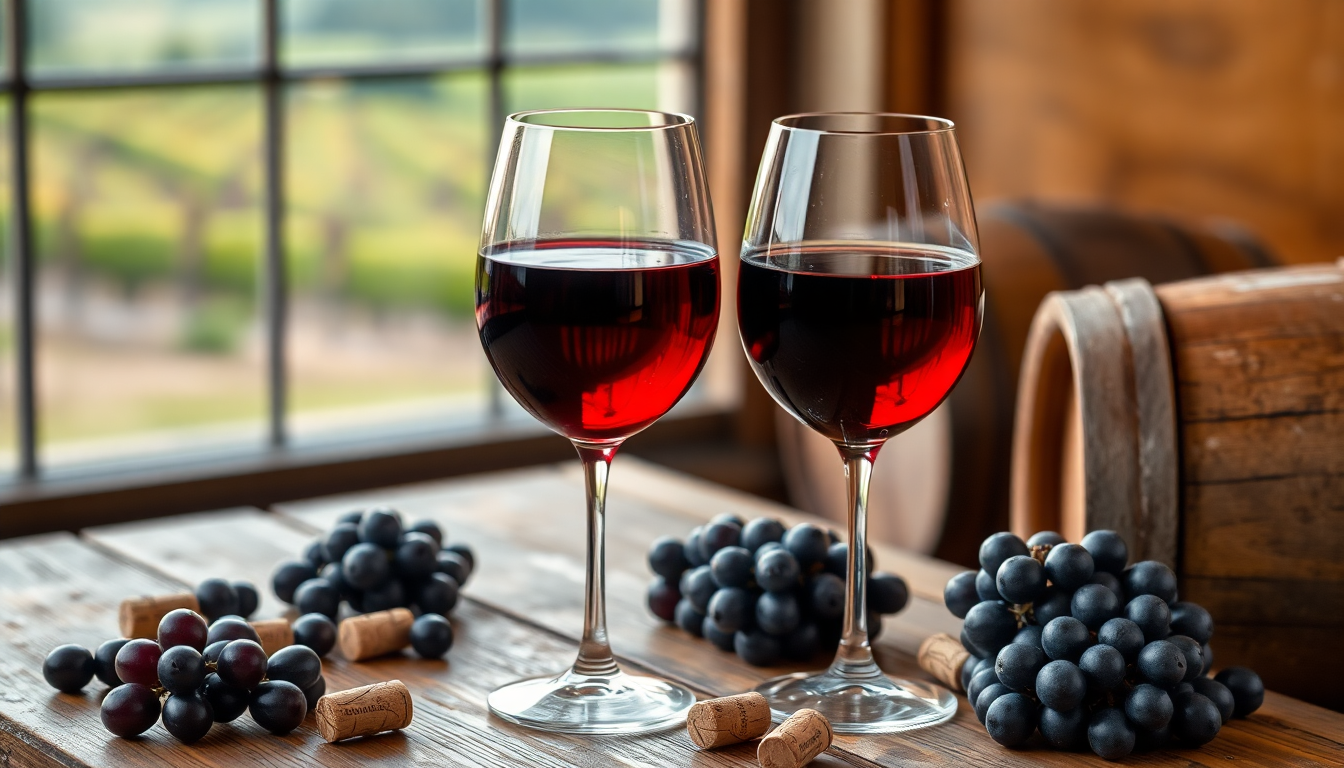
When you walk into a wine shop or browse an online wine retailer, you'll notice that wines are often categorized in different ways. Some bottles proudly display a single grape variety on their label, while others feature a blend of multiple grapes. At Curtis Family Vineyards, we believe understanding the difference between single varietal and blended wines is essential for any wine enthusiast looking to expand their palate and make informed purchasing decisions. This comprehensive guide will explore the nuances between these two wine styles, helping you appreciate what makes each unique and how to choose the right wine for your preferences.
Understanding Wine Varietals
Before diving into the differences between single varietal and blended wines, it's important to understand what a varietal actually is. A varietal refers to a specific grape variety used in winemaking. Common wine grapes include Cabernet Sauvignon, Chardonnay, Pinot Noir, Sauvignon Blanc, and Merlot, among hundreds of others. Each grape variety has its own characteristics, flavor profiles, and growing requirements that influence the final wine product.
What Makes Each Grape Unique
Each grape variety possesses distinct characteristics that winemakers and wine lovers have come to recognize and appreciate. These characteristics are influenced by the grape's genetics, the climate in which it grows, the soil composition, and the winemaking techniques applied. For example, Cabernet Sauvignon grapes tend to produce wines with bold tannins and flavors of dark berries and plum, while Pinot Noir typically yields lighter-bodied wines with delicate red fruit flavors and silky tannins.
The terroir, a French term encompassing the environmental conditions of a vineyard including soil, topography, and climate, plays a crucial role in shaping the characteristics of each varietal. Two Cabernet Sauvignon wines from different regions can taste quite different due to variations in terroir. Understanding these differences helps wine drinkers appreciate the complexity and diversity within each grape variety.
The History of Wine Varietals
The classification of wine by varietal is a relatively modern practice. Historically, wines were primarily identified by their region of origin rather than the grapes used to make them. However, as wine production became more scientific and globalized, the focus shifted to understanding and documenting specific grape varieties. This shift allowed winemakers to experiment with growing different grapes in new regions and helped consumers understand what they were drinking.
The concept of varietal wines became particularly prominent in the New World wine regions, such as California, Australia, and New Zealand. These regions embraced the practice of labeling wines by their primary grape variety, which helped consumers navigate the wine world more easily. This approach contrasts with Old World wine regions like Bordeaux and Burgundy, which traditionally emphasize region over varietal.
What Are Single Varietal Wines?
Single varietal wines, also known as varietal wines, are wines made from a single grape variety. In most wine-producing countries, a wine must contain at least 75 to 85 percent of the named varietal to be labeled as such. This requirement ensures that the wine's character is primarily defined by that specific grape variety.
The Appeal of Single Varietal Wines
Single varietal wines offer several advantages that make them appealing to both casual drinkers and serious wine enthusiasts. First and foremost, they provide clarity and consistency. When you purchase a Chardonnay, you know you're getting a wine made primarily from Chardonnay grapes, and you can expect certain flavor characteristics associated with that variety. This predictability makes it easier for consumers to find wines they enjoy and to develop their preferences.
Additionally, single varietal wines allow winemakers to showcase the unique characteristics of a particular grape. By focusing on one variety, winemakers can highlight the subtle nuances and complexities that make that grape special. This approach is particularly popular in regions known for producing exceptional examples of specific varieties, such as Napa Valley's Cabernet Sauvignon or Burgundy's Pinot Noir.
Popular Single Varietal Wines
Several grape varieties have become synonymous with high-quality single varietal wines. Cabernet Sauvignon is one of the most popular red wine varietals, known for its full body, high tannins, and flavors of dark berries, plum, and sometimes herbaceous notes. Chardonnay is perhaps the most versatile white wine varietal, capable of producing everything from crisp, unoaked wines to rich, buttery expressions.
Pinot Noir has gained tremendous popularity in recent years, appreciated for its elegance, complexity, and food-pairing versatility. Sauvignon Blanc offers bright, crisp flavors with citrus and herbaceous notes, making it a favorite for those seeking refreshing white wines. Merlot, while sometimes overshadowed by Cabernet Sauvignon, produces approachable, fruit-forward wines with softer tannins. Riesling, a white varietal, showcases remarkable versatility, ranging from bone-dry to lusciously sweet expressions.
The Winemaking Process for Single Varietals
Creating a quality single varietal wine requires careful attention to detail throughout the winemaking process. Winemakers must select the optimal harvest time for their chosen grape variety, as the ripeness of the fruit significantly impacts the final wine's flavor profile and alcohol content. Grapes harvested earlier tend to produce wines with higher acidity and lighter body, while fully ripe grapes yield wines with higher alcohol content and riper fruit flavors.
After harvest, the grapes undergo crushing and fermentation. For red wines, the grape skins remain in contact with the juice during fermentation, extracting color, tannins, and flavor compounds. For white wines, the skins are typically removed before fermentation, resulting in lighter-colored wines. The fermentation process itself is carefully controlled, with winemakers monitoring temperature and other factors to ensure optimal flavor development.
Following fermentation, many single varietal wines undergo aging in oak barrels or stainless steel tanks. Oak aging can impart additional flavors such as vanilla, spice, and toast, while also allowing for subtle oxidation that can enhance complexity. The duration and type of oak used depend on the winemaker's vision for the final product and the characteristics of the grape variety.
Understanding Blended Wines
Blended wines are produced by combining two or more grape varieties to create a final product. These blends can range from simple combinations of two grapes to complex blends featuring five or more varieties. The art of blending allows winemakers to create wines with specific flavor profiles, improved balance, and enhanced complexity.
The Purpose of Blending
Winemakers blend wines for several important reasons. One primary purpose is to achieve balance. Different grape varieties contribute different characteristics to a wine. By blending, winemakers can combine the strengths of different grapes to create a more harmonious final product. For example, a winemaker might blend a high-tannin grape with a softer, fruitier variety to create a wine with better balance and approachability.
Blending also allows winemakers to improve consistency from vintage to vintage. Wine quality can vary significantly from year to year due to weather conditions and other environmental factors. By blending grapes from different vineyards or different vintages, winemakers can create wines that maintain a consistent flavor profile and quality level across multiple years.
Additionally, blending enables winemakers to create unique flavor profiles that wouldn't be possible with a single varietal. The combination of different grapes can produce complex, layered flavors that appeal to a wide range of palates. This creative aspect of blending is one reason why many winemakers are passionate about the practice.
Famous Wine Blends
Several wine blends have achieved legendary status and are recognized worldwide. Bordeaux blends, originating from the Bordeaux region of France, typically combine Cabernet Sauvignon, Merlot, Cabernet Franc, Petit Verdot, and Malbec. These blends are known for their complexity, aging potential, and balance of power and elegance.
Rhône blends, from the Rhône Valley in France, often feature Grenache, Syrah, and Mourvèdre. These blends tend to be fruit-forward with spicy, peppery notes and are often more approachable in their youth compared to Bordeaux blends. Champagne, the sparkling wine from France's Champagne region, is typically a blend of Chardonnay, Pinot Noir, and Pinot Meunier grapes, though some producers create vintage Champagnes from single varietals.
Super Tuscan wines, produced in Tuscany, Italy, often blend traditional Italian varieties with international grapes like Cabernet Sauvignon and Merlot. These innovative blends have gained significant prestige and command high prices. In the New World, many producers create their own signature blends, often labeled with creative names rather than varietal names, allowing them complete freedom in their blending decisions.
The Art and Science of Blending
Blending is both an art and a science. Winemakers must understand the chemical composition of different wines and how they interact when combined. They need to consider factors such as alcohol content, acidity, tannin structure, and flavor compounds. A successful blend requires that all components work together harmoniously, with no single element overpowering the others.
The blending process typically occurs after fermentation and aging. Winemakers taste different wines and experiment with various combinations, adjusting the proportions until they achieve their desired result. This process, known as blending trials or bench trials, can be time-consuming and requires a refined palate and extensive experience.
Modern winemakers often use laboratory analysis to support their blending decisions. Chemical analysis can provide objective data about the composition of different wines, helping winemakers make informed decisions about which wines to blend and in what proportions. However, the final decision ultimately relies on the winemaker's sensory evaluation and artistic vision.
Key Differences Between Single Varietal and Blended Wines
Understanding the key differences between single varietal and blended wines can help you appreciate each style and make informed choices based on your preferences.
Flavor Complexity and Profile
Single varietal wines tend to showcase the characteristic flavors of a specific grape variety. These wines often have a clear, identifiable flavor profile that allows you to learn and recognize the grape's typical characteristics. For example, a Sauvignon Blanc will typically display citrus and herbaceous notes, while a Merlot will show ripe plum and cherry flavors.
Blended wines, on the other hand, often display greater complexity due to the combination of different grape varieties. Each grape contributes its own flavor compounds, creating a more layered and intricate flavor profile. This complexity can make blended wines more interesting and engaging for those who enjoy exploring multiple flavor dimensions in a single glass.
Tannin Structure and Mouthfeel
Tannins are compounds found primarily in grape skins, seeds, and stems that contribute to the wine's structure and mouthfeel. Different grape varieties have different tannin profiles. Cabernet Sauvignon, for example, is known for its high tannins, which create a drying sensation in the mouth. Merlot has softer, rounder tannins.
In blended wines, winemakers can balance tannin levels by combining high-tannin grapes with softer varieties. This allows them to create wines with specific tannin structures that appeal to different preferences. A blend might combine the structure of Cabernet Sauvignon with the softness of Merlot to create a wine that's both powerful and approachable.
Aging Potential
Single varietal wines and blended wines can have different aging potentials depending on their composition and winemaking style. Generally, wines with higher tannin levels and good acidity have greater aging potential. Some single varietal wines, such as high-quality Cabernet Sauvignon and Nebbiolo, can age for decades, developing greater complexity and refinement over time.
Many blended wines, particularly those designed to balance different grape characteristics, also have excellent aging potential. Classic Bordeaux blends, for instance, are known for their ability to age gracefully for 20, 30, or even 50 years or more. However, some blended wines are designed for earlier consumption and may not benefit from extended aging.
Price and Value
Single varietal wines and blended wines can vary significantly in price, though this isn't necessarily determined by whether they're a single varietal or a blend. Premium single varietal wines from renowned producers and regions can command very high prices. Similarly, prestigious blended wines, particularly those from famous wine regions, can be extremely expensive.
However, many excellent single varietal and blended wines are available at moderate prices. The key to finding good value is understanding what you're looking for and being willing to explore different producers and regions. At Curtis Family Vineyards, we believe that quality wine doesn't always have to be expensive, and we work to offer excellent options at various price points.
Food Pairing Versatility
Single varietal wines often have specific food pairing recommendations based on their characteristic flavors and structure. A Pinot Noir, for example, pairs beautifully with salmon, duck, and mushroom-based dishes. A Chardonnay works well with seafood, chicken, and creamy sauces.
Blended wines, due to their complexity and balanced nature, often offer greater food pairing versatility. A well-crafted blend might pair well with a wider range of dishes than a single varietal. This versatility makes blended wines excellent choices for meals with multiple courses or when dining with a group with diverse preferences.
The Winemaking Philosophy Behind Each Style
The choice between producing single varietal wines and blended wines often reflects a winemaker's philosophy and approach to their craft.
The Single Varietal Philosophy
Winemakers who focus on single varietal wines often believe in letting the grape speak for itself. This philosophy emphasizes the unique characteristics of each grape variety and the terroir in which it's grown. These winemakers view their role as facilitating the expression of the grape's natural qualities rather than manipulating or altering them significantly.
This approach requires deep knowledge of a specific grape variety and how it performs in different conditions. Winemakers must understand the optimal harvest timing, fermentation temperatures, and aging protocols for their chosen variety. The goal is to produce wines that are true expressions of the grape and the vineyard.
The Blending Philosophy
Winemakers who embrace blending often view winemaking as a creative art form. They see blending as an opportunity to craft wines with specific characteristics and to overcome the limitations of individual grape varieties. This philosophy allows for greater experimentation and innovation.
Blending-focused winemakers often have a clear vision for the final product and work backward from that vision, selecting and combining grapes that will help them achieve their goal. This approach requires extensive knowledge of multiple grape varieties and how they interact with each other. It also demands a refined palate and the ability to envision how different components will work together.
Regional Perspectives on Single Varietal vs Blended Wines
Different wine regions around the world have developed distinct traditions regarding single varietal and blended wines.
Old World Traditions
In traditional wine regions like Bordeaux, Burgundy, and Tuscany, blending has long been the norm. These regions developed specific blending traditions based on the grape varieties that grow well in their climate and soil. Bordeaux blends, for example, became the standard because the combination of Cabernet Sauvignon, Merlot, and other varieties creates wines that are well-balanced and age beautifully in the region's climate.
However, it's important to note that Old World wines are often labeled by region rather than by varietal. A wine from Burgundy might be labeled simply as "Burgundy" rather than "Pinot Noir," even though Pinot Noir is the primary grape used. This regional focus reflects the Old World belief that terroir is more important than the specific grape variety.
New World Approaches
New World wine regions, particularly in California, Australia, and New Zealand, have traditionally emphasized single varietal wines. This approach was partly practical, as these regions were establishing themselves and wanted to clearly communicate what consumers were purchasing. By labeling wines by varietal, New World producers made it easier for consumers to understand and compare wines.
However, New World winemakers have increasingly embraced blending as they've gained experience and confidence. Many now produce both single varietal wines and blended wines, allowing them to showcase different aspects of their craft. This flexibility has contributed to the diversity and quality of wines produced in these regions.
Emerging Trends
Today, the distinction between Old World and New World approaches is becoming less clear. Old World regions are increasingly producing single varietal wines and labeling them as such, recognizing that consumers appreciate the clarity this provides. Meanwhile, New World producers continue to experiment with blending, creating innovative wines that push the boundaries of traditional styles.
This convergence reflects a broader trend in the wine industry toward greater diversity and experimentation. Winemakers are less constrained by tradition and more focused on creating wines that express their vision and appeal to their target market.
How to Choose Between Single Varietal and Blended Wines
Choosing between single varietal and blended wines ultimately depends on your personal preferences, the occasion, and what you're looking for in a wine.
Consider Your Taste Preferences
If you enjoy learning about specific grape varieties and appreciate the characteristic flavors of different grapes, single varietal wines might be your preference. They allow you to develop a deeper understanding of how different grapes taste and how they're influenced by different regions and winemaking techniques.
If you prefer complex, layered flavors and

Leave a comment
This site is protected by hCaptcha and the hCaptcha Privacy Policy and Terms of Service apply.